





 Portuguese
  English
  Spanish
  6 min of reading
  0 comments


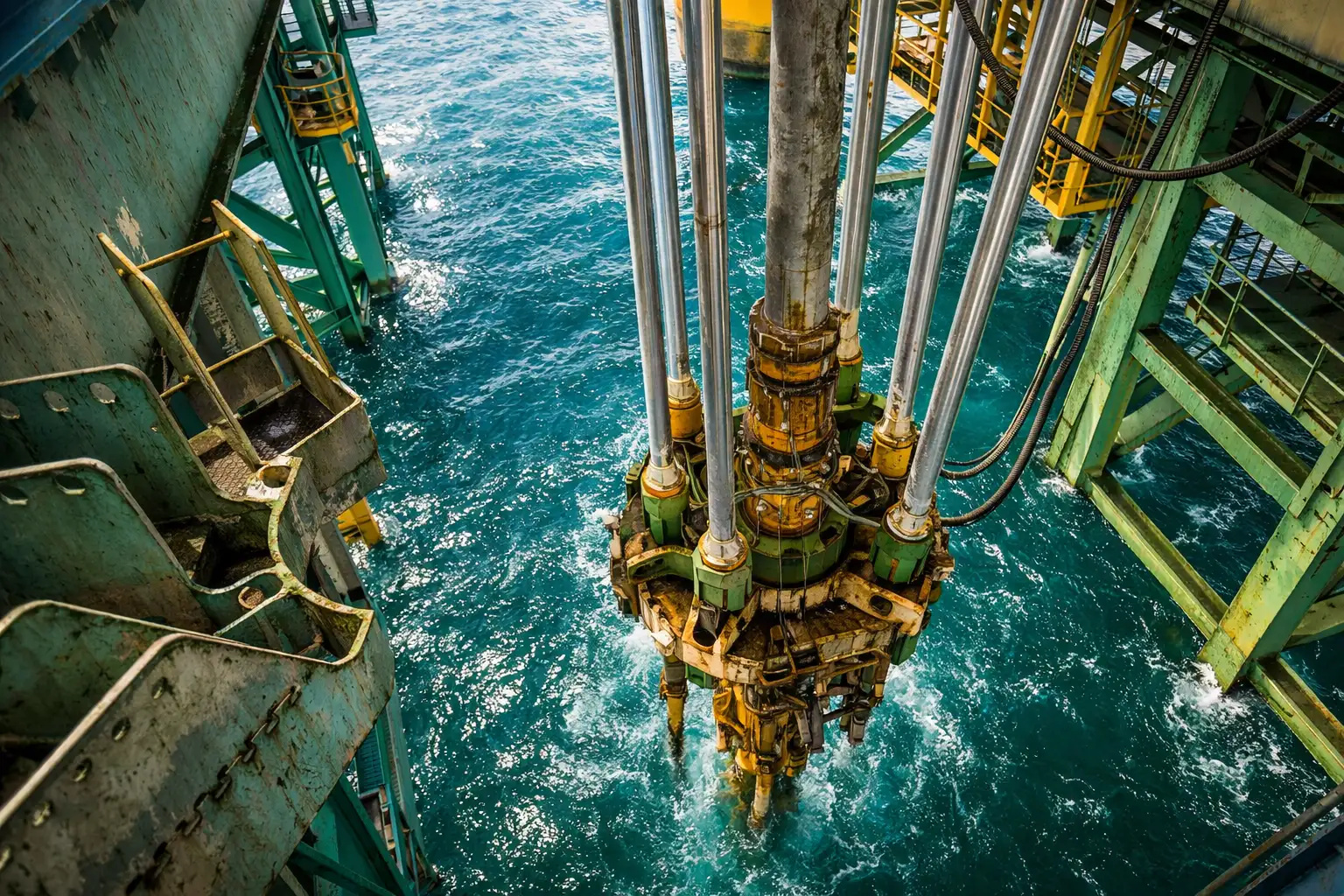
Oil platform of the FPSO type brings together production, storage, and transportation at sea, with its own energy and a routine of 150 workers.
An oil platform of the FPSO type concentrates production, storage, and transfer of oil and gas offshore, about 2,300 meters below sea level. The system connects 4 production wells to the floating unit and keeps the entire operation running without direct contact with the mainland.
The report was published by Manual do Mundo, a Brazilian science and technology channel. The visit showed how the structure operates in the pre-salt, how the oil is treated before it continues its journey, and why the platform functions almost like a city at sea.
The impact of this operation appears on several fronts. The unit produces oil, separates gas and water, stores up to 234 million liters of oil, and also accommodates more than 150 people in 14-day shifts.
-
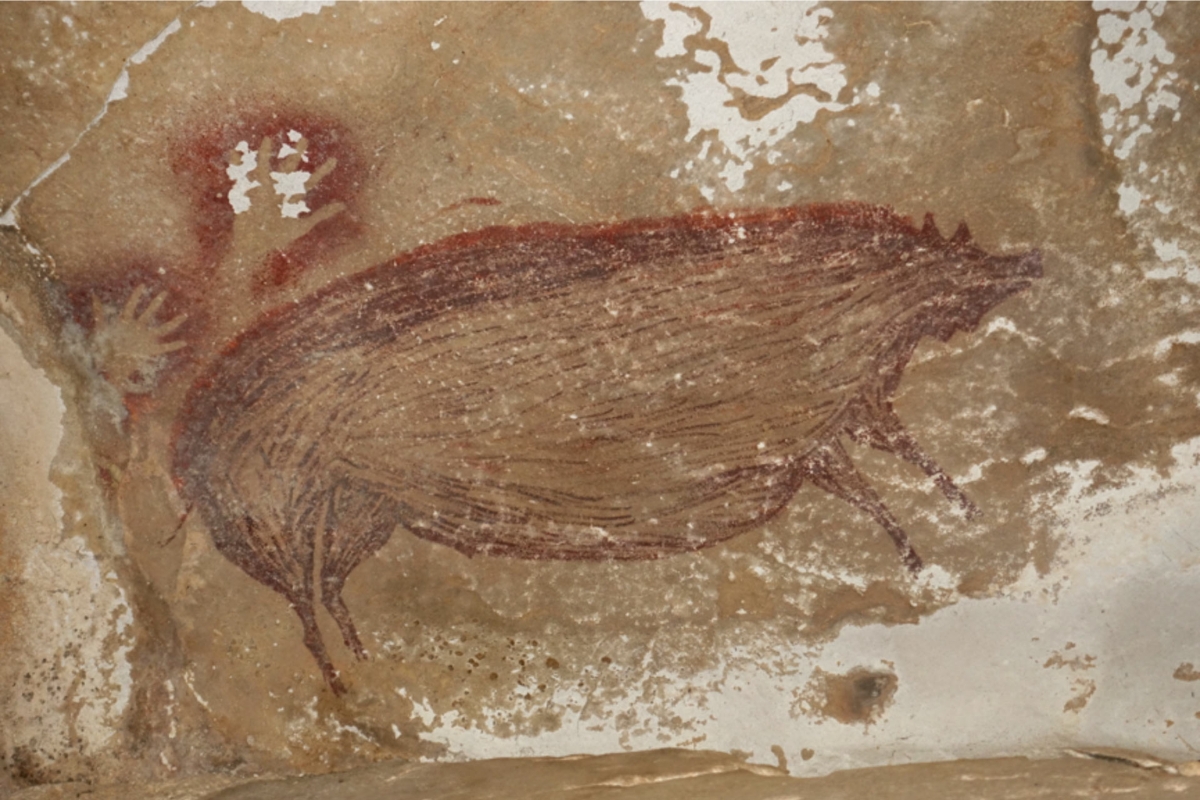
With over 51,000 years and hidden in a cave in Indonesia, rock paintings force scientists to rewrite the history of human art.
-
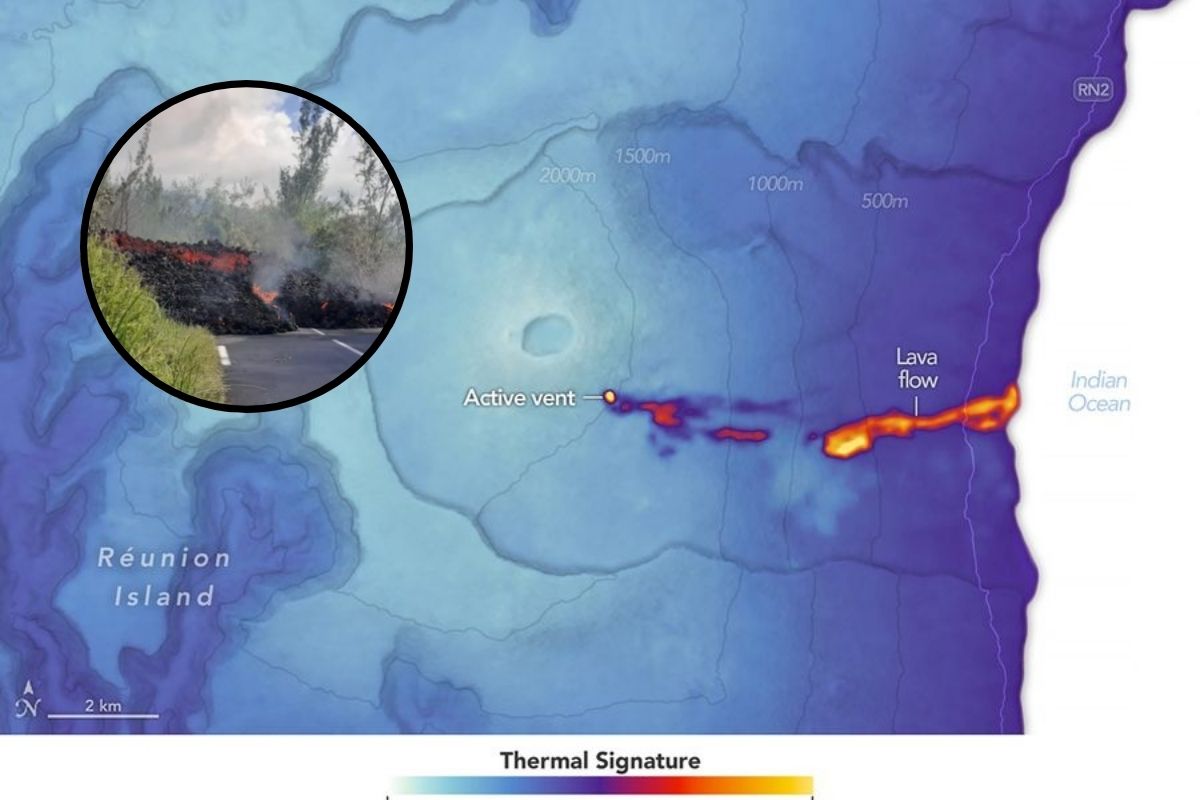
Lava river flows down the volcano on Reunion Island, crosses the road, enters the sea, and creates a new strip of land; the longest and most intense eruption of 2026 is already reshaping the coast before our eyes.
-
More than 400 geoglyphs up to 350 meters long were excavated over 2,000 years ago in Acre and remained hidden under the forest for centuries. These giant structures, now visible in satellite images, still challenge science regarding their origin and function.

-
Few people know, but in Brazil there are cities with curious names like Feliz Natal, Não-me-Toque, and Varre-Sai, which may seem like random names, but originated from real events, local habits, and natural characteristics.

How to reach an oil platform in open sea
Reaching an oil platform requires long and controlled logistics. The journey starts in Congonhas, São Paulo, goes to Santos Dumont, Rio de Janeiro, and then heads to Jacarepaguá, from where the helicopter departs.


Before boarding, there is a 48-hour quarantine period in a hotel. This procedure prevents people from boarding with coronavirus and is part of the precautions before entering the unit.
The flight to the platform takes about one hour. The helicopter travels 297 km over the sea, at an altitude of 800 meters, until it reaches its destination in open water.
The visited unit was the P 70, inaugurated in 2020. It is located 200 km from the coast and is 316 meters long, which is 46 meters longer than the Titanic II.
What is an FPSO and how the wells connect to production
The acronym FPSO comes from English and means floating production, storage, and offloading unit. In practice, it is a platform that floats like a ship and produces oil without needing a tower supported on the seabed.
This characteristic exists because the ocean floor is about 2 km below the platform. The structure is anchored by anchors fixed to the seabed and by cables that keep the unit stable.
The operation of the oil platform uses 7 wells connected to P 70. There are 4 production wells and 3 injection wells. The producers extract oil. The injectors return water and gas to the reservoir to maintain production.
The pipes used in this connection follow two paths. In the horizontal section over the seabed, they are called flowlines. In the ascent to the platform, they are referred to as risers.
Each well has 3 lines. One carries production, another serves services like gas injection, and the third is the umbilical line, used for control, sensor readings, and chemical injection.
How oil, gas, and water are separated within the oil platform
The first treatment occurs in a separation vessel. At this stage, the production is divided into gas, water, and oil. This process is essential for each part to follow the correct path within the unit.
The gas goes through 3 stages. The first is compression, which greatly increases the pressure. The second is dehydration, done by a molecular sieve that holds the water and allows the gas to pass. The third removes carbon dioxide, which can be reinjected into the well.
The water also receives treatment before returning to the sea. This procedure is already part of the platform’s structure, although not all operations were active at that moment, because the oil was still arriving with a lot of sediment.
The oil does not leave the reservoir ready. It still carries some water and undergoes electrostatic separation. Electricity helps to combine small water droplets into larger ones, which facilitates removal by gravity.
Storage and transport show the real scale of an FPSO
The base of the ship is formed by oil tanks. The structure has 31 meters of tank below the main area and a total capacity of 234 thousand cubic meters of oil, equivalent to 234 million liters.
This volume is also impressive when compared to land transport. The calculation amounts to 4680 trucks of 50,000 liters each.
The information about the operation was disclosed by Petrobras, a state-owned oil and gas company. The storage structure requires extra care because oil is flammable and cannot come into contact with oxygen inside the tanks.
The solution is the injection of inert gas. This gas prevents reactions with the fuel and reduces the risk of fire. The platform also has a flare, a flame that burns excess gases and serves as safety equipment.
When the oil needs to leave the unit, a shuttle tanker comes into play. The transport uses a hose with 50 cm in diameter and 150 m in length. It pumps 6,600 cubic meters per hour, but even so, loading a large ship takes 24 hours.
The oil tanker does not touch the platform. It stays about 90 meters away and receives the hose after cables are launched between the vessels.
What is life like for those who work on an oil platform
The platform operates continuously and houses more than 150 people. The routine occurs in 24-hour operational shifts and a 14-day onboard stay.
The interior resembles a building, but with security reinforcements on all sides. The doors are fire-resistant and some withstand 30 minutes of fire, while others resist for 60 minutes.
The interior is pressurized. This prevents smoke from entering in case of fire and helps people exit through protected areas, such as the stairs.
The dining room has 40 seats and operates in rotation. There are 5 meals a day, with breakfast at 5 AM, lunch at 11 AM, dinner at 6 PM, a snack at 9 PM, and a midnight supper.

The rooms, called cabins, have 4 beds, curtains for privacy, individual lockers, and bathrooms divided into two parts. There is also an auditorium, music room, gym, and laundry.
Energy, water, and safety keep the platform operating in the middle of the sea
All the energy for the unit is generated on-site. The platform has 4 thermal power plants of 25 megawatts each, powered by natural gas or diesel.
One of the turbines is aeroderivative, similar to a jet engine turbine. The heat generated is also used to heat the water used in other parts of the plant.
If there is a total failure, an emergency generator comes into action. It has a diesel engine with 16 V cylinders and a power of 1.8 megawatts.
Safety also depends on escape routes ready for immediate use. The platform has 2 lifeboats on each side, and each side can evacuate the entire crew. The vessels are enclosed, can pass through fire areas, and have an oxygen system.
The drinking water used for bathing and cleaning comes from the sea. The salt is removed using vacuum, then the water goes through remineralization, ultraviolet light treatment, and storage in a pressurized tank. The mineral water for drinking arrives by boat.
At the lowest part of the platform, about ten meters below sea level, there are pumps that draw seawater for industrial use. The used water also receives treatment before disposal, and the solid waste goes back to the mainland.
The oil platform of the FPSO type combines technology, logistics, and safety in a structure that operates far from the coast and at great depths. The system allows for the production, treatment, storage, and transfer of oil without interrupting operations.
Did you enjoy understanding how an oil platform works? Leave your comment and share this publication with anyone else who also wants to learn more about this operation at sea.







Seja o primeiro a reagir!