





 Portuguese
  English
  Spanish
  3 min of reading
  0 comments


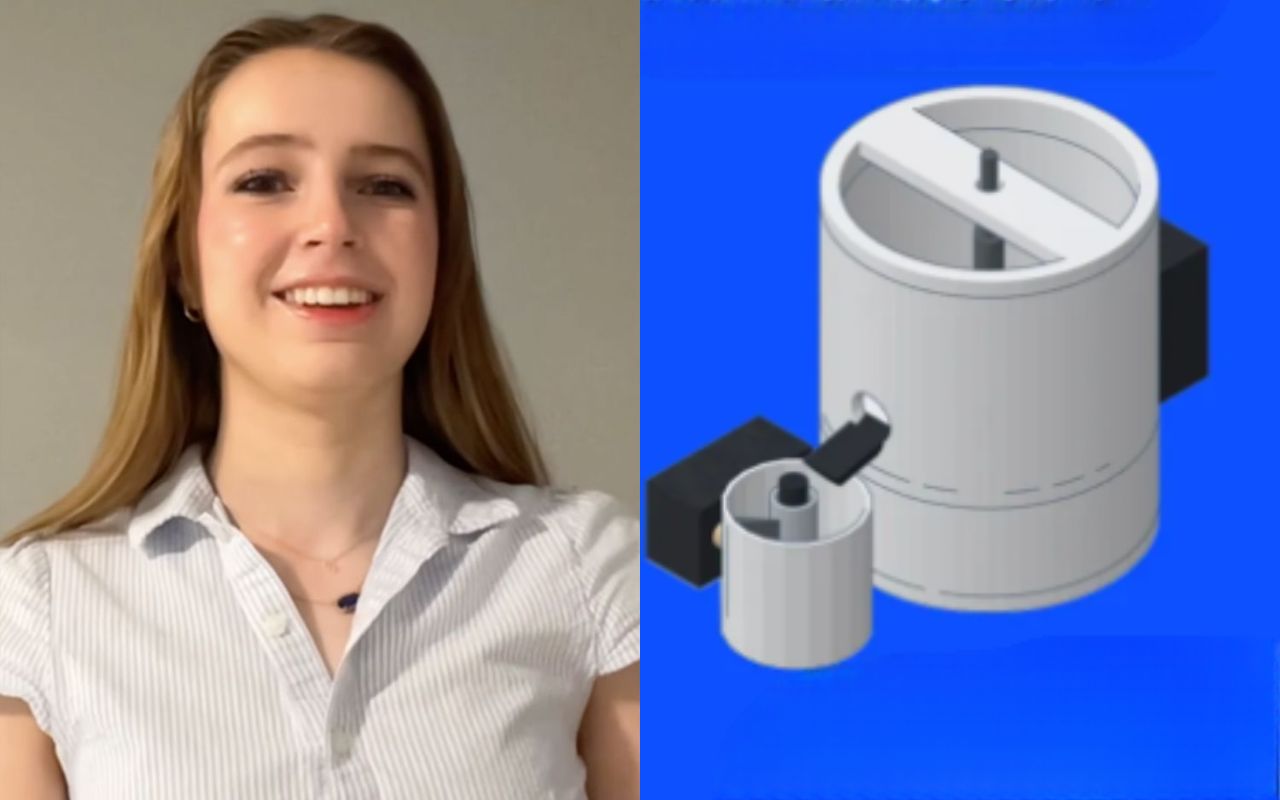
New filter technology created by Mia Heller uses ferrofluid to remove microplastics from water and promises to revolutionize domestic consumption.
A new technology based on magnetism is emerging as a promising solution to eliminate microplastics from water. The project, developed by an 18-year-old student in the United States, utilizes an innovative filter capable of capturing invisible particles that escape traditional systems.
Created by Mia Heller, in Warrington, Virginia, the solution was motivated by local water contamination and the lack of affordable alternatives.
The goal is simple yet ambitious: to provide an efficient, sustainable, and viable method to improve water quality in daily life.
-
The new technology race has already begun: Apple, Samsung, and Google are competing to see who can turn smartphones, smartwatches, and appliances into assistants with artificial intelligence capable of understanding context, predicting actions, and performing tasks without relying on apps.

-
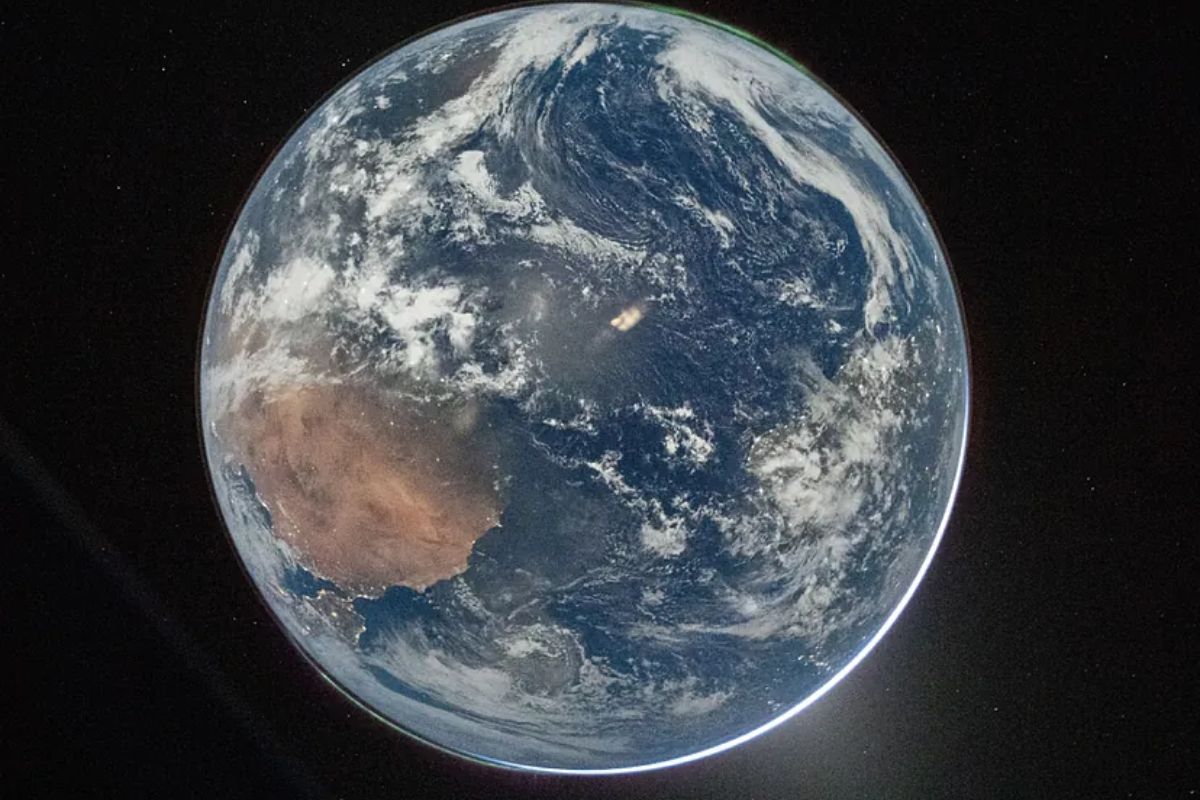
For the first time in over 50 years, a human has photographed the entire Earth from deep space on the way to the Moon, and the image captured by Commander Reid Wiseman is already being called historic by NASA.
-
Under the island of Mauritius, in the middle of the Indian Ocean, scientists found fragments of continental crust that are up to 3 billion years old, remnants of a sunken microcontinent that was once connected to Madagascar and India.

-
Sonar and geological mappings revealed, 1,000 km from Portugal, an underwater system of 500 km that rivals the Grand Canyon, with deep canyons and valleys sculpted on the Atlantic floor, formed 37 million years ago when tectonic plates tore the ocean like a “zipper” during the separation between Africa and Europe.


Efficiency of the new filter technology draws attention
The results obtained with the prototype are impressive. The developed filter can remove about 95.52% of the microplastics present in the water.
Moreover, the system recovers approximately 87.15% of the material used in the process. This performance surpasses many traditional methods.
“The result is an accessible filtration system with low waste, without the need for a solid membrane,” says Heller.
How does the filter work?
The operation of the new technology is based on the use of ferrofluid, a liquid with magnetic properties. This material binds to microplastics during the flow of water.
Then, a magnetic field separates the particles, allowing for filtration. The process occurs in a closed circuit.
This means that the ferrofluid can be reused, making the system more efficient.
New technology eliminates the need for traditional filters with membranes
Unlike conventional systems, the filter does not rely on physical membranes. This reduces costs and maintenance.
Initially, the prototype required constant replacement of the material. However, the evolution of the project solved this problem. Now, the new technology can automatically recycle the used ferrofluid.
The presence of microplastics in the environment has significantly increased. These particles have already been found in over 1,300 species.
Additionally, studies indicate their presence in parts of the human body. This includes sensitive tissues.
“There are still many questions about whether these plastics are really affecting our health at this moment,” said toxicologist Matthew J. Campen.

The origin of the new technology lies in a local problem with microplastics
The idea arose after the student analyzed a report on the water in her community. The data indicated concerning contamination.
Without government support, residents needed to seek their own solutions. “It was up to the people to provide their own filtration systems,” says Heller.
This scenario motivated the development of the new filter technology.
Domestic application is the initial focus
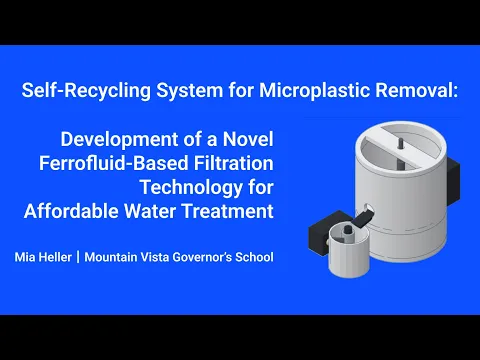
Currently, the equipment is compact, similar to a bag of flour. It can filter about one liter of water at a time.
This performance is comparable to that of common domestic filters. Therefore, the initial application is aimed at households. The proposal is to install the system under the sink, facilitating everyday use.
Scientific recognition
The project has already gained international prominence. The student was a finalist at the 2025 Regeneron International Science and Engineering Fair.
Additionally, she received an award for the development of the solution. Experts praised the proposal. Campen described the idea as “truly brilliant” and highlighted its relevance.

New technology still faces challenges for expansion
Despite the progress, there are still obstacles. One of the main ones is the cost of producing ferrofluid on a large scale.
Moreover, it is necessary to validate the system in different contexts. Independent tests will be fundamental. Therefore, the expansion of the new technology depends on new stages of development.
With high efficiency and an innovative proposal, the filter emerges as a promising alternative. It can change the way we deal with microplastics.
Additionally, it contributes to improving the quality of consumed water. This impact is relevant for health and the environment.
With information from Ciclo Vivo







Seja o primeiro a reagir!