





 Portuguese
  English
  Spanish
 4 min of reading
  0 comments


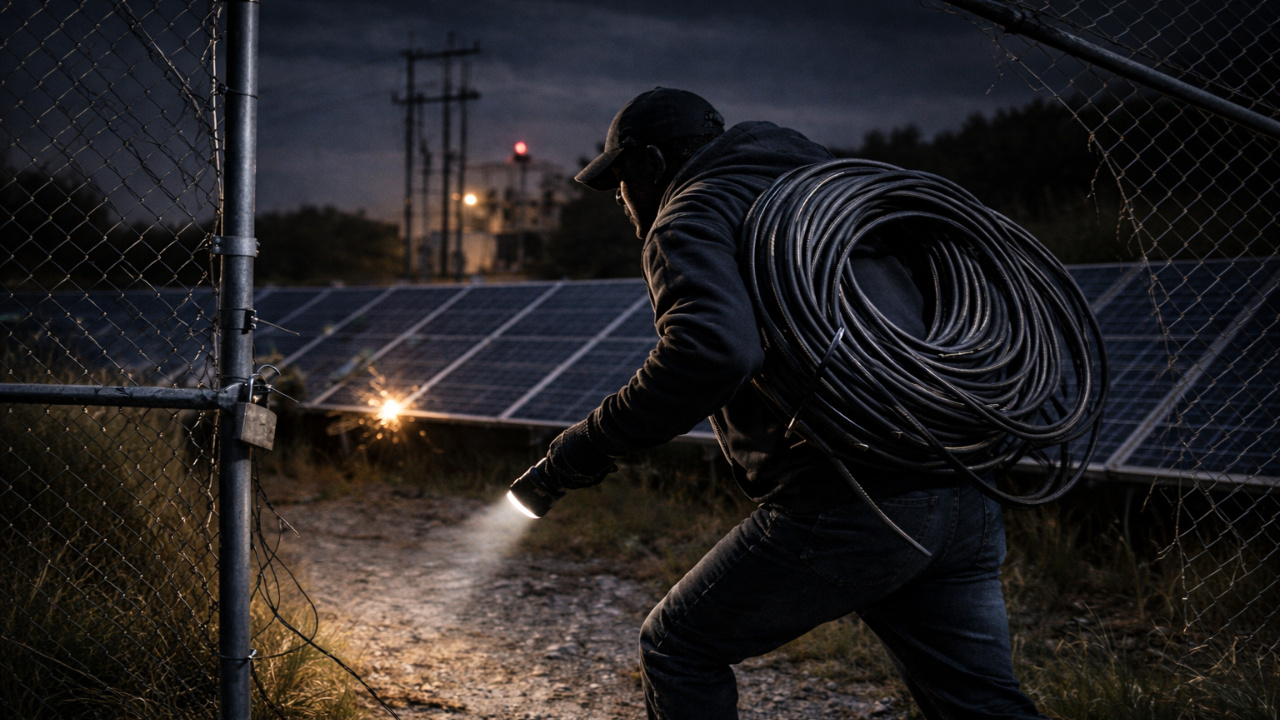
Solar Power Plant Targeted By Theft In Novo Itacolomi, Paraná, With 4 Thousand Meters Of Wire Stolen And Damaged Panels, According To Military Police Record.
The expansion of solar energy in Brazil, especially in rural areas, has also exposed a new challenge: the security of installations. In Novo Itacolomi, a municipality located in the interior of Paraná, a solar power plant was targeted by theft and vandalism, resulting in significant losses for the owner.
The case was officially recorded with the Military Police and will be investigated as qualified theft.
The incident occurred on a rural property located along the PR-170 highway, in an easily accessible area but with low constant surveillance. The event reinforces the concern of producers and investors who rely on photovoltaic generation as a sustainable and economic alternative.
-
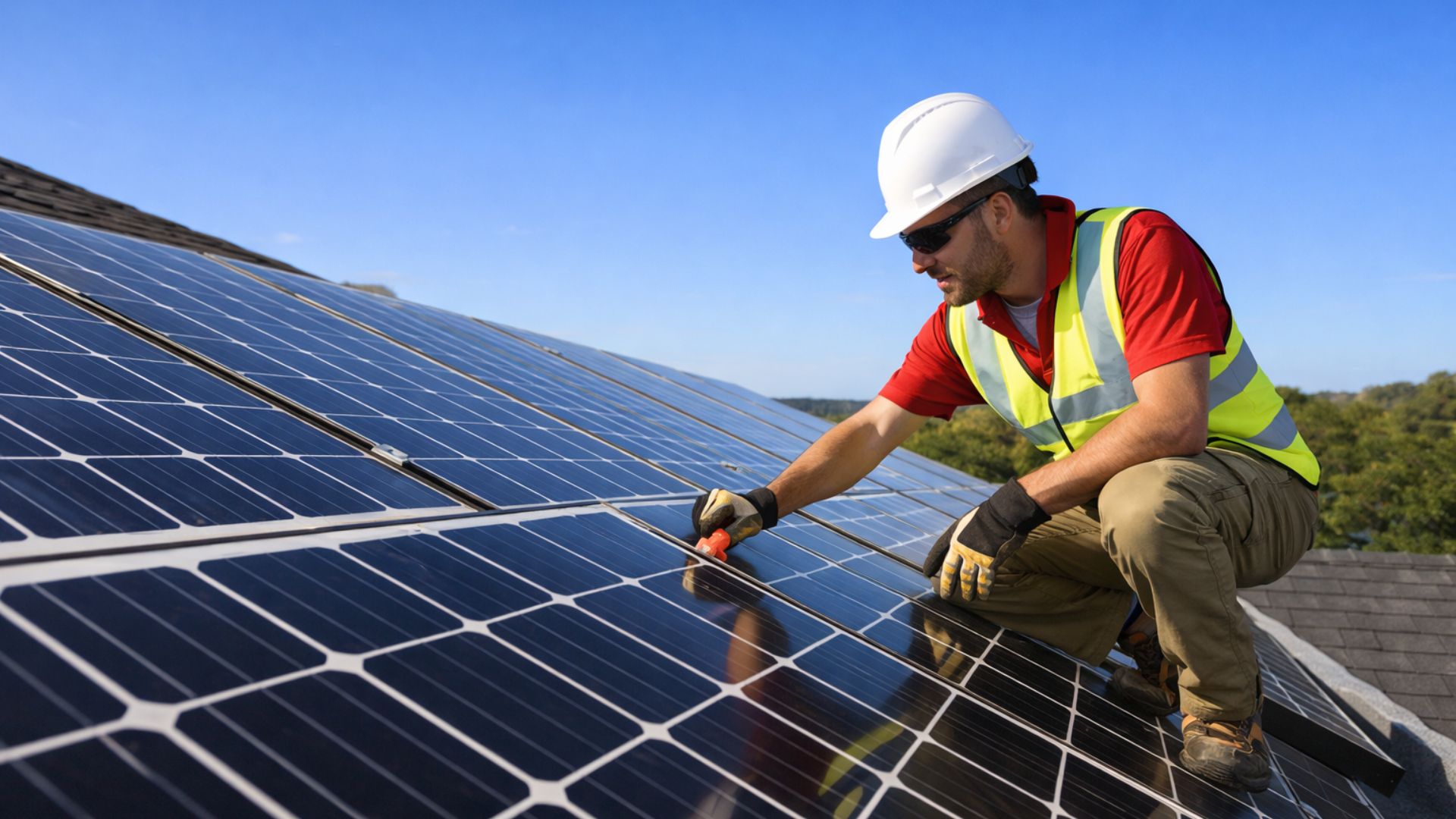
Seagri’s headquarters invests in solar energy with Neoenergia Coelba and promises to cut electricity costs, highlighting a strategic advance in sustainability and energy efficiency within state public administration.
-
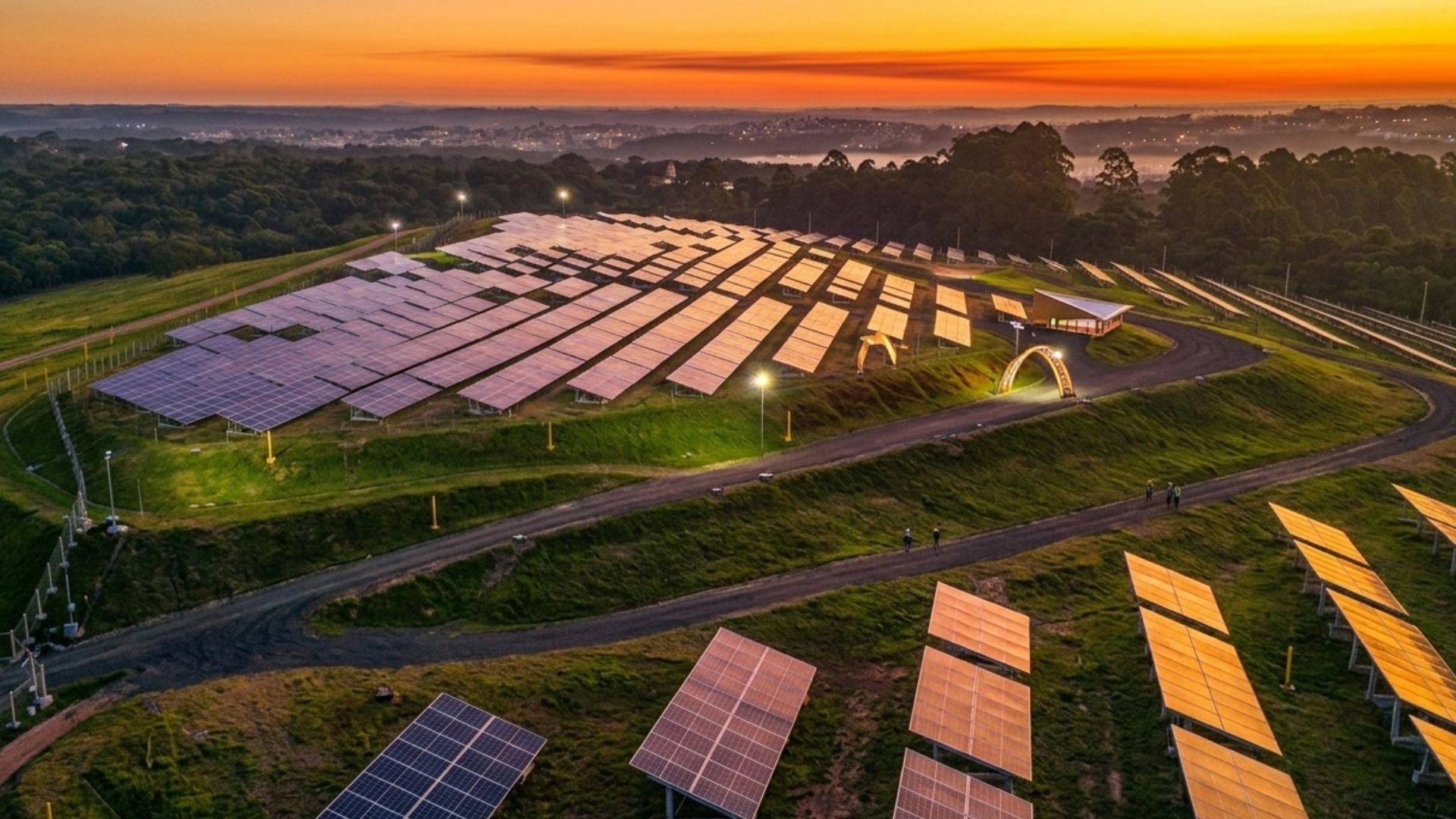
Solar Pyramid draws attention by converting solar energy into million-dollar savings and repositioning the City Hall of Curitiba as an example of innovation, sustainability, and intelligent use of public resources.
-
Europe records strong euro economy with solar energy in March and sparks curiosity about which country leads growth that redefines the energy market and reduces costs.

-
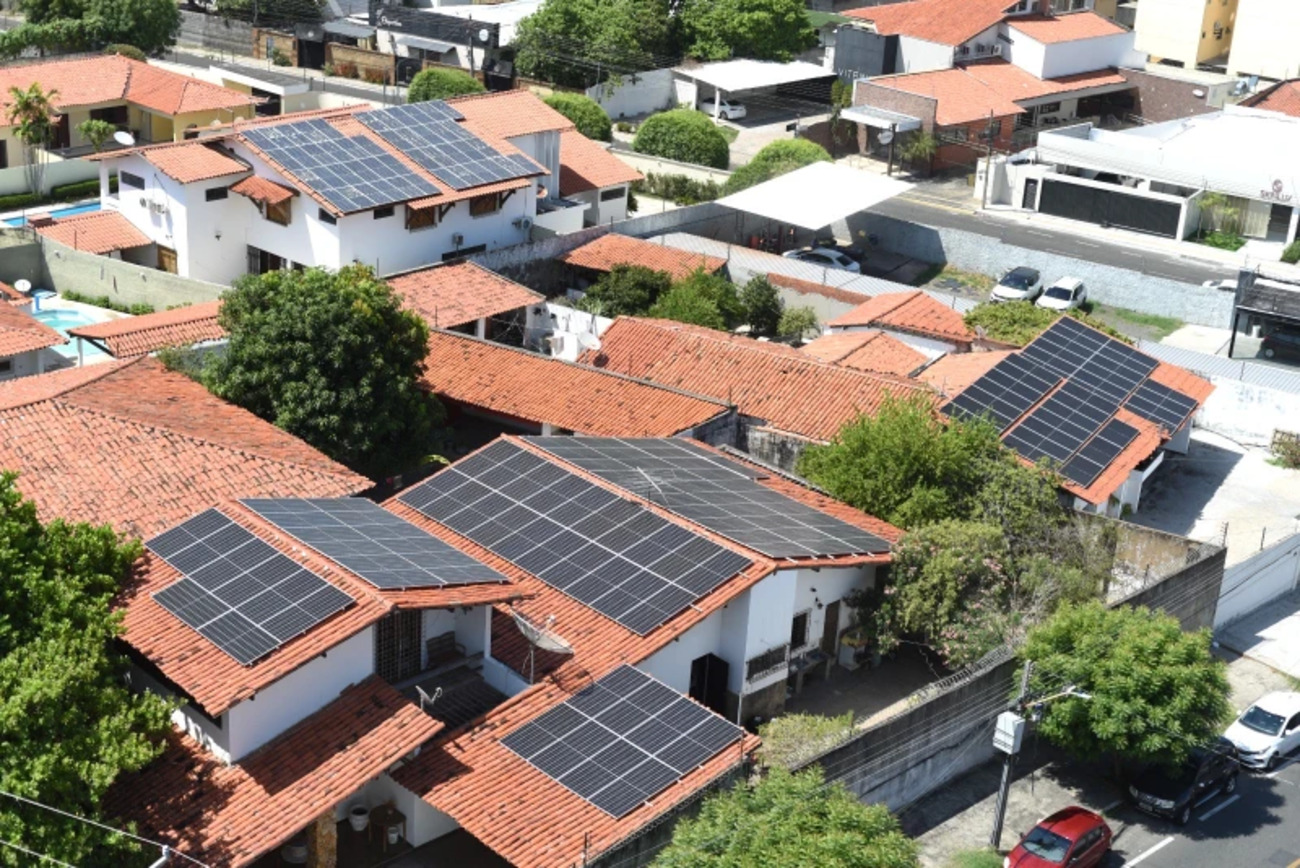
Piauí reaches a historic milestone in energy transition: State records nearly 160,000 households powered by solar energy and leads growth in the Northeast.

Invasion Happened Days Before Police Report
Although the police report was formalized only on Monday (15), the invasion of the solar energy plant happened a few days earlier. According to the victim’s account to the Military Police, the crime took place last Thursday (11).
The owner, a 49-year-old man, noticed the criminal action upon arriving at the site and confirming the complete absence of the electrical wiring responsible for transmitting the energy generated by the photovoltaic system. Faced with the situation, he sought authorities to report the theft.
According to the recorded information, the criminals took about 4,000 meters of 6-millimeter electrical wires. This type of wiring is considered essential for the operation of solar energy, as it connects the panels to the inverters and subsequently to the electrical grid.
Without the cables, the system becomes completely inoperable. Furthermore, the cost to replace the material and reinstall it can be high, especially for medium and large projects installed in areas far from urban centers.
Solar Panels Were Also Damaged
In addition to the theft of wiring, the criminal action left structural damage to the solar energy plant. According to the owner’s account, several photovoltaic panels were damaged during the invasion.
At the time of the occurrence report, it was not possible to specify how many panels were damaged. Nevertheless, the financial impact is likely to be significant, as solar modules represent one of the most valuable parts of the system.
This type of damage goes beyond immediate losses. Compromised panels can reduce the overall efficiency of the system or even render operations impossible until replacement is carried out.
Given the circumstances, the case was registered as qualified theft. This classification is applied when there is destruction or breaking of obstacles for the commission of the crime, indicating greater severity compared to simple theft.
The Military Police reported that the competent authorities will investigate the authorship of the offense, as well as the possible destination of the stolen material. Electric cables are often resold illegally, mainly due to the value of copper, making recovery difficult.
Growth Of Solar Energy Expands Security Challenges
In recent years, solar energy has rapidly advanced in rural properties, driven by the pursuit of cost reduction and energy autonomy. However, many of these installations are located in isolated areas with little foot traffic, making them vulnerable to criminal actions.
Plants installed in open areas, without reinforced fencing or monitoring systems, become increasingly vulnerable targets. Furthermore, the rising value of photovoltaic equipment and electric cables increases the interest of specialized criminals.
The impact of such a crime is not limited to the value of the wires and damaged panels. The owner of the solar energy plant also faces generation losses, interruptions in supply, and additional costs with labor and system reconfiguration.
In many cases, there is also a delay in the planned return on investment, especially when the generated energy is used to reduce operational expenses of the property or to offset electricity bills.
With the registration of the police report, the investigation will be in the hands of law enforcement authorities, who will seek images, witnesses, and possible routes for transporting the stolen material. The location of the plant, close to the PR-170, may have facilitated the quick removal of the cables and transport of the wiring.
Similar cases have been reported in different regions of the country, raising the debate about the need for public policies and private solutions aimed at protecting solar energy systems, especially in rural areas.
Photovoltaic Sector Witnesses Increase In Incidents
Integrating companies and associations in the sector have warned about the rise in thefts at solar energy installations. In response, there is a growing demand for reinforced fencing, remote monitoring, cable tracking, and the purchase of specific insurance for photovoltaic systems.
The incident in Novo Itacolomi adds to a series of occurrences that highlight that, in addition to being sustainable and economical, solar generation also requires planning in security to ensure the continuity of benefits for the producer and the electric system.







Seja o primeiro a reagir!