





 Português
  Inglês
  Espanhol
  5 min de leitura
  0 comentários


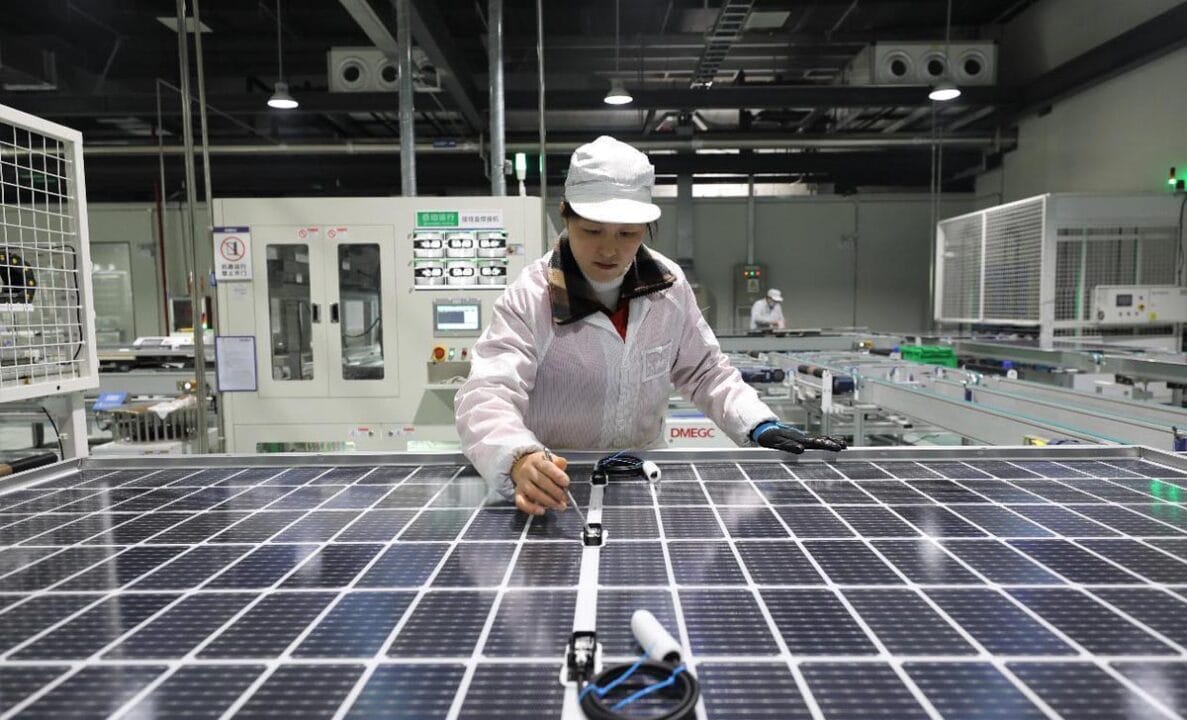
‘China’s Control of the Solar Industry Will Likely Widen Cost Differences in the Coming Years.’
Wood Mackenzie forecasts that China will account for over 80% of the global capacity for manufacturing polysilicon, wafers, cells, and photovoltaic modules in the coming years, despite efforts from other countries such as the United States, India, and European Union to promote their local industries. This consolidated leadership of China in the solar energy sector will have a significant impact on the international market.
China’s Expansion in the Solar Energy Supply Chain
According to a recent report, the growing influence of China in the global solar energy supply chain may result in an increasing gap in terms of technology and costs. In 2023, the Asian country made investments exceeding US$130 billion in the photovoltaic industry. It is estimated that over one terawatt (TW) of capacity for wafers, cells, and modules will come online by 2024. With this expansion, China’s solar capacity could be sufficient to meet global annual demand by 2032, according to Woodmac’s calculations.
The expansion of solar manufacturing in China has been driven not only by high margins for polysilicon but also by technological upgrades and the development of local manufacturing in foreign markets, according to the assessment by Huaiyan Sun, senior consultant at Woodmac and author of the report. This means that China will continue to dominate the global solar energy supply chain and widen the technological and cost gap compared to its competitors.
-
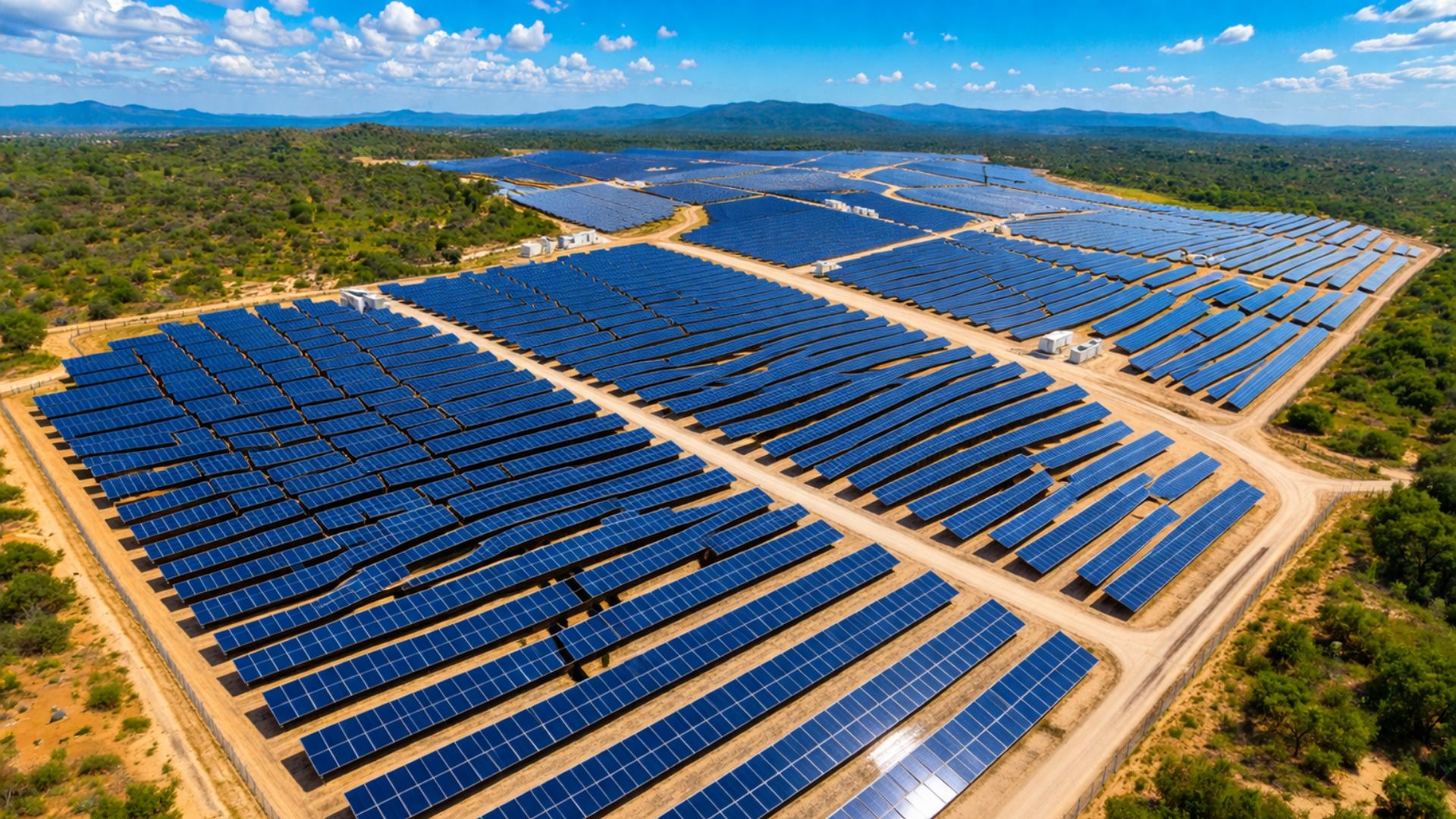
The Sol do Agreste Photovoltaic Complex begins operations in Pernambuco and accelerates the expansion of solar energy in Brazil, directly impacting the reduction of emissions and strengthening the sustainable energy matrix.
-
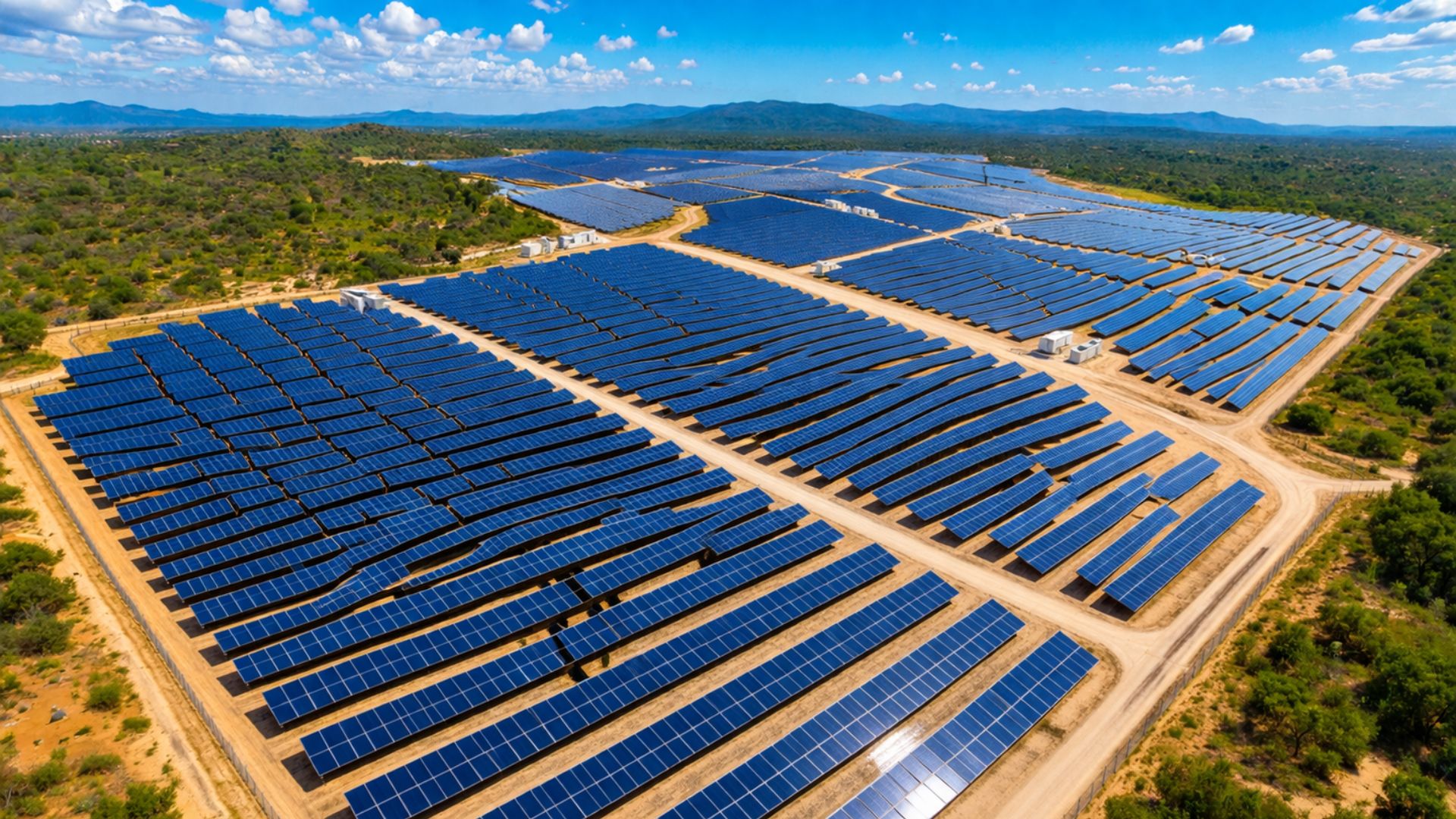
The Sol do Agreste Photovoltaic Complex begins operations in Pernambuco and accelerates the expansion of solar energy in Brazil, directly impacting the reduction of emissions and strengthening the sustainable energy matrix.
-
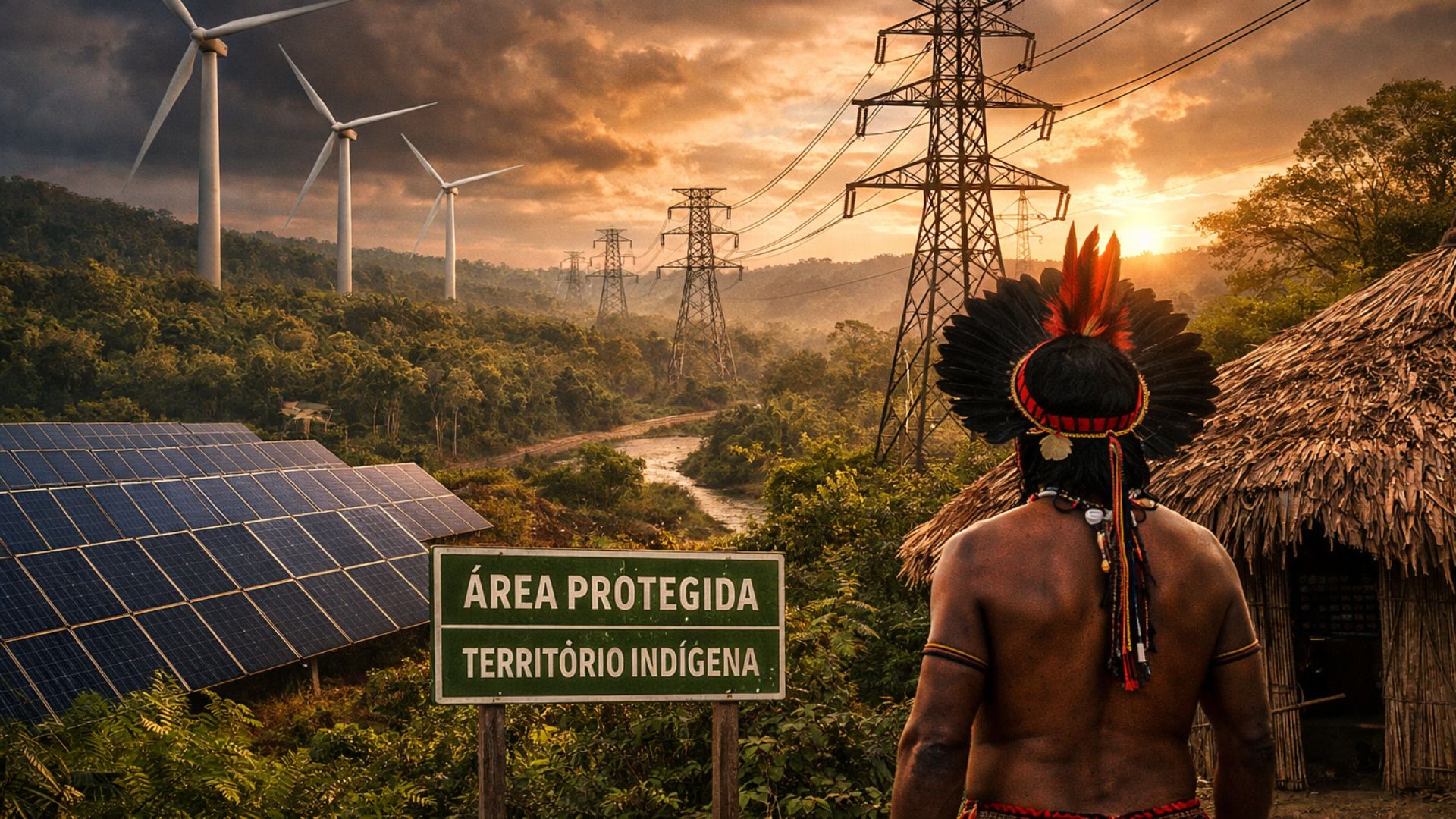
Renewable energy advances over protected areas in Brazil, and a survey by the Energy Transition Observatory reveals silent impacts that challenge environmental conservation and pressure sensitive traditional territories.
-
Rio Grande do Sul accelerates energy transition: State invests in renewable technologies and consolidates decarbonization strategies and pathways to attract billions in new industrial investments.


Brazil is already standing out as the second largest importer of solar panels manufactured in China. This growth is related to the cost gap and the lack of incentives for the local solar energy industry.
Other markets, such as the United States and India, are investing in local manufacturing of solar generation systems, driven by public policies that incentivize the industry. The USA, for example, announced over 200 GW of planned capacity since 2022, motivated by the Inflation Reduction Act (IRA). Meanwhile, India launched the Production-Linked Incentive (PLI) to boost solar energy projects in the country.
According to the report, the mentioned countries face challenges to achieve competitiveness in terms of costs compared to Chinese solar module production. The consultancy emphasizes that despite the efforts to expand production capacity, foreign markets have still not managed to reduce their dependence on China for the supply of wafers and cells in the next three years. The report also points out that a module made in China is 50% cheaper than one produced in Europe and 65% cheaper than in the United States.
N-Type Cell Manufacturing and the Expansion of Solar Module Production Capacity
China aims to significantly increase its production capacity for N-type cells, known for being more efficient than P-type cells. The goal is to build over 1 TW of capacity, which is 17 times more than planned by the rest of the world. Meanwhile, India also plans to expand its production, aiming to surpass Southeast Asia as the second largest region for solar module production by 2025, driven by PLI incentives. However, trade barriers are delaying the impact of the clean energy law from the USA.
According to the International Energy Agency (IEA), global production capacity for photovoltaic equipment is expected to more than double by 2024, with over 90% of this capacity concentrated in China. The IEA also found an increase of over 120% in announcements of new solar photovoltaic manufacturing projects between November 2022 and May 2023, with the USA and India standing out as regions with the potential to create photovoltaic supply chains with capacities exceeding 20 GW each.
According to the specialized agency, the industry is suffering from an oversupply in the market for P-type and M6 solar cells. This has led to some expansion plans being canceled, as demand for these products is decreasing. Older production lines that manufacture these types of cells, known for having lower efficiency, are at the center of concerns. It is estimated that demand for P-type cells will account for only 17% of supply by 2026, highlighting the changing landscape in this market.
The significant increase in energy supply in China over the past three months has resulted in the cancellation or suspension of more than 70 GW of capacity, threatening current expansion plans. The oversupply is negatively impacting the renewable energy sector and generating consequences for investments in solar generation projects in Latin America.
China Leads the Coal Market
China is investing in new coal plants to meet the country’s energy demand. Meanwhile, the fossil fuel industry is facing challenges, with Fitch Ratings warning that producers need to adapt to a future with low carbon emissions to avoid credit downgrades. Oil and gas companies are the most vulnerable, according to the agency.
The leader of the Socialist Party in Portugal, António Costa, resigned from the position of Prime Minister on November 7, amid investigations regarding suspicions of irregular exploitation of lithium and green hydrogen production during his government. Costa was the target of a search and seizure operation by the Portuguese Public Prosecutor’s Office at his residence, although he denies any involvement in irregularities.
According to a study by FGV released this Wednesday (8), every R$1 billion invested in nuclear energy in Brazil generates an increase of R$3.1 billion in national production. Of this increase, 68% is concentrated in the state of Rio de Janeiro. The impact on Gross Domestic Product (GDP) reaches R$2 billion, with 80% of this effect observed in RJ.
According to Climatempo, the coming days may see an even more intense heatwave across much of the country, with temperatures rising considerably. The organization warns of the possibility of highs reaching around 40ºC, indicating an increase in the intensity of heatwaves for the month of November.
Occurrence of the El Niño Phenomenon in 2023 and Its Consequences
According to the UN agency, El Niño developed rapidly in 2023 and may peak in the first half of next year. The World Meteorological Organization warns that extreme weather events, such as heatwaves, droughts, wildfires, and floods, will be more frequent in some regions and could result in more significant impacts.
Source: EPBR Agency










Seja o primeiro a reagir!