





 Portuguese
  English
  Spanish
 3 min of reading


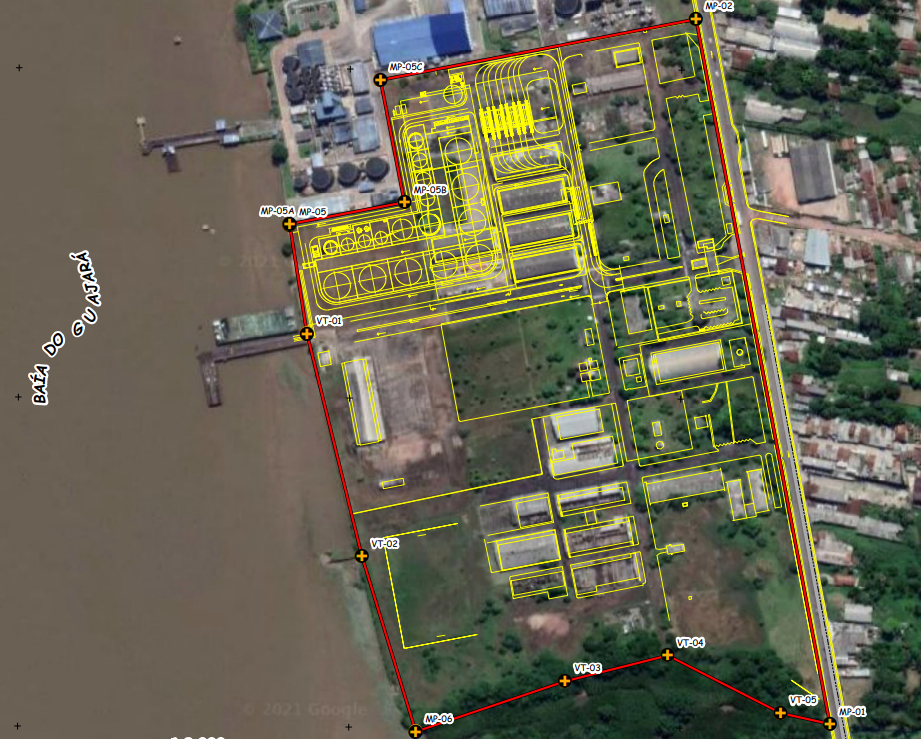
A Atem Distribuidora Is Now Seeking to Expand Its Operations in the Port Sector. The Company Aims to Build a New Port Terminal for Handling Petroleum Derivatives and Requested the Necessary Documents for the Project from Antaq.
Recently, Atem Distribuidora submitted a request for the necessary documents for the construction and operation of a new port terminal to the National Agency for Waterway Transportation (Antaq). The company intends to make investments of R$ 201 million in the project, which is expected to be built in Belém, the capital of Pará, provided the distributor secures the necessary documents for it. The terminal will primarily focus on handling petroleum derivatives.
Atem Requests Necessary Documents for Construction and Operation of New Port Terminal for Fuel Handling in the State of Pará
The company Atem is now seeking to take new directions in the national fuel sector, focusing on handling petroleum derivatives through a major port terminal project located in Belém, in the state of Pará.
To this end, the company contacted Antaq, requesting the necessary documents for the authorization to build and operate a Private Use Terminal in the capital city of Pará, Belém.
-
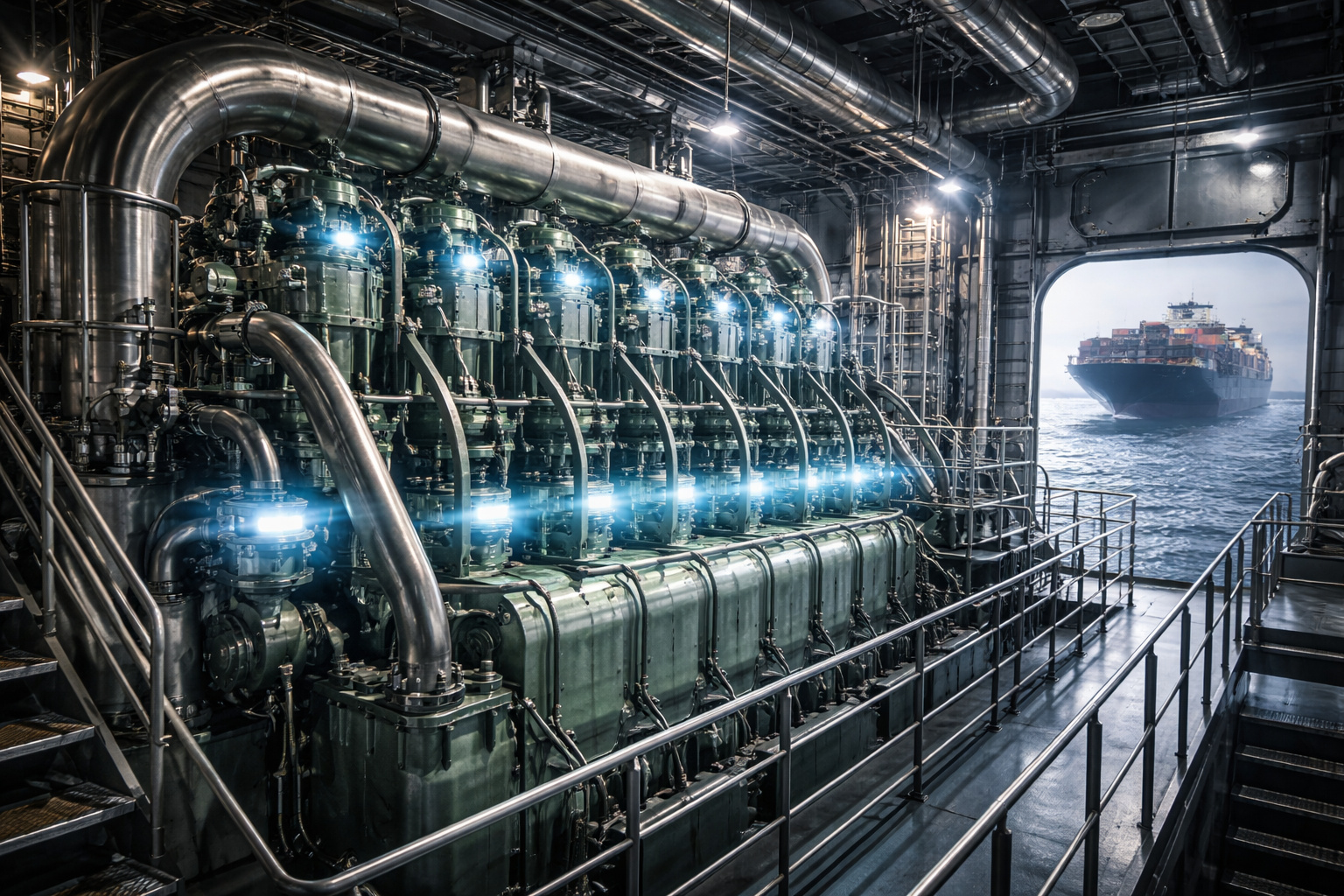
Europe is trying to create an ammonia-powered marine engine without auxiliary fuel, which could unlock the race for giant emission-free ships. The technology aims to eliminate one of the biggest obstacles to clean maritime propulsion.
-
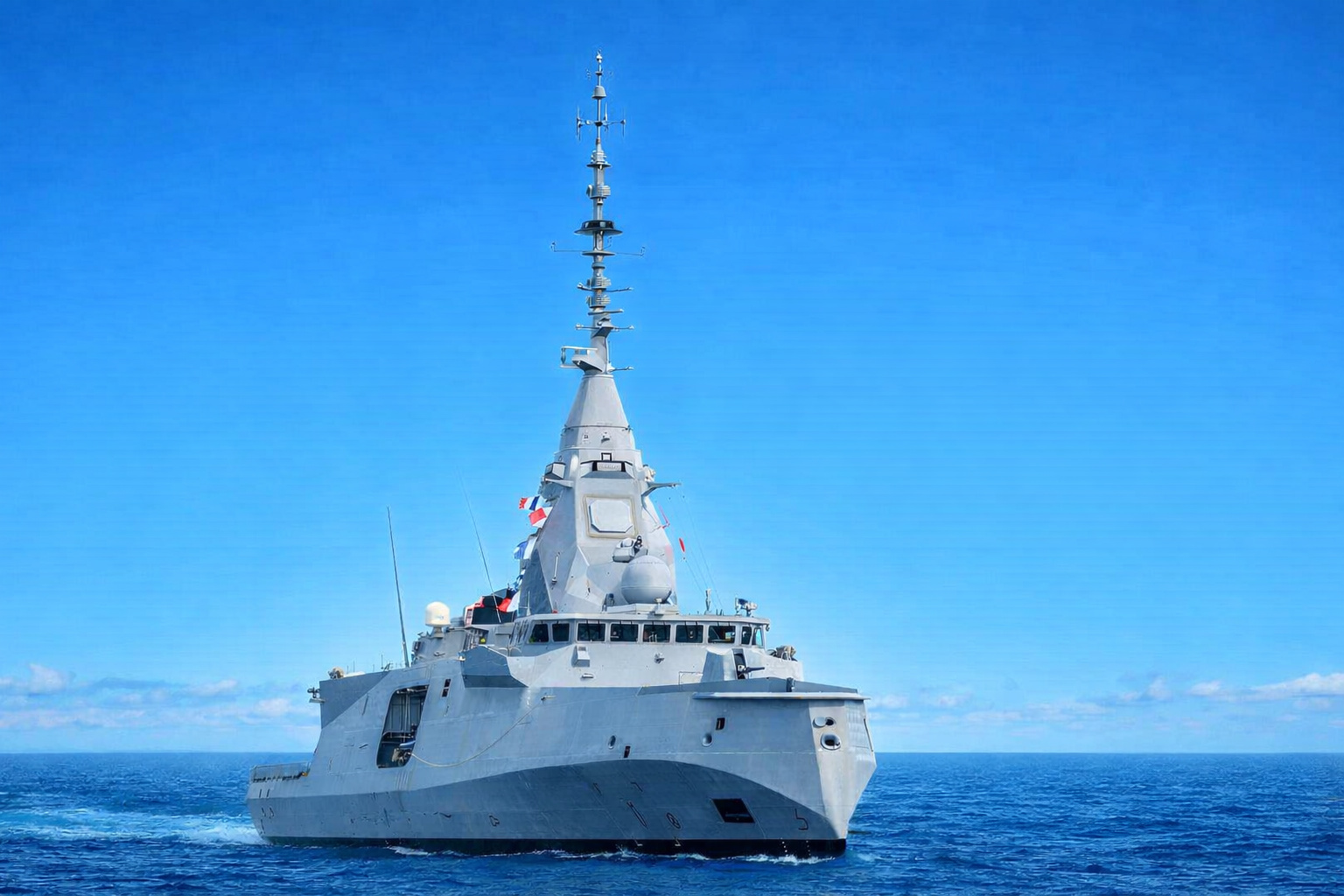
A 4,500-ton frigate with just over 100 crew members, state-of-the-art radar, and cruise missiles is being touted as the new standard of naval warfare in the 21st century.
-
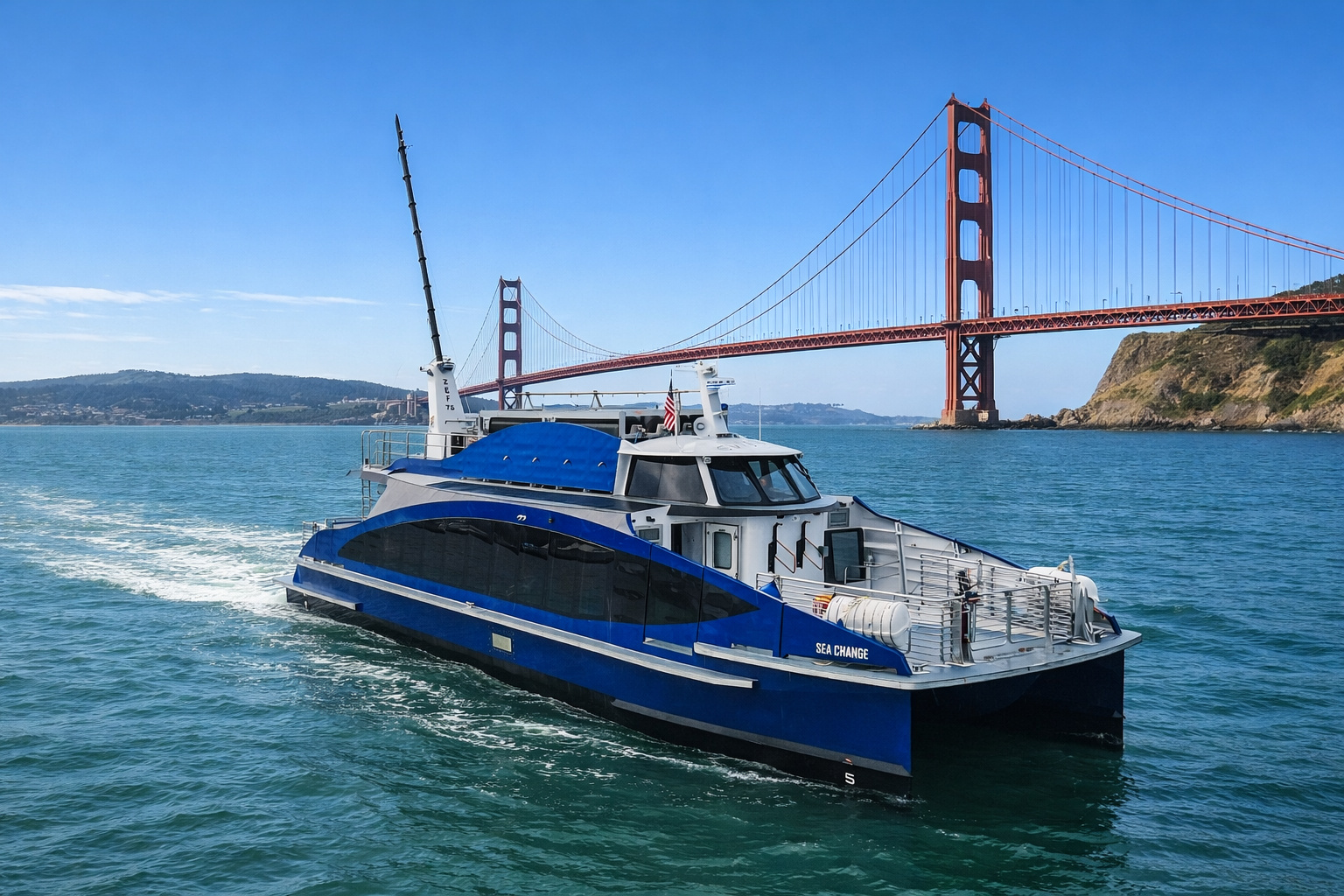
The first commercial hydrogen-powered ferry enters operation in the U.S., eliminates the use of diesel, uses fuel cells to generate clean energy on board, and transforms San Francisco Bay into a landmark of the new era of emission-free navigation.
-
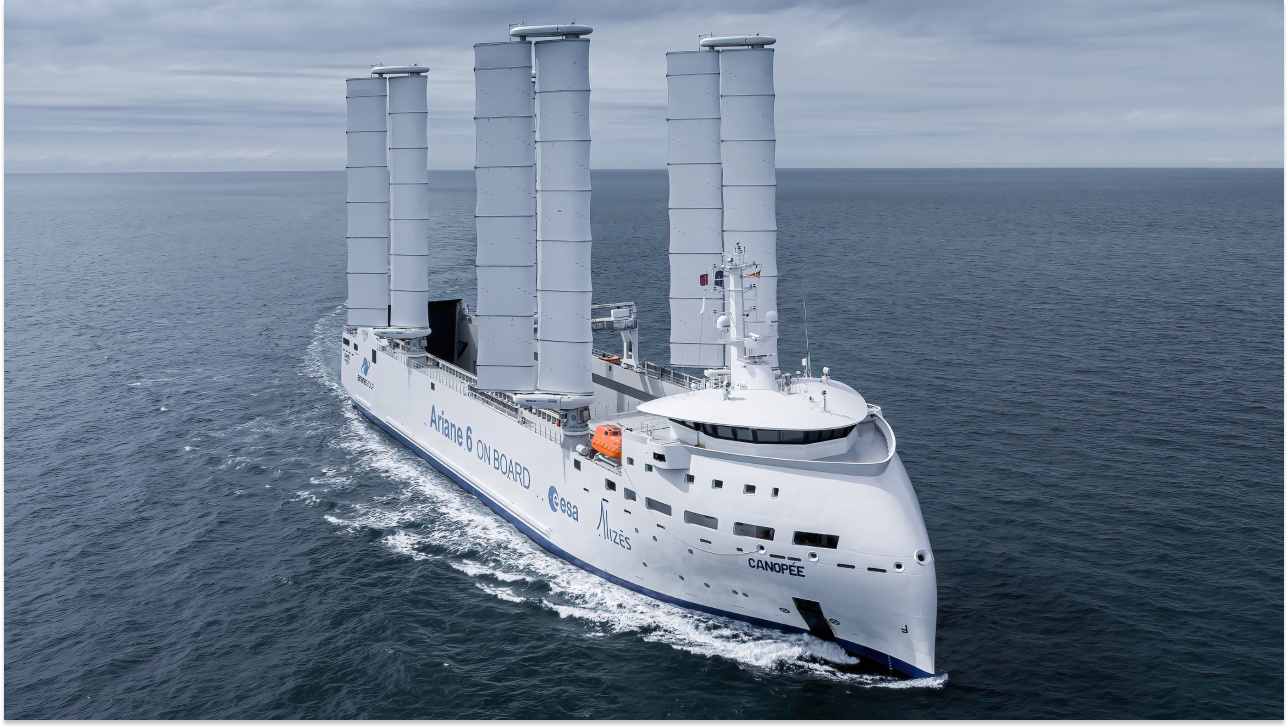
With a length of 121 meters and four rigid sails of 36 meters that automatically rotate to capture the wind, Canopée is the world’s first hybrid industrial cargo ship powered by wind, used to transport rockets and reduce fuel consumption by up to 30% on transoceanic routes.

The focus of the distributor’s new terminal will be the handling of petroleum derivatives, including: diesel S10, diesel S500, marine diesel oil, gasoline A, anhydrous alcohol, hydrated alcohol, biodiesel B.100, bunker.
The company intends to invest R$ 201 million in the construction of the new port terminal, aiming to expand its presence in the product handling market.
Atem is one of the largest fuel distributors in Brazil and intends to leverage its expertise of over 20 years in the market to become a reference in handling petroleum derivatives with its new port terminal.
Now, the company awaits a response from Antaq regarding the feasibility of a potential project for the construction and installation of a new port terminal for fuel handling in the state of Pará.
Learn More About Atem Distribuidora
In 2000, Atem Distributor was established, initially operating with a rented storage space at the BR Distribuidora terminal.
The fuel was purchased from the refinery, pumped into the rented tanks, and then distributed. With hard work and perseverance, the business grew and expanded.
In 2007, Atem Distributor opened its own base, which is still operational today.
After 21 years since its founding, the company is present in 11 states across Brazil and operates fuel transportation both by land and by river.
The ATEM brand was designed based on the concept of distribution, representing the process: origin, path, and destination. Moreover, Atem is a company with an Amazonian DNA whose mission is to develop businesses that are sustainable, effective, and reliable, exceeding the expectations of all stakeholders.
Learn More About Antaq
Under the Ministry of Transport, Ports and Civil Aviation (MTPAC), the National Agency for Waterway Transportation (Antaq) is part of the indirect federal administration. As such, it has a special regime, meaning it has legal personality under public law, is administratively independent, has financial and functional autonomy, as well as directors with fixed terms.
The agency operates under the command of the Navy (associated with the Ministry of Defense): it is under this guidance that it engages in matters of the Merchant Marine, being directly linked to national defense and navigation security.







Seja o primeiro a reagir!