





 English
  Francês
  Alemão
  Italiano
  Japonês
  Norueguês
  Portuguese
  Spanish
  2 min of reading



Technology-Linked Areas Will Generate More Job Openings, Shows Survey from the Job Map 2019-2023 Released by SENAI
The opening of new job positions in professions that have technology as the main product has not only increased but will also require the training of 10.5 million workers, professional qualification, and improvement in industrial jobs at higher and technical levels over the next five years.
The research was conducted by the National Service for Industrial Training (Senai) and released this Monday, August 12. Speaking of industry, check out the 800 job openings available for work on ArcelorMittal’s projects announced today.
-
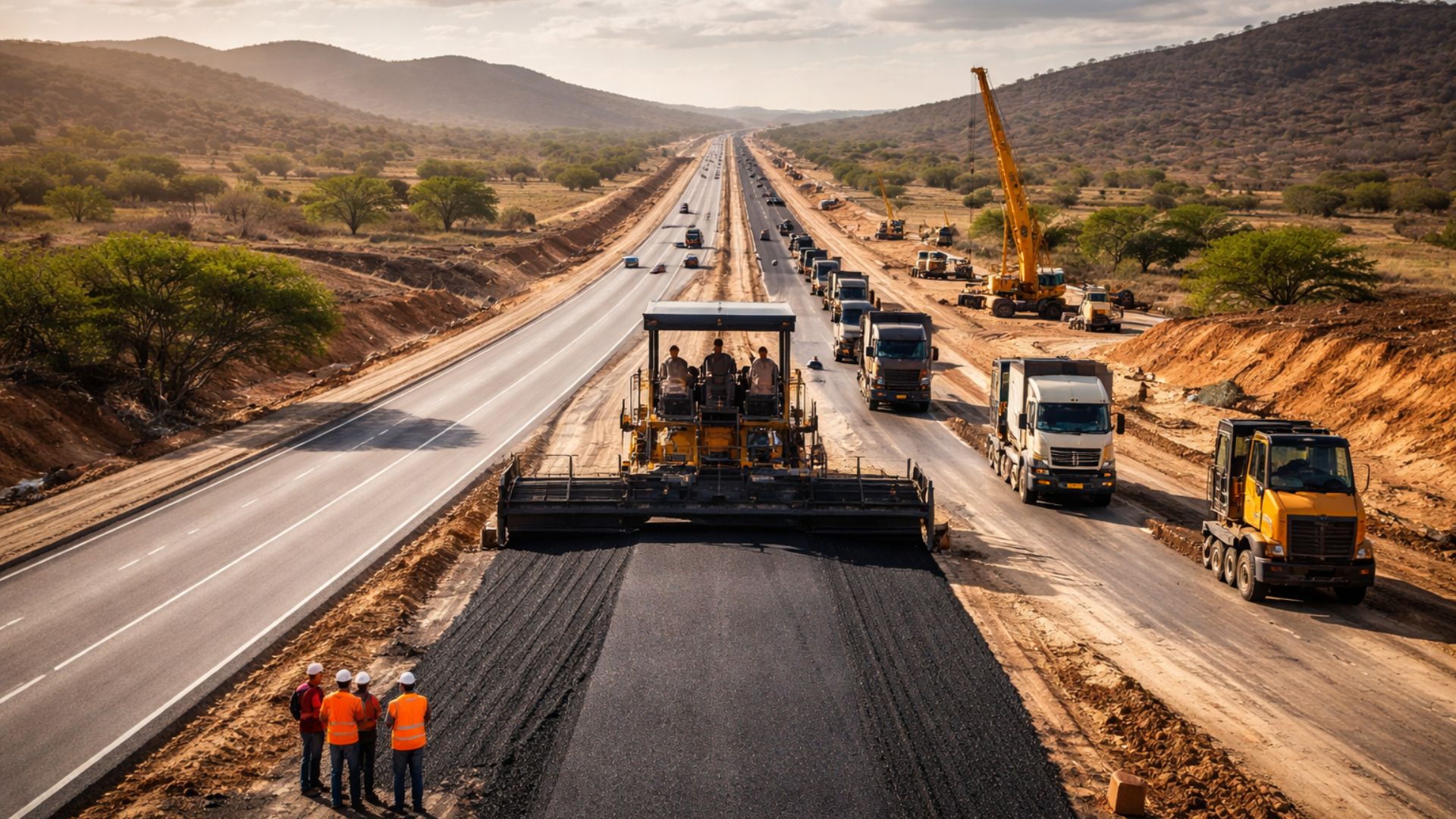
Government unlocks R$ 554 million for a highway that has been requested for decades and accelerates the duplication of BR.
-
Without bricks, without cement, and without endless construction: the cardboard house that is assembled in modules and can be moved.

-
Billions of barrels on the equatorial margin could lead Amapá to double its oil production in Brazil — the state aims to enter the route of companies in the Campos Basin, attract investments, and boost jobs and businesses in the oil and gas sector.

-
Without bricks, without cement, and without endless construction: the cardboard house that is assembled in modules and can be moved.

The 7 Areas That Will Demand Professional Training the Most:
1. Metalworking (1.6 million openings)
2. Construction (1.3 million)
3. Logistics and transportation (1.2 million)
4. Food industry (754 thousand)
5. Information technology (528 thousand)
6. Electronics (405 thousand)
7. Energy and telecommunications (359 thousand)
The 5 Professions That Are Expected to Create the Most Job Openings:
1. Robotic Process Operators (22% increase in the number of openings)
2. Engineering and technology researchers (17.9% increase)
3. Control and automation engineers, mechatronics engineers, and related fields (14.2% increase)
4. IT services directors (13.8% increase)
5. CNC machine operators (13.6% increase)
However, the top of the ranking by area is expected to be led by occupations whose professionals are qualified to work in any segment, such as researchers and developers, production control technicians, and industrial designers. In this segment, Senai estimates the creation of 1.7 million job openings over the next five years.
Production control technicians; planning and production control technicians; electronics technicians; electrical and electrotechnical technicians; and computer operation and monitoring technicians are among the 20 occupations that will require the most training between 2019 and 2023.
The forecasted demand for qualification includes the improvement of workers who are already employed and, to a lesser extent (22%), those who need training to enter the job market. This initial training includes replacing existing vacancies that become available due to retirement, among other reasons.
The Map also indicates that professionals with technical training will have more opportunities in the logistics and transportation field, which will require the training of 495,161 workers.
The metalworking sector will need to qualify 217,703 people. According to specialists responsible for drafting the study, the logistics field stands out, among other factors, due to the need to increase productivity through the improvement of logistics processes.
The Industrial Job Map is developed based on scenarios about the behavior of the Brazilian economy and its sectors, projecting the impact on the labor market and estimating the demand for professional training based on industrial needs (initial and ongoing training), and serves as a parameter for the planning of course offerings by Senai.
2,000 job openings will be created with the new installation of a cellulose industry








Seja o primeiro a reagir!