





 Portuguese
  English
  Spanish
  3 min of reading
  0 comments


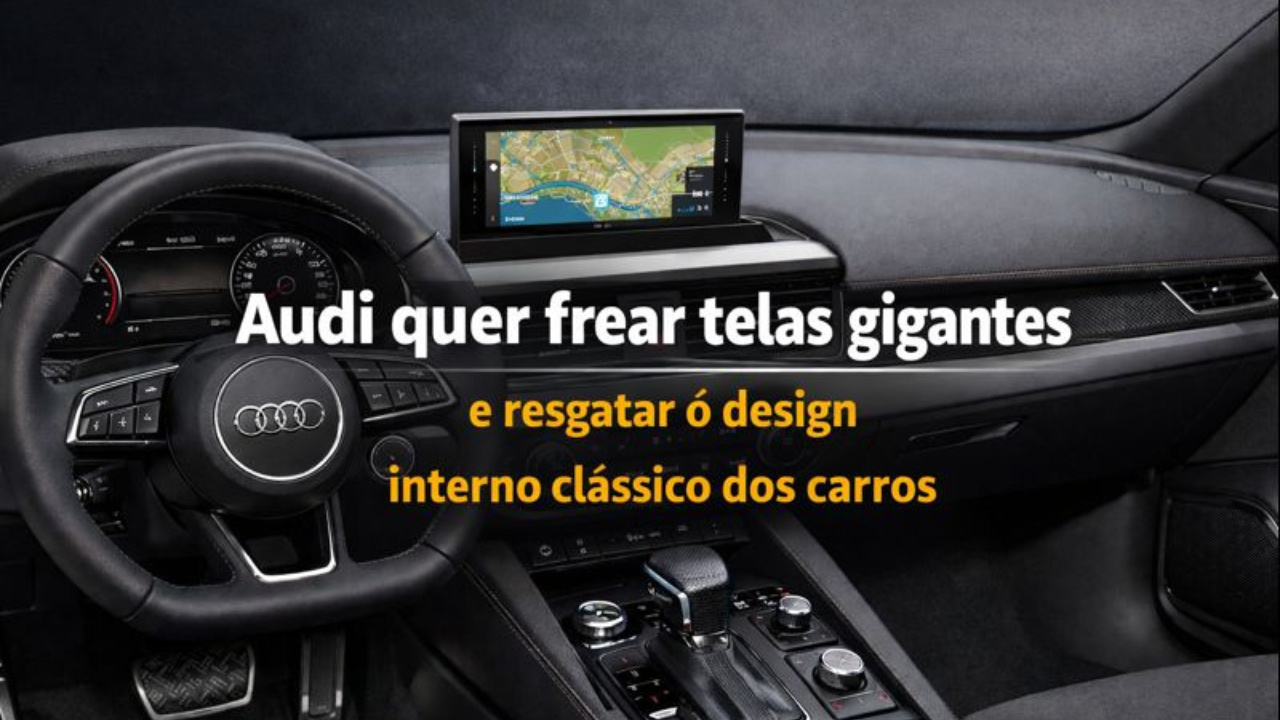
Audi Signals Change in Interior Design and Wants to Reduce Large Screens in Cars, Focusing on Physical Controls and Inspiration from the Audi Concept C.
The debate about automotive design trends has gained a new chapter with the stance taken by Massimo Frascella.
According to the executive, the excess of touchscreens does not necessarily represent an evolution in comfort or the driver’s experience.
On the contrary, it can compromise the perception of sophistication and the intuitive interaction with the vehicle.
-
A French brand placed a car on four huge red balloons to prove that its suspension made the vehicle “float,” and the surreal scene became one of the most iconic and unusual images in automotive history.

-
Jeep Avenger begins production in Brazil, debuting as the brand’s new entry-level SUV and inaugurating an unprecedented phase by becoming the first national Jeep manufactured outside of Goiana, as part of a R$ 3 billion plan.
-
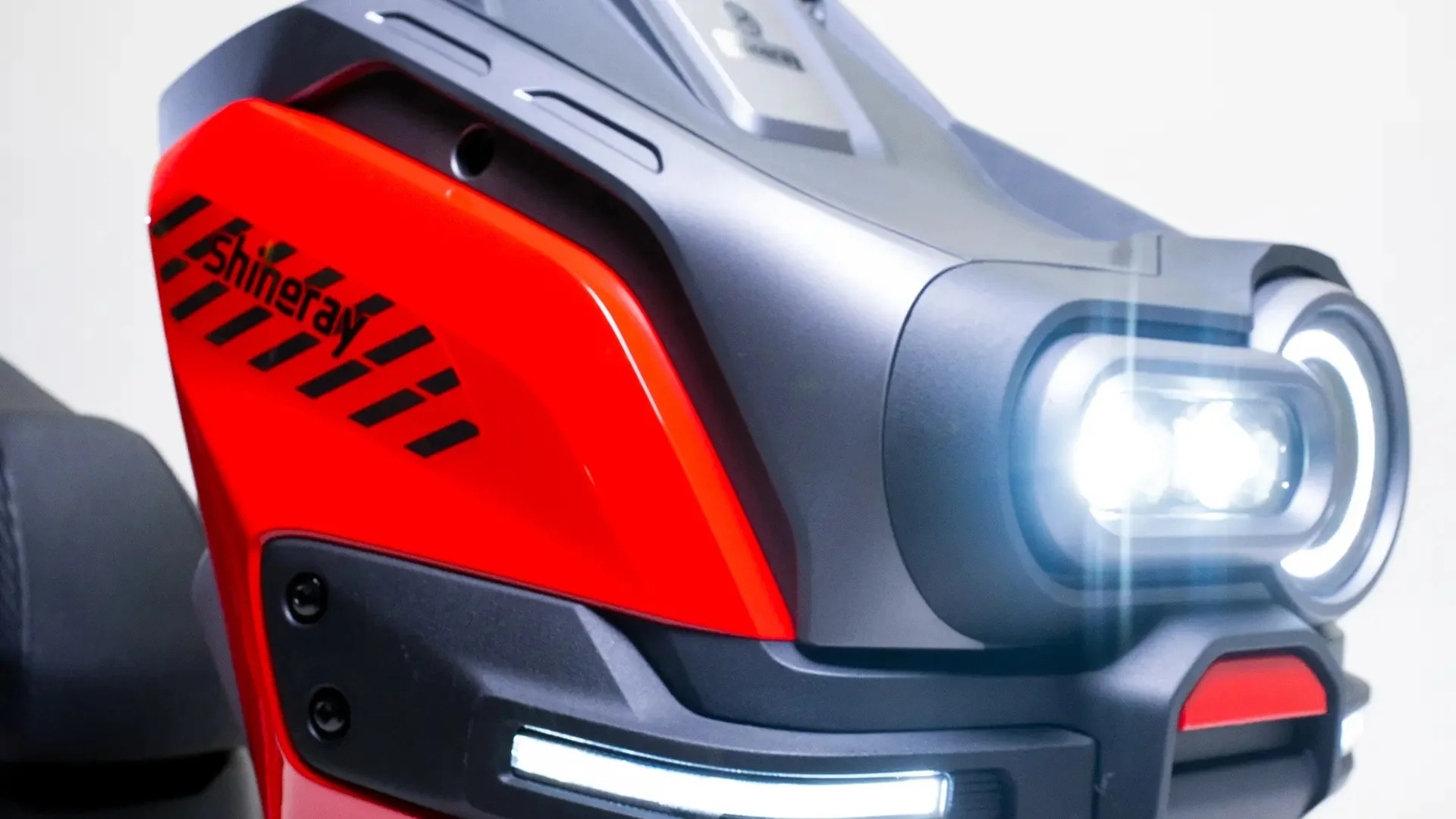
Costing R$ 12,490, the new Shineray Urban Lite 150 “cheap one” arrives in Brazil with a CVT transmission, digital dashboard, and LED lights, making it more affordable than the Biz and targeting those who want to abandon the bus.
-
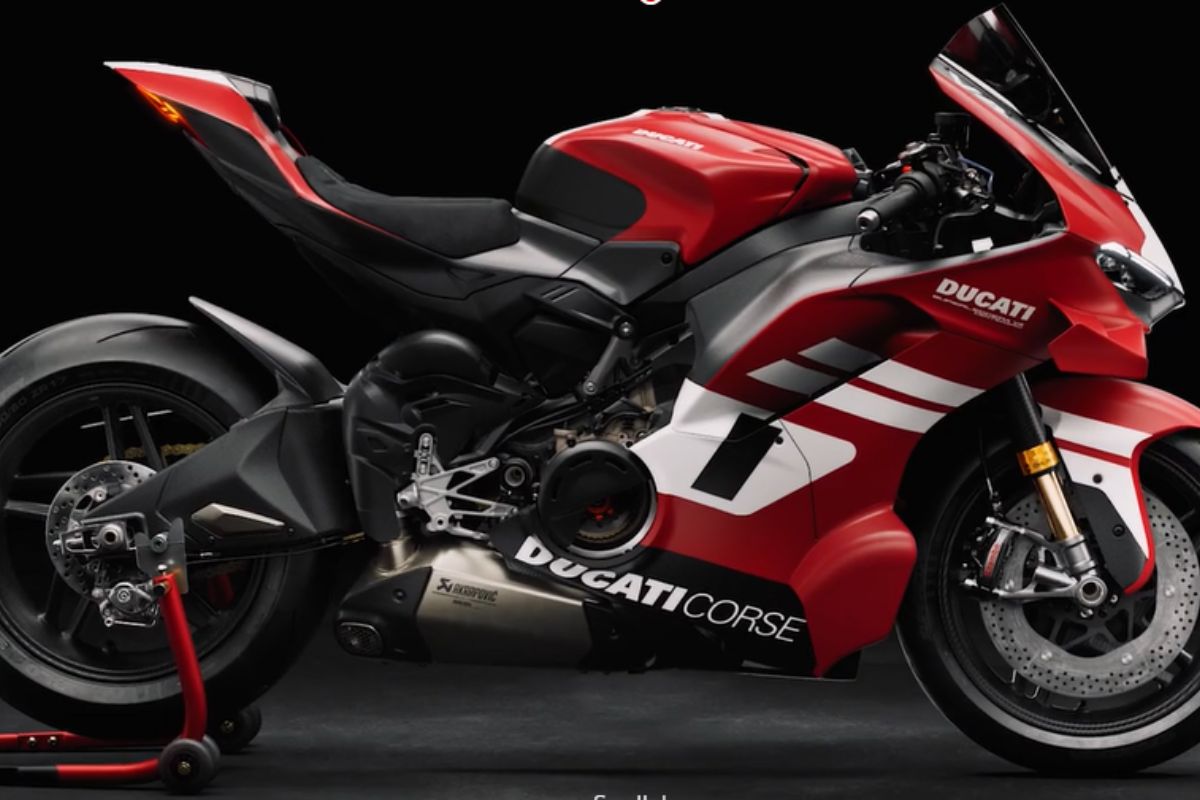
Ducati brings to Brazil the Superleggera V4 Centenario: 228 hp that become 247 with a track kit, carbon fiber and carbon-ceramic brakes, estimated price between R$ 1.5 and 2 million, deliveries only in 2027.

The designer’s vision is clear: technology should only be present when it makes sense.
Thus, the Audi interior design prioritizes materials, finishes, and tactile controls over shiny surfaces dominated by digital displays.
Audi Concept C as an Aesthetic Reference
The Audi Concept C emerges as the main manifesto of this new philosophy.
The prototype breaks with the current industry standard by adopting a retractable multimedia center of just 10.4 inches, along with physical controls on the console and steering wheel.
This more subtle approach reinforces the idea that technology can be integrated elegantly without visually occupying the entire dashboard.
Additionally, the use of analog buttons facilitates operation while driving, reducing distractions.
The Value of “Tactility” in the Interior of Cars
With previous experience at the Jaguar Land Rover group, Frascella argues that “tactility” is an essential part of the premium identity.
For him, the click of a metal button conveys precision, robustness, and quality—sensations that flat screens cannot reproduce.
This defense of physical controls goes against what is seen in many recent launches.
Nevertheless, the designer understands that consumers are starting to perceive the limits of large screens in cars, especially when they affect ergonomics and safety.
Contrast with Recent Audi Launches
The new direction proposed directly contrasts with the current models of the brand, such as the Audi A6 e-tron and the Audi S6 e-tron.
In these versions, the total screen area exceeds 90 centimeters in width, creating a visually dominant dashboard.
In Frascella’s assessment, the excessive use of shiny plastics around these displays compromises the overall perception of the interior.
Therefore, the repositioning of the Audi internal design seeks to restore prominence to materials and functional layout.
Transforming Automotive Design Trends
The Audi movement reflects a broader change in automotive design trends.
After years of racing for ever-larger screens, some brands are beginning to reassess this strategy, balancing digitalization and usability.
In this context, the decision to curb large screens in cars does not mean abandoning technology.
On the contrary: it is about using it more judiciously, enhancing the user experience rather than replacing it with interfaces solely reliant on touch.
Change Will Be Gradual and Without Immediate Impact
Despite the firm rhetoric, Audi makes it clear that the transformation will be progressive.
Models already in production will not undergo changes, and the new philosophy should only appear in future projects.
Thus, the Audi Concept C serves as an indicator of direction, not as an immediate promise.
The expectation is that, over the coming years, the Audi interior design will begin to reflect this balance between technological innovation, physical controls, and consolidated visual identity.
See more at: Audi Wants to End Very Large Screens in Interiors of the Brand’s Models – Canaltech










Seja o primeiro a reagir!