





 English
  Francês
  Alemão
  Italiano
  Japonês
  Norueguês
  Portuguese
  Spanish
  3 min of reading


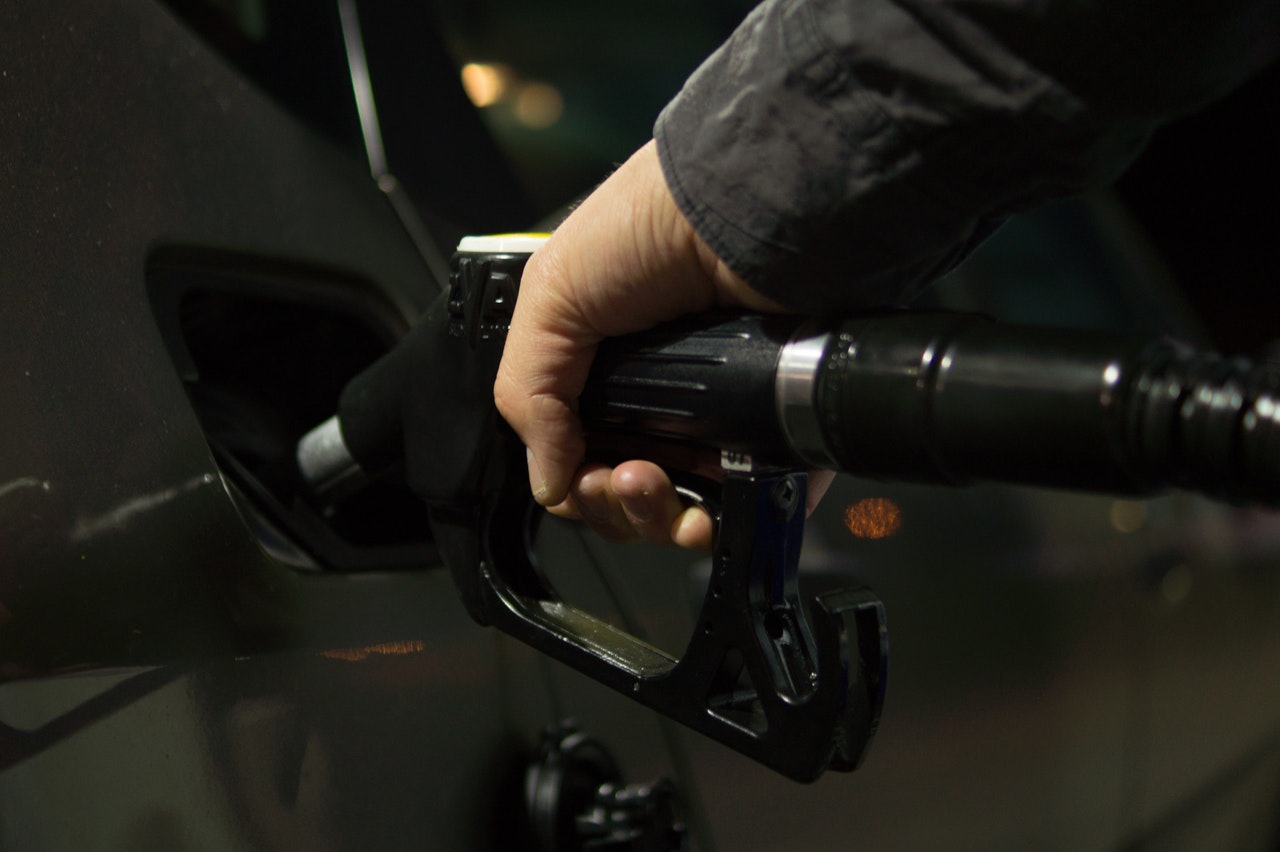
High Oil Prices Increase Inflation And Cause, Along With The Freezing Of The Minimum Wage, The Worst Purchasing Power Of Fuels For Brazilians In 10 Years
A study conducted by the Intersindical Department of Statistics and Socioeconomic Studies (Dieese, a subsection of the Unified Federation of Oil Workers) indicated that, due to the stagnation of the Brazilian minimum wage and inflation caused by the rise in oil prices in international trade, the purchasing power of citizens in Brazil regarding the fuel sector is the lowest in the last ten years.
Ten years ago, a minimum wage would allow the purchase of 16 gas cylinders of 13 kilograms. In the current scenario, due to the drop in purchasing power, a minimum wage is only enough to acquire 11 cylinders. Nowadays, a minimum wage allows the purchase of about 167 liters of gasoline, while in 2012 it was possible to buy up to 227 liters. Regarding diesel oil, the current volume obtained is 180 liters, much lower than the 300 liters that would have been obtained ten years ago, according to Dieese/Fup’s assessment.
Dieese Economist Blames Rising Inflation And Freezing Of Minimum Wage For Unfavorable Scenario Regarding Fuel Purchases
In this regard, Dieese/Fup economist Cloviomar Cararine highlighted that the stagnation of the minimum wage, which has not seen significant increases for the third consecutive year, is compounded by a scenario of rising inflation and fuel prices, considerably affecting family budgets.
-
Petrobras finds high-quality oil in the pre-salt at 113 km from RJ and reignites expectations about strategic reserves in the Campos Basin.
-
Chinese giant worth nearly R$ 4 billion that manufactures cables for electric cars, solar energy, and robotics wants to open a factory in SC.
-
Many employers do not know, but the law guarantees domestic workers a 25% increase in salary during trips, 50% for overtime, 20% for night shifts, and 17 additional benefits that can lead to labor lawsuits if not paid.

-
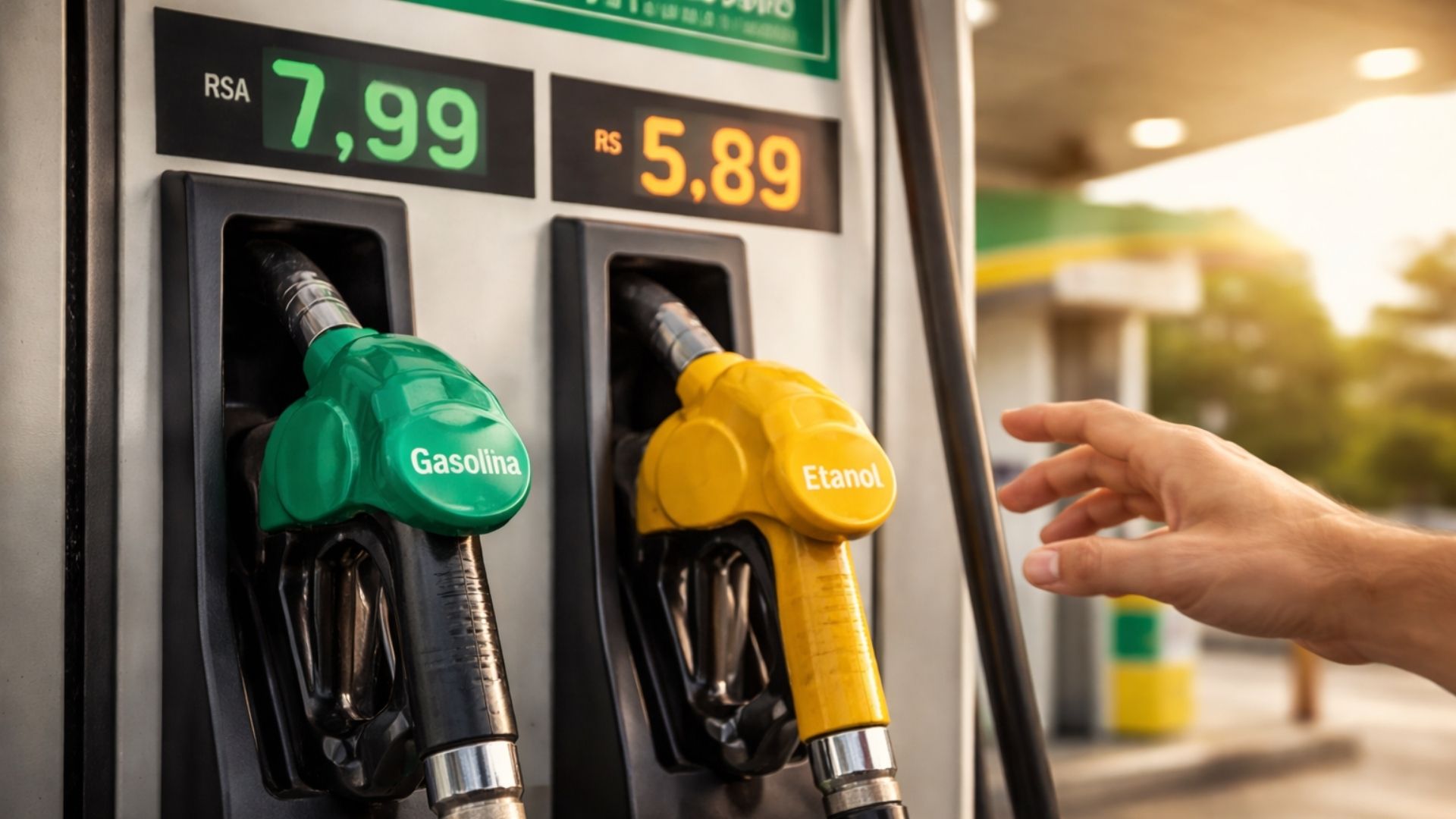
Gasoline prices soar and the question arises: is ethanol more advantageous? The 70% rule reveals the limit with gasoline.
The Brazilian Institute of Geography and Statistics (IBGE) made public, this Wednesday (27), the National Consumer Price Index 15 (IPCA-15), which indicated gasoline as the main factor for the increase in inflation – from 0.95% in March to 1.73% in April.
The general coordinator of the Unified Federation of Oil Workers, Deyvid Bacelar, associated the high inflation scenario with the pricing policy of import parity established by Petrobras in October 2016. According to Bacelar, this policy was responsible for fuel price adjustments based on international oil prices, import costs of derivatives, and exchange rate variations, even though Brazil is self-sufficient in fuel.
Bacelar Also Emphasized That Fuel Prices Increased Disproportionately Compared To Wage Variations
Furthermore, he also points out that from October 2016 to March 2022, gasoline saw increases of 157.3%; diesel of 157.6%; and kitchen gas of 349.3%, according to a study of Petrobras data carried out by Dieese/Fup. Meanwhile, the minimum wage only increased by 37.7%.
Bacelar assesses this situation as a result of a growing impoverishment policy of the Brazilian population carried out by the Federal Government.
A comparative study of the purchasing power of fuels in various countries around the world, conducted by Dieese/Fup, indicated that Brazilian citizens must forfeit 21% of the minimum wage to obtain 35 liters of gasoline, which is one of the highest percentages among the analyzed countries.
This study highlights Brazil as the fourth worst country in a ranking of 40 evaluated based on the purchasing power of fuels relative to their respective minimum wages, despite the country being an important international producer of oil and derivatives. In the ranking, it is only behind Venezuela, Ukraine, and South Africa.
Moreover, the analysis conducted by Dieese/Fup also shows that the installed refining capacity in Brazil has been stagnant at 2.369 million barrels per day since 2016, due to a lack of investment made in this area. The volume of derivative production has also been frozen at around 1.8 million barrels daily since 2017, which is lower than the average of 2 million barrels per day observed between 2010 and 2016.







Seja o primeiro a reagir!