





 Portuguese
  English
  Spanish
  3 min of reading
  1 comment




The New ICMS Rate on International Orders Below US$ 50 Will Increase from 17% to 20%, Impacting Millions of Brazilians. Purchases of R$ 100 with This Tax Can Cost Up to R$ 150, Further Pressuring Classes C, D, and E.
Recently, a new decision regarding the increase of ICMS on international purchases has caused a real stir among consumers and businesses. Starting in April 2025, the tax on orders below 50 dollars will rise from 17% to 20%. Does it seem small? For those who regularly buy imported products, the impact will be felt directly in their wallets.
Big names in e-commerce, such as Shein, AliExpress, and Amazon, are already preparing to face this scenario. But will consumers be able to absorb this increase?
Why Was the Tax Increase Implemented?
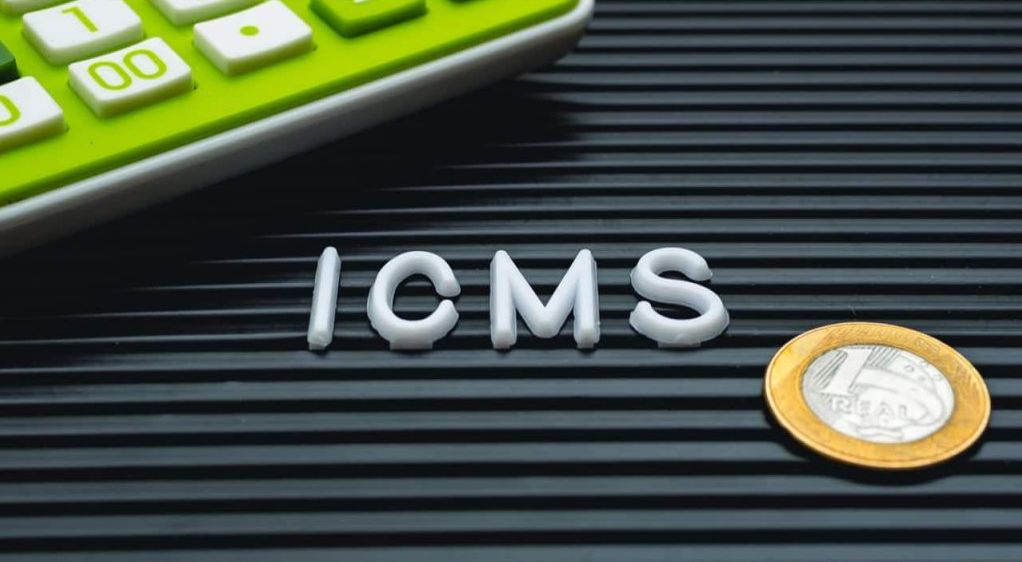
Brazilian states are facing a significant financial challenge and see the ICMS increase as a solution to boost revenue. States like São Paulo, Paraná, and Minas Gerais led this proposal, which aims to strengthen public coffers and cover fiscal deficits.
-
A new Brazilian shopping center worth R$ 400 million will be built in an area equivalent to more than 4 football fields, featuring 90 stores, 5 cinemas, a supermarket, a college, and parking for 1,700 cars, potentially generating 3,000 jobs.

-
Larger than entire cities in Brazil: BYD is building a 4.6 km² complex in Bahia with a capacity for 600,000 vehicles per year, but the discovery of 163 workers in conditions analogous to slavery has shaken the entire project.

-
With an investment of R$ 612 million, a capacity to process 1.2 million liters of milk per day, Piracanjuba inaugurates a mega cheese factory that increases national production, reduces dependence on imports, and repositions Brazil on the global dairy map.
-
Brazilian city gains industrial hub for 85 companies that is equivalent to 55 football fields.


With rising costs in health, education, and public safety, state governments view the ICMS as a quick way to boost revenues. After all, the tax is one of the main sources of income for the states.
Another point is the pressure from the national market. Brazilian entrepreneurs have long complained about unfair competition with imported products, which arrive in the country at prices much lower than those practiced here. For them, the measure levels the playing field, but many argue that it could be even stricter.
How Does This Affect the Final Consumer?
Consumers, especially those with lower purchasing power, will be the most affected. The “tax on little blouses” is set to strain the budget of those who already rely on low prices to buy.
Imagine buying a product for R$ 100 abroad. Currently, you pay around R$ 144.50 with taxes and fees. With the new ICMS, the amount will rise to R$ 150. This difference, while seemingly small, weighs heavily on the budget of regular buyers.
Consumers from lower social classes, who make up the majority of customers on platforms like Shein and AliExpress, will have more limited access to imported products. The price increase reduces purchasing power and may force changes in consumption habits.
Reaction of Companies in the Sector
The major e-commerce platforms are already feeling the impact of the change. The tax increase raises concerns not only for consumers but also for businesses, which may lose a significant portion of their sales.
International companies argue that the increase primarily harms low-income consumers who rely on affordable products. There is a risk of a drop in sales since many buyers may choose domestic products or give up shopping altogether.
Meanwhile, stores like Renner and C&A are beginning to see new opportunities. With the rising costs of imported products, consumers may shift towards the domestic market, boosting national retail.
Opportunities for the Domestic Market
If on one hand the ICMS increase brings challenges for consumers, on the other, it opens doors for Brazilian brands to grow and reach new audiences.
Local companies can benefit, but need to invest in quality, competitive prices, and good service. This is the chance to strengthen “Made in Brazil” and build loyalty among customers who previously opted for imported products.
With higher prices in the international market, national companies have a golden opportunity to expand their market share. Promotions, effective marketing strategies, and innovation are crucial to attract consumers.
The ICMS increase on international purchases is a measure that divides opinions. While states seek to balance their finances, the consumer feels the weight in their wallets, especially those who depend on low prices to consume.









Como pode esses **** do povo acreditar que ao diminuir as compras internacionais o povo direcionará suas compras para o mercado interno? So na cabeça arrecadatoria desses ****.