





 Português
  Inglês
  Espanhol
  3 min de leitura


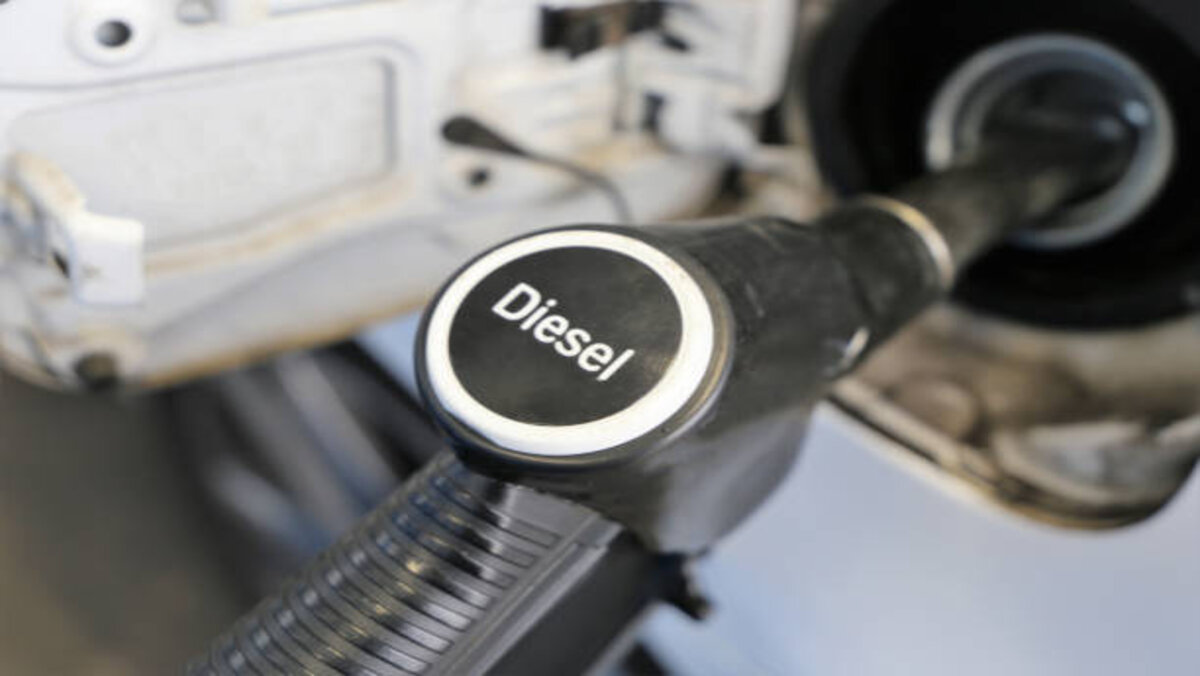
Setcemg’s Projections Indicate That the Diesel Price Increase Announced by Petrobras Will Lead to Higher Costs Across the Entire Cargo Transportation Logistics Chain, Causing a Major Impact on Both National and International Trade
With the average increase of 8.87% on the diesel price announced by Petrobras and starting last Tuesday (05/10), the Union of Cargo Transport and Logistics Companies of Minas Gerais (Setcemg) has made projections for the future market. Thus, the agency indicates that this adjustment will lead to increased transportation costs amid the new dynamics of the logistics chain within the segment.
Increase of R$ 0.45 in the Average Cost of Diesel Liters at Brazilian Gas Stations, Announced by Petrobras, Will Change the Cargo Transportation Logistics and Raise Operational Costs
Petrobras recently announced a series of changes and adjustments in fuel prices, with diesel experiencing an average increase of 8.87%, which represented a rise of R$ 0.45 per liter at national gas stations. Therefore, cargo transportation logistics companies will have to readjust after this decision, as there will be an increase in costs related to this fuel, as already anticipated by Setcemg.
This adjustment demonstrates yet another rise in fuel prices, with diesel already accumulating an increase of 47% this year at Petrobras refineries. Consequently, the entire cargo transportation logistics chain will be affected, as companies may not be able to absorb this price increase. This is because diesel is one of the most significant fuels in this segment, representing about 35% to 40% of cargo transportation companies’ costs, which poses a serious impact on the sector.
-
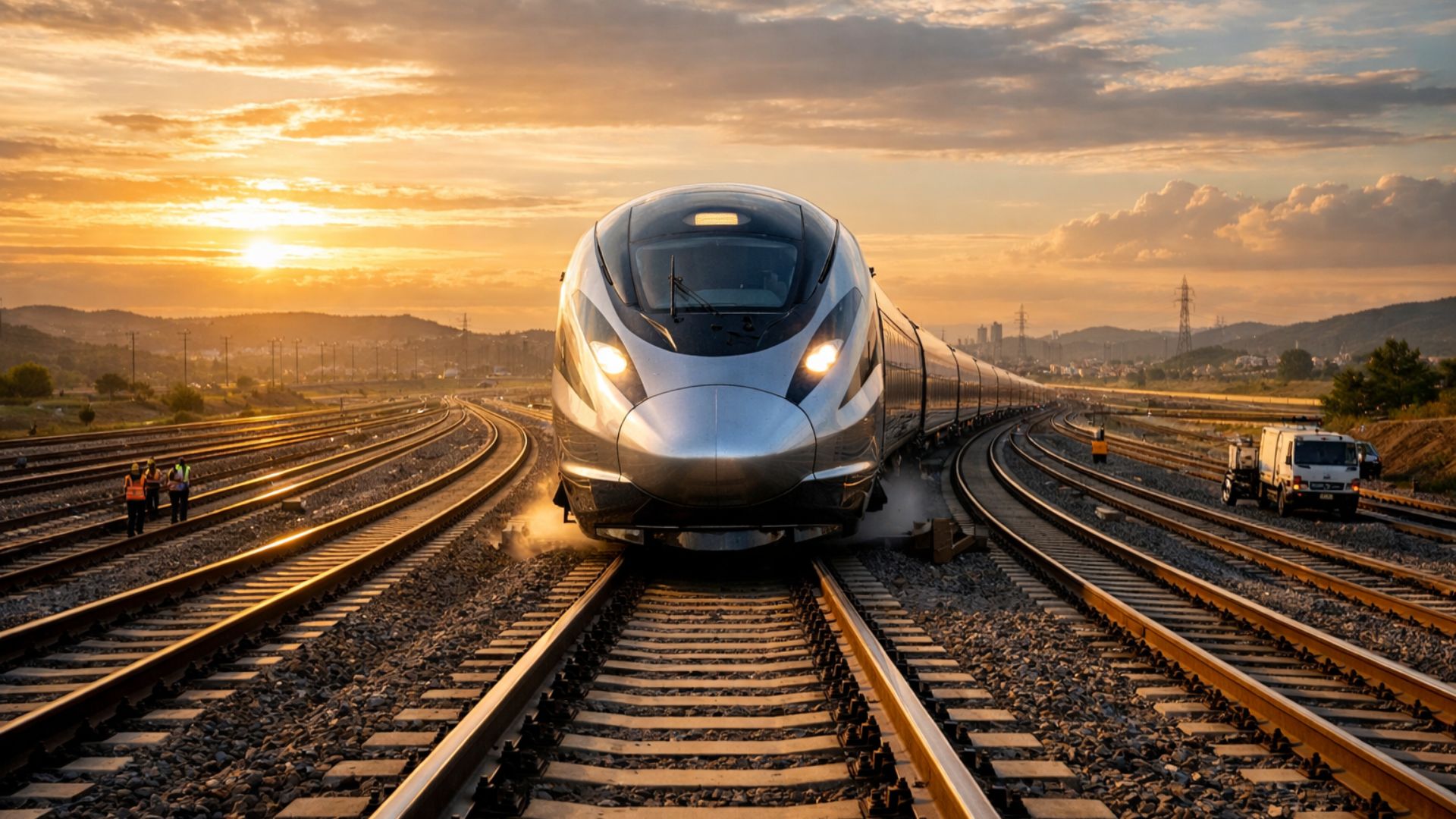
São Paulo surprises the world with a colossal railway network project that promises over 1,000 km of tracks, R$ 194 billion in investments, and 40 projects connecting the capital to the interior with fast and sustainable trains.
-
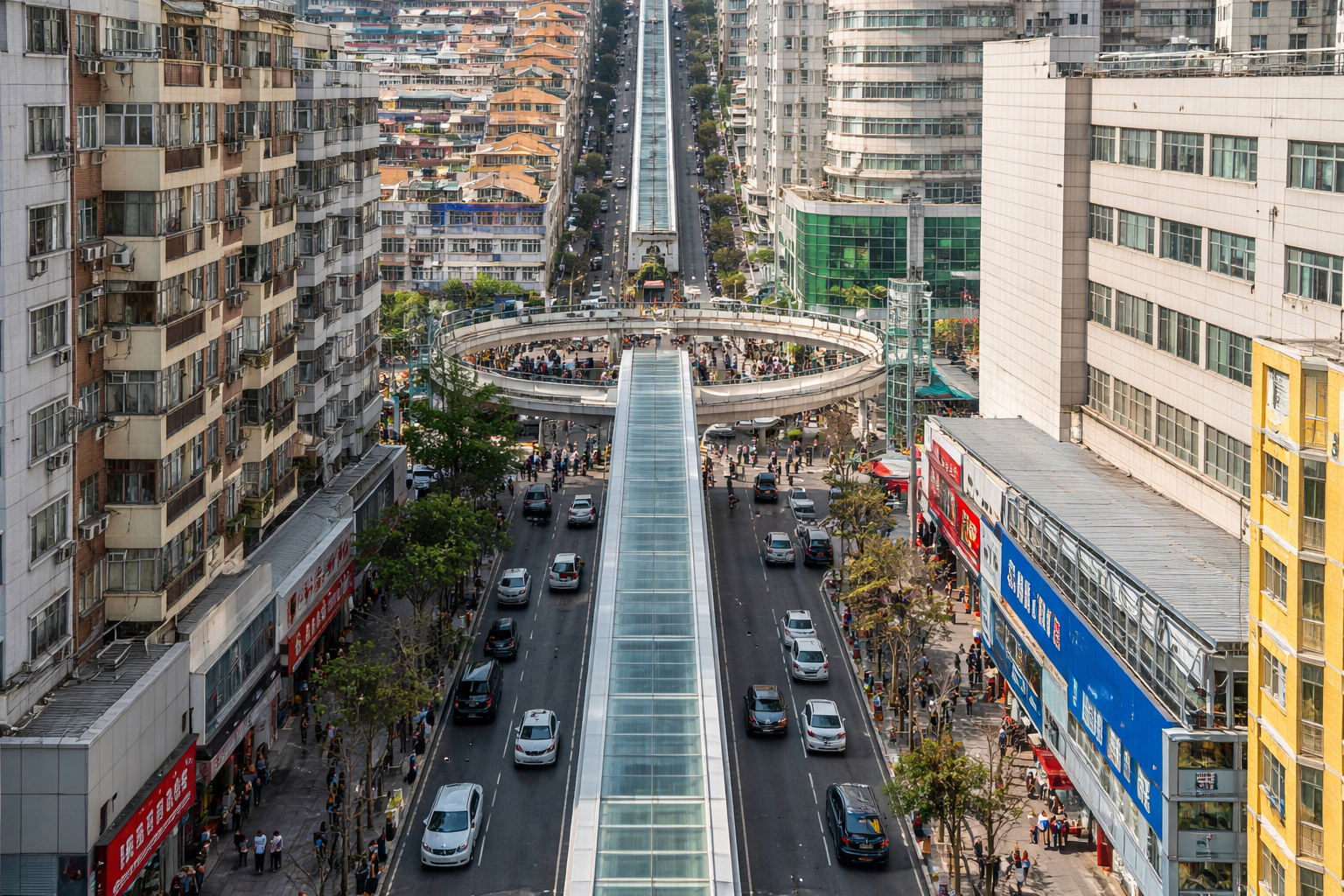
The world’s largest escalator, measuring 905 meters in China, reduces urban travel time from 1 hour to about 20 minutes and transforms mobility in mountainous regions with an engineering solution adapted to the terrain.
-
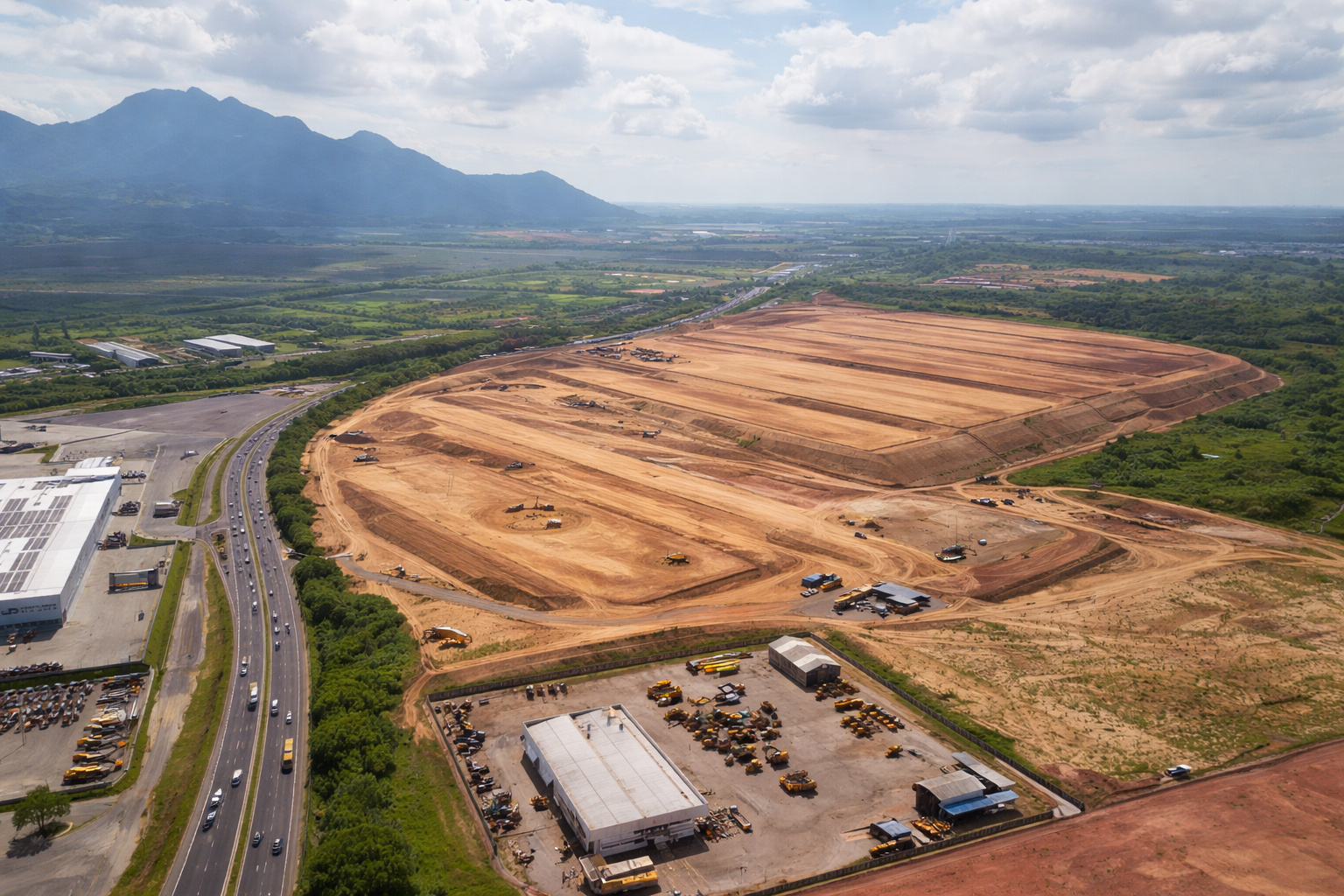
A R$ 300 million logistics giant is taking shape in Serra with over 100,000 m² and raises a question: how can this transform e-commerce and distribution in the state?
-
Could Uber Rides Lose Minimum Fare? Understand What’s Happening!


Thus, the logistics chain will be impacted as companies need to raise freight costs for goods to compensate for the average 8.87% increase in fuel costs. The president of Setcemg stated regarding this matter that “Cargo and logistics transport companies must pass on this increase. Unfortunately, we cannot hold certain costs that we do not have control over, such as diesel. This 8.87% increase will raise the price of fuel by R$ 0.44 to R$ 0.45.”
May Will Be Essential to Understand the New Dynamics Surrounding Pricing in Cargo Transportation Logistics After the Adjustment Made by Petrobras
The month of May is inherently a month of significant instability in the national market, marked by major changes in material and labor costs. With the diesel price adjustment made by Petrobras, the coming weeks will be crucial for the national market’s adaptation regarding pricing in cargo transportation logistics.
Setcemg also emphasized during its comments on the fuel price increase that not only the cargo transportation segment will be affected, but the entire freight logistics in Brazil. This means that public transport will also have to readjust their prices to cover the increases in diesel prices, further raising mobility costs for workers and Brazilian citizens over the coming months.
Finally, the union also highlighted the seriousness of the current moment, especially in May, stating that in decades of operation in this segment, they have never experienced such volatility and instability in fuel prices. What is now expected is that the Federal Government and Petrobras take measures regarding the current situation.









Seja o primeiro a reagir!