





 Portuguese
  English
  Spanish
 3 min of reading
  0 comments


Áurea Preserves Polish Culture, Maintains Immigration Traditions, and Stands Out in Cultural Tourism in Rio Grande do Sul.
Áurea, a small town in Rio Grande do Sul, has become one of the most unique cultural destinations in the country by officially recognizing Polish alongside Portuguese and preserving centuries-old traditions brought by immigration.
The municipality, where more than 90% of the residents have Polish origins, drives cultural tourism throughout the year.
The town maintains its own identity, reinforcing why it was awarded the title of National Capital of Polish Culture. This feature makes Áurea a point of interest for those seeking to understand how the history of immigrants shaped entire communities in Brazil.
-
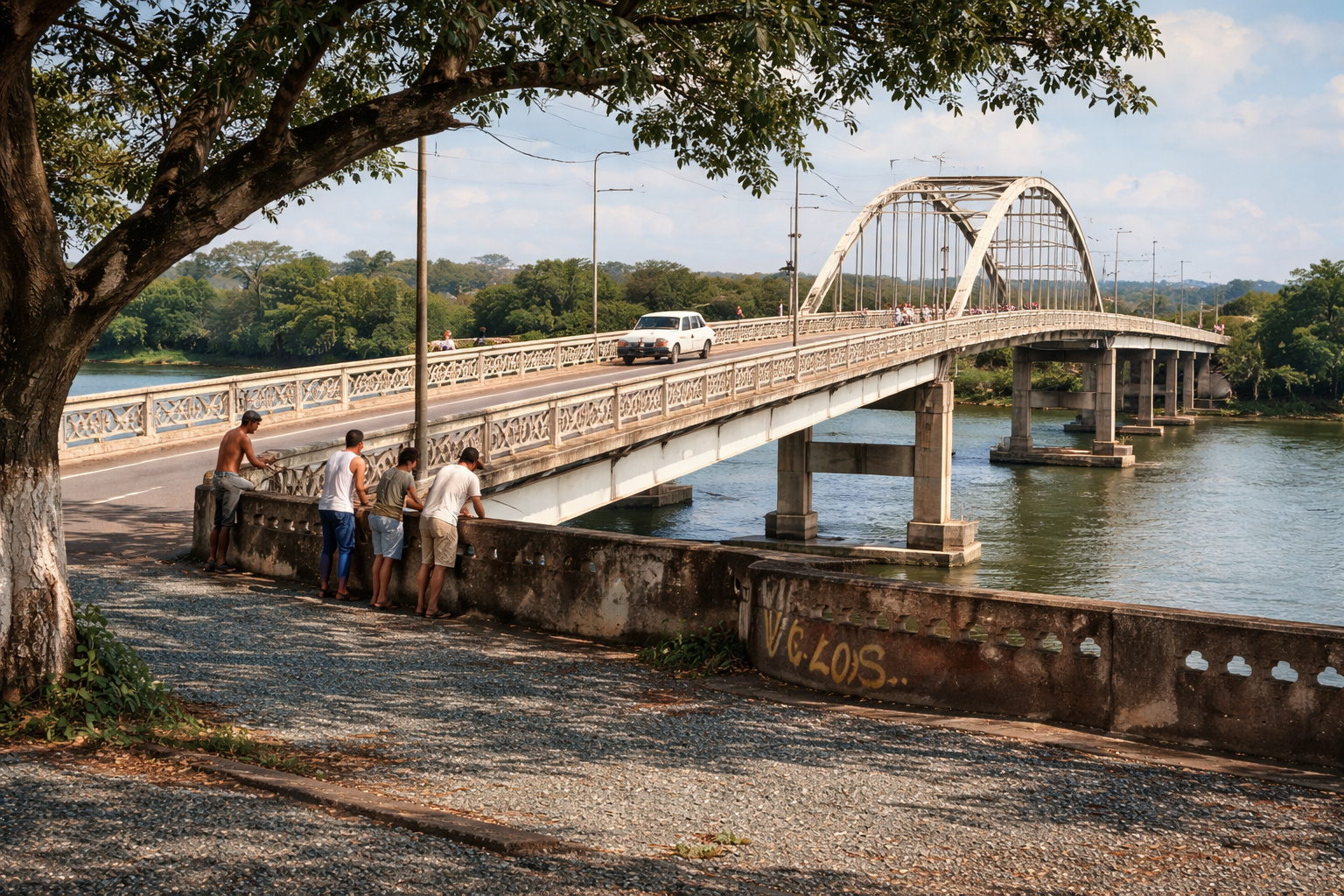
Families have been living for over 30 years under a bridge in Mato Grosso, revealing a housing deficit, irregular occupation in APP, and dependence on fishing as the main source of income.
-
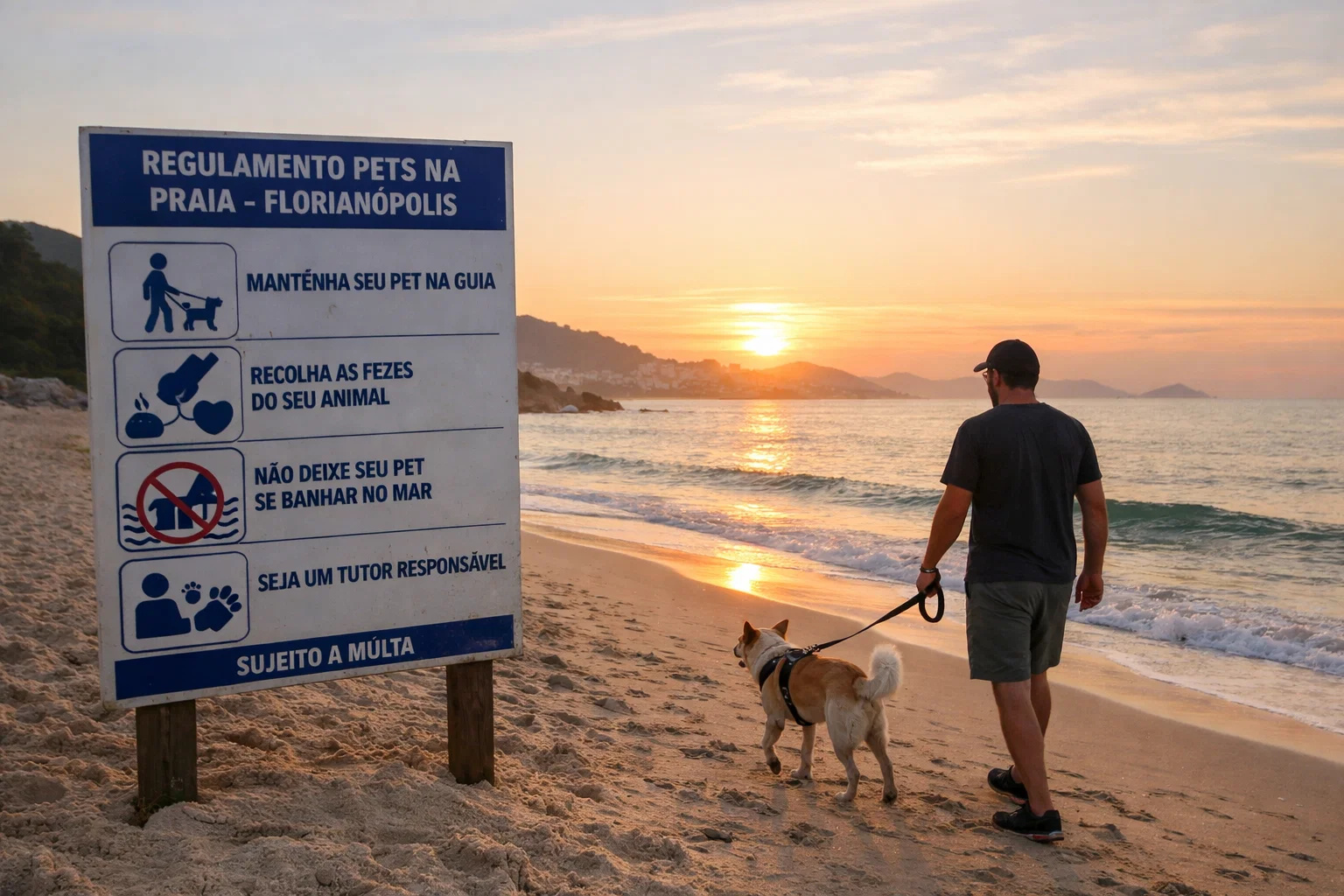
What Changed at Florianópolis Beaches? New Rule Surprises Pet Owners and Restricts Dogs on the Sand at Specific Times
-
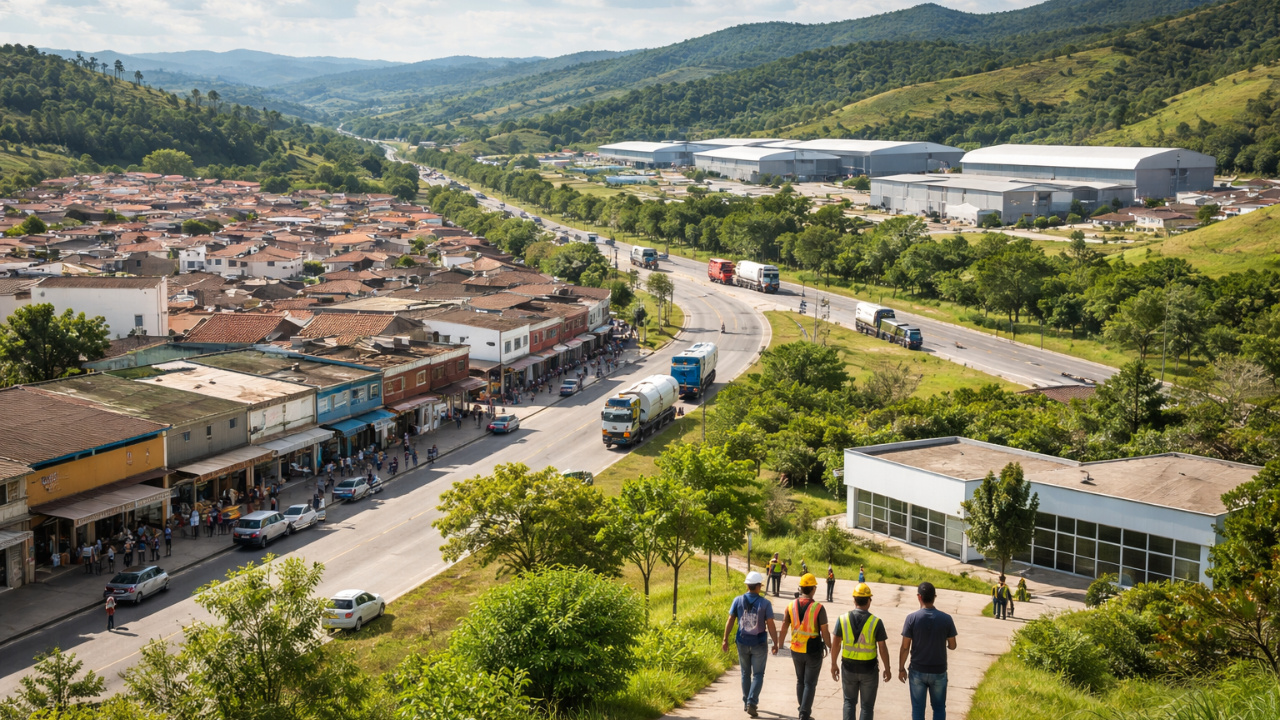
Economic Diversification Accelerates in Itatiaiuçu to Reduce Mining Dependence
-
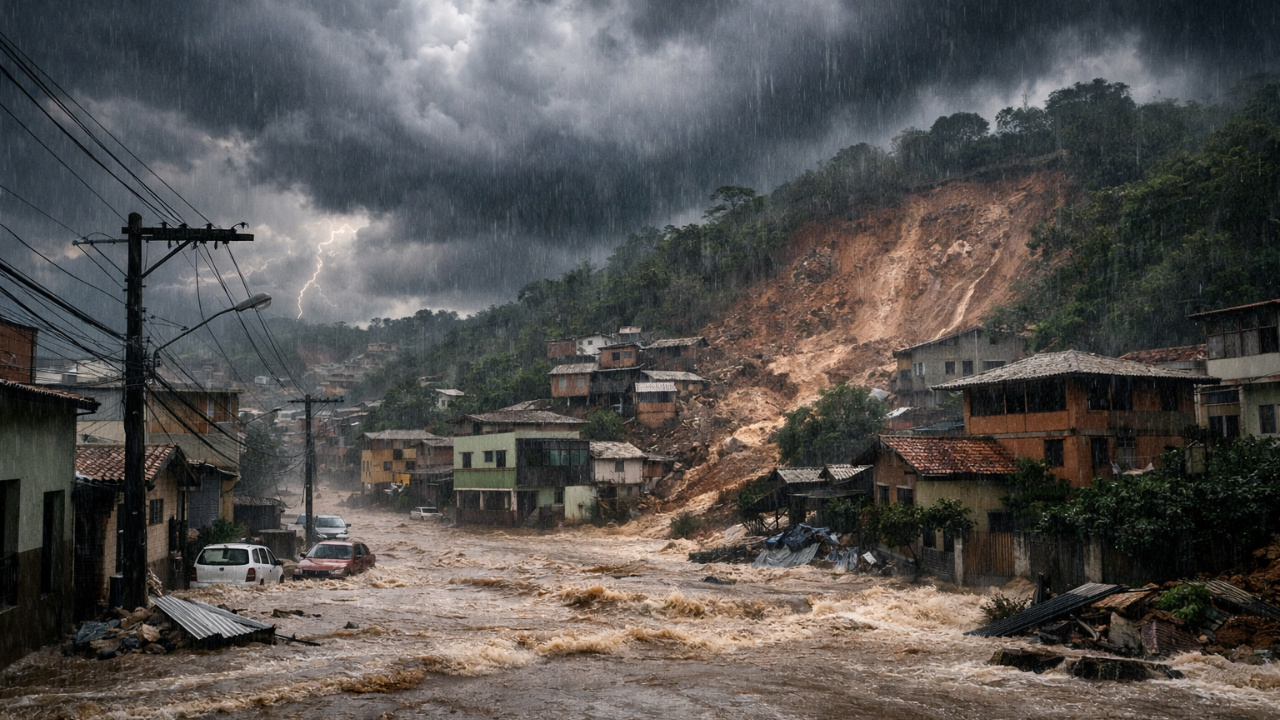
Extreme Rains: Cold Front, Supercell, and Atmospheric Trough Cause Tragedy in MG

With quiet streets and a welcoming landscape, Áurea captures attention for the way Polish Culture integrates into everyday life.
Thus, residents and visitors coexist with historical, architectural, and religious elements that recount the journey of their ancestors.
Museums, parks, and cultural spaces help preserve this collective memory, highlighting how immigration shaped the development of the municipality.
Áurea and the Strength of Polish Culture in the Interior of RS
The presence of Polish Culture appears in different aspects of local life. From the names of establishments to typical celebrations, everything refers back to the roots that span generations.
For this reason, the municipality has become an important center for researchers, tourists, and descendants who wish to keep the connection with the European country alive.
The town also stands out for its simplicity and the calm pace of life in the countryside. With just over 3,400 residents, according to estimates for 2024, Áurea retains the characteristics of a small yet culturally vibrant community.
The latest census from IBGE recorded 3,396 inhabitants, highlighting the low population density of 21.67 people/km². Therefore, those who visit find a serene and spacious environment, ideal for absorbing stories and traditions.
Traditions That Shape Local Identity
Among the most striking points of Cultural Tourism in Áurea, the Church of Our Lady of Monte Claro occupies a prominent position.
Right at the entrance, a statue of Pope John Paul II — who was Polish — welcomes residents and visitors.
This scene symbolizes the strong relationship between religion and culture, as Christianity played a fundamental role in the journey of Polish immigration in Brazil.
Inside the parish, an ancient tradition remains alive: no one enters without trying the salt bread. This custom, preserved for centuries, represents abundance and happiness.
Although simple, this gesture reinforces the typical hospitality of the community and the respect for the traditions that shaped the local identity.
Thus, the experience becomes memorable for first-time visitors.
In addition to religious rituals, Áurea preserves cultural practices of everyday life. Traditional festivals, typical dishes, and themed events reinforce how tradition and immigration go hand in hand.
These celebrations also strengthen the local economy, as they stimulate accommodation, restaurants, and commerce on special dates.
Gastronomy and Culture: A Meeting with the Roots of Immigration
The typical gastronomy is another highlight of Cultural Tourism in Áurea.
Dishes inspired by Polish cuisine, many of them prepared with techniques brought by immigrants, keep the emotional memory of families alive.
Meanwhile, cultural festivals and fairs provide the opportunity to experience authentic flavors and learn more about the customs that span generations.
For many visitors, getting to know Áurea is like discovering a piece of Poland in the countryside of Rio Grande do Sul.
Thus, the municipality establishes itself as a reference in preserving European traditions on Brazilian soil, attracting more and more tourists interested in history, faith, and culture.
A Unique Destination in Brazilian Cultural Tourism
The combination of calm rural life, hospitality, and a strong cultural identity transforms Áurea into a unique destination.
The town shows that even small municipalities can hold great stories.
Moreover, it reinforces the importance of immigration and traditions as fundamental elements for social and cultural development.
Thus, Áurea continues to grow as a standout in Cultural Tourism, demonstrating that preserving the past is also a way to build the future.









Seja o primeiro a reagir!