





 Portuguese
  English
  Spanish
  4 min of reading
  0 comments


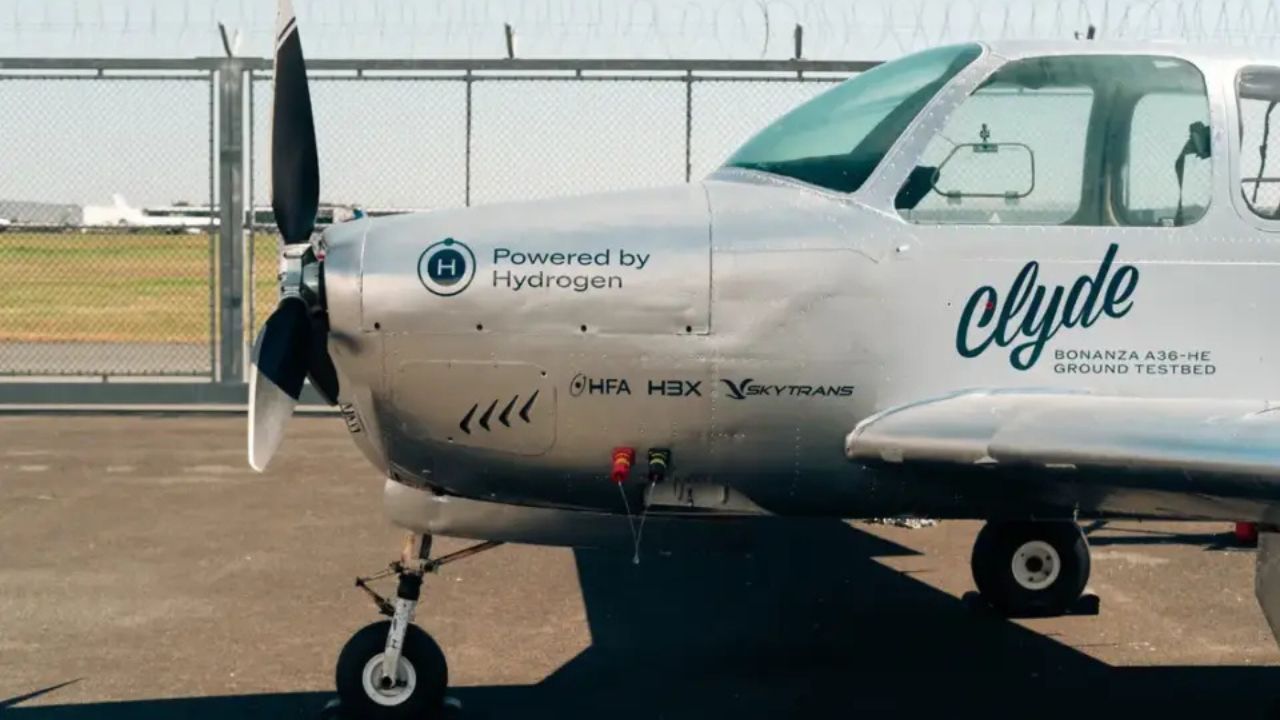
For The First Time, Aircraft Are Fueled With Liquid Hydrogen At International Airport In Oceania. Australia And New Zealand Lead Innovation Toward The Future Of Clean And Sustainable Aviation
On October 28, 2025, Australia and New Zealand conducted the first refueling of aircraft with hydrogen liquid at an international airport, marking a historic advance in sustainable aviation.
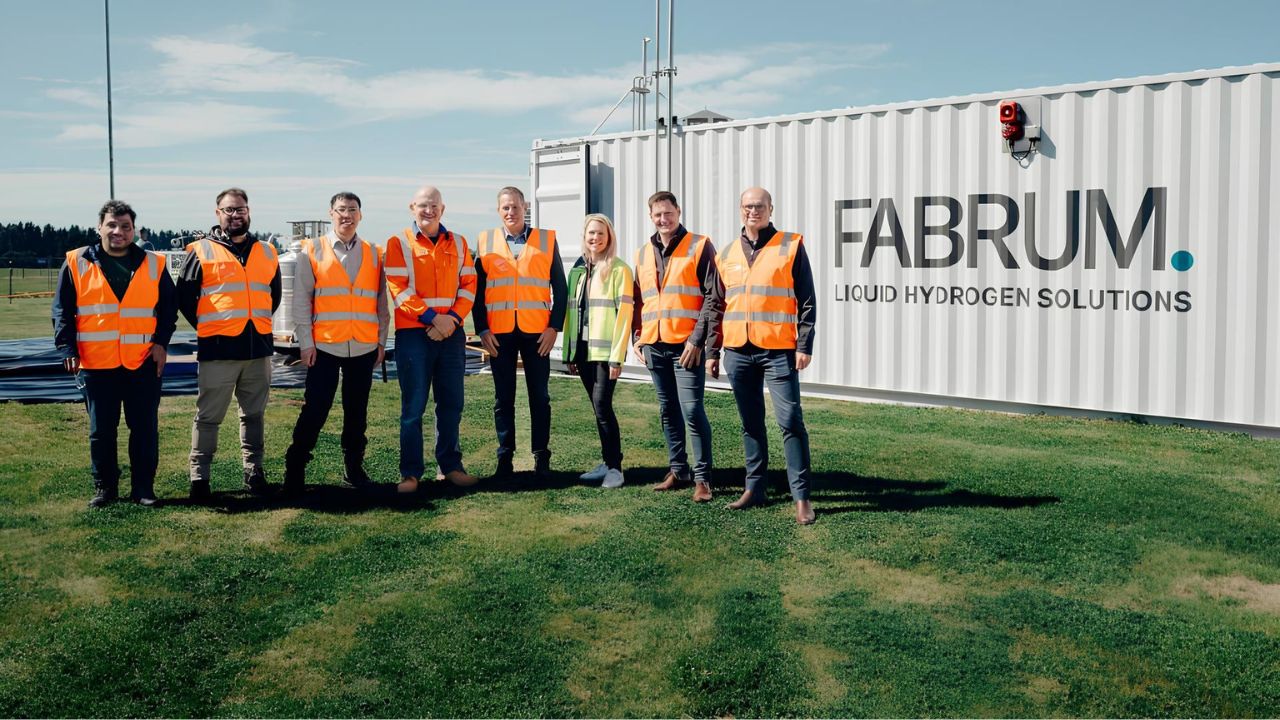
The event took place at the Christchurch International Airport in New Zealand, and involved experimental aircraft operated by companies Fabrum, AMSL Aero, and Stralis Aircraft.
Hydrogen In Airports: What Happened In Christchurch?
This milestone represents not only a technological achievement but also a clear signal that the aviation sector is transforming to meet global environmental demands. The initiative reinforces Oceania’s role as a leader in the energy transition of aviation.
-
The biodiesel industry is pressuring the government for a simplified test to increase the blend with diesel and highlights the potential to attract investments, accelerate production, and consolidate Brazil’s leadership in biofuels.

-
Brazil accelerates hydrogen and biofuel projects to consolidate the fuel of the future and reduce dependence on oil by 2026.

-
CNPE strengthens policy and prevents imported biodiesel from being mixed with diesel, aiming to strengthen the Brazilian industry and protect jobs by reducing external dependence amid tensions in the global market.

-
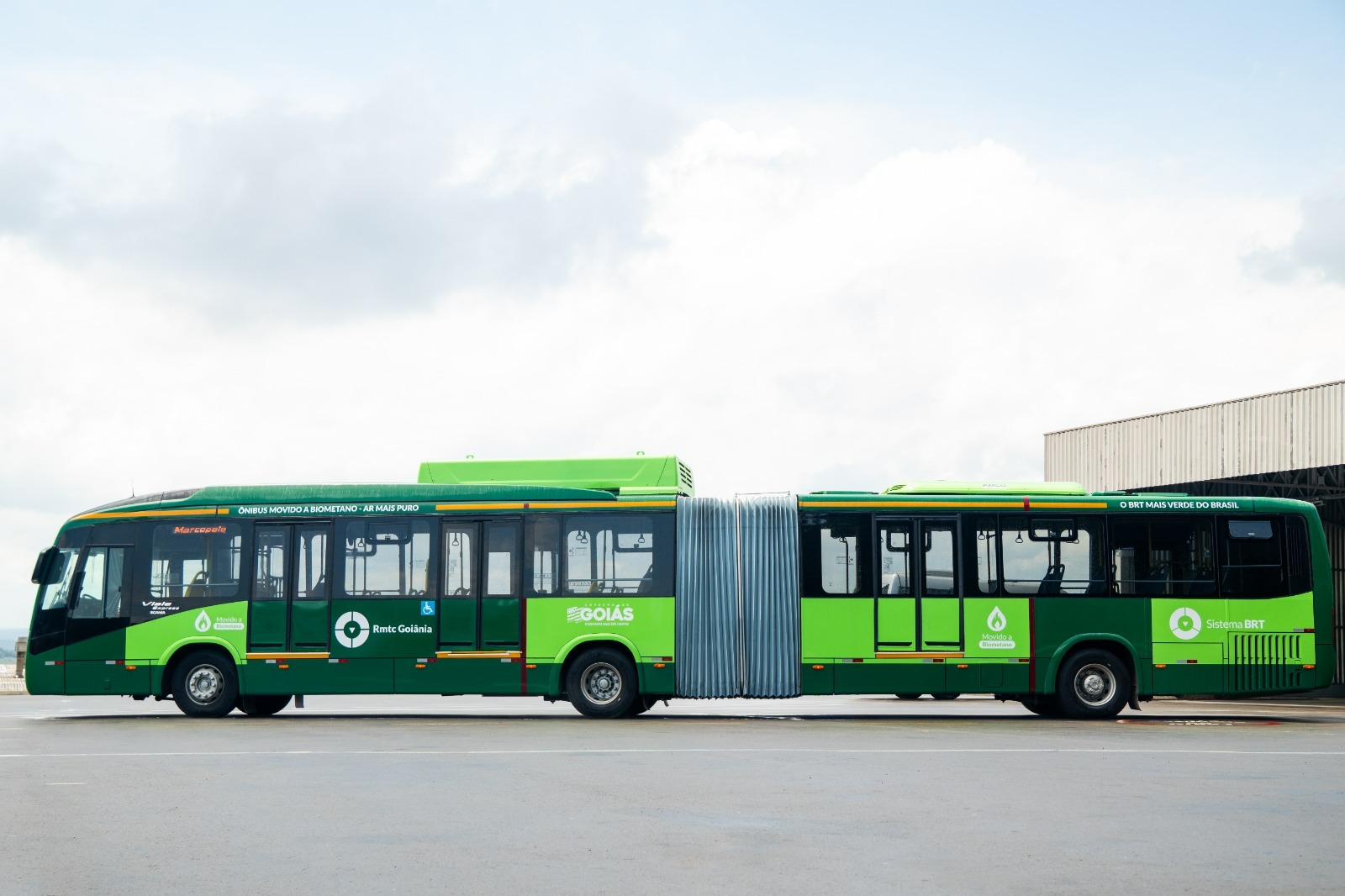
Revolution in public transport: Goiânia puts into circulation the first articulated buses powered by biomethane in Brazil and promises to drastically reduce pollution on the Anhanguera Corridor.
The refueling with liquid hydrogen was conducted on test aircraft adapted to operate with fuel cells. Stralis Aircraft used a modified Beechcraft Bonanza A36, while AMSL Aero also participated with its own experimental aircraft.
The hydrogen was supplied by Fabrum, a company specializing in cryogenic solutions and fueling systems. The use of liquid hydrogen as fuel represents a revolution in aviation, as it offers high energy density without carbon emissions.
However, its practical application requires specialized infrastructure, strict safety protocols, and advanced storage and distribution technology. Conducting the refueling at a regular international airport like Christchurch demonstrates that it is possible to integrate this technology into the operational routine of commercial aviation.
Australia And New Zealand: Strategic Cooperation For A Sustainable Future
Although the event took place in New Zealand, Australia’s participation was essential. The companies involved are based in both countries, and the project received technical and institutional support from both governments. This transnational collaboration reinforces Oceania’s commitment to decarbonizing aviation and technological innovation.
Australia has been investing in research on alternative fuels and hydrogen infrastructure, while New Zealand has stood out for its progressive environmental policy. Together, these nations are building a sustainable development model that can inspire other regions of the world.
In addition, initiatives like this align with the climate commitments made by both countries, which aim to achieve carbon neutrality by 2050. Aviation, responsible for about 2.5% of global emissions, is one of the key sectors to achieve this goal.
Hydrogen As The Fuel Of The Future: Benefits And Challenges
Hydrogen is considered by experts to be the fuel of the future, especially for its ability to generate energy without releasing carbon dioxide. In aviation, it can be used in fuel cells or as direct fuel in modified turbines.
Among the main benefits of hydrogen are:
- Zero carbon emissions during flight
- High energy efficiency
- Potential for renewable production via electrolysis with solar or wind energy
- Significant reduction in noise pollution
On the other hand, challenges include:
- Need for specialized infrastructure at airports
- High production and storage costs
- Complexity in adapting aircraft and engines
- Logistics of transporting and distributing liquid hydrogen
Even so, companies like Airbus and Embraer are already investing in hydrogen projects, signaling that the transition is underway and irreversible.
Airport As An Innovation Platform: The Role Of Christchurch
The Christchurch International Airport was chosen for its advanced structure and commitment to sustainable practices. The facility already has renewable energy projects, environmental management, and operational efficiency, which facilitated the implementation of the hydrogen refueling system.
Transforming airports into innovation hubs is essential to enable sustainable aviation, as they are where fueling, maintenance, and operation of aircraft take place. Christchurch’s experience can serve as a model for other airports around the world, especially in Oceania.
The integration between infrastructure, technology, and public policies is a decisive factor for the success of initiatives like this. The adoption of hydrogen as fuel represents a technological advance with a direct impact on reducing greenhouse gas emissions.
This improves the quality of life in areas near airports and reduces the environmental impact of aviation operations. Technological innovation is directly linked to environmental preservation, and initiatives such as those carried out by Australia and New Zealand show that it is possible to reconcile progress with ecological responsibility.
Perspectives For The Future Of Sustainable Aviation With Hydrogen
The hydrogen refueling carried out by Australia and New Zealand received international attention. Various entities from the aviation, environmental, and technology sectors highlighted the achievement as a watershed moment. Additionally, the initiative may accelerate the adoption of public policies aimed at hydrogen infrastructure at airports.
Next steps include:
- Expansion of tests to other aircraft and airports
- Development of international standards for hydrogen refueling
- Investments in large-scale renewable hydrogen production
- Creation of green corridors for zero-emissions regional flights
With this, it is expected that the future of aviation will become increasingly clean, efficient, and accessible, benefiting not only the environment, but also passengers and operators.


Australia, New Zealand, And The New Global Energy Paradigm
The hydrogen refueling at Christchurch International Airport is a historic milestone for Australia and New Zealand, and for the entire aviation industry. The initiative demonstrates that it is possible to combine innovation, sustainability, and international cooperation to address climate challenges.
The hydrogen is solidifying as the fuel of the future, and airports like Christchurch show that the necessary infrastructure can be made feasible with planning and investment. As more countries and companies adopt this technology, sustainable aviation shifts from being a promise to becoming a reality in progress.






-

Uma pessoa reagiu a isso.