





 Portuguese
  English
  Spanish
  5 min of reading
  0 comments


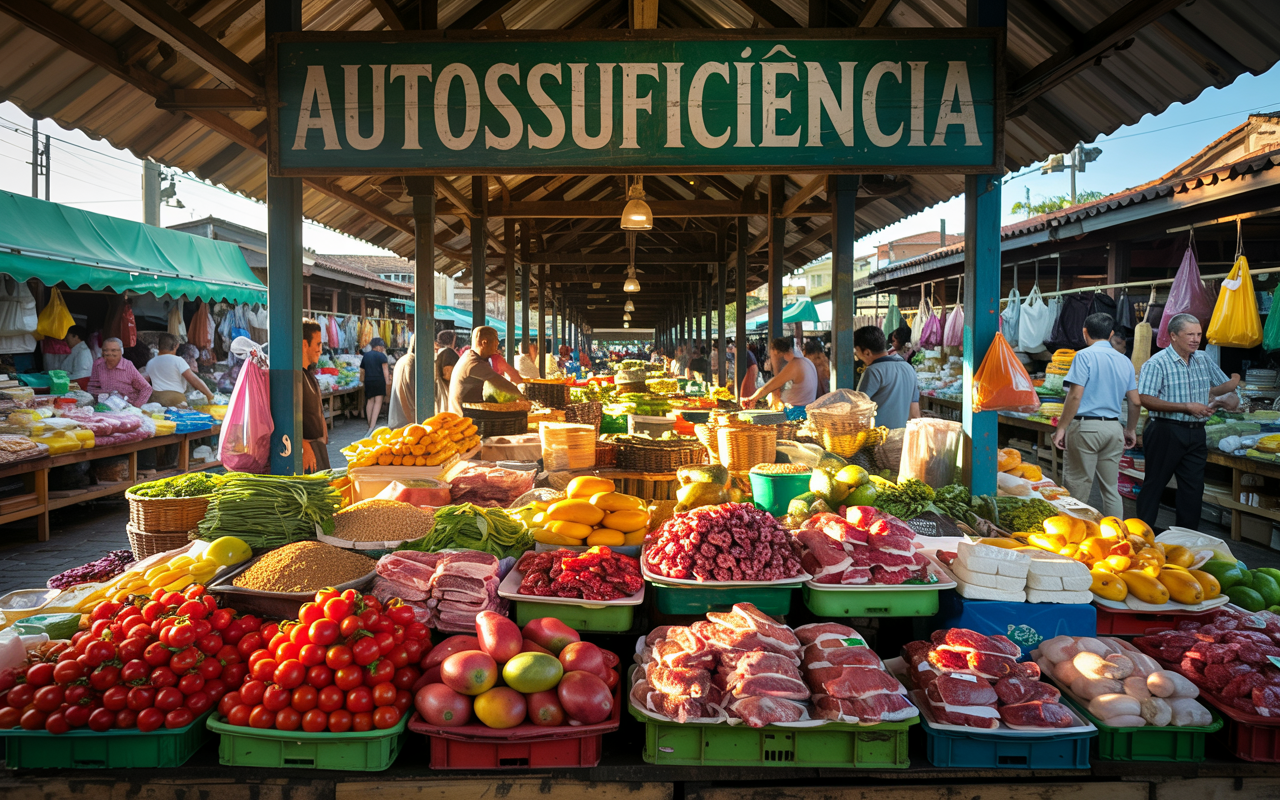
Guyana, Neighboring Country of Brazil, Is the Only One in the World Fully Self-Sufficient in Foods — Produces Everything It Consumes Without Importing a Single Grain.
In the globalized world we live in, it is almost impossible to imagine a nation that does not depend on imports to keep its population fed. Tropical fruits reach Europe in the midst of winter, Asian grains supply markets in the West, and Brazilian meats are on supermarket shelves in the Middle East. International food trade has become the norm — and self-sufficiency has become the exception. But a new study revealed something surprising: there is indeed a single country on the planet that is 100% self-sufficient in food, capable of producing all the essential groups needed for a healthy diet, without needing to import absolutely anything. And the most curious part? This country shares a border with Brazil.
What Is Food Self-Sufficiency — And Why Does It Matter?
First of all, it is worth understanding the concept. A country self-sufficient in food is one that can meet all seven basic food groups for its population with its own agricultural, livestock, and fishery production. This includes:
- Whole Grains
- Legumes
- Vegetables and Greens
- Fruits
- Meats
- Fish
- Dairy Products
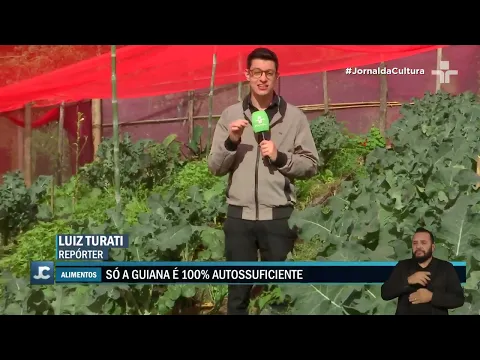

In an increasingly impacted world by wars, climate changes, pandemics, and trade disputes, relying on imports becomes a vulnerability. A disruption in external supply — such as port blockades or sanctions — can cause a country to suffer internal food crises.
-
Premium Brazilian brand born during the pandemic brings fine cocoa from Bahia to Switzerland, Germany, and France, has won 9 awards, and claims to have the 2nd best milk chocolate in the world: meet Luz Cacau.
-
Júnior Friboi has just purchased one of the largest feedlots in all of Brazil, located in Goiás, with the capacity to produce 180,000 cattle per year, and the manager has already come forward to reassure employees about layoffs.
-
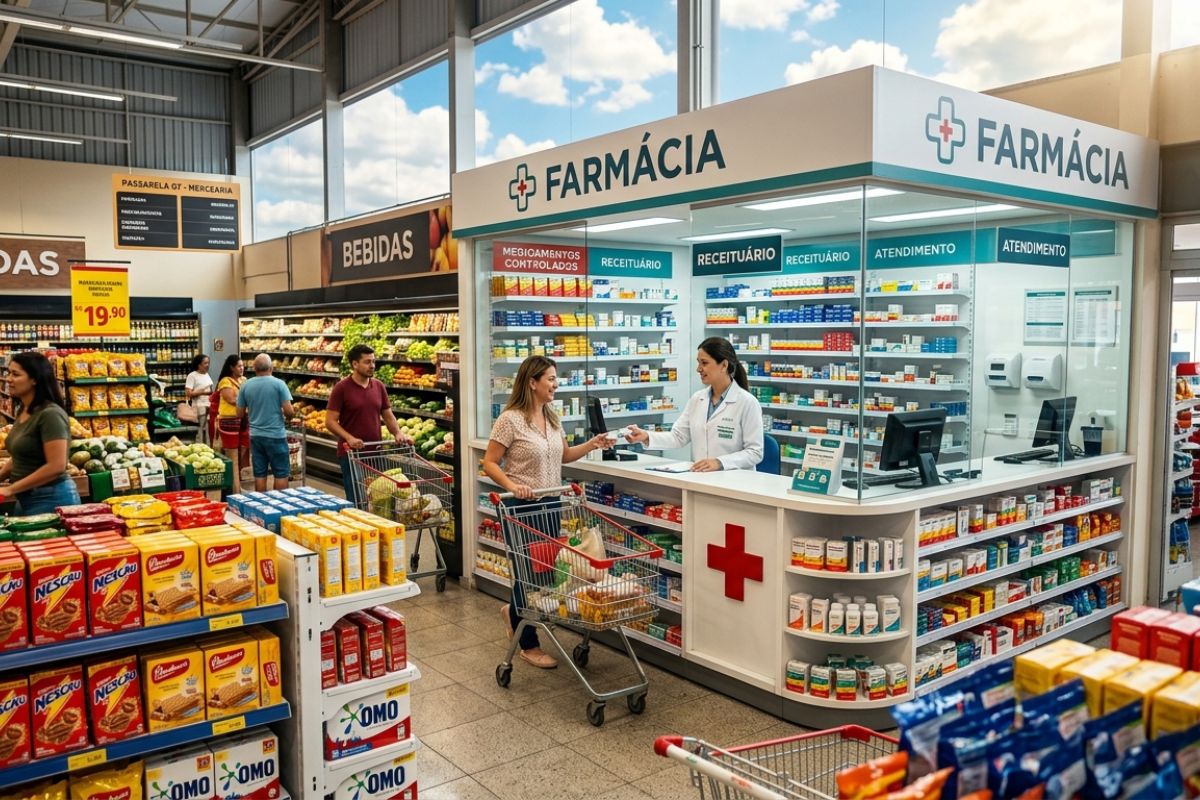
Pharmacy inside the supermarket: what changes now in your purchase, why medicines won’t go on the shelves, which rules remain strict, mandatory pharmacist, separate space, controlled storage, more convenience and competition in the country.
-
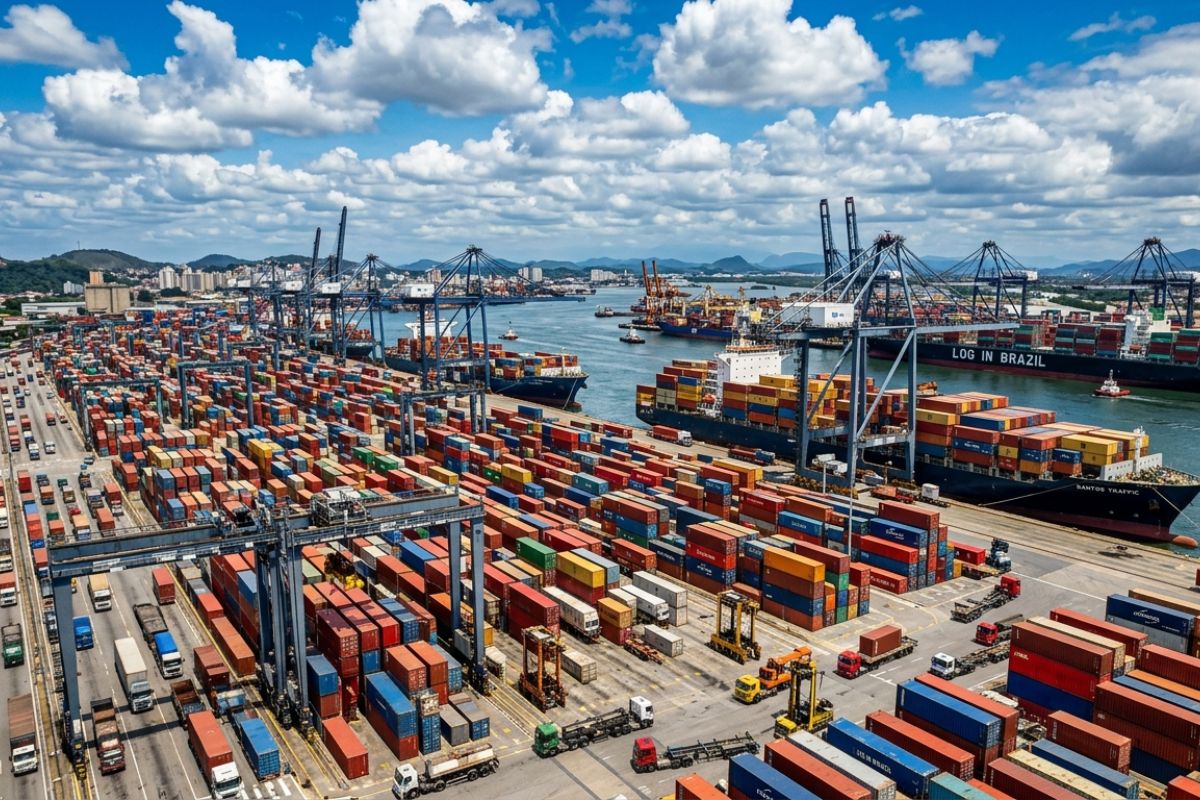
Ports like Santos and Paranaguá are operating at their limits and may block containers as early as 2030, warns a study by Macroinfra; bottlenecks increase costs and delays and push cargo to Rio, Salvador, Pecém, and Suape across Brazil.

Therefore, being self-sufficient in food is more than a luxury — it is a strategic and sovereignty advantage.
The Surprising World Champion of Self-Sufficiency
Researchers from the universities of Edinburgh (Scotland) and Göttingen (Germany) analyzed 186 countries based on food data, local production, and internal supply capacity. The result? Only one country in the world achieved the highest score in all criteria:
Guyana.
Yes, Guyana — neighboring Brazil, north of the state of Pará — is the only country on the planet that can produce, on its own territory, all the necessary food groups to sustain its population without relying on imports.
This small South American country, with about 800,000 inhabitants, has been pointed out as a rare example of agricultural, fishery, and nutritional balance. Guyana cultivates its own grains and vegetables, has a solid production of tropical fruits, medium-sized livestock, coastal fishing, and sufficient dairy production to meet internal demand.
And Brazil? Agricultural Power, But Still Dependent
Of course, Brazil comes to mind when talking about food self-sufficiency. After all, it is one of the largest agricultural powers on the planet, with vast production of soybeans, corn, meat, and fruits. However, according to the study, Brazil is not self-sufficient in all groups.
The research, published in the scientific journal scientific Nature Food, does not mention Brazil directly in the total self-sufficiency ranking. This indicates that, although the country is a food exporter, it still depends on imports to balance its food chain, especially concerning fish and dairy products in some regions.
Moreover, the very model of large-scale export may, paradoxically, reduce the internal consumption of essential nutrients — as is the case with vitamin C found in fruits, many of which are exported in bulk.
The Countries with the Lowest Indices
On the other end of the spectrum are nations like Afghanistan, Qatar, Yemen, United Arab Emirates, Iraq, and Macau — which cannot produce even one of the seven essential food groups for their own consumption. They are completely dependent on imports, making them vulnerable to fluctuations in international trade and external political instabilities.
China and Vietnam: Almost Self-Sufficient
Other countries that caught the researchers’ attention were China and Vietnam, which manage to produce six of the seven essential food groups. They come very close to full self-sufficiency but still depend on occasional imports — usually dairy products, deep-sea fish, or specific temperate climate products.
Regional Blocs Also Fail
The researchers also analyzed the performance of economic blocs and regional unions, and the results were not very encouraging. Even groups formed to strengthen the economy and trade among neighboring countries fail to ensure internal food supply.
For example:
- The Caribbean and West Africa produce, at most, two of the seven groups.
- The Gulf Cooperation Council, in the Middle East, is self-sufficient only in meat.
- Meanwhile, Latin America excels in fruit production but still struggles with dairy products and fishing.
These data show that, even with trade and geographical alliances, diversified local production remains a global challenge.
Why Did Guyana Achieve What No One Else Has?
The secret of Guyana lies in its balance between scale and diversity. With a small population, favorable climate, and a territory still little explored by intensive agribusiness, the country has managed to maintain a varied and functional production, aimed at internal supply.
Additionally, Guyana invests in family farming, artisanal fishing, and sustainable cultivation — which helps keep the food chain integrated. Unlike other nations that prioritize the export of commodities, Guyana prioritizes what feeds its own population.
Food Self-Sufficiency Is the New Strategic Gold?
The data provides an important reflection: in times of global instability, true wealth might lie in the ability to produce one’s own food. Self-sufficiency, which was previously seen as something outdated or antiquated, returns to the center of the debate.
While countries like Brazil shine in the global export market, Guyana teaches that looking inward is also a powerful way to ensure security, stability, and health for the population.
In a world where even rice can be a cause for diplomatic crisis, Guyana stands out as the only truly self-sufficient country in food, capable of feeding its population without relying on imports — an achievement that even agricultural giants have failed to reach.
More than a curiosity, this data is a warning for the future: in times of crisis, those who produce everything they consume have an advantage — and Guyana is already ahead.







Seja o primeiro a reagir!