





 Portuguese
  English
  Spanish
  3 min of reading
  0 comments


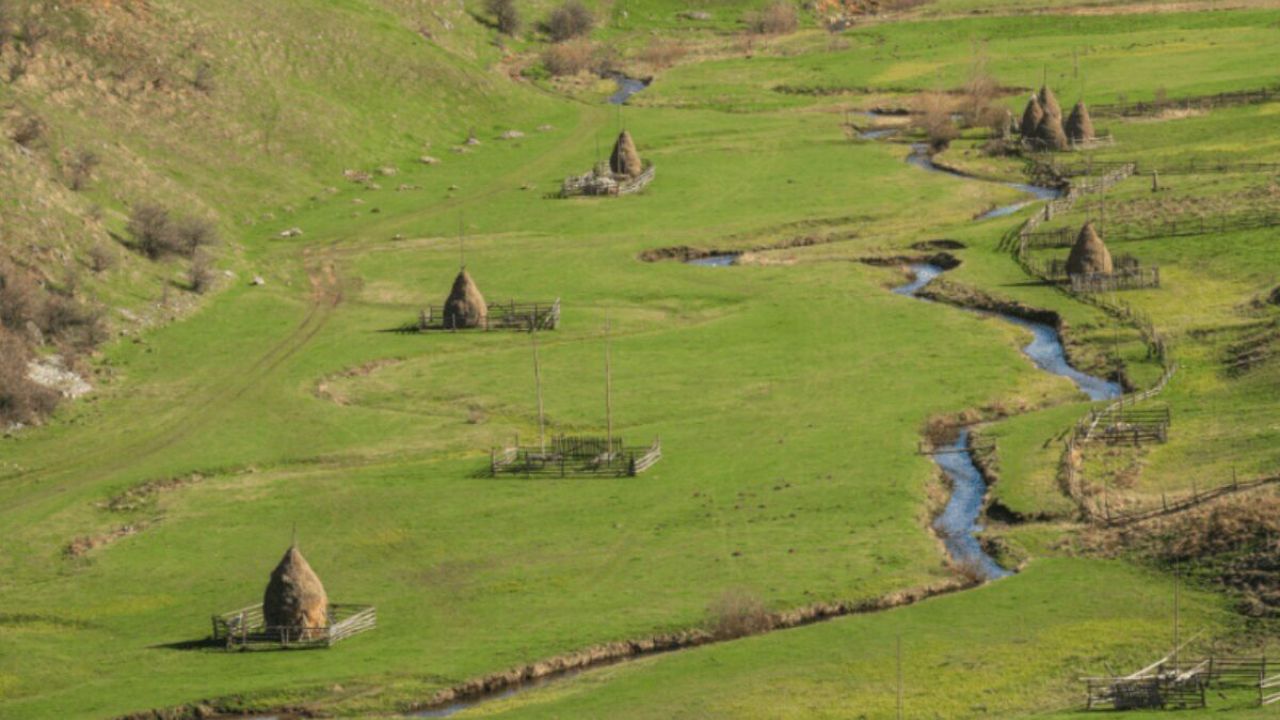
With Stone Tools and Fossils Dated Two Million Years Ago, the Archaeological Discovery at the Valea lui Grăunceanu Site Puts Romania at the Center of Human History, Surpassing Records from Spain and Turkey.
In the heart of Romania, the archaeological site Valea lui Grăunceanu in Vâlcea County has revealed traces that challenge what we know about the first humans in Europe. Recent excavations pointed to signs of hominids that lived there approximately two million years ago, making this the oldest European site with evidence of human activity.
But what makes this discovery so special? Besides the impressive age, researchers found stone tools that indicate the area’s inhabitants were skilled and already had an organization to manipulate their environment. This is a milestone, as it reinforces the idea that migrations “out of Africa” may have occurred much earlier than previously thought.
The Link with the “Out of Africa” Migrations
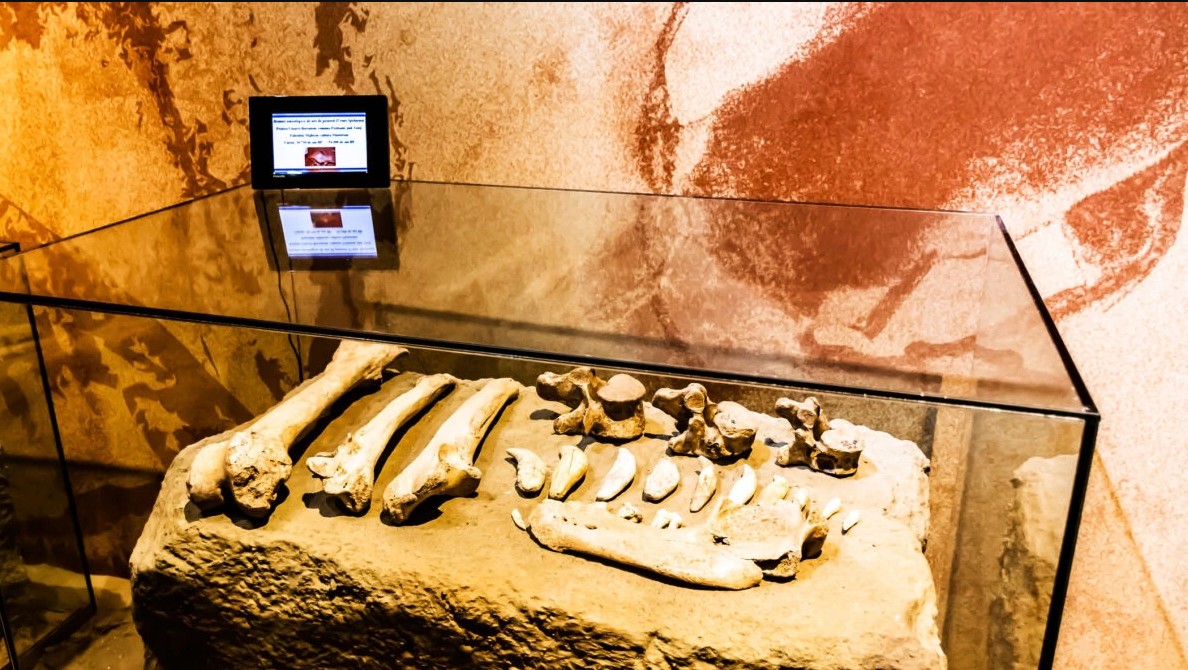
It is believed that these migrations occurred even before Homo erectus left the African continent, around 1.8 to 1.9 million years ago. This places the inhabitants of Romania at a crucial moment in human evolution, suggesting they may have been pioneers in the occupation of Europe.
-
The coldest seawater ever recorded in Earth’s history was hidden under extreme ice 717 million years ago and reached an impressive -15°C.

-
China has launched the world’s first floating artificial island, a scientific structure designed to face open seas, test equipment weighing hundreds of tons, and reach depths of 10,000 meters.

-
China accelerates global science and may surpass the United States in 2 years with increased public investment, continuous growth, and direct impact on the global technological competition.

-
Scientific studies indicate that drought may be strengthening a much greater silent threat: more resistant superbugs.


Evidence from the fossils shows anthropogenic modifications, such as incisions on the bones, indicating the intentional removal of meat. This behavior reflects not only the ability to use tools but also an advanced social organization, opening the door to new theories about early migrations.
Scientific Analysis and Advanced Archaeological Method
Technological advances played an essential role in this discovery. The research team utilized high-resolution microscopes and uranium-lead dating techniques to determine the age of the fossils. This method is one of the most effective tools for objects over a million years old, ensuring accuracy in analysis.
The researchers analyzed nearly 5,000 fossils, looking for marks of artificial modifications on their surfaces. And they found something extraordinary: clear evidence that the first hominids were using tools to process meat. This reinforces the theory that these individuals had a considerable degree of adaptation to the European environment.
Comparison with Other European Sites
So far, the title of the oldest archaeological site in Europe belonged to Barranco León in Spain, with fossils dated to 1.5 million years ago. Other sites, such as Kocabaş in Turkey and Sima del Elefante in Spain, had fossils with ages ranging from 1.3 to 1.1 million years.
However, the discovery in Romania surpasses all these records, placing the country prominently on the archaeological map. The study published in the journal Nature also indicates that this new evidence alters the timeline of the presence of the genus Homo in Europe, highlighting that occupation occurred much earlier than previously believed.
Impact of the Discovery on the Study of Human Evolution
This new evidence not only challenges previous theories but also raises new questions about how early hominids adapted to the European environment. Did they face severe climate changes? How do the tools found compare to those from other sites?
Discoveries like this help us better understand human origins and the complex journey our ancestors faced to explore the world. Every new fossil, every mark left on a stone or bone, is a piece of a puzzle that continues to fascinate us.





-

-

-

-

-

24 pessoas reagiram a isso.