





 Português
  Inglês
  Espanhol
  3 min de leitura
  2 comentários


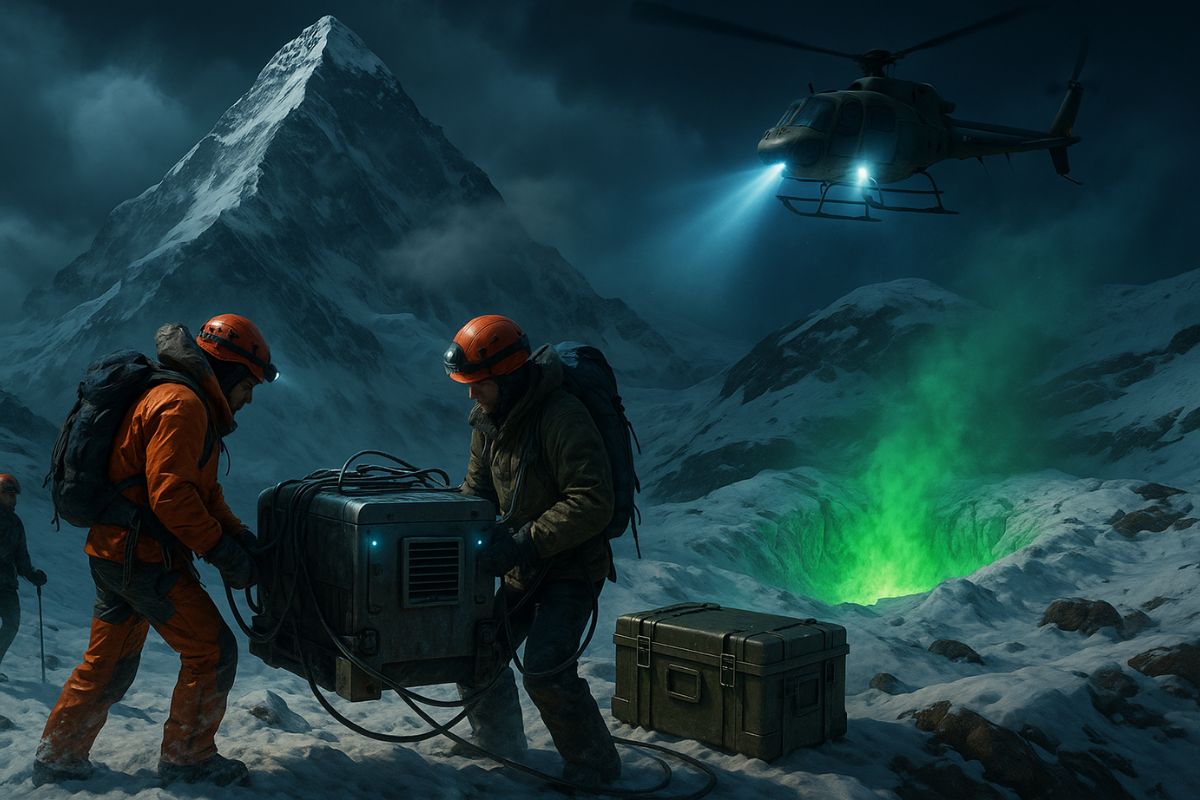


China’s Nuclear Advancement Led the USA to a Disastrous Mission Silenced for 40 Years. The nuclear advancement of China forced the USA and India to create a secret mission in the Himalayas, whose failure remained covered up for four decades.
The nuclear advancement of China in the 1960s generated panic in Washington and New Delhi. Fearing to fall behind in the atomic race, the two countries launched an unprecedented espionage operation in the Himalayan mountains. The plan involved installing a nuclear generator on Nanda Devi, one of the most sacred and highest peaks in India, to monitor Chinese tests.
According to the portal Xataka, the disaster was so great that the USA chose to keep the mission secret for 40 years. The generator, loaded with plutonium-239, was never recovered and may still be buried in the region’s ice, contaminating the environment and fueling theories about failed espionage.
How the Secret Plan Began
The nuclear advancement of China began in 1964 with its first test at Lop Nur. The impact was immediate: the USA concluded they were falling behind, while India, militarily defeated two years earlier, sought to strengthen its strategic position. Thus, the secret alliance between the CIA and Indian intelligence emerged.
-
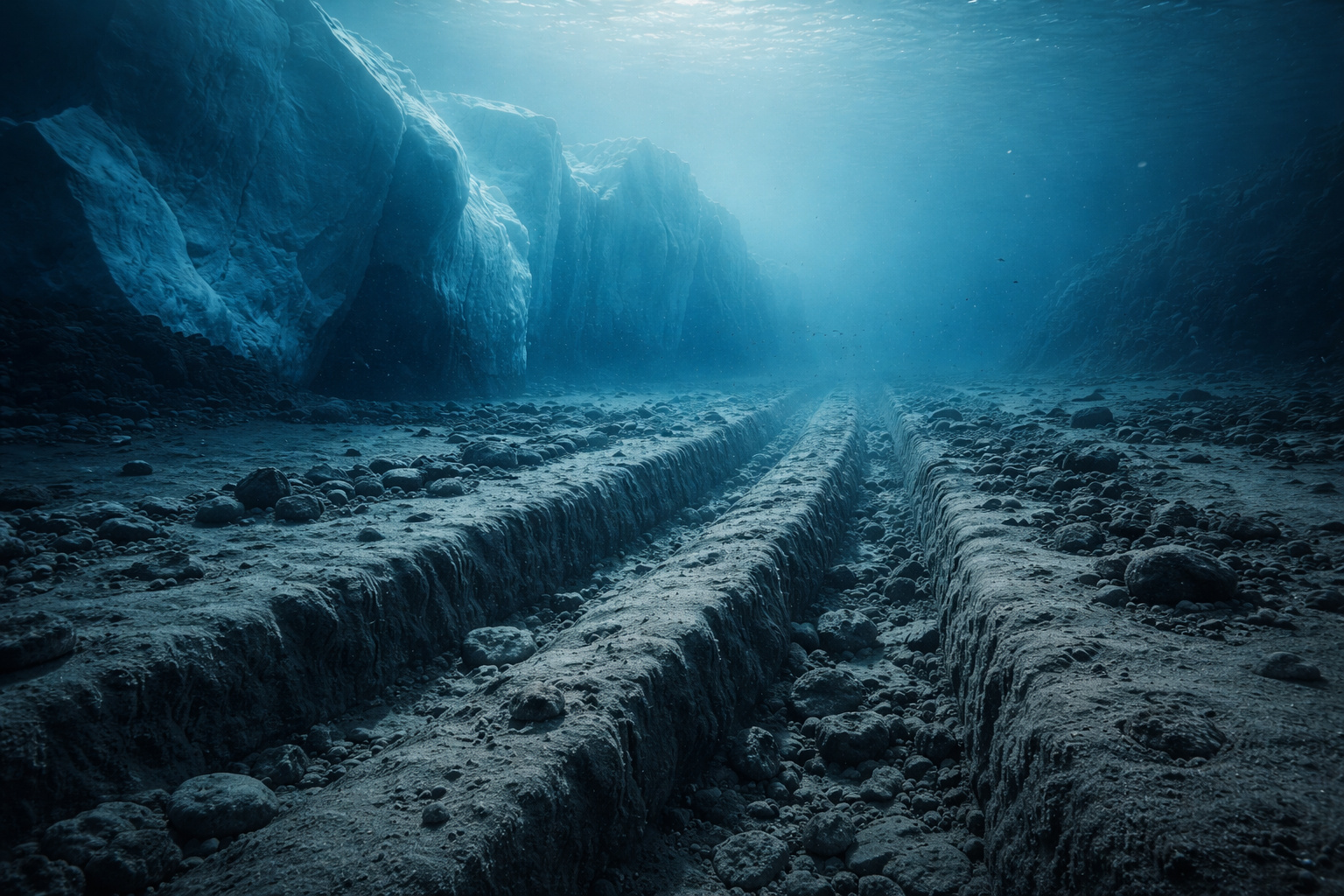
Hidden giants at the bottom of the North Sea reveal how 18,000-year-old icebergs help predict glacier collapse and rising oceans.
-
For more than 10 years, scientists have observed the ice of Greenland deforming into giant spirals without explanation; they have now discovered that solid ice can “boil” from within like magma, an invisible phenomenon that could alter climate predictions and involves a mass capable of raising sea levels by up to 7 meters.

-
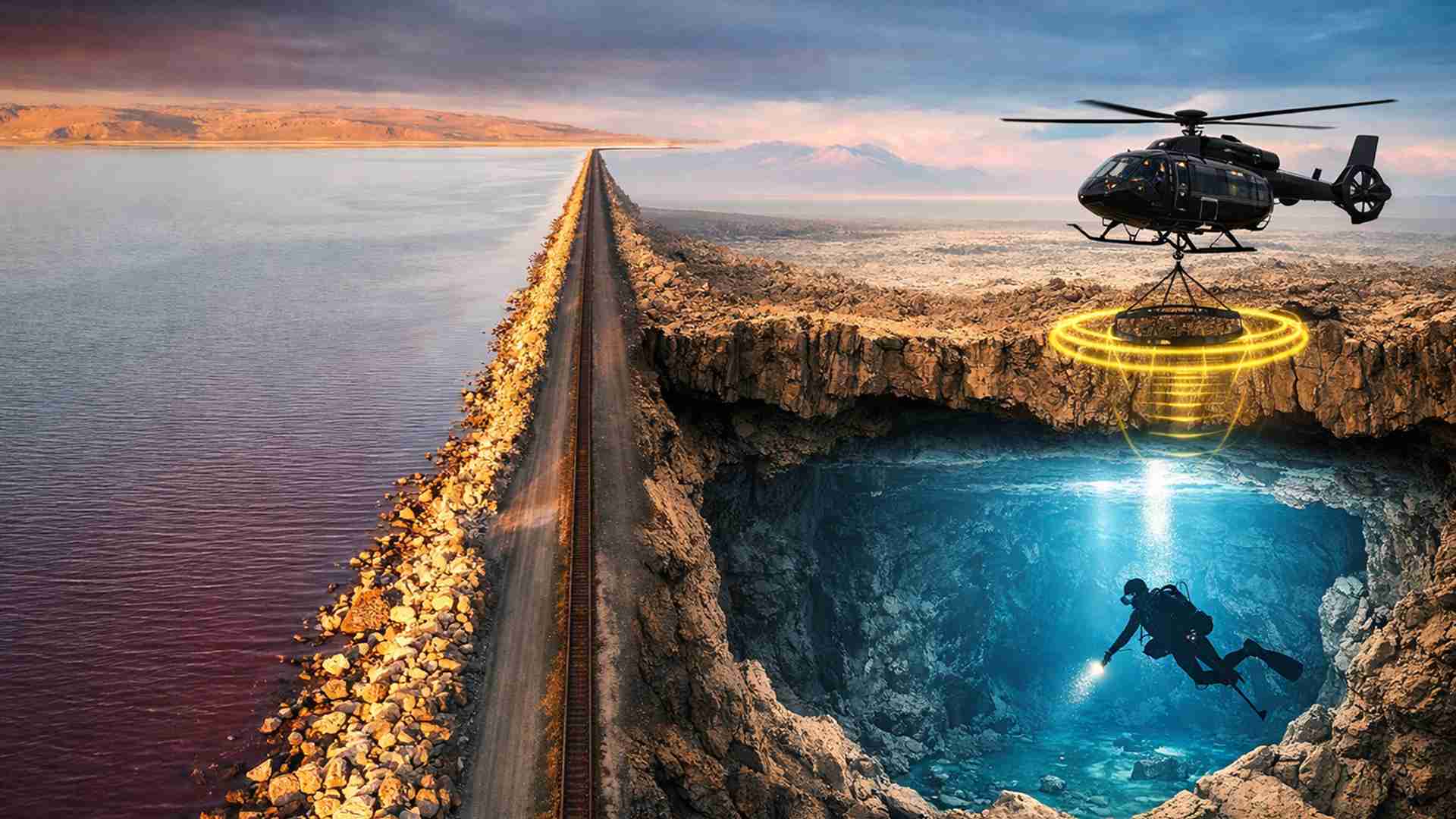
A gigantic freshwater reservoir appears beneath the Great Salt Lake, between 3 and 4 kilometers deep, surprising scientists with an unexpected flow towards the interior of the lake.
-
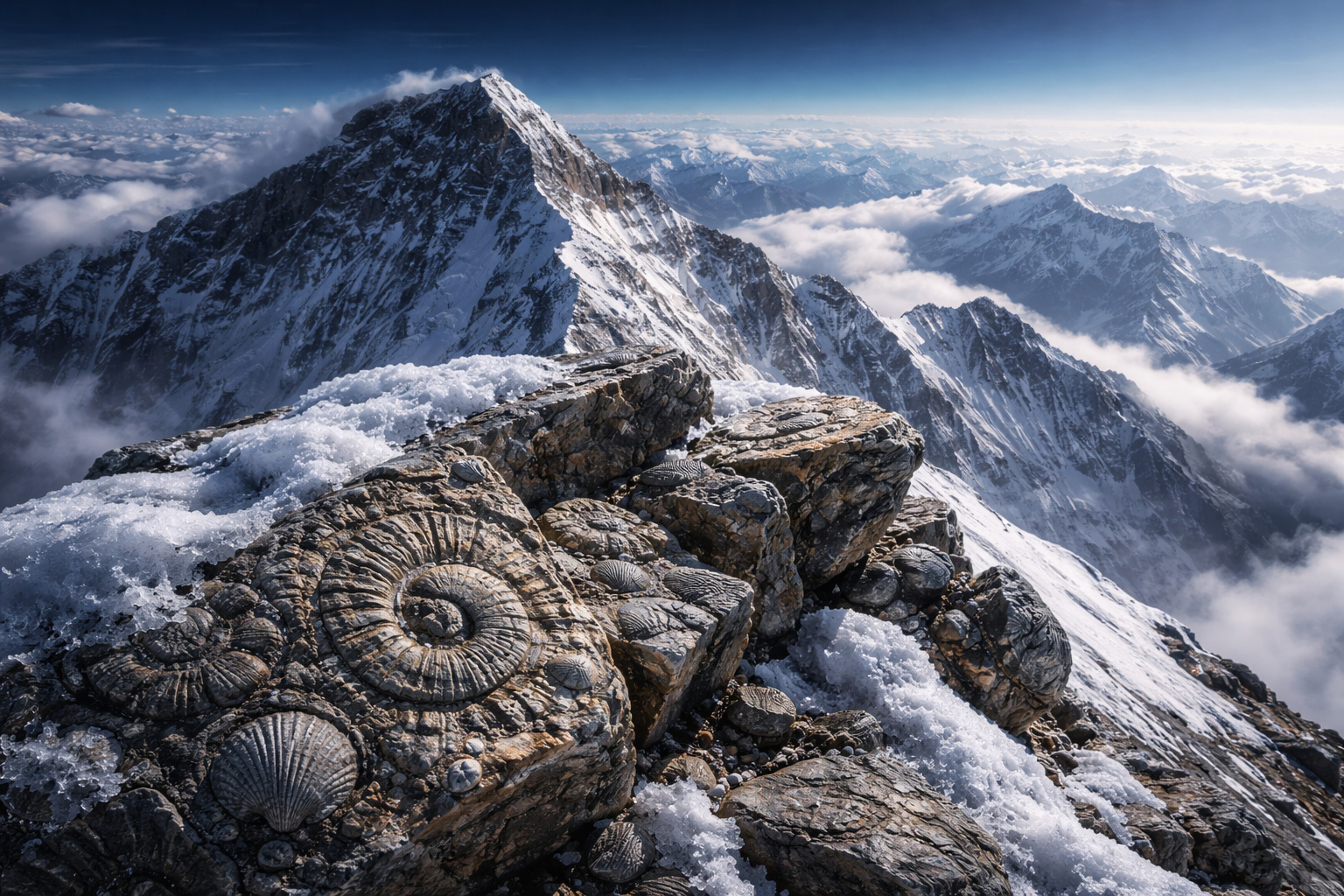
At over 8,800 meters above sea level, the summit of Mount Everest is made up of rocks that originated at the bottom of an ocean about 500 million years ago and were pushed to the highest point on Earth by the collision of tectonic plates.

Without advanced spy satellites, the solution seemed absurd: to install a nuclear station on a sacred mountain to observe the Chinese hundreds of kilometers away. Even with high risks, the mission was approved in 1965.
Who Participated in the Mission
The CIA recruited doctors, scientists, and elite climbers. Among them were Robert Schaller, a medical student from Seattle, and Captain Mohan Singh Kohli, a famous Indian mountaineer. Training included helicopter jumps, handling explosives, and even climbing in Alaska carrying nuclear prototypes.
The chosen device was a SNAP-19C generator powered by plutonium. The idea was for it to operate for a thousand years, ensuring continuous surveillance over China’s nuclear advancement.
The Disaster at Nanda Devi
In 1965, the team arrived at the Nanda Devi sanctuary. However, a snowstorm forced an emergency withdrawal. The nuclear generator, extremely heavy, was left stuck to rocks to be recovered in the spring. When the team returned months later, the equipment had disappeared.
Avalanches may have buried the radioactive material under the ice. From then on, the USA and India maintained absolute silence, with frustrated searches for years. The CIA even attempted to install another system on a neighboring mountain, but also without success.
The Environmental Risk
Even today, the nuclear advancement of China carries the ghost of the lost mission. Researchers have found signs of plutonium in the Ganges River, fueling suspicion that the abandoned generator is contaminating the waters that supply millions of people.
The book Spies in the Himalayas (2005) by Captain Kohli broke the silence and confirmed the existence of the mission. Since then, the operation is remembered as one of the biggest failures of American espionage during the Cold War.
What This Story Reveals
The episode shows how far the powers were willing to go in the face of the nuclear advancement of China. The race for atomic supremacy led the USA and India to risk human lives, desecrate sacred mountains, and leave behind an uncertain radioactive legacy in the Himalayas.
For many experts, the mission symbolizes the strategic desperation of the West and China’s resilience on its path to becoming a nuclear power.
The nuclear advancement of China changed the global balance and exposed American vulnerability during the Cold War. The failure in the Himalayas, hidden for four decades, remains a warning that even the greatest powers can fail in the face of risky choices.
Do you believe that espionage was worth the environmental and cultural risk in Nanda Devi? Or does the disaster show that the fear of China’s nuclear advancement led the USA too far? Share your opinion in the comments—we want to hear your thoughts on this historic episode.







Não faz nenhum sentido. Parece mais uma história de filme classe B dos anos 70.
A irresponsabilidade americana nos surpreende todos os dias. Acho que os americanos não sabem o que seus governos fizeram em tantos anos, pois se soubessem teria vergonha de seu país. Eu teria.