





 Portuguese
  English
  Spanish
  4 min of reading
  0 comments


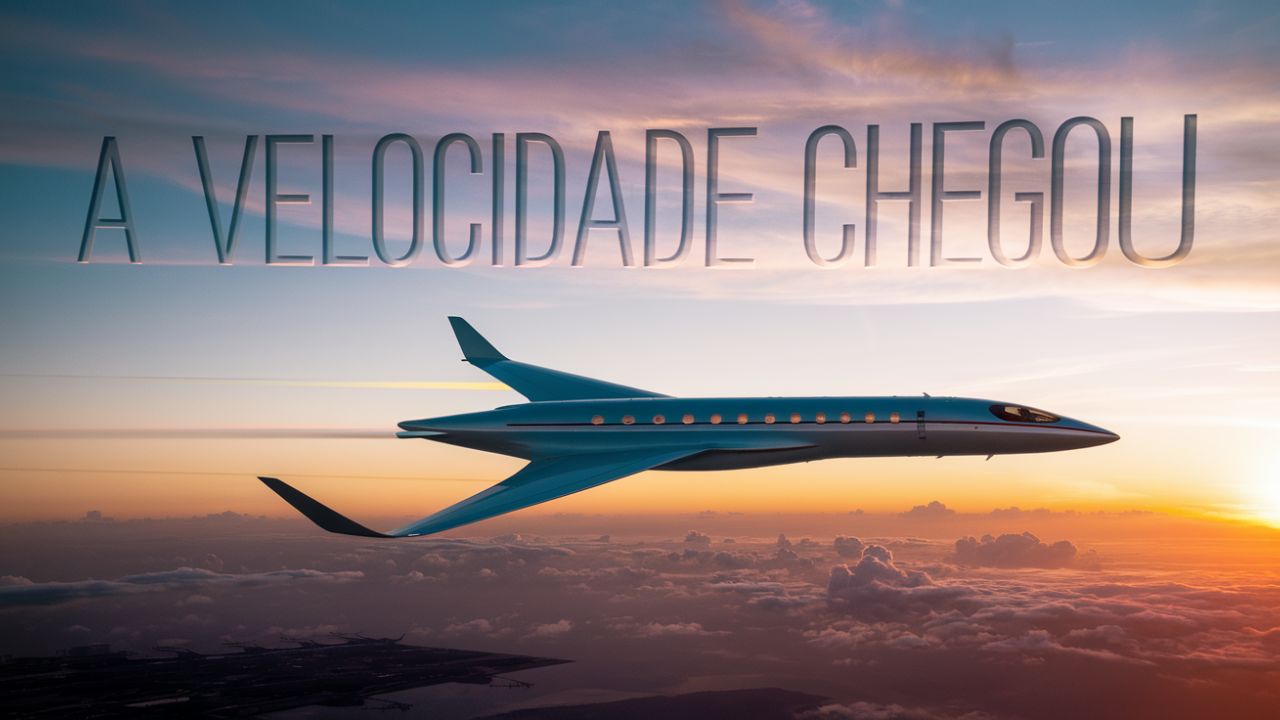
Boom Supersonic Bets High on the Return of the Supersonic Airplane and Already Has 130 Orders from Major Airlines! At a Speed of 2,100 km/h, the Overture Promises International Travel in Record Time and Could Start Flying in 2029!
Have you ever imagined boarding a plane in São Paulo and landing in Lisbon in less than five hours? Sounds like something out of a movie, right? But this future may be closer than you think. Boom Supersonic, an American startup, is determined to bring back the supersonic airplane and promises to make this technology more accessible and efficient than ever.
With an ambitious project and major airlines already in the queue, the company wants to achieve what the Concorde could not: make supersonic flights viable in the long term. But can Boom really turn this dream into reality?
From The Concorde to The Overture: The Story of the Supersonic Dream
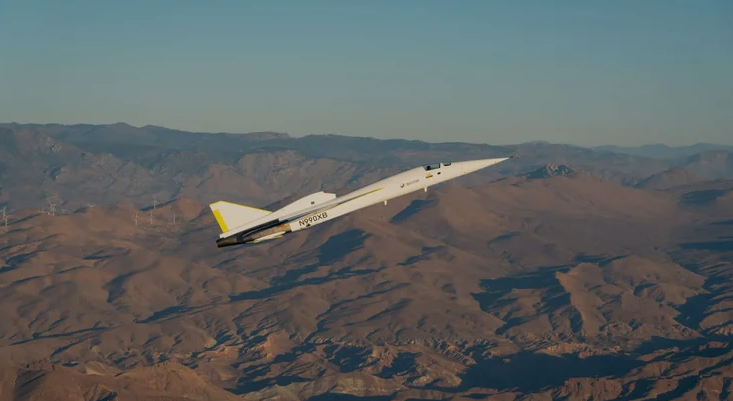
If you’ve heard of the Concorde, you know it was a true aviation icon. Operating between 1976 and 2003, it crossed the oceans at a staggering speed of Mach 2, more than twice the speed of sound. New York to Paris in 3 hours and 30 minutes? That was a reality!
-
Historic bankruptcy of Centauro shocks the market, and the century-old company puts more than 500,000 products, machines, and complete infrastructure up for online auction.

-
New shoe factory in Ceará is expected to create 400 jobs and strengthen the local economy.
-
No one imagined it, but a mixture of sawdust with a mineral that fights fires surprises scientists with a result that changes the course of fire-resistant construction.

-
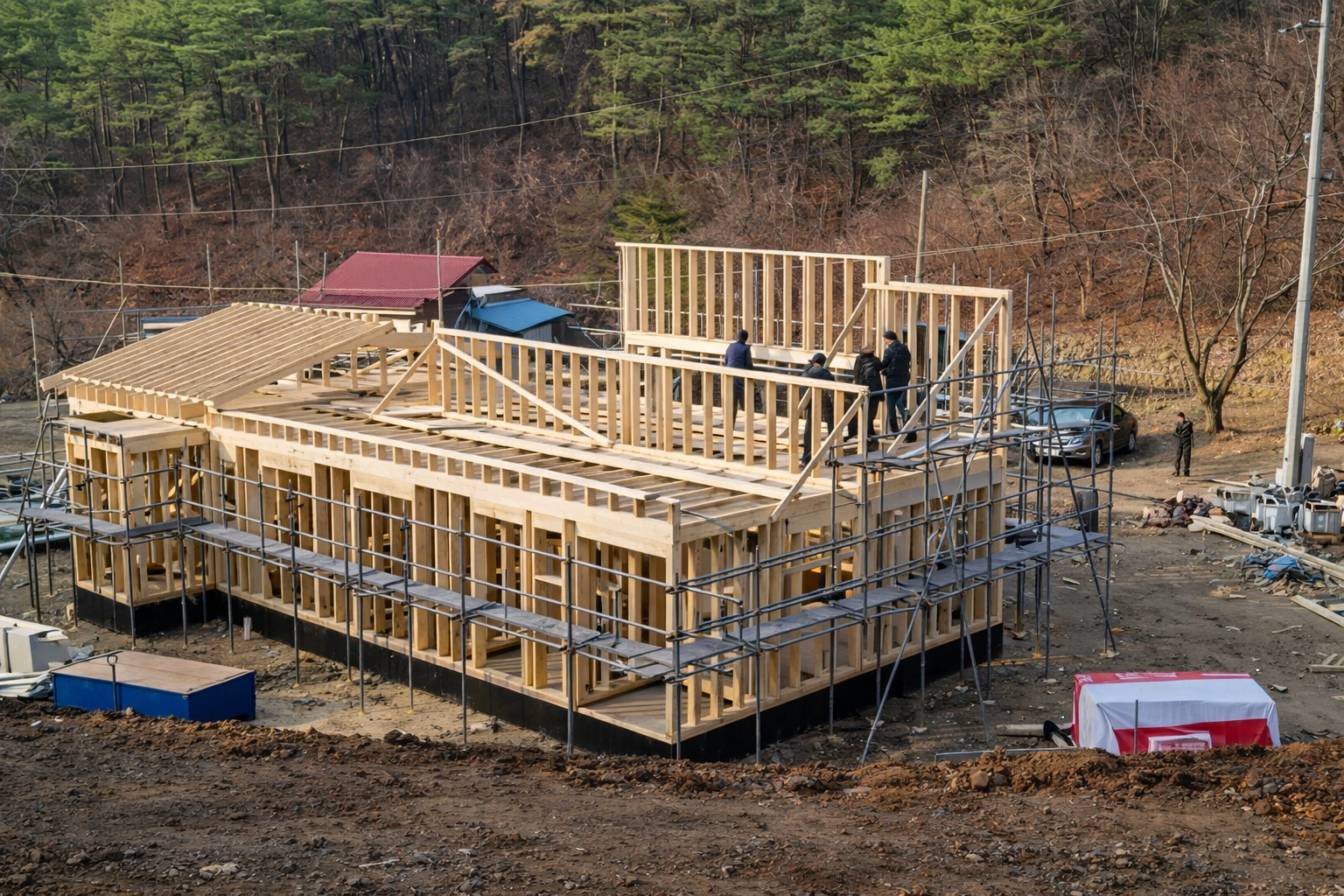
From empty land to a high-end house, wooden construction uses a lightweight system, metal structure for the foundation, ventilated ceramic cladding, and special windows to create an efficient and comfortable living space throughout the year.

However, the story of the Concorde ended with a forced landing. The extremely high operating costs, excessive fuel consumption, and environmental impact made its continuation unfeasible. Since then, flying faster than the speed of sound has been restricted to military jets.
But this story may be about to change. Founded in 2014, Boom Supersonic has a clear goal: to rescue commercial supersonic aviation and make it operate sustainably. And it already has a big trump card up its sleeve: the XB-1 prototype, which recently broke the sound barrier, proving that this technology can indeed return to the skies.
Overture: The Supersonic Airplane That Promises to Revolutionize Travel
The Overture is Boom’s flagship project. With a speed of Mach 1.7 (about 2,100 km/h), it promises to drastically reduce travel time between continents. Unlike the Concorde, it will be built with lighter materials, advanced aerodynamics, and more efficient engines.
The design has been thought out to minimize noise impact. While the Concorde was famous for its thunderous “sonic boom,” the Overture promises to reduce this noise and operate more silently.
The airplane will have a capacity for 64 to 80 passengers and will focus on transoceanic routes like Miami-London and Tokyo-Sydney. The idea is that, unlike the Concorde, which was exclusive to billionaires and heads of state, the Overture will be accessible to a larger audience.
The Challenges on the Way to Supersonic Aviation
Flying faster than the speed of sound is still a challenge not just technologically, but also regulatory. In the United States, for example, civil supersonic flights over land are prohibited due to noise. To circumvent this barrier, Boom plans to operate at subsonic speeds over populated areas, accelerating only over the oceans.
The company aims to make its flights more sustainable, using alternative fuels to reduce its carbon footprint.
Another major obstacle is the operational cost. The supersonic Concorde was retired, among other reasons, simply because it was too expensive to keep in the air. However, Boom claims to have learned from past mistakes and promises a more sustainable business model.
The startup plans to use its own engines, the Symphony, to reduce costs and ensure efficiency. But will that be enough? That remains an unknown.
Boom Supersonic and the Race for the Future
According to Exame, Boom is not alone in this race. Companies like Spike Aerospace and Hermeus are also developing supersonic airplanes, not to mention projects from NASA. But Boom has an advantage: it has already secured over 700 million dollars in investments and has firm orders from giants like United Airlines and American Airlines.
If everything goes as planned, production of the Overture will begin in 2025, with the first flight expected in 2026. And the ultimate goal? To transport passengers on commercial flights by 2029.






-

Uma pessoa reagiu a isso.