





 Portuguese
  English
  Spanish
  3 min of reading
  0 comments


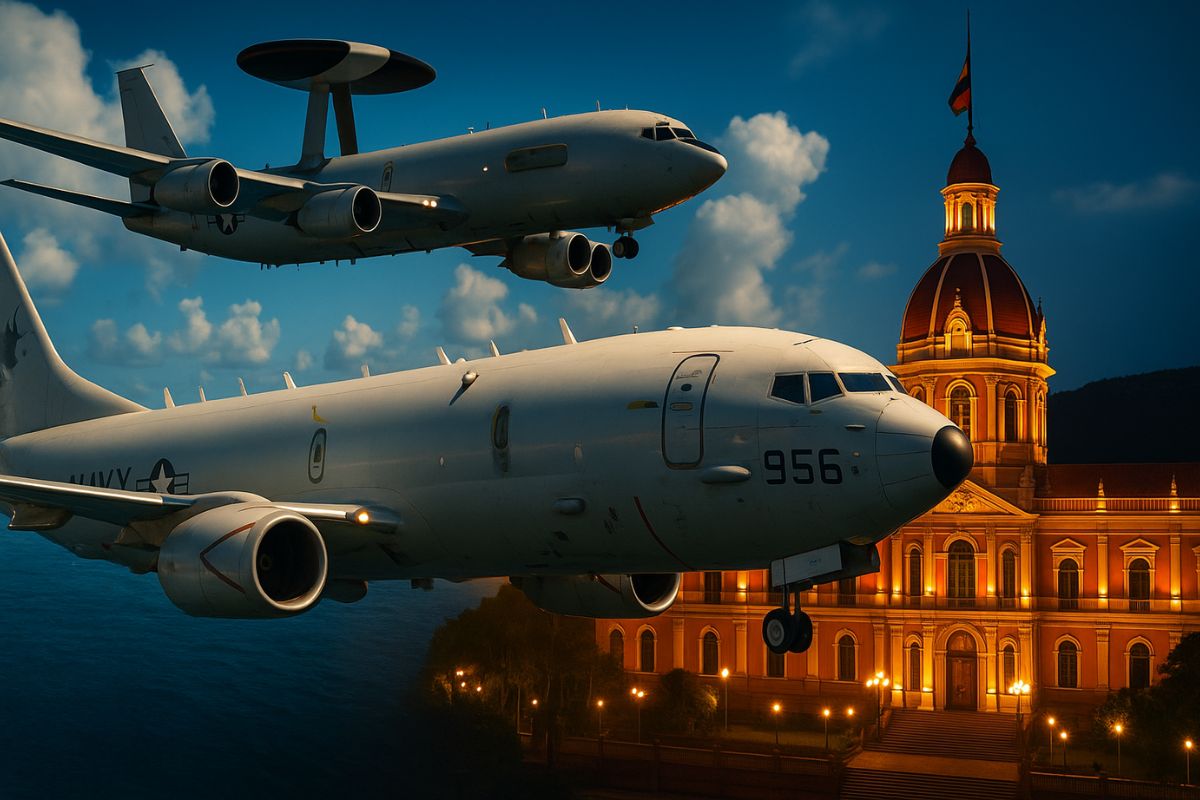
American Surveillance Aircraft Off The Coast Of Venezuela Increase Regional Tension. US Military Operations With P-8 Poseidon And E-3 Sentry Intensify Pressure On Nicolás Maduro And Trigger Alert In Brazil.
The American surveillance aircraft off the coast of Venezuela have drawn attention again this week following operations recorded near the island of Aruba in the Caribbean. According to information from the newspaper O Globo and international agencies, the movement is part of a broader repositioning of US military assets in the region, with a direct impact on diplomatic relations and South American security.
The aircraft — including the P-8 Poseidon, operated from Puerto Rico, and the E-3 Sentry, equipped with airborne radar — are joined by destroyers, submarines, and more than 4,000 military personnel sent by US Southern Command. The stated objective is to intensify the fight against drug trafficking, but the government of Nicolás Maduro views the action as a military intervention threat.
What Are American Surveillance Aircraft
The American surveillance aircraft off the coast of Venezuela are part of an aerial and maritime monitoring strategy. The P-8 Poseidon, derived from the Boeing 737, is used in reconnaissance missions and anti-submarine warfare, while the E-3 Sentry, based on the Boeing 707, operates as an advanced airborne command center.
-
Rigid bags with their days numbered: new trend prioritizes comfort in 2026.

-
YouTuber creates an excavator equipped with a giant 4.5-meter sword to challenge his brother to a rematch, and the invention quickly goes viral on social media.

-
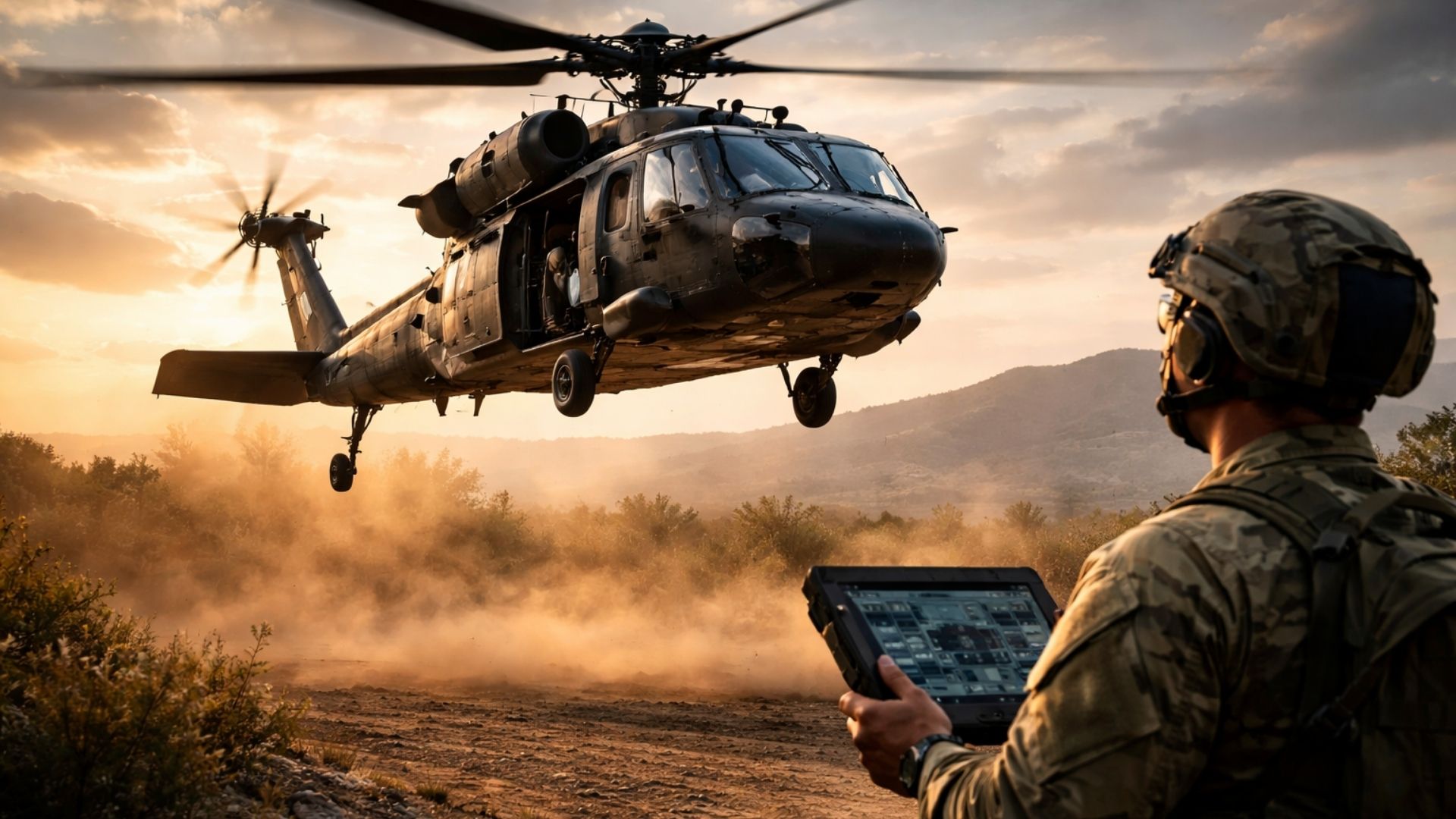
The U.S. Army surprises the world by presenting the UH-60MX Black Hawk helicopter capable of flying without pilots, controlled by a tablet, featuring the MATRIX system, smart sensors, and full autonomy in real combat and rescue missions.
-
Heineken’s factory in Brazil produces 300 million beer cans in just 4 months, reaches 1 million hectoliters, received R$ 2.5 billion, and is already projecting an annual capacity of 5 million with sustainable technology.


These models are considered crucial for mapping targets, intercepting communications, and providing real-time intelligence data for large-scale military operations. The overflights in the region signal that Washington is willing to maintain constant pressure on the Venezuelan government.
Venezuela’s Reaction To The Movement
President Nicolás Maduro reacted vehemently, announcing the mobilization of 4.5 million paramilitaries across the national territory. According to him, the measure aims to reinforce the defense of sovereignty against the “threats” imposed by the United States.
In a statement broadcast on state television, Maduro classified the American presence as “absurd and bizarre,” promising to defend the Venezuelan seas and skies. The government’s rhetoric was also accompanied by criticism of what it calls a “declining empire.”
Impact On Brazil And Latin America
Government interlocutors in Brazil, heard by O Globo, state that the movement of the American surveillance aircraft off the coast of Venezuela can be seen as preparation for a potential military intervention. Despite this, there are no concrete signs of immediate reaction from Brazil, which is cautiously monitoring developments.
For the region, the American military presence in the Caribbean raises the risk of instability. The mobilization could affect not only security but also migration flow, as any escalation of conflict may generate new population displacements.
The Background Of The US Operation
The deployment of aircraft and ships occurs amid the Trump administration’s strategy to intensify the fight against international drug trafficking. Washington classifies Latin American cartels as terrorist organizations and, under this justification, has expanded naval and aerial operations in international waters near the continent.
Additionally, the US doubled to US$ 50 million the reward for information leading to Maduro’s capture, accused of leading the so-called Cartel de los Soles. This political and military offensive strengthens the narrative of direct confrontation with Caracas.
What To Expect Going Forward
The presence of American surveillance aircraft off the coast of Venezuela is expected to continue in the coming months, according to military sources interviewed by Reuters. This prolonged posture is likely to increase tension with Maduro’s government and heighten diplomatic pressure on neighboring countries, including Brazil.
The scenario points to a geopolitical dispute in the Caribbean, where Washington seeks to reinforce its influence and limit Venezuela’s alliances with powers like Russia, China, and Iran. The possibility of a military escalation remains open, depending on Venezuela’s response and the level of American involvement.
And you, how do you view this movement? The presence of American surveillance aircraft off the coast of Venezuela is a legitimate action against drug trafficking or a dangerous step toward conflict? Share your opinion in the comments and join the debate.







-

Uma pessoa reagiu a isso.