





 Portuguese
  English
  Spanish
  4 min of reading
  0 comments


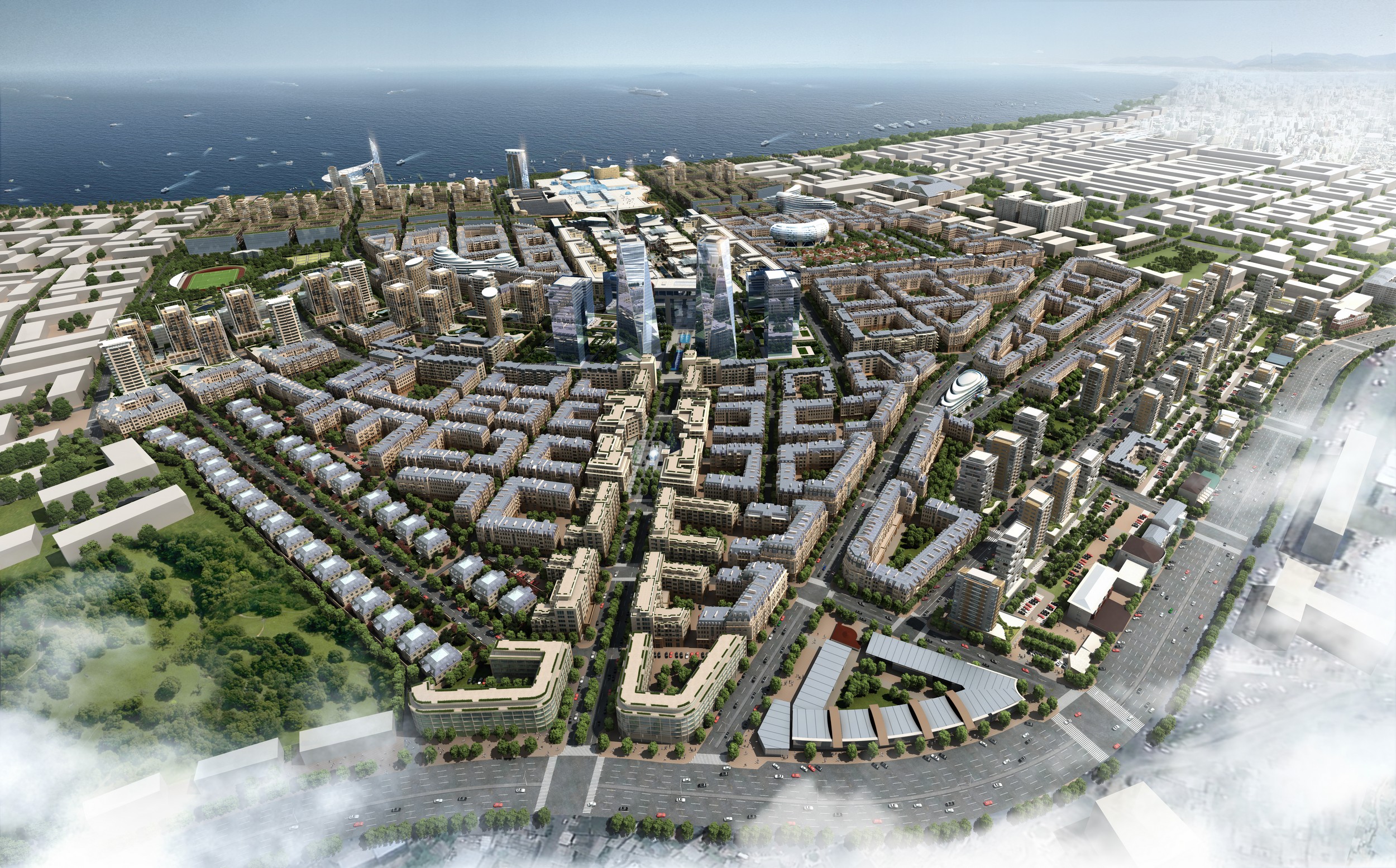
Since 2010, Azerbaijan Has Reclaimed More Than 2,200 Hectares on the Coast of Baku, Advancing Over the Caspian Sea and Transforming Oil Areas into Urban Neighborhoods.
Baku White City: For more than 100 years, the coast of Baku, the capital of Azerbaijan, has been shaped almost exclusively by oil exploitation. Since the late 19th century, when the city became one of the world’s major oil hubs, refineries, storage tanks, pipelines, and industrial areas have taken up practically the entire coastal strip of the Caspian Sea.
This model began to collapse in the late 20th century. With aging industrial facilities and increasing environmental contamination, large stretches of Baku’s coastline became unusable for housing or modern urban activities.
The Turning Point: The Decision Made in the Late 2000s
The turning point began to take shape between 2007 and 2009, when the Azerbaijani government began discussing the reconversion of the capital’s old industrial areas. In 2010, the Baku White City project was officially launched as part of a national urban and environmental redevelopment strategy.
-
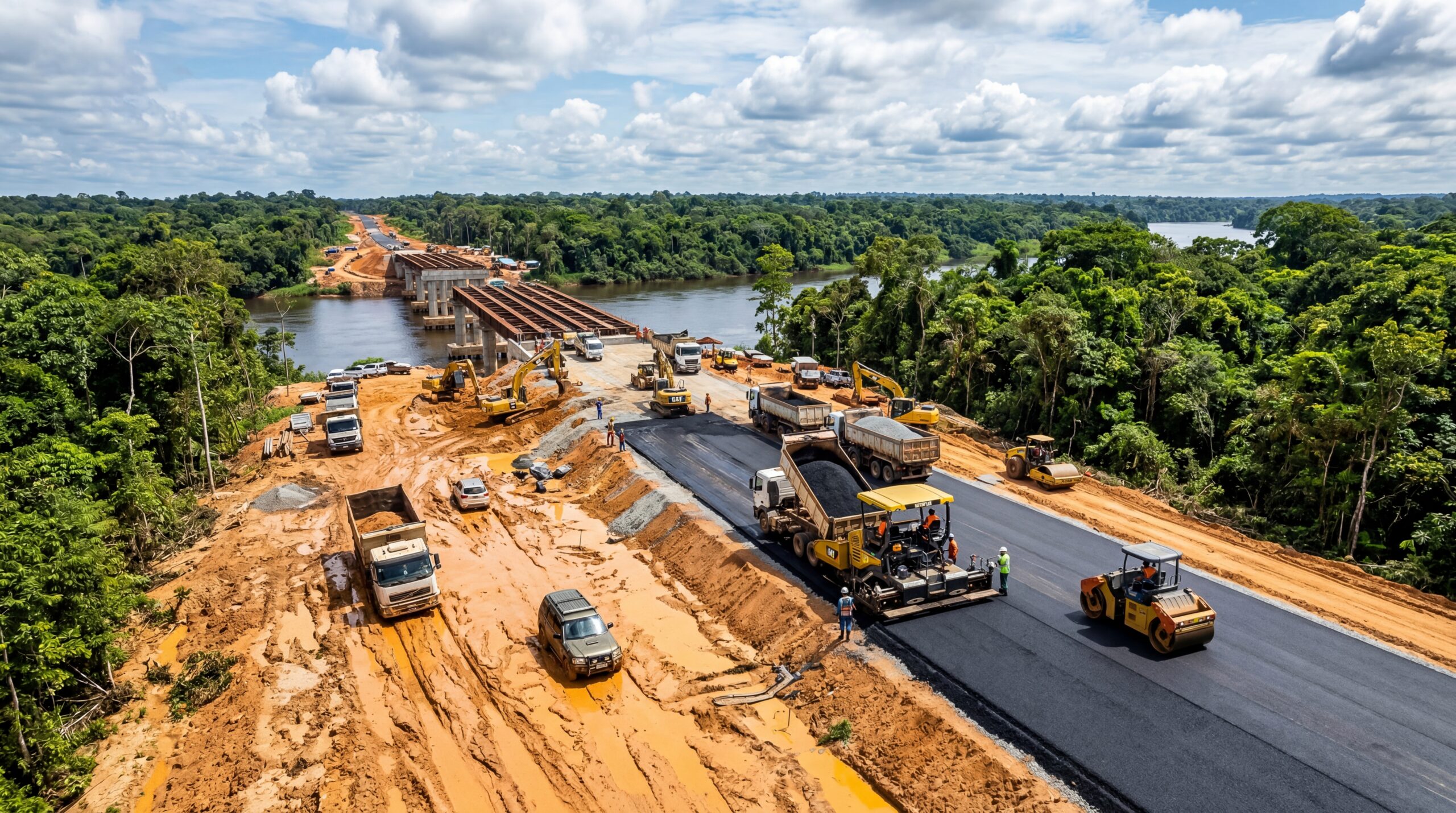
After nearly 50 years of neglect, BR-319 receives R$ 678 million to pave 340 km, gain a 320-meter bridge, and try to lift Amazonas out of the mud, the quagmire, and road isolation.
-
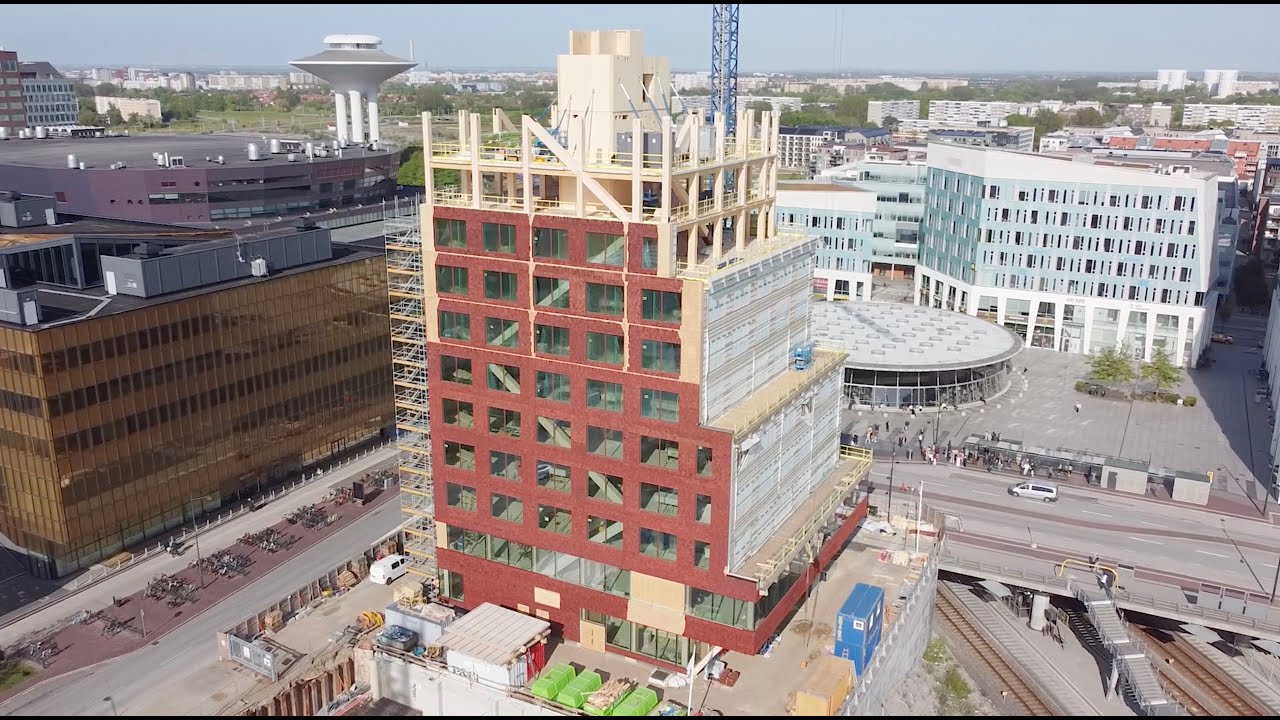
In Sweden, a 51-meter tower was built almost entirely of wood, without a concrete structural core and with solar panels integrated into the facade, using CLT and laminated beams to challenge the dominance of steel and concrete in modern buildings.
-
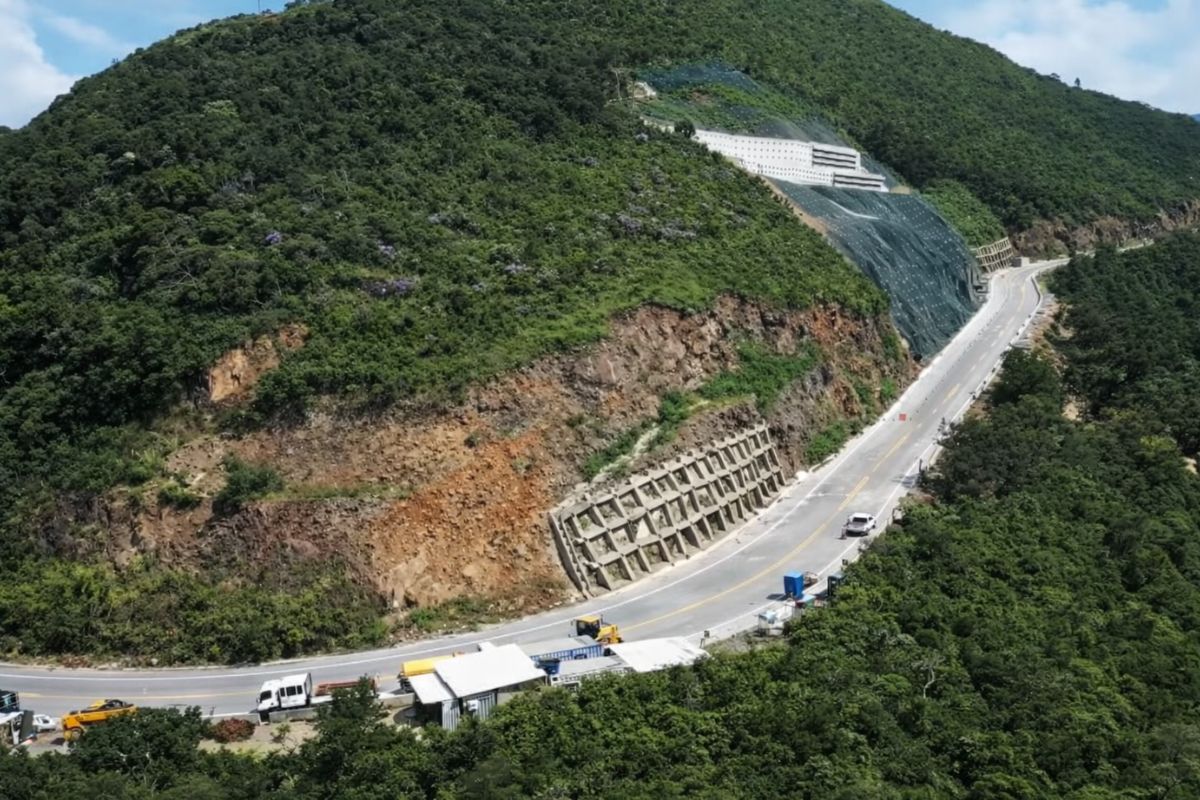
The section of Serra da Rocinha on BR-285 is now open in Timbé do Sul: 50 m tensioned curtains and top-down technique stabilize the slope, with a stairway duct controlling the water.
-
Scientists use sawdust mixed with clay to create a lighter brick, promising efficient thermal insulation and impressing by transforming waste into a solution for construction.

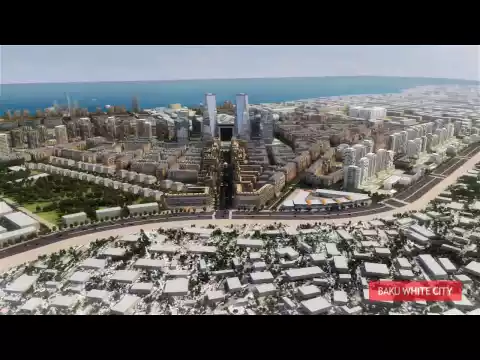

The proposal was ambitious from the start: to reclaim more than 2,200 hectares, about 22 km² — of degraded lands, many of them saturated with oil residues accumulated over decades.
Decades of Contamination Concentrated in a Single Territory
Before construction began, environmental studies conducted in the late 2000s indicated high levels of hydrocarbons in the soil and groundwater in several areas of the coast. This meant that no conventional construction could be done without a prior environmental remediation process.
Between 2010 and 2014, the initial phases of the project were almost exclusively devoted to cleaning the land. Layers of contaminated soil were removed, isolated, or replaced, while critical areas underwent chemical and physical stabilization processes.
This initial work consumed billions of dollars even before the construction of the first residential buildings.
Physical Advancement Over the Caspian Sea Throughout the 2010s
Starting in 2014, the project entered a new phase: the reconfiguration of the coastline. Some of the planned urban areas required landfills and containment extending over the Caspian Sea, particularly in zones where old industrial structures prevented urban use.
Unlike open seas, the Caspian exhibits natural level variations, which required long-term coastal engineering solutions. Between 2015 and 2020, containment, deep drainage, and soil stabilization works were executed to allow for permanent buildings.
Billion-Dollar Investments Supported by Energy Wealth – Baku White City
The funding for Baku White City was primarily made possible by the wealth accumulated from oil and natural gas. During the peak of energy revenues, especially between 2005 and 2014, Azerbaijan amassed sufficient capital to fund large-scale urban projects.
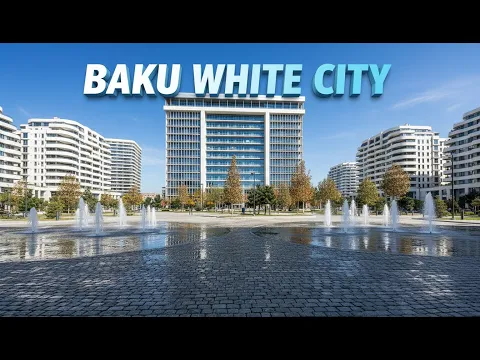
Although there is no single official consolidated value, estimates throughout the 2010s indicate that the entirety of the project involves several billion dollars, combining environmental remediation, urban infrastructure, and real estate construction.
Buildings and Neighborhoods Start to Emerge from 2016
Only after years of land preparation did the first residential and commercial buildings begin to take shape from 2016. New planned neighborhoods began to occupy areas that were previously completely unfeasible.
By 2018, the city began to see the first clear signs of transformation: modern avenues, green areas, and waterfronts replacing rusty tanks and abandoned land.
A New Urban Coastline for Baku in the 2020s
By the 2020s, Baku White City had established itself as one of the main fronts of urban expansion for the capital.
The city’s relationship with the Caspian Sea changed drastically: the coastline ceased to be an exclusionary industrial zone and became integrated into the urban fabric.
In addition to the real estate impact, the project became a political and urban symbol of post-industrial Azerbaijan, marking the transition from an economy based solely on oil to a more diversified urban vision.
A Project That Is Still in Progress
Despite the advances, Baku White City is not completely finished. Some areas remain under development, with new phases planned throughout the 2020s.
This reinforces a central point: this is not an isolated experiment, but a continuous urban transformation, which has lasted for over 15 years and will continue to shape the future of the capital.
When Time Becomes an Ally of Urban Engineering
Unlike short-sighted projects, the reurbanization of Baku’s coast shows that transforming degraded industrial areas requires time, money, and long-term engineering.
The city that now emerges over the Caspian Sea is the result of decisions made back in the late 2000s and executed over decades.
Just as Kuwait brought the sea to the desert and China brought the city to the middle of the continental desert, Azerbaijan is, step by step, bringing the city into the sea, reconstructing not just the territory but the very urban identity of Baku.




-

-

-

-

-

14 pessoas reagiram a isso.