





 Português
  Inglês
  Espanhol
  5 min de leitura
  0 comentários


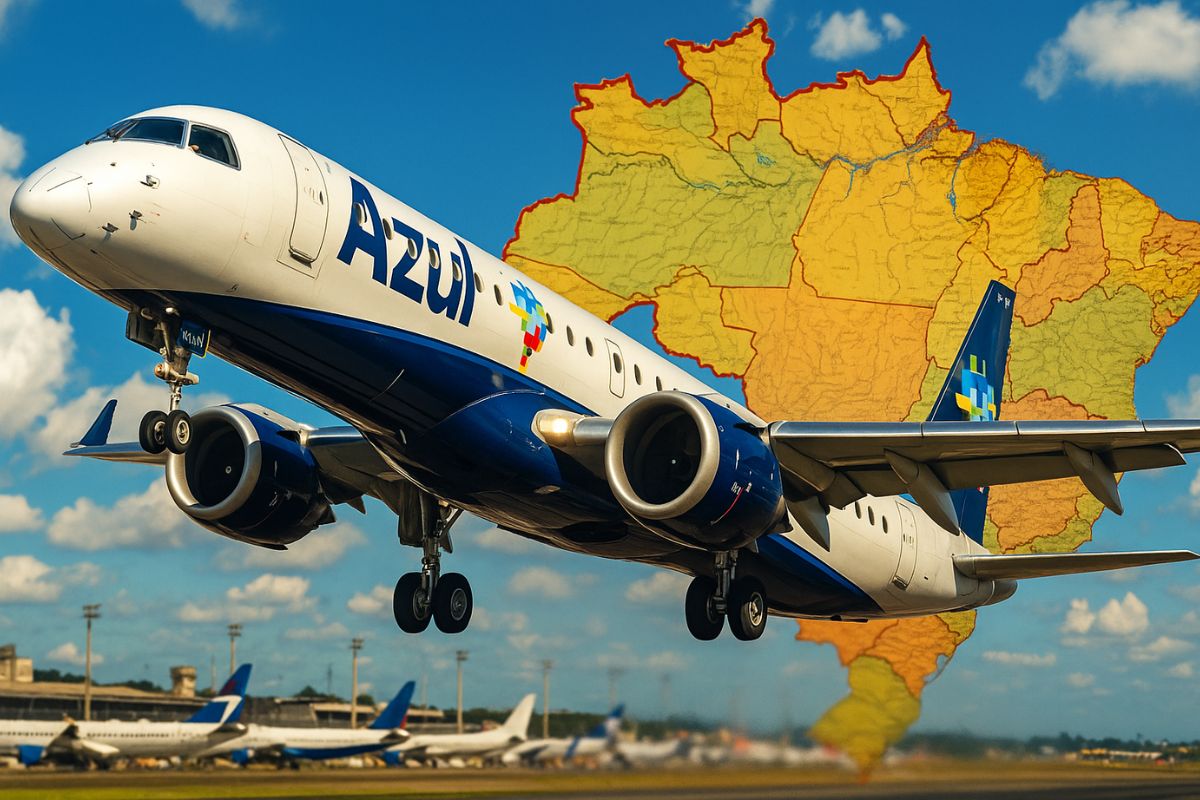
Azul Has The Largest Airline Network in Brazil, With Over 900 Flights Per Day, 150 Destinations, and Exclusive Presence on 81% of Regional Routes.
The statement that Azul has the largest airline network in Brazil reflects a strategy centered on connecting small and medium cities without losing national reach. The result is unprecedented capillarity in the country, with operations that stream demand where there was previously little supply and feed hubs that concentrate connections across the map.
At the same time, this leadership arises from a fleet and route design aimed at combining operational efficiency and access. In a volatile market, the company adjusts frequencies, repositions aircraft, and rebalances served cities to maintain a sustainable network growth with discipline has become a key principle.
Regional Capillarity: The Logic Behind Exclusivity
The historic bet was to occupy under-served regional routes, where competition was low and the need for connection was high. This choice explains why Azul has the largest airline network in Brazil and why it is the only operator on about 81% of the routes it flies.
Instead of only competing for classic air bridges, the company created new city pairs, shortening routes that previously required long land connections or flights with multiple stops.
-
The world’s first octopus farm wants to open in the Canary Islands and is already provoking an international reaction: the plan aims to produce 3,000 tons per year.

-
Drought may be creating stronger superbugs in the soil and helping antibiotic resistance reach hospitals, warns a study highlighting a problem that could grow alongside extreme weather.

-
The biggest scam in history: Napoleon’s France deceived the United States by selling them a territory that was Spanish.

-
Why is the Danakil Desert so dangerous? It has unstable terrain and how extreme temperatures and toxic gases turn the region into one of the most hostile environments on Earth.


This regional map is not static. The company connects industrial, tourist, and logistical hubs to distribution centers, expanding the network effect. For those living far from state capitals, a daily flight can mean faster access to services, markets, and opportunities, creating space for local businesses and attracting investments.
Customized Fleet and Distribution Hubs
To sustain this capillarity, the fleet design is crucial. Smaller aircraft (like the ATR turbo-props) enable lower-density markets, while longer-range jets like the Airbus A320neo absorb demand peaks and trunk routes.
This combination allows the right plane to match the right route, reducing cost per seat and maintaining frequencies that make sense for passengers’ real-life needs.
At notable hubs like Viracopos (Campinas) and Confins (Belo Horizonte), the network consolidates.
These are connection centers where arrivals and departures intertwine, shortening waits and multiplying itinerary options.
Organized flow and scheduled times increase the chance of quick connections, a key advantage in a continental country.
900 Flights Per Day, 150 Destinations: What These Numbers Mean
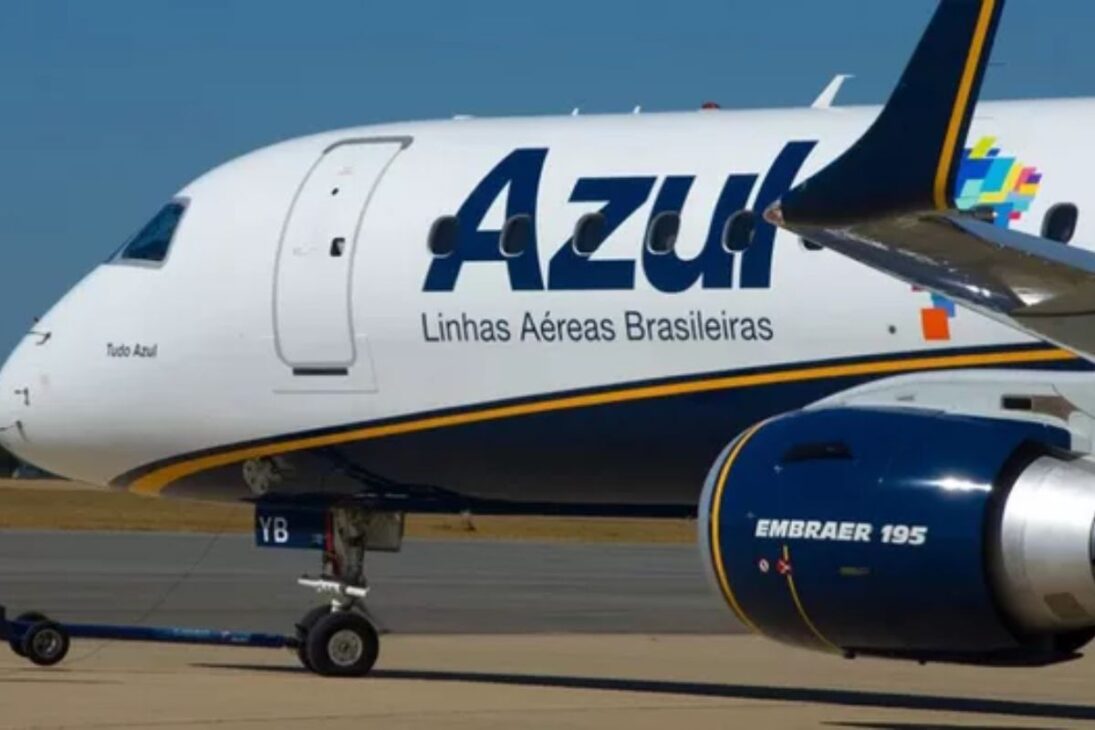
Claiming that Azul has the largest airline network in Brazil, with over 900 daily departures and 150 destinations, goes beyond marketing: it signifies a density of supply.
On short routes, greater frequency reduces the “cost of time” and improves predictability for those who rely on air travel for work.
In rural areas, a stable air link can be the difference between selling and not selling, between attracting and losing events, and between retaining and seeing qualified talent leave.
For passengers, the practical experience is more options when planning a trip.
In many segments, the exclusivity of operation keeps the route alive; in others, the variety of schedules facilitates fitting commitments without unnecessary overnight stays.
Regular supply creates habits and habits generate demand.
Competition, Mergers, and The Sector’s Chess Game
The growth of the regional network has also repositioned the competitive game. The integration with other regional carriers in the past expanded capillarity; over time, the market speculated about corporate combinations to gain scale.
In 2025, merger discussions with another major company advanced but were subsequently terminated.
The message for consumers: regardless of the corporate outcome, what matters is the continuity of service and the quality of the network that serves each city.
The competition for profitable routes in state capitals coexists with the need to defend regional niches.
This balance determines tariffs, frequencies, and the permanence of cities on the map, a board where operational efficiency and financial health hold equal weight.
Route Adjustments: When Leadership Requires A Handbrake
In very extensive networks, adjustments are part of the game. Ending flights in cities with demand below expectations, recalibrating schedules, or shifting capacity between bases does not contradict the fact that Azul has the largest airline network in Brazil; it is, in practice, how this leadership remains sustainable.
Fuel costs, exchange rates, and aircraft availability influence short-term decisions, which may mean pauses, frequency reductions, or equipment swaps.
For passengers, keeping track of seasonality is essential: tourist routes tend to concentrate flights in high season, while corporate segments preserve peak schedules.
In both cases, buying in advance and watching connection windows helps ensure better prices and itineraries.
Impact on Cities: From Local Development to National Connectivity
The presence of regular flights attracts businesses, shortens logistics chains, and encourages tourism. In medium-sized municipalities, a daily flight connects the local economy to the country and changes the growth curve of sectors like health, education, and technology.
Azul has the largest airline network in Brazil precisely because it bets where the airplane becomes essential infrastructure and not just a convenience.
For local governments and airports, the message is clear: tax policies, efficiency on the ground, and land integration make a difference in route permanence.
When the city facilitates, the airplane stays; and when it stays, the multiplier effect appears in employment and income numbers.
What To Observe As A Consumer
Before deciding, compare frequencies and schedules as well as prices. On many regional routes, the cheaper alternative may cost an extra day of travel.
Plan realistic connections at the hubs, monitoring gate changes and network adjustments; well-timed routes decrease cascading delays.
If your city depends on an exclusive route, vary dates and purchasing windows: elasticity can open up better fares.
Miles and clubs can help stabilize costs on frequently traveled segments.
Azul has the largest airline network in Brazil because it prioritized regional capillarity with fleet discipline and efficient hubs.
In a sector sensitive to costs and cycles, leading means adjusting without losing reach. For passengers and cities, the quality of this network is measured in time saved, connections made, and routes that remain.
And you, do you live in a city served by Azul? Has this expanded network made your daily life for work, health, or studies easier? On exclusive routes, have you noticed an increase in frequency or price adjustments?
Share in the comments which change has impacted your routine the most and which new route or frequency would make a difference in your region.









-

-

-

14 pessoas reagiram a isso.