





 English
  Francês
  Alemão
  Italiano
  Japonês
  Norueguês
  Portuguese
  Spanish
  2 min of reading


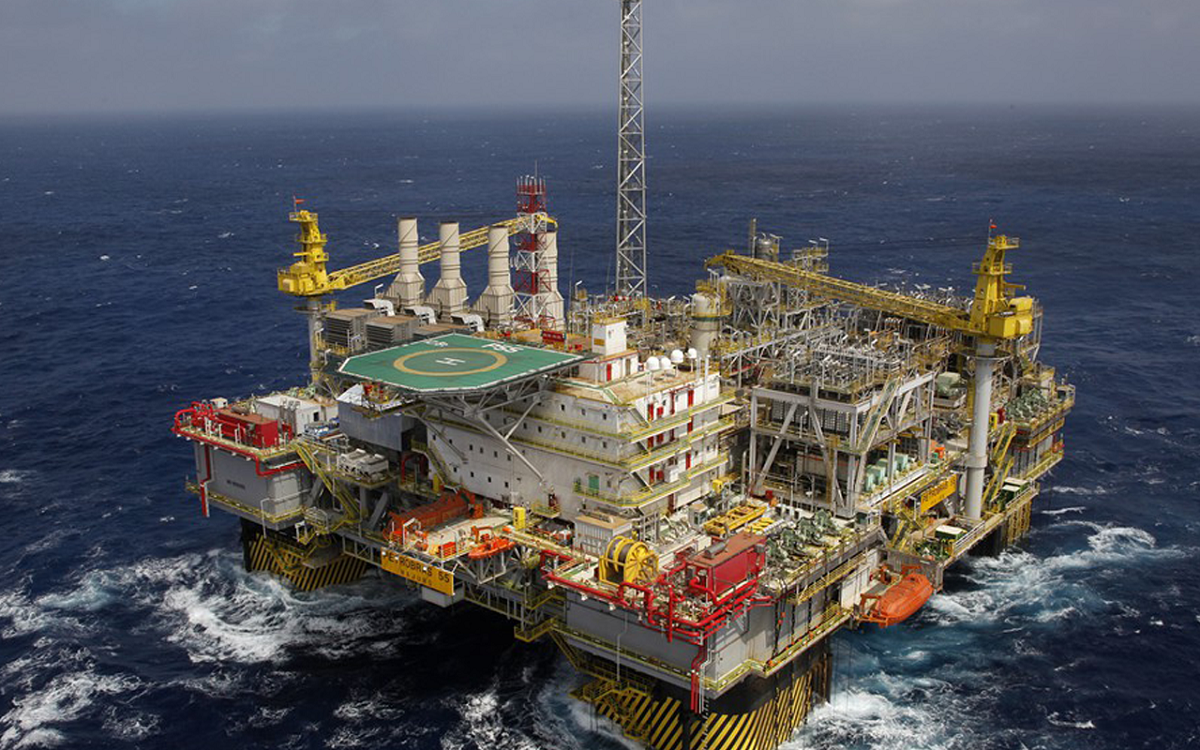
With The Lack Of Fuels To Supply The Offshore Units In The Campos Basin, Work Supplies Are Already Starting To Run Out
There Is A Risk Of Halt In Activities At Airports Where The Embarkation And Disembarkation Of Oil Workers Occur In The Campos Basin, As Well As Other Supplies And Food For The Oil Platforms. The NF Oil Workers’ Union Requests To Be Notified As Soon As Problems Arise In This Respect, So That They Can Take The Necessary Demands To Halt Oil And Gas Activities Across The Basin, Regardless Of The Segment Or Service Type, Including The Immediate Disembarkation Of All Workers.
At This Moment, Aviation Kerosene Is At A Critical Level And If In The Next Two Days The Situation Of The Freight Transport Strike Does Not Normalize, It Will Be Necessary To Use The Emergency Stock Intended For Embarkation And Disembarkation, That Is All.
-
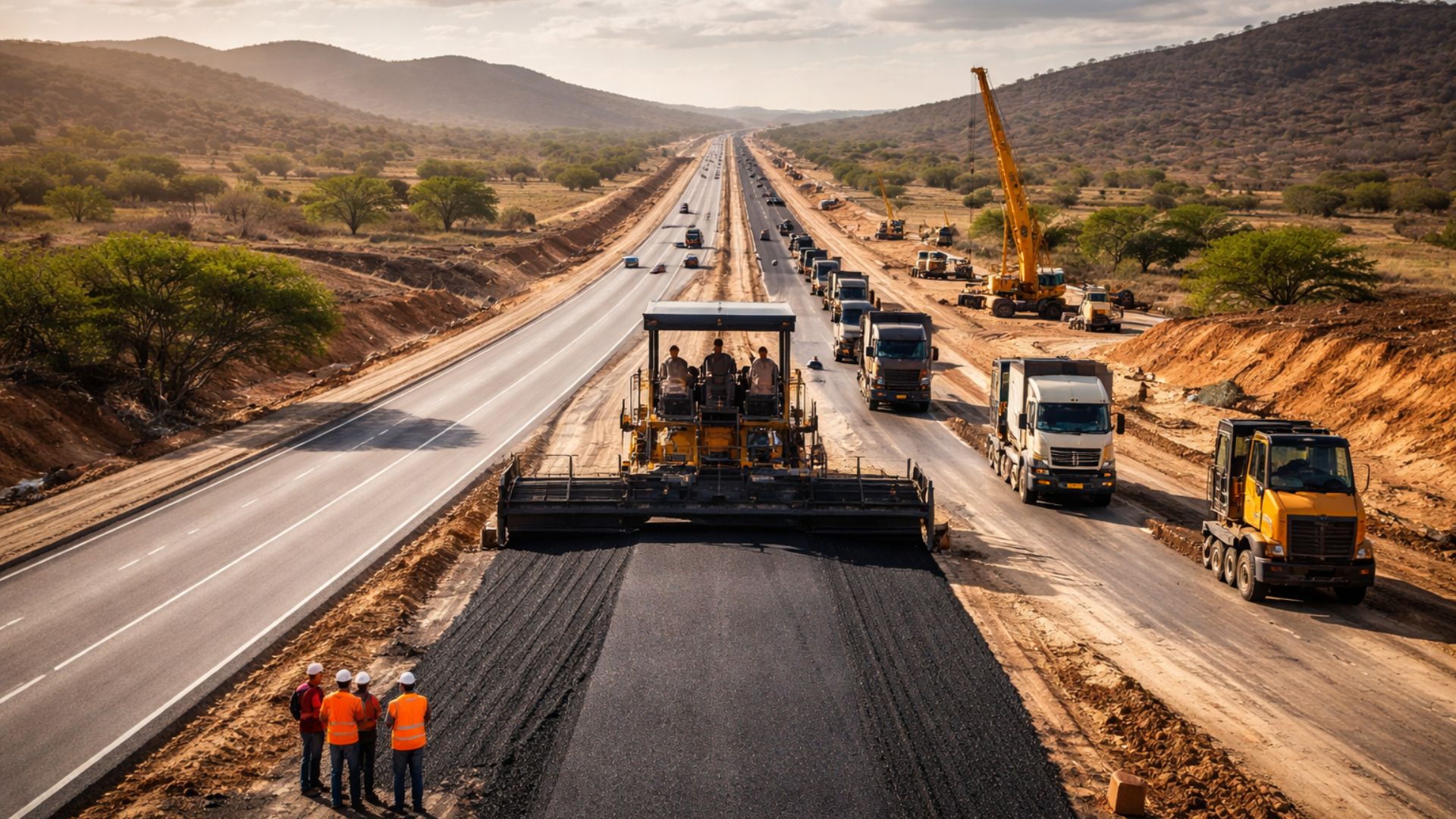
Government unlocks R$ 554 million for a highway that has been requested for decades and accelerates the duplication of BR.
-
Without bricks, without cement, and without endless construction: the cardboard house that is assembled in modules and can be moved.

-
Billions of barrels on the equatorial margin could lead Amapá to double its oil production in Brazil — the state aims to enter the route of companies in the Campos Basin, attract investments, and boost jobs and businesses in the oil and gas sector.
-
Without bricks, without cement, and without endless construction: the cardboard house that is assembled in modules and can be moved.

The Union Also Criticizes The Parties And Supporters Who Were In Favor Of The Impeachment Of Former President Dilma, That The Increases In Fuels Are Higher In The Current Government Than In The Last 13 Years Of The PT Government. According To Numbers Released By The General Coordinator Of Sindipetro NF, Tezeu Bezerra, The Increases Under The PT Were 28% While In Michel Temer’s Government, This Percentage Is Over 70%.
Cascade Effect
The Entire Fleet Of Offshore Activities And Support Requires The Transportation Of Cargo By Trucks To Deliver Fuels To Vessels And Oil Platforms, As They Operate With Diesel Engines That Generate Electricity. Electronic, Navigation, And Communication Systems In This Unit Depend On Fuel Logistics. With Offshore Operations Halted, There Is Less Fuel Production, With Less Supply In The Market, Prices Will Rise (Law Of Supply And Demand), Making Prices Higher Than They Already Are And Increasing Operational Costs. The Fight Now Is For The Government To Reduce Taxes, Which Are Responsible For Over 50% Of The Final Cost To The Consumer.









Seja o primeiro a reagir!