





 Portuguese
  English
  Spanish
 4 min of reading
  0 comments


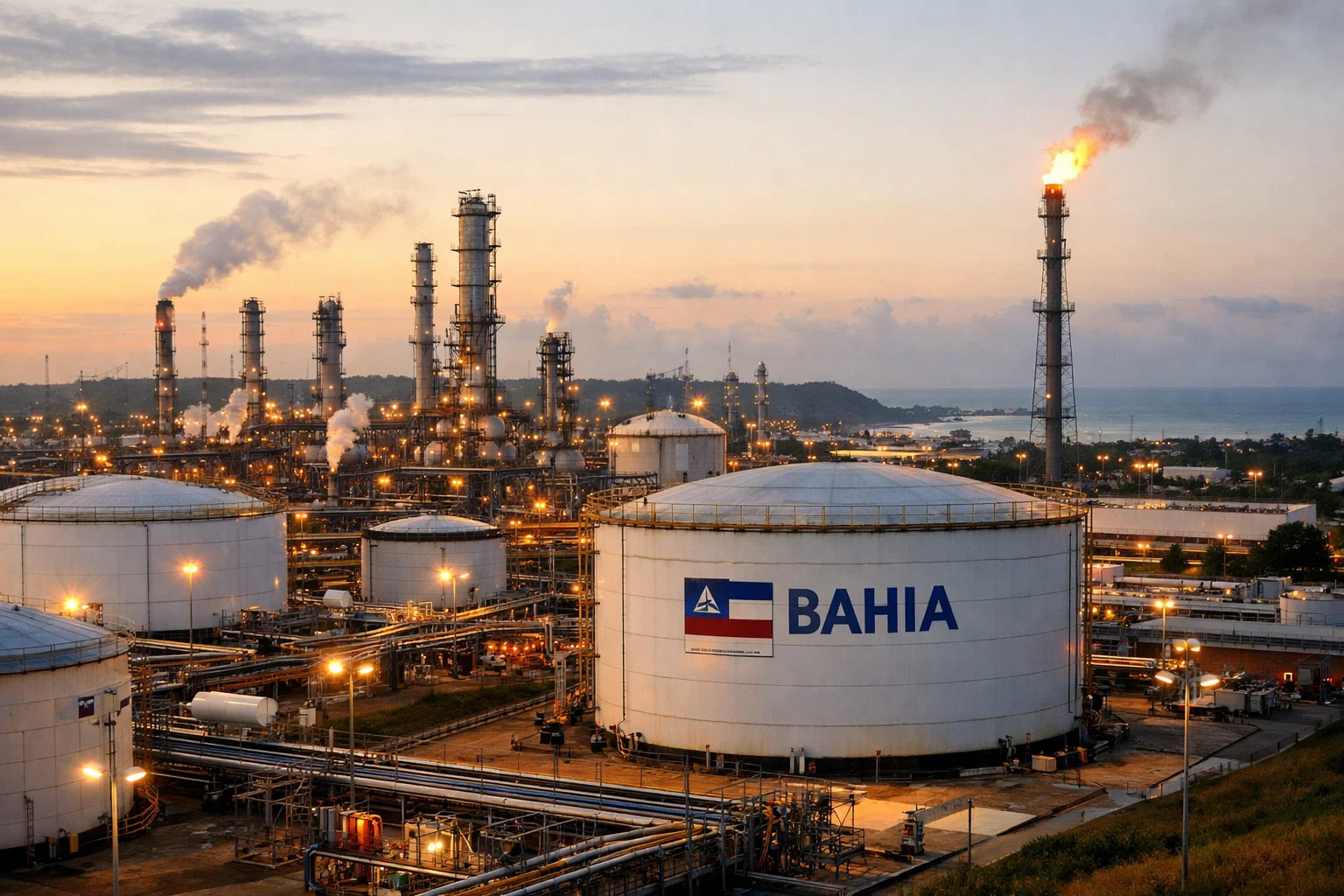
With units planned in Simões Filho and Camaçari, new industrial projects advance to start operations in 2026, while the Mataripe Refinery returns to the center of Petrobras negotiations

The Brazilian energy sector is expected to undergo significant changes starting in 2026. Bahia emerges as one of the main protagonists in this movement. The state is set to receive two new oil and gas refineries, expanding its production capacity.
-
A study confirms that the natural gas sector will reduce greenhouse gas emissions in Brazil by 0.5% and accelerate the energy transition by 2026.

-
Petrobras implements a severe adjustment and confirms a 55% increase in the price of aviation kerosene with a proposal for installment payments for the companies.

-
The rise in oil prices could ensure an extra revenue of R$ 100 billion for the Federal Government, indicates a recent economic study.

-
Naturgy begins an investment of R$ 1.6 million to expand the gas network in Niterói and benefit thousands of new residences and businesses.

The new units will be located in the Metropolitan Region of Salvador, in the municipalities of Simões Filho and Camaçari. The initiative strengthens Bahia’s historic role in the energy and refining sector.
This information was disclosed by data from the Dynamic Refinery Authorization Panel, from the National Agency of Petroleum (ANP). The platform gathers the updated status of authorized projects throughout the country.
According to official records, the projects belong to the companies Brasil Refinarias and Dax Oil. Both projects are advancing to start operations in 2026.
Additionally, this scenario occurs amid negotiations involving the Mataripe Refinery. The asset has returned to the center of strategic discussions in the national energy sector.
New Refineries Expand the Productivity Capacity of Bahia
The arrival of the two refineries reinforces Bahia’s position as an energy hub. The state already has established infrastructure in the oil and gas sector. Now, it is set to further increase its capacity.
The expectation is for an increase in production and revenue. This movement may also generate direct and indirect jobs. Furthermore, there is potential to attract new private investments.
The units will be situated in strategic areas. This facilitates the distribution of production. It also strengthens integration with existing industrial hubs.
Experts believe that the economic impact will be significant. Local refining reduces logistical costs and increases regional competitiveness.
Brasil Refinarias Advances in Simões Filho with Nearly Completed Works

The refinery of Brasil Refinarias will be located in Simões Filho. The municipality is part of the Metropolitan Region of Salvador. The construction is already in its final phase.
According to the ANP, about 95% of the works are completed. Only the update of the official delivery schedule remains. The unit will be installed in the Centro Industrial de Aratu (CIA).
The estimated production capacity is 736 barrels of oil per day. This volume meets the defined scope for the project. The expectation is to start operations in 2026.
With the commencement of operations, the refinery is expected to enhance regional production. The project also contributes to diversifying Bahia’s refining sector.
Dax Oil Projects High Production in Camaçari
The refinery of Dax Oil will be located in Camaçari, another strategic municipality in the metropolitan region. The project presents more robust production numbers.
According to the ANP Dynamic Panel, delivery is expected in May 2026. The trend is for the unit to produce around 15,695 barrels per day.
This volume places the venture among the largest private refining projects in the state. The location in Camaçari favors industrial synergies.
The municipality hosts one of the largest industrial hubs in the country. This can boost productive chains linked to energy and the chemical industry.
Mataripe Refinery Returns to the Center of Negotiations
As new units progress, the Mataripe Refinery also gains prominence. The unit is located in São Francisco do Conde. It is currently controlled by the Arab fund Mubadala, through Acelen.
In recent weeks, Petrobras has initiated preliminary talks for a possible buyback. However, the formal proposal is expected to occur only in 2026.
According to information published by the newspaper Estadão, the idea is to keep the Mubadala fund in control of Acelen Renováveis. There is a possibility of shared management. A complete takeover is also not ruled out, depending on the agreement.
The outcome could directly impact the refining sector. The decision influences the balance of the energy market in Bahia.
Economic and Strategic Impacts for the State
The combination of new projects and potential changes in strategic assets points to a period of strong movement. Bahia may enhance its prominence in the oil and gas sector.
The investments are expected to generate jobs and strengthen local suppliers. There is also an expectation of increased state and municipal revenues.
Analysts believe that the state can consolidate itself as a national reference in refining. This occurs at a time of reconfiguration in the Brazilian energy market.








-

-

2 pessoas reagiram a isso.