





 Portuguese
  English
  Spanish
  5 min of reading
  0 comments



With the change led by the Central Bank, the New Collection Platform requires complete identification of the payer and beneficiary to reduce fraud, expedite settlement, and provide traceability for all invoices in the country.
The Central Bank has determined the end of the unregistered invoice and now requires, in all collections, identification by CPF or CNPJ of the payer and beneficiary. The measure, gradually implemented since 2017 in the New Collection Platform, aims to modernize the system and close loopholes used in scams such as false invoices, where data is tampered with to divert payments.
In practice, every invoice now originates registered in a centralized and auditable database. This changes the flow of issuance, settlement, and dispute, improves evidence in case of dispute, and enables services such as second copies with updated values, integration with Pix, and automated communication of due dates.
What Changes for Companies and Consumers
The elimination of the unregistered invoice removes the document that only “appeared” to the bank at the time of payment. Previously, the issuer generated the collection with a lower fee and without prior registration.
-
The lack of truck drivers in the country is already halting shipments and threatening deadlines: 88% of transport companies are unable to hire, with an average of eight trucks idle, and the port complex of Itajaí is now feeling the impact.

-
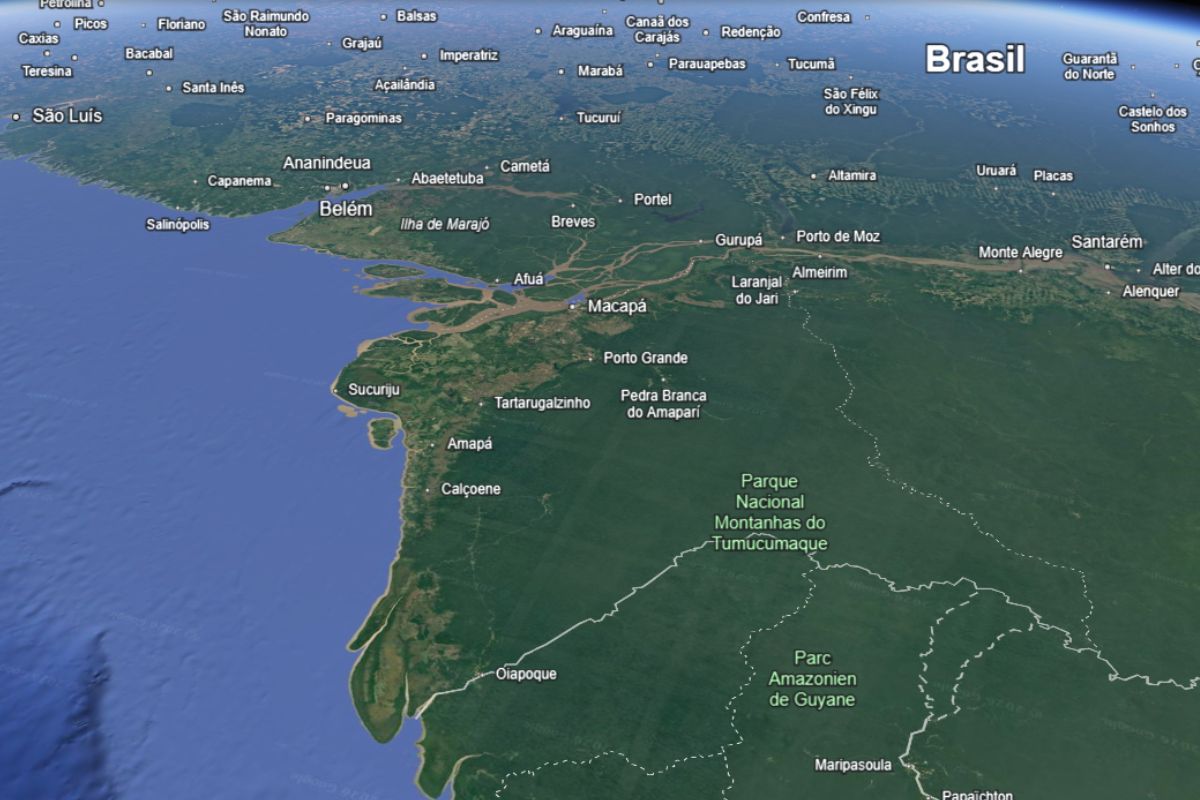
Petrobras is about to transform a forgotten city in the far north of Brazil into the capital of oil: Oiapoque is already feeling the effects even before the first drop of oil comes out from the seabed.
-
The Economist says that Brazil has a secret weapon in the oil war during this crisis: ethanol, biodiesel, and flex-fuel vehicles. With Petrobras holding costs, fuel prices are rising 10% to 20% here, compared to 30% to 40% in the USA.

-
Unilever is negotiating the sale of Hellmann’s, Knorr, and its entire food division in a deal that could reach R$ 186 billion to transform into a company focused exclusively on beauty and personal care.


The problem is that late identification made tracking difficult and favored fraud, in addition to hindering protests in case of default.
With mandatory registration, each title includes the name and CPF or CNPJ of the payer and beneficiary, amount, and due date.
The result is a complete trail from issuance to settlement, with automatic validations at the Interbank Payment Chamber.
For the consumer, this means checking in the bank app if the beneficiary’s data matches the entity that actually sold the service.
For the issuer, the management of receivables becomes more predictable and auditable.
How the New Collection Platform Reduces Fraud
The registration creates a verification layer that confronts the invoice presented at the counter, in internet banking or in the app with what is registered in the system.
If there is a discrepancy, payment is blocked and the customer receives an alert for verification.
This mechanism directly targets the altered invoice scam, very common when criminals intercept emails and change the barcode.
The requirement for CPF or CNPJ also increases the cost of crime. Fraudsters need to associate a verifiable good faith to each false invoice, which facilitates investigations and accountability.
The centralization of data, furthermore, improves banks’ work in detection of anomalous patterns and reduction of repeated fraud attempts.
Operational and Financial Impact for Issuers
For companies, micro-entrepreneurs, and self-employed individuals who used unregistered invoices because it was cheaper, there are process and cost adjustments.
The issuer needs to send the registration file to the bank upon creation of the title and keep the debtor database updated.
On the other hand, they gain functionalities that were previously unavailable, such as automatic write-off, discounts, parameterized late fees, and second copy with updated calculations.
In cash flow, the gain comes from faster and more predictable settlement, including the possibility of reconciling receipts via Pix referencing the invoice.
For wallets with high volumes, automation reduces errors and reconciliation time, improving delinquency and credit recovery indicators.
What If a “Non-Registered Invoice” Appears
Even with the rule, the notice “not registered” can still arise due to processing failure or fraud. In such cases, the procedure is straightforward.
Do not pay the document. Confirm directly with the beneficiary through official channels and request a resend.
If suspicion persists, file a complaint with the bank and report to the Central Bank.
Legitimate registration errors are corrected by the issuer through new registration, while false invoices should be discarded.
Governance, Traceability, and Evidence in Disputes
The registration transforms the invoice into a document with an audit trail, which strengthens the position of both sides in disputes.
In case of non-payment, the creditor now has backing for protest and extrajudicial collection.
In case of fraud, the chain of information facilitates tracking the origin of the diversion.
For the financial system, standardization enhances the quality of data and improves prudential supervision.
Where This Change Connects to Pix
The integration between invoices and Pix does not replace the registration; it enhances it.
QR Codes linked to the registered title reduce typing errors, speed up settlements, and keep billing information consistent.
For the end customer, the important thing is always to check the beneficiary’s name, CNPJ, and amount at the time of payment, whether by barcode or by Pix Copy and Paste.
Data and Scale of the New Model
Since the start of the migration, the New Collection Platform has begun to process billions of titles with automatic checks, consolidating the registered invoice as the market standard.
In five years, the system has registered tens of billions of documents, with evident gains in traceability and reduction of loopholes.
The sector itself reports a decline in classic modalities of fraud associated with the old unregistered model and, in parallel, an evolution of criminals to more sophisticated techniques, reinforcing the importance of user verification.
Why the Central Bank Changed the Rule
The motivation is for security, efficiency, and inclusion. The invoice is ubiquitous in retail, services, and the public sector.
By requiring CPF or CNPJ and prior registration, the Central Bank creates incentives for a more trustworthy ecosystem, reduces litigation, and enhances the competitiveness of those who sell legitimately.
In a market that coexists with Pix and cards, the invoice remains relevant, and data governance is the foundation for its longevity.
Have you ever had a problem with an altered invoice or a “not registered” notice? Did the validations required by the Central Bank improve your payment routine or increase the issuance cost in your business? Share what the biggest challenge was in adapting to the registered invoice and what practice you adopt today to ensure authenticity in billing and payments. We want to hear from those who live this experience.








-

-

-

-

-

-

111 pessoas reagiram a isso.