





 Portuguese
  English
  Spanish
  5 min of reading
  1 comment


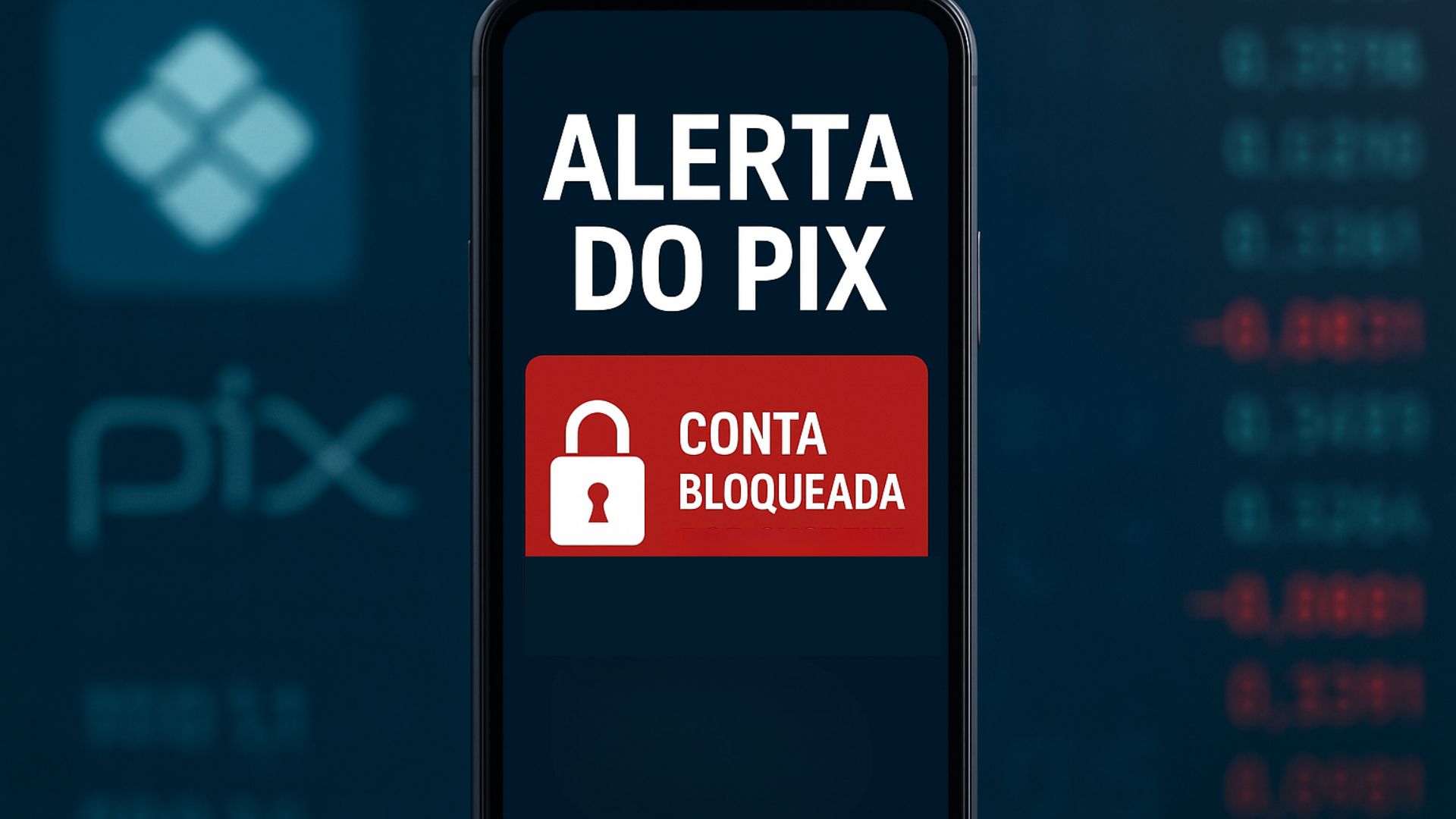


Central Bank Prepares Alert System on Pix to Identify Blocked Accounts, Increase Transparency in Transfers, and Strengthen Security Against Fraud in the National Financial System.
The Central Bank is considering implementing an automatic alert on Pix that informs, at the time of key consultation, when the destination account is blocked due to suspected fraud.
The measure, currently under technical analysis, would create a clear warning before the confirmation of the transfer and should prompt major banks, such as Banco do Brasil, Caixa, and Bradesco, to display blocking messages to the user in flagged cases.
The initiative aligns with BCB Resolution No. 501, published on September 11, 2025, which mandated institutions to reject transactions destined for accounts with founded suspicion of involvement in fraud.
-
Petrobras sends a message to Brazilian truck drivers after fuel collapse and reveals plan to have 100% domestic diesel.

-
Mothers and daughters come together, create an ‘express’ beauty salon and turn the idea into a network with 21 units, revenue of R$ 16.7 million and 12,000 subscribers.

-
End of the 6×1 schedule: how the reduction of hours can affect service companies, industry, and agribusiness.

-
Brazil Ignores Trump’s threats to BRICS, Buys 42 tons of gold and reduces the Dollar’s share by 6.45% in international reserves.


Alert on Pix and Impact for Users
According to the studied design, the alert would appear when the payer consults the Pix key of the payee.
If the system identifies that the account is blocked due to suspicion, the bank’s own environment will show a preventive message, allowing the user to withdraw from the operation before the debit.
The proposal, treated as an intermediate solution, aims to reduce losses without automatically blocking every transfer, increasing transparency at the decision point.
The indication that the alert is under evaluation was reported by specialized vehicles based on sector information and attributions to the Central Bank.
Resolution 501: New Rules for Banks
BCB Resolution No. 501/2025 amended Resolution 142/2021 and determined that financial institutions, payment entities, and other authorized parties by the regulator must reject payments when there is founded suspicion of fraud in the destination.
The obligation applies to deposit and payment accounts, covering instruments such as Pix, TED, DOC, slip payments, and internal transfers.
The declared objective is to disrupt illicit flows, facilitate the recovery of funds, and strengthen the security of the National Financial System.
Institutions must adjust systems and processes by October 13, 2025, the compliance deadline announced through legal communications detailing the rule.
Strengthening Pix Keys
Changes from July 2025 already require banks to validate key data with the Federal Revenue Service to avoid inconsistencies exploited by scammers, such as linking divergent names to CPFs or CNPJs.
According to Agência Brasil, the measures affect a small fraction of the total keys and focus on curbing registration fraud, unrelated to tax delinquency.
This reinforcement adds to the most recent rules and prepares the ground for more accurate alerts in key consultations.
Shell Companies: Sanctions Under Discussion
While the prevention package advances, the sector’s proposal to ban for up to five years CPFs and CNPJs used in shell companies is still under discussion.
The support for the measure comes from some banks, which argue that the restriction would discourage the rental of accounts for scams.
However, the regulatory authority has shown resistance.
Technicians express caution with the risk of affecting victims of identity theft and raise doubts about the legal basis for such a sanction without discussion in Congress.
Simultaneously, there is increasing support for the strategy of enhancing controls over suspicious accounts, with case-by-case evaluation and communication to the holder when a transaction is refused due to suspicion.
Adaptation of Banks and Customers
For institutions, the combination of preventive alerts during key consultations and payment rejections under Resolution 501 will require adjustments to confirmation screens, integrations with internal databases, and objective criteria for founded suspicion.
The guidance is that the user experience remains seamless: the alert must be visible and direct, without creating unnecessary barriers in regular operations.
For customers, the main change is having prior information about the risk associated with the payee and understanding that automatic rejection applies when controls indicate consistent signs of fraud.
Clear and standardized communication among participants tends to reduce doubts and recurrence of attempts to send to already flagged accounts.
Short-Term Effects
In the immediate horizon, the expectation is a decrease in transfers to blocked accounts due to behavioral effects and the strengthening of filters.
Legitimate operations that trigger the alerts inappropriately should be analyzed and released as a priority, to avoid increasing friction and complaints.
Compliance with the regulatory deadline in October and the eventual adoption of automatic alerts in interfaces should create a more homogeneous response pattern among banks, reinforcing predictability for the end user.
The convergence of screens and messages reduces the margin for error at the most sensitive stage of Pix.
Transparency and Protection for Victims
The Central Bank has signaled a preference for proportional measures that strengthen detection and communication of risk without unjustly penalizing those whose data was misappropriated by third parties.
The publication of Resolution 501 directs responsibility to participants in the risk analysis and in the rejection of payments when necessary, in addition to requiring notification of the affected destination account holder.
This arrangement seeks to balance prevention efficiency with legal security, while the debate on direct sanctions to CPFs and CNPJs remains open.
Next Steps on Pix
With the rule already published and the adjustment period underway, banks are adjusting their systems to meet the new obligations.
If implemented, the alert on key consultation should appear during typing or confirmation stages, indicating that the account is blocked due to suspicion and advising to interrupt the sending.
The trend is that, combined, these measures reduce exposure to fraudulent accounts and enhance the traceability of scam attempts, without paralyzing the everyday use of Pix.
Furthermore, the recent history of registration reinforcements suggests continued gradual improvements, with new layers of verification in the instant payment ecosystem.
What clear and understandable wording do you consider essential to see on the confirmation screen when the consulted key is associated with an account blocked due to suspected fraud?








Minha chave pix, fica aparecendo que meu contato foi denunciado por suspeita de fraude devido ao cliente aciona o med de má fé. Meus recebimentos seram rejeitados por isso? Sou autônomo