





 Portuguese
  English
  Spanish
  2 min of reading
  0 comments


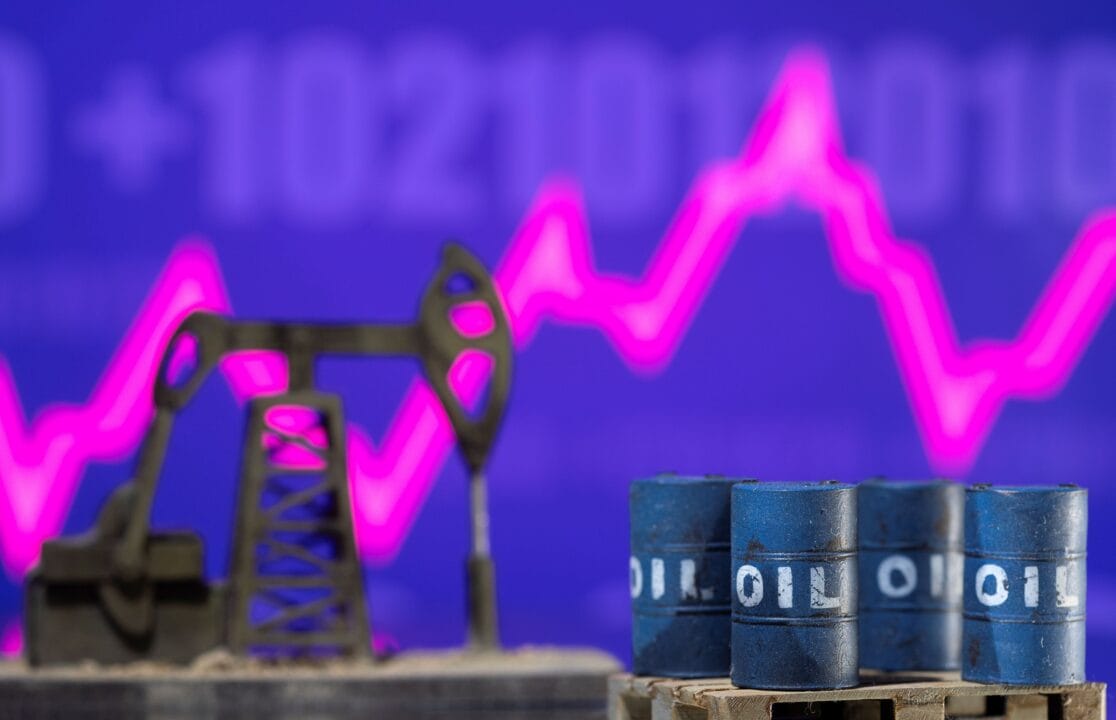
The Creditors Report Analyzes That The Impact So Far Has Been Moderate.
The war in Israel and Gaza is raising concerns about oil and commodity prices in the Middle East, according to a report from the World Bank. The report warns of the risk that oil prices could reach US$ 150 due to the conflicts in the region. Currently, the price of Brent crude oil, which is the main reference for Brazil, is around US$ 88. The report also highlights that the impact on the supply of raw materials has been limited so far, but an escalation of the war could change the situation.
The World Bank outlined three possible scenarios regarding the impacts of the war on oil supply. The worst-case scenario would be a “major disruption”, comparable to the Arab oil producers’ embargo on Israel’s allied countries in 1973. In this case, global oil supply would decrease by between 6 million and 8 million barrels per day, leading to an initial increase of 56% to 75% in barrel prices.
In addition to the impact on fuel prices, the report also highlights the impact on food prices. If there is a significant increase in oil prices, this could lead to an increase in food price inflation, which is already high in many developing countries. By the end of 2022, more than 700 million people were undernourished worldwide.
-
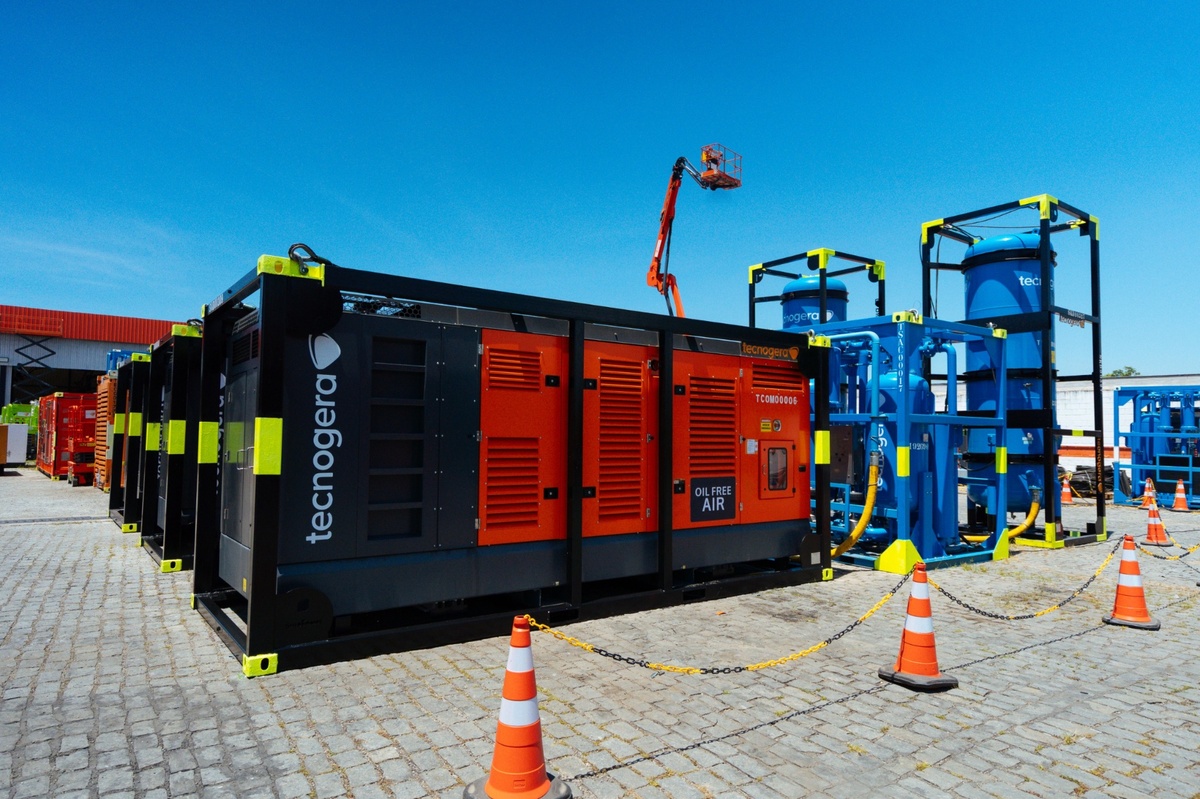
Offshore industrial demand in Macaé skyrockets with the recovery of oil and gas and could grow by up to 396% by 2026 in the Campos Basin.
-
Offshore industrial demand in Macaé surges with the recovery of oil and gas and could grow by up to 396% by 2026 in the Campos Basin.
-
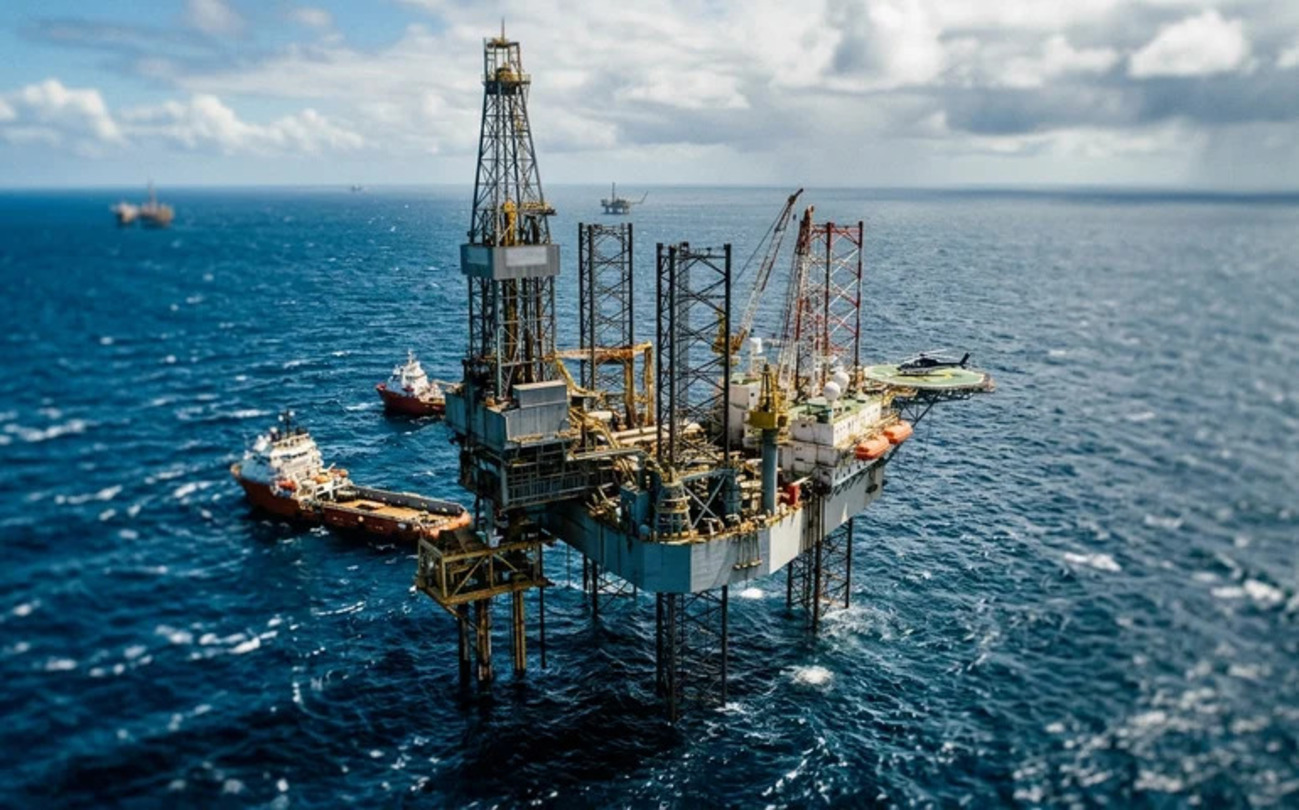
Brazilian giant expands borders in the Southeast: Petrobras confirms new oil discovery in ultra-deep waters in the pre-salt of the Campos Basin.
-
Alert in the global energy market: Severe tropical cyclone hits the coast and disrupts gas production at major plants in Australia, threatening global supply.
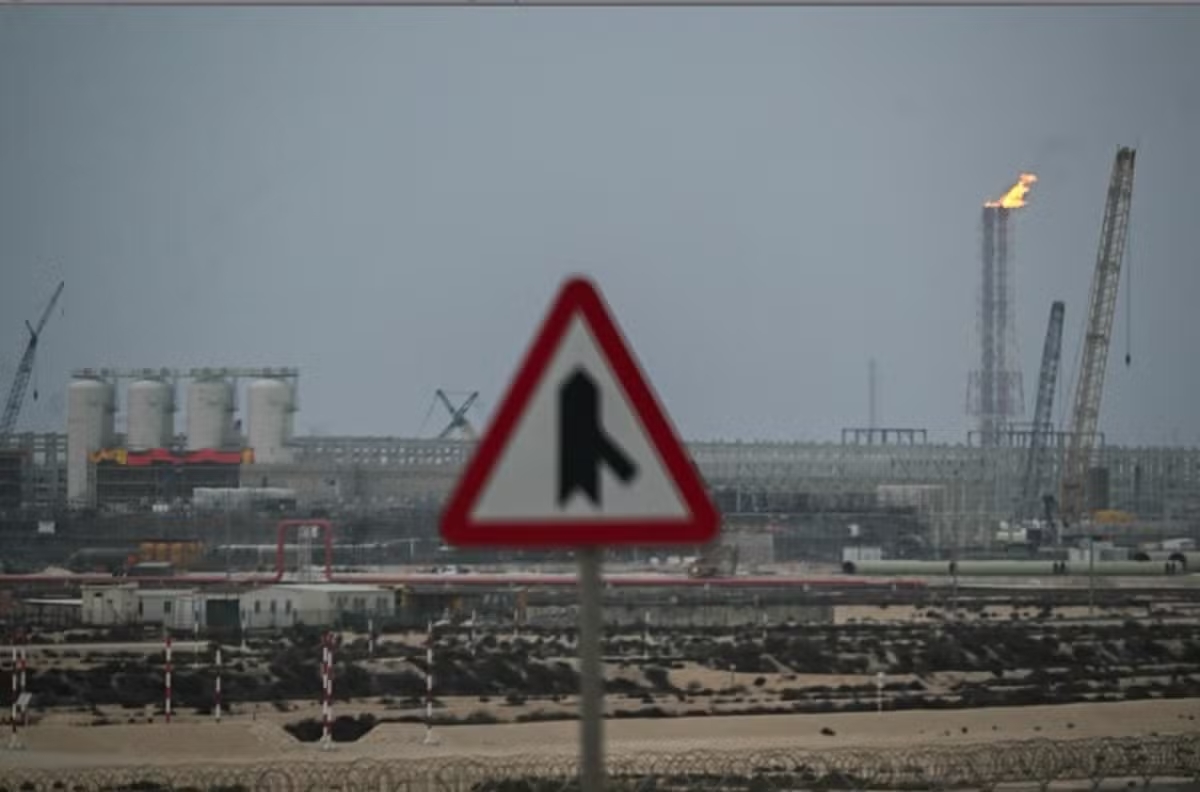

Possible Scenarios That Could Impact The Global Oil Market
The other possible scenarios would be a “medium disruption”, comparable to the Iraq war in 2003, and a “small disruption”, comparable to the civil war in Libya in 2011. In both cases, there would be an increase in oil prices, but on a smaller scale.
In summary, the war in Israel and Gaza is generating concerns regarding oil and commodity prices in the Middle East. The World Bank warns of the risk of a double shock in commodity supply due to the conflicts in the region and in Ukraine. This could lead to an increase in oil and food prices, affecting the global economy.









Seja o primeiro a reagir!