






 Portuguese
  Spanish


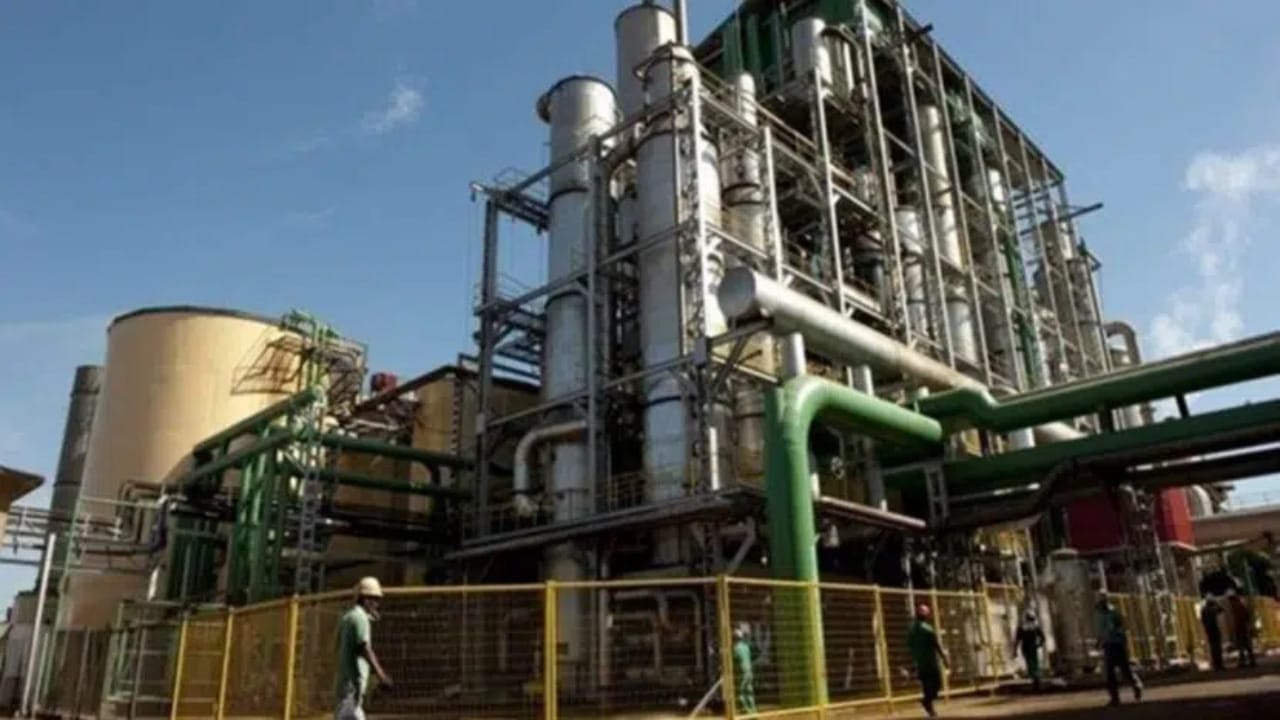

Ethanol And The Revolution In Sales, Even With Petrobras Going Against The Brent Oil Price And Lowering The Gasoline Price At Distributors
The fuel market in Brazil is undergoing a significant turnaround, with ethanol gaining momentum and forcing changes in the policies of refineries and plants. In September, the average price of ethanol corresponded to 68.4% of the average gasoline price, marking the lowest level since October 2018, when it reached 67.9%. This fact triggered a series of events that are changing the dynamics of the fuel sector.
In the first nine months of this year, the price of ethanol has accumulated a decline of 4.3%, while the average price of regular gasoline rose by 15.9%. This did not go unnoticed by consumers, who are now making more economical choices when filling up their vehicles.
The War Between Biofuel And Gasoline In The Brazilian Market Is Intensifying
Despite last week being shorter due to the holiday, there was a noticeable increase in ethanol sales in the state of São Paulo. This was due to the competitive advantage of biofuel over gasoline at pumps in São Paulo, as well as the firm stance of the plants in maintaining attractive prices. Between October 9 and 13, the price of hydrated ethanol closed at R$ 2.1753 per liter, representing a decrease of 0.17% compared to the previous week. Meanwhile, anhydrous ethanol closed at R$ 2.4366 per liter, with a drop of 3.05% in the same period.
-
At 14 years old, she worked in a factory in Hong Kong, studied economics abroad, and then entered the Chinese real estate market, which helped change the landscape of Beijing.

-
While NATO secured more than $10 billion in missiles and space surveillance at a single forum, Brazil still spends 1.1% of its GDP on defense and is stalling its own anti-aircraft system.

-
Corn ethanol attracts R$ 23 billion in 21 new plants and prepares for a nearly 50% jump in Brazilian production by 2027, even with high interest rates.
-
A newly opened terminal in the middle of the Amazon has begun transporting soy and corn through Amapá, eyeing the queue of ships that is congesting the ports in the South.


The competition between ethanol and gasoline varies from state to state in Brazil. In Mato Grosso, a liter of ethanol costs only 59.2% of the gasoline price, making it the obvious choice for drivers. On the other hand, in Rio Grande do Sul, gasoline has an advantage with the ratio between the two fuels reaching 83%. In the capitals, the preference for ethanol is even more evident, with an average of 67.8%. This is especially notable in regions of the Southeast, such as São Paulo, at 61.8%, and the Midwest, such as Cuiabá, at 59.4%.
Petrobras Reduces Prices To Face Competition
The Petrobras surprised the market by announcing a 4% reduction in gasoline prices sold at its refineries. This decision is seen as a strategic move to regain lost ground to ethanol. The company aims to expand its presence in the domestic fuel market and adapt to changing consumer preferences.
However, on the contrary, Petrobras increased the price of diesel by R$ 0.25 per liter, which directly impacts the price of diesel for consumers. This change is a result of the mandatory blend of 88% diesel A and 12% biodiesel, which affects the final price of the product at the pumps.
Petrobras’ strategy is a response to the increase in ethanol sales, which grew by 18.45% compared to the previous year, while anhydrous alcohol, blended with gasoline, experienced a significant decline. This trend reflects the growing preference for more sustainable fuels in an increasingly environmentally conscious world.
This constantly evolving scenario demonstrates how the dynamics of the fuel market can change rapidly. Consumers now have the opportunity to choose more economical and environmentally friendly fuels, while companies in the sector adapt to this new reality. The battle between ethanol and gasoline is far from over, and Brazilian drivers have much to gain from this competition.








