





 English
  Francês
  Alemão
  Italiano
  Japonês
  Norueguês
  Portuguese
  Spanish
 5 min of reading


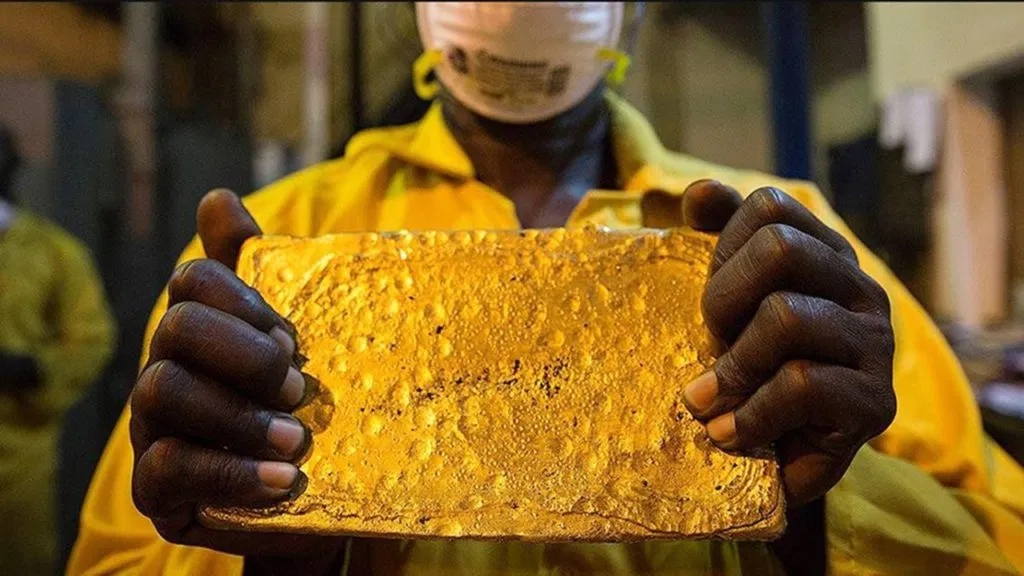
JMC Aims to Increase Gold Production in Bahia by Up to 31% by 2023. In 2019, the Company Produced 159.4 Thousand Ounces – 4.5 Tons
In Jacobina (BA), artisanal mining has been replaced by industrial mineral production. For almost three decades, residents of Canavieiras, Jabuticaba, and Itapicuru, in the rural area of the municipality, have seen their traditional way of life changed as industrial gold mining grew, and they fear a tragedy similar to that of Brumadinho, according to journalists Nádia Conceição and Edvan Lessado from the portal apublica.org.
Read Also
- Ceará Will Receive Billion-Dollar Investment from Australian Multinational Enegix for Construction of Green Hydrogen Plant in Pecém
- Petrobras Loses R$ 28 Billion in Market Value in a Single Day After Bolsonaro Changes the State Company’s Leadership
- Energisa Calls for Candidates Without Experience in All Technical and Higher Education Areas for 242 Internship Vacancies in SP, MG, and More
- Pioneering Multinational in Construction and Assembly Projects Hires Technicians and Engineers for Mining Activities, Today February 22
- Coca Cola, the World’s Largest Non-Alcoholic Beverage Producer, Calls for 67 Job Vacancies in SP, RJ, MG, RS, and More
Jacobina is located 420 km west of Salvador and houses two tailings dams resulting from gold exploration by JMC, the Brazilian subsidiary of Canadian Yamana Gold Inc. In the region, the foreign corporation operates four mines: João Belo, Itapicuru, Serra do Córrego, and Canavieiras, which together employ at least 2,000 workers.
Jabuticaba and other communities lost their gold mines with the arrival of the Yamana Gold subsidiary. The intensification of industrial gold production led to the creation of tailings dam B1, which has been deactivated since 2008, and the B2 dam, which is currently operational. The latter is expected to remain active until 2036.
-
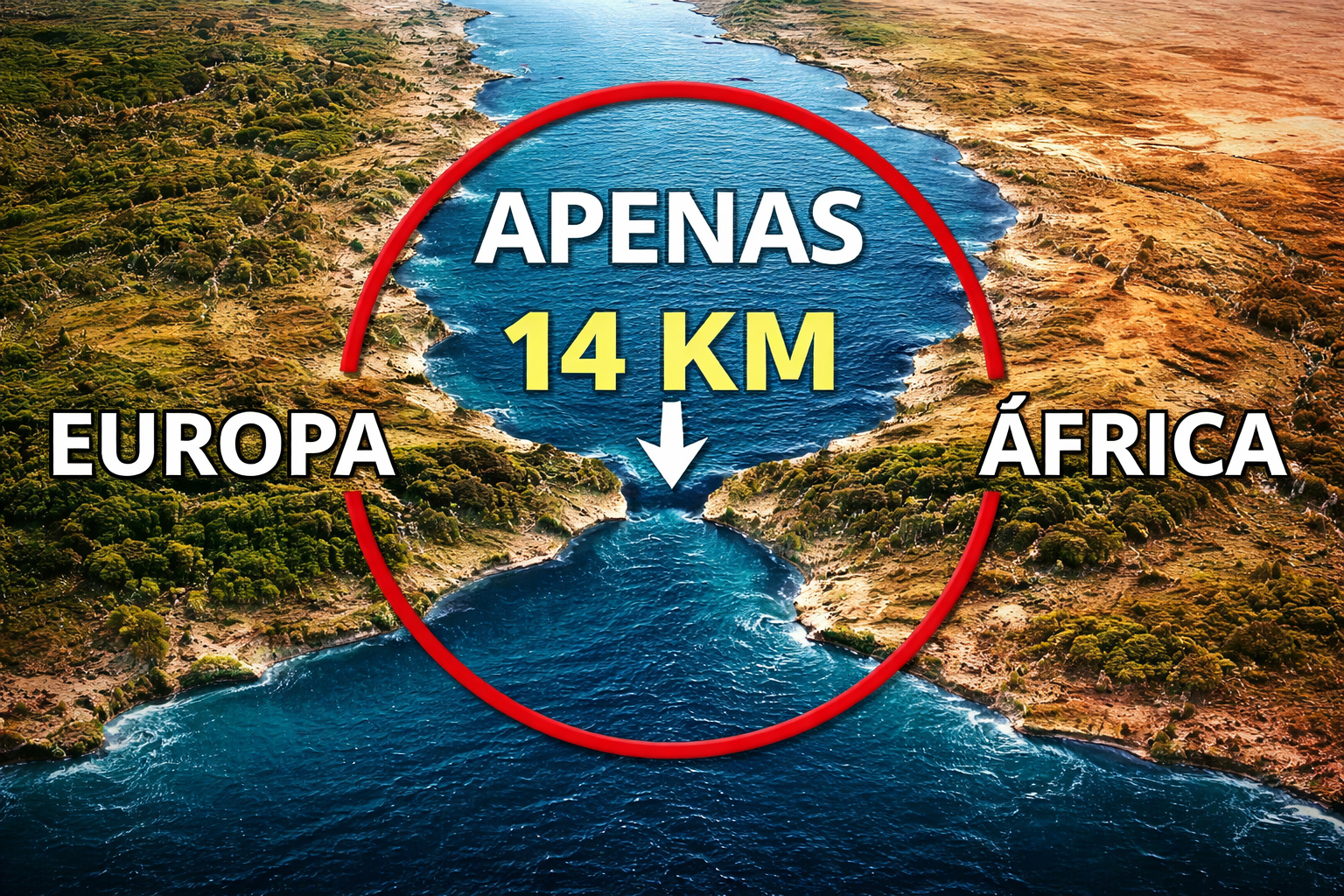
For 45 years, Spain and Morocco have been trying to connect Europe to Africa through a project of just 14 kilometers in the Strait of Gibraltar, and an active tectonic fault on the seabed continues to make the project nearly impossible.
-
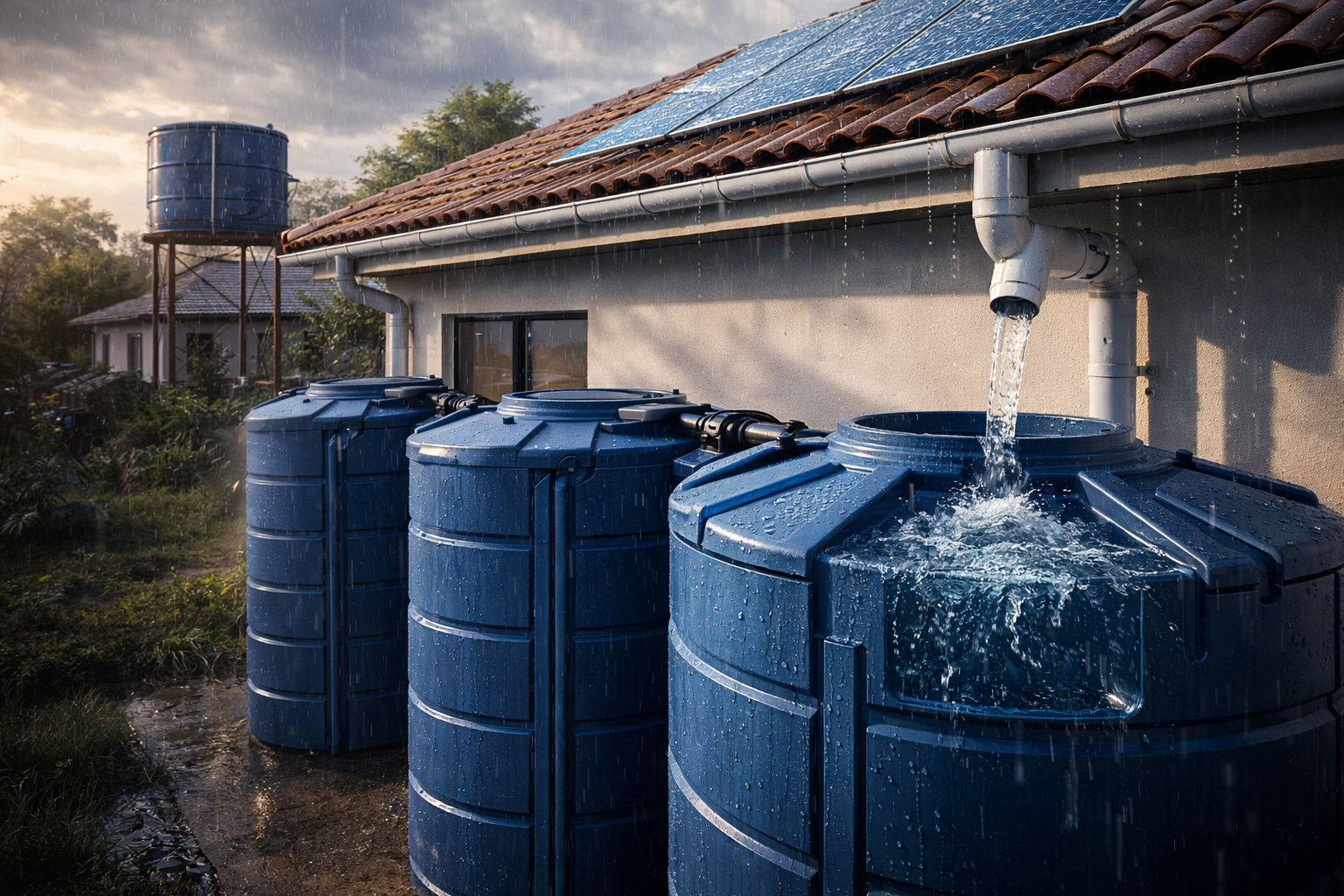
Goodbye expensive water tank: residents replace traditional system with a cheaper and more efficient solution that reduces water consumption and reuses rainwater.
-
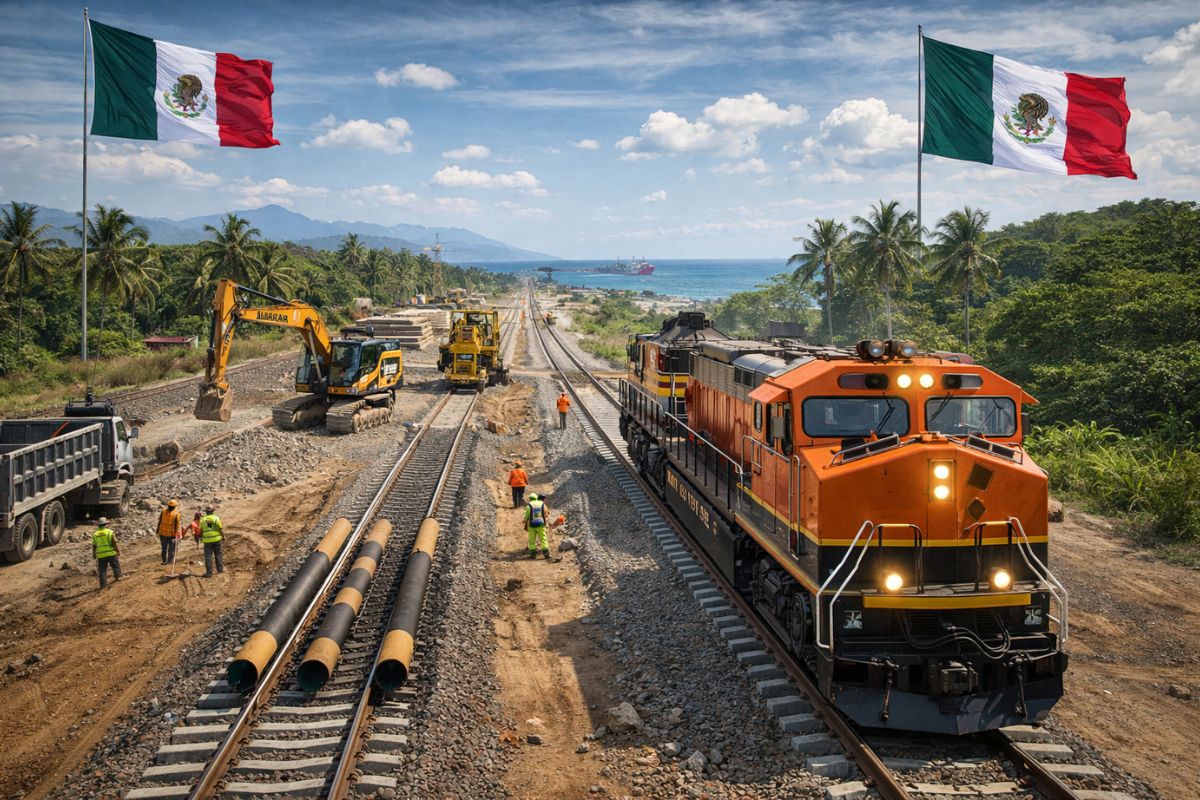
Mexico is building a 300-kilometer railway corridor that connects the Pacific to the Atlantic in just seven hours and wants to compete directly with the Panama Canal, which is already facing water scarcity issues.
-
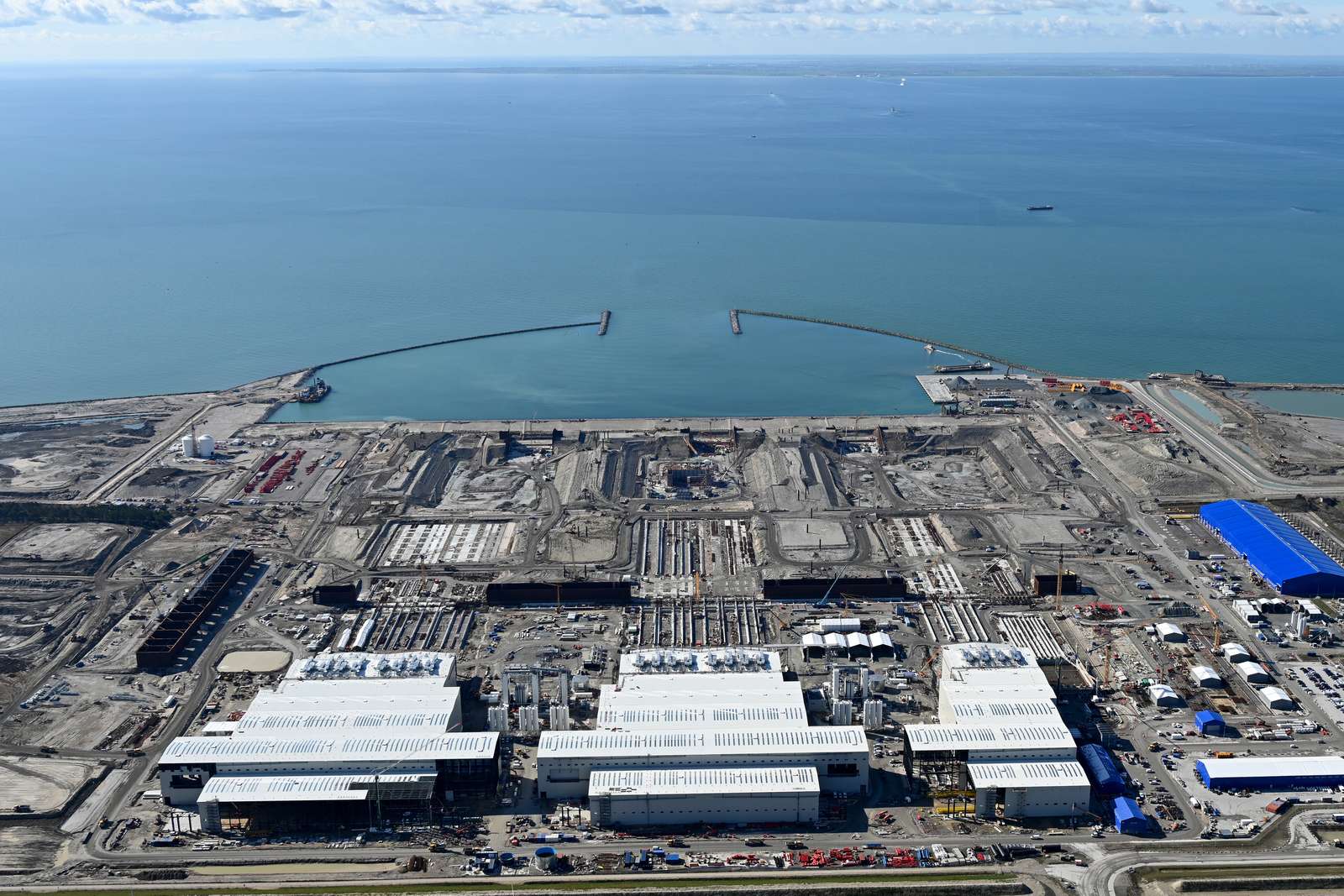
The largest tunnel module factory in the world was built from scratch on a beach in Denmark to produce 89 concrete blocks and will be demolished after the project: each structure weighs up to 10 times the Eiffel Tower and will be installed on the bottom of the Baltic Sea with an accuracy of 12 millimeters in a tunnel that will halve the travel time between Hamburg and Copenhagen.

Residents Fear Tragedy
Dam B2, which stands 88 meters high, is classified with a Low Risk (CRI) for collapse, according to the classification list of Brazilian mining dams from the National Mining Agency (ANM). However, both residents of the city, especially in the three main rural communities, and the state Public Prosecutor’s Office warn of the risk of an unprecedented tragedy.
The Specialized Environment Prosecutor’s Office of the Bahia State Public Prosecutor’s Office in Jacobina has already identified safety flaws in the dam. On December 2 of last year, the collapse of an internal structure of the gold mining dam alerted the National Mining Agency and the prosecutors.
According to a document from the ANM that the report had access to, there was a “partial rupture of the cycloned tailings pile,” likely caused “by heavy rains and internal drainage problems in that structure,” at the B2 dam. There were no casualties, but the solid material buried a vehicle belonging to the company.
On December 4, the agency immediately prohibited and suspended the discharge of tailings from the B2 dam. To lift the ban, the ANM recommended that JMC resolve the issues identified in the inspection carried out by the Bahia Public Prosecutor’s Office.
Should it collapse, the B2 would destroy access routes to other communities, isolating the settlement.
The fear of a collapse of the gold mining dam hangs over the hundreds of residents of Itapicuru and Jabuticaba. In addition, residents of urban neighborhoods in Jacobina fear a disaster, as they would be in the path of the mud from the dam.
The city of Jacobina has an estimated population of 80,635 people, according to the Brazilian Institute of Geography and Statistics (IBGE). It is as if the municipality is destined for gold, as the economy revolves around mineral exploitation. In the last year, the commercial mineral production of the municipality of Jacobina was R$134 million.
“The fear is that, like what happened in Brumadinho and Mariana, a rupture could claim hundreds of lives,” says Bonifácio.
Dam Collapse Simulation of Gold
On the morning of February 22, 2019, after pressure from the community and social movements, with support from the Public Prosecutor’s Office and Bahian authorities, JMC conducted a dam collapse simulation, in partnership with the Jacobina Civil Defense and the state to “prepare residents and emergency response teams based on the company’s accident prevention culture.”
About 400 residents from the communities of Canavieiras, Jabuticaba, and Pontilhão – another area that would be in the path of the mud – participated in the unprecedented simulation. All residents were identified by the company; thus, there is a greater chance of timely assistance in a possible post-tragedy scenario.
Press Release
In response, the company states: “Regarding the earth tremors that have been reported in various media outlets (radio, printed newspapers, television, and social networks) in the state of Bahia in recent months, Yamana would like to reaffirm that seismic activity is a result of natural processes of the Earth. The vast majority of these events are imperceptible to people, but the seismic activity is recorded by the Brazilian Seismographic Network (RSBR). Between April 2020 and January 2021, around 228 seismic events were recorded in the country, including 51 in Bahia and 9 in Jacobina.”
“These publications associate mining operations with the earthquake occurrences on a regional scale, but we know that the seismic events are not caused by detonations or any other mining activity of JMC. Our tailings projects and operations consider regional seismic information to ensure they can withstand seismic activity. Starting February 25, we will be conducting specific seismic monitoring at the site to refine the regional seismic data – this new data will be reintegrated into our tailings design processes to further confirm that our dams are stable in the long term,” said the company.
Safety concerns are a priority for JMC / Yamana Gold, it concludes.
Gold Mining in Bahia
JMC aims to increase gold production by up to 31% by 2023. In 2019, the company produced 159.4 thousand ounces – 4.5 tons – according to the Bahia Secretariat of Economic Development (SDE). Currently, JMC employs about 1,400 direct employees and 700 indirect workers, according to information released by the SDE in April 2020.
Bahia has 34 registered mining tailings dams. “Bahia is the fourth most important mining state in Brazil, behind Minas Gerais, Pará, and Rio de Janeiro. However, according to the National Mining Agency, the agency has only one vehicle to conduct field activities across the entire state of Bahia for inspection,” says prosecutor Pablo Almeida.
by – apublica.org










Seja o primeiro a reagir!