





 English
  Francês
  Alemão
  Italiano
  Japonês
  Norueguês
  Portuguese
  Spanish
  3 min of reading



G7 Ministers Call on OPEC Countries to Accelerate Oil Production to Curb Rising Fuel Prices
Amid the war in Ukraine, oil prices are reaching record levels. In light of this scenario, the G7 energy ministers have asked OPEC countries – an organization that gathers oil-exporting nations – to increase fuel production in order to supply the market.
According to forecasts by analysts from Bank of America (BofA), Brent crude could reach the price of US$ 150 if sanctions on Russian trade are intensified.
The request was made at the end of a meeting between G7 energy and environment ministers in Germany. During the meeting, the leaders highlighted that the war between Russia and Ukraine is causing increases in oil, gas, and coal prices, inflating markets and industries.
-
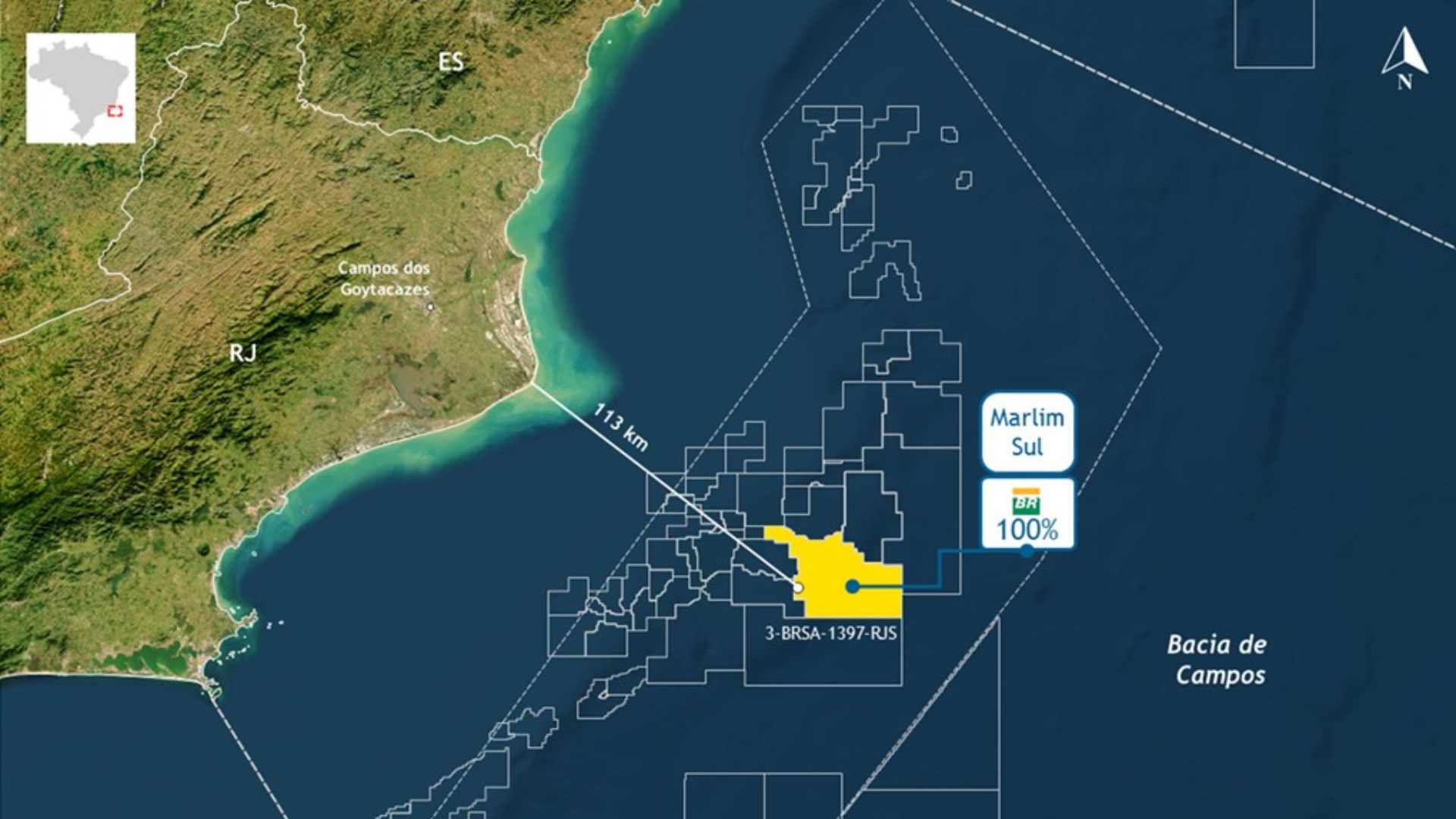
Petrobras announces new oil discovery in the pre-salt of the Campos Basin and reinforces Brazil’s prominence with high-quality reserves that can increase production and energy revenues.
-
Alert in the fuel market: Analysts and a former director of ANP warn that oil prices may worsen in the coming months due to global instability.
-
Ocyan brings executives and digital solutions to Macaé Energy 2026 and highlights offshore expansion with Nexio and a new base in Macaé.

-
Petrobras advances 4.6% with rising oil prices and the dollar, reigniting the debate on macro risks, pricing policy, and fiscal impact in Brazil.

On the same occasion, the group reached an agreement regarding the decarbonization of their energy sectors by 2035, as well as the suspension of public financing for fossil fuel projects abroad by the end of this year, except in limited circumstances.
In a statement, the ministers stated that they requested oil and gas-producing countries to act responsibly in the face of international markets, given that OPEC plays a global role.
They also added that this matter is of special urgency in order to reduce the European Union’s dependency on Russian natural gas, as well as highlighting the indispensable role that liquefied natural gas (LNG) could play in mitigating pipeline supply disruptions, especially for European markets.
G7 Leaders Plan to Gradually End Dependence on Russian Energy
Earlier this month, G7 leaders committed to gradually ending dependence on Russian energy by implementing, in this regard, a ban on oil imports from Russia. However, the European Union is still debating the alternative of imposing sanctions on Russian oil, with Hungary opposing the idea.
Although the G7 presents conflicting opinions regarding oil, it is not clear whether OPEC countries will heed the call for action. Saudi Arabia, for example, has resisted external pressure to accelerate production in order to help lower prices, arguing that oil will not be in short supply.
The OPEC+ group, of which Russia is a part, reduced production due to agreements made during the pandemic, before gradually recovering it to a level of 400,000 barrels per day. Last year, oil prices nearly doubled: the barrel traded at US$ 120, the highest price since 2014. Consequently, criticisms have been directed at Gulf states, such as Saudi Arabia, regarding their production capacity.
Oil Barrel at US$ 150
As mentioned earlier, Brent crude could reach the price of US$ 150 if sanctions on Russian trade are expanded.
After the Russian invasion of Ukraine, referred to as a “special operation” by Moscow, prices have seen significant increases, now nearing US$ 120 per barrel.
Additionally, Bank of America analysts do not believe in a recovery of pre-Covid oil levels this year, as supply issues remain unresolved.
According to them, the restoration was hindered by a US$ 30 increase in oil prices in 2022, which reduced demand to 1.5 million barrels per day. The analysts further added that crude demand could return to pre-Covid levels next year, provided Russian production reaches 10 million barrels per day and OPEC+ supply increases.
The increase in gasoline consumption in the United States during the summer and the possibility of the European Union instituting a ban on all Russian oil may relate to a potential increase in commodity prices.








Seja o primeiro a reagir!