





 Portuguese
  English
  Spanish
  3 min of reading
  0 comments


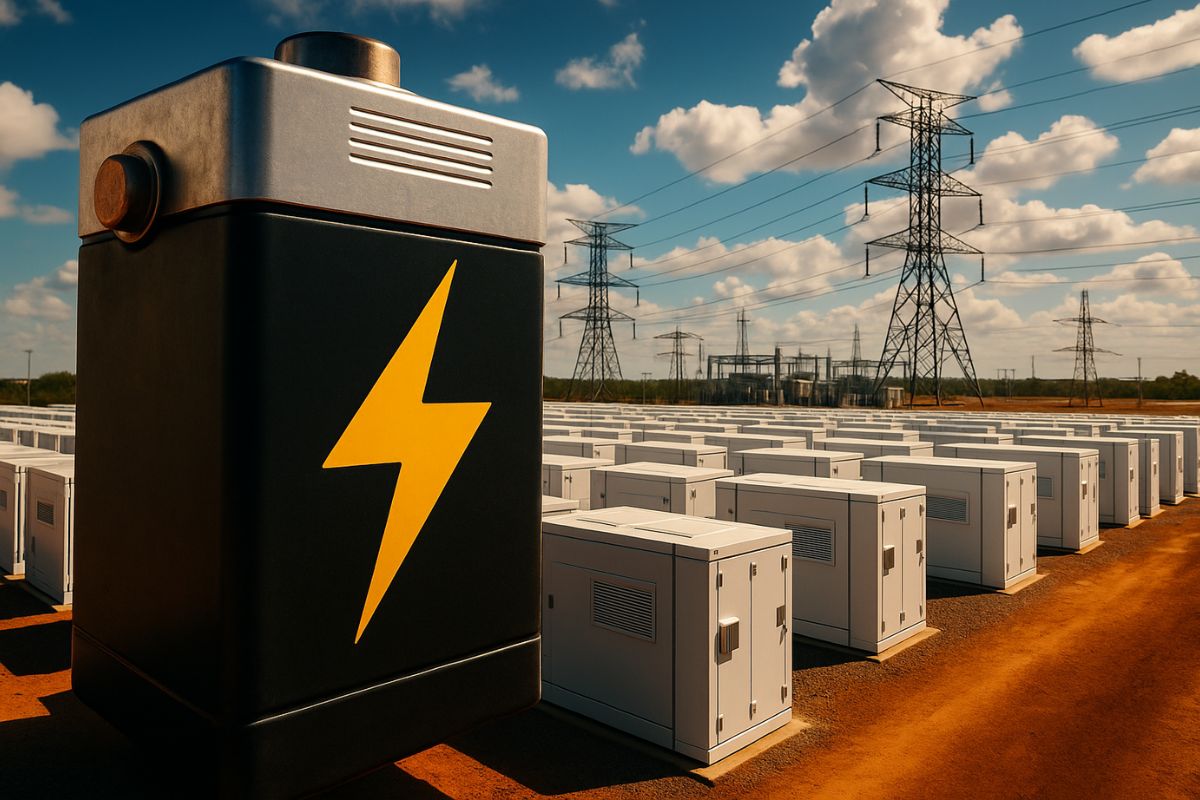
Mega Structure Can Supply Almost 1 Million Homes in Emergencies and Reinforces Energy Transition After the End of Coal Plants
The most powerful battery in the world has just been connected to Australia’s electrical grid. Called the Waratah Super Battery, the structure is already operating with an initial 350 megawatts and is expected to reach 700 megawatts of continuous power by 2025, with 1,400 MWh of storage capacity.
Built on the site of an old coal plant in Munmorah, about 100 km from Sydney, the project represents a strategic advancement in the energy security of the New South Wales region, which is facing the gradual decommissioning of its thermal power plants. This information comes from the responsible company, Akaysha Energy, as stated in an official announcement.
What is the Purpose of the Most Powerful Battery in the World?
The main function of the Waratah Super Battery is to act as an emergency reserve during critical times for the electrical grid. The system can discharge its full load in seconds, preventing blackouts during heatwaves, wildfires, or generator failures. The structure will take only two hours to recharge.
-
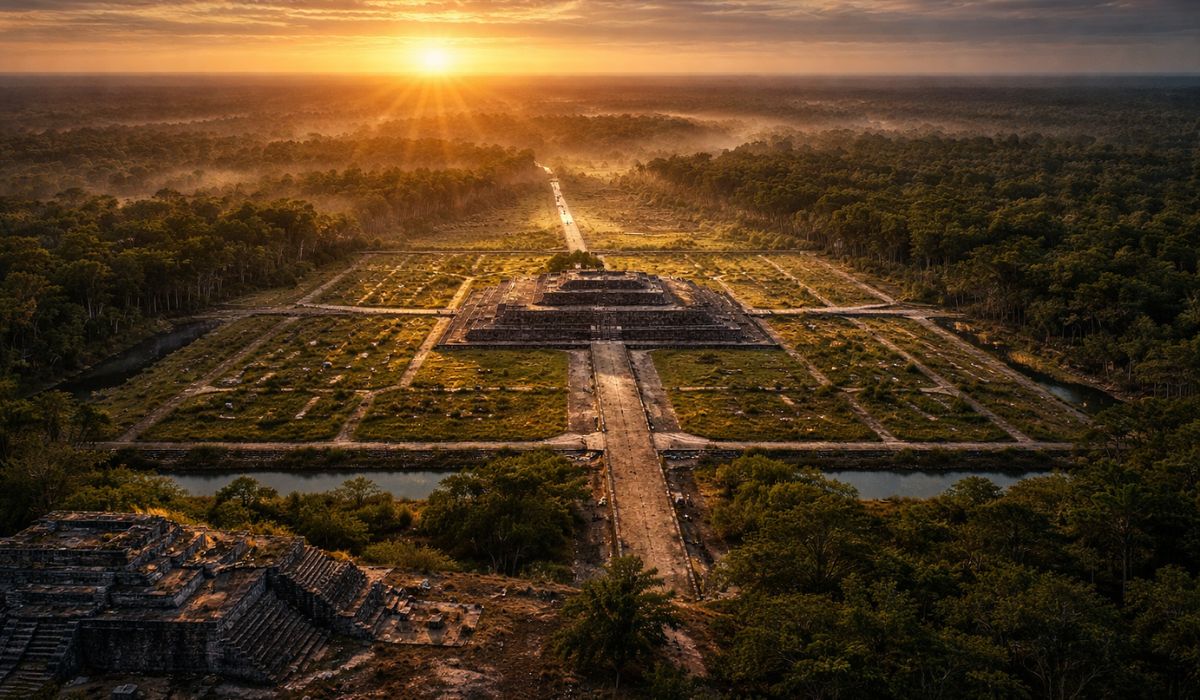
In Mexico, a 3,000-year-old Maya site with the dimensions of an entire city may have been built as a colossal map of the cosmos, created to represent the order of the universe and reveal how this people organized space, time, and rituals.
-
Japan wants to build a solar ring of 10,900 kilometers on the Moon to continuously send energy to Earth.

-
Weighing almost 1 ton, with temperatures of up to 3,000°C, the ability to launch 10,000 fragments within a radius of 1 km, capable of penetrating concrete and melting steel, Turkey’s terrifying bomb emerges as one of the most destructive non-nuclear weapons ever presented.

-
After a submarine disappeared beneath the “Doomsday Glacier,” scientists announce a new monstrous machine capable of operating at 3,000 meters depth to return to the heart of the ice and investigate a threat that could raise sea levels worldwide.


In addition to powering about 970,000 homes for one hour, the battery can also charge over 45 million smartphones or supply electricity to 80,000 homes for an entire day, according to estimates from Akaysha. The project is overseen by the state agency EnergyCo.
What is the Difference Between This Battery and Others?
The system functions as an electric grid buffer, which is essential as Australia shifts from coal to renewable sources that can be intermittent. Among the technical differentials are:
- System Integrity Protection Scheme (SIPS), which ensures continuous supply;
- Intelligent software that detection failures and contingencies in real-time and activates the battery;
- Upgrades to substations and transmission lines, enhancing the grid capacity;
- Intentional over-sizing, allowing the company to sell excess energy and reduce costs for consumers.
Is the Waratah Super Battery a Milestone in the Energy Transition?
Yes. The project marks a new stage in the modernization of Australia’s electrical infrastructure. With the phased closure of coal plants by 2035, the country needs to ensure grid stability even with the growth of solar and wind energy — which are more volatile by nature.
The adoption of large-scale batteries represents a viable and immediate solution to prevent blackouts and generate savings. Additionally, the installation on an old coal facility gives the project an important symbolic and environmental value.
Do you think Brazil should invest in giant batteries like the Waratah? Can the energy transition follow this path here? Leave your opinion in the comments — we want to know how you see the future of energy in the country.








Seja o primeiro a reagir!