





 English
  Francês
  Alemão
  Italiano
  Japonês
  Norueguês
  Portuguese
  Spanish
  3 min of reading


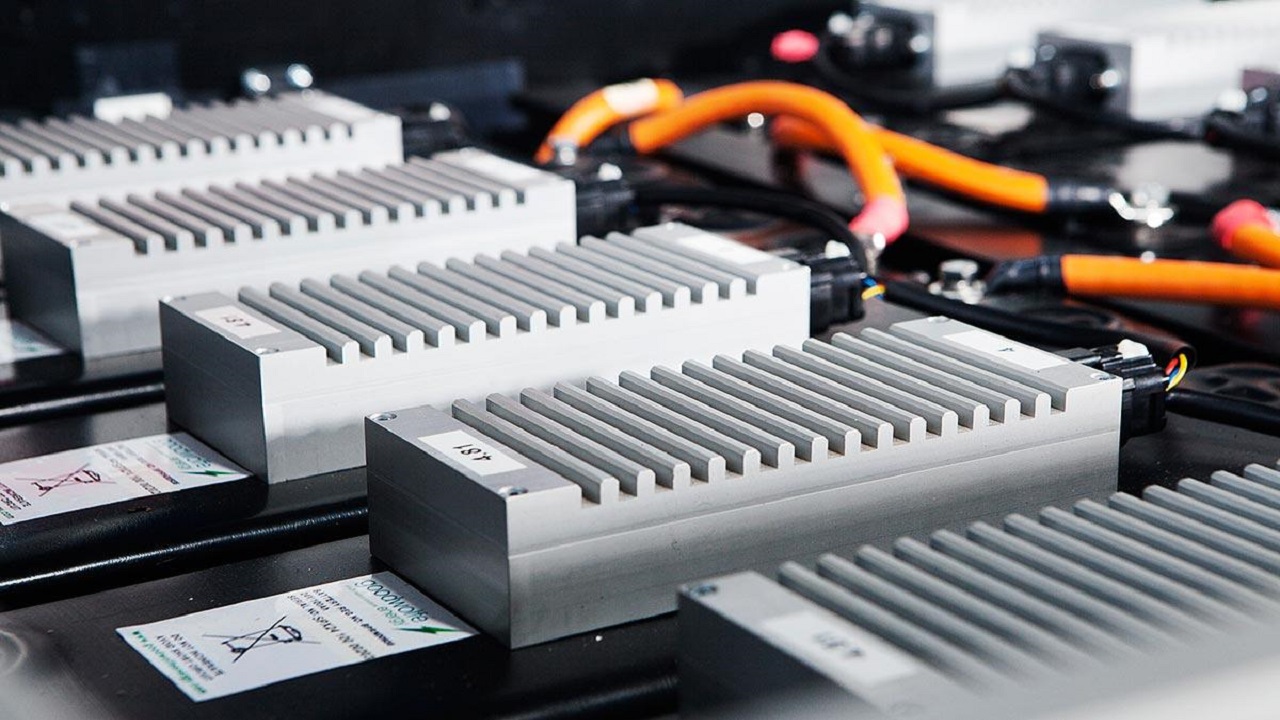
Solid-state batteries are closer than we think, and they promise greater safety, shorter charging times, and better range for electric car drivers, potentially retiring lithium-ion batteries
There is nothing innovative about solid-state batteries; in fact, they are even simpler than the current cells. However, all electric car manufacturers are working to integrate them into their portfolios around 2025. The reason for this race is that solid-state batteries outperform lithium-ion batteries in every way, as they deliver better range, more safety, and significantly shorter charging times, simply by changing the electrolyte that conducts energy within the energy cell.
Read Other Related News
Check the Advantages of Solid-state Batteries for Electric Cars
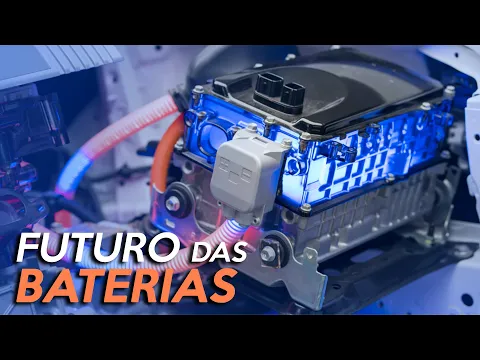

In solid-state batteries for electric cars, the electrolyte is solid and is usually made of ceramic or glass, replacing the current toxic, leak-prone, and flammable solutions.
-
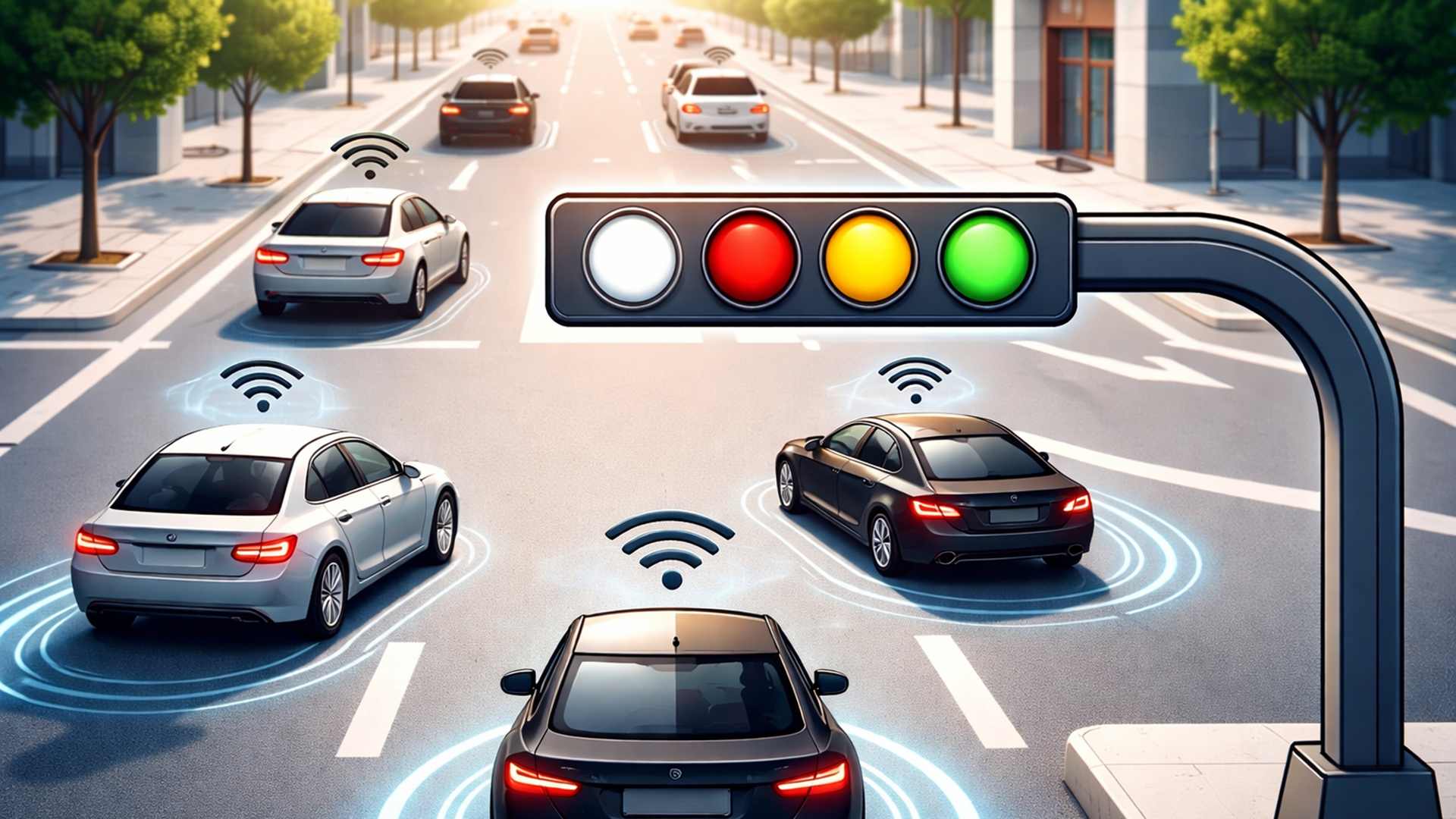
Engineers propose a fourth traffic light for intersections – the change promises to affect crossings, queues, and waiting times.
-
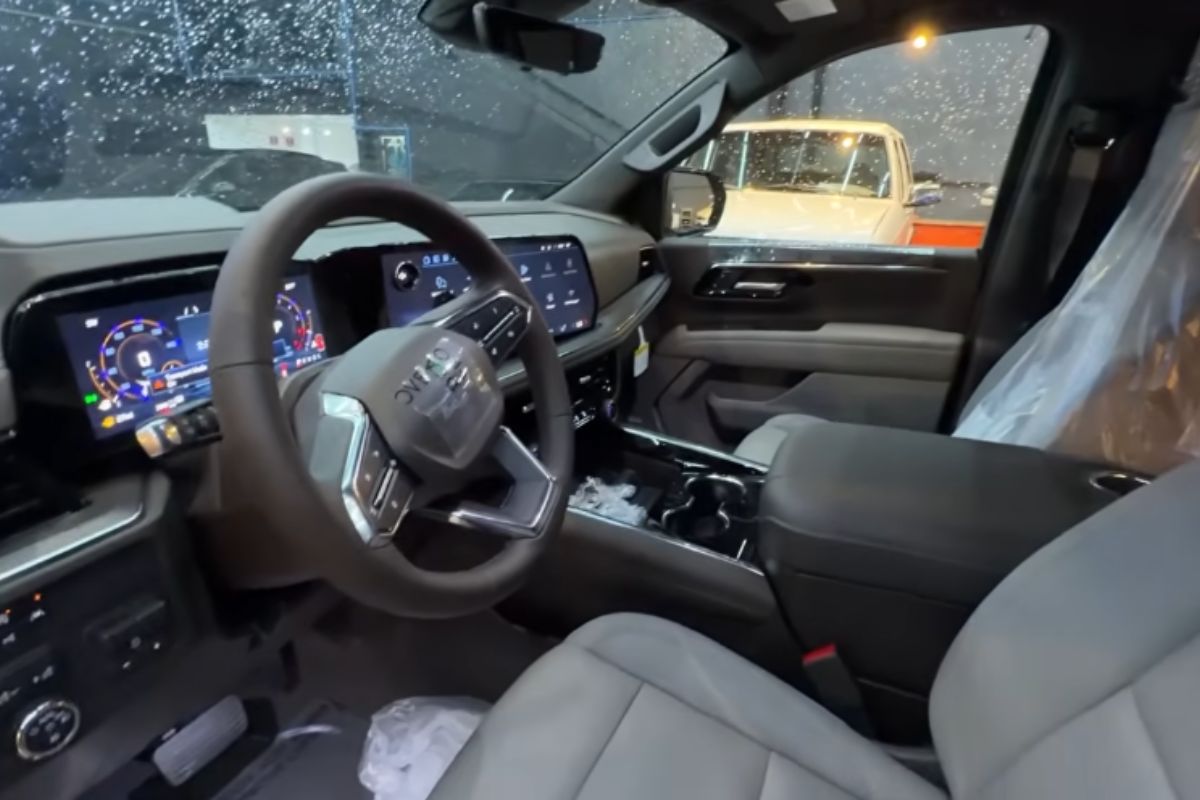
Chevrolet Suburban Z71 lands in Brazil with a V8 engine, off-road design, air suspension, seven seats, and colossal size, a rare version imported for around R$ 1.3 million with luxury and exclusivity.
-
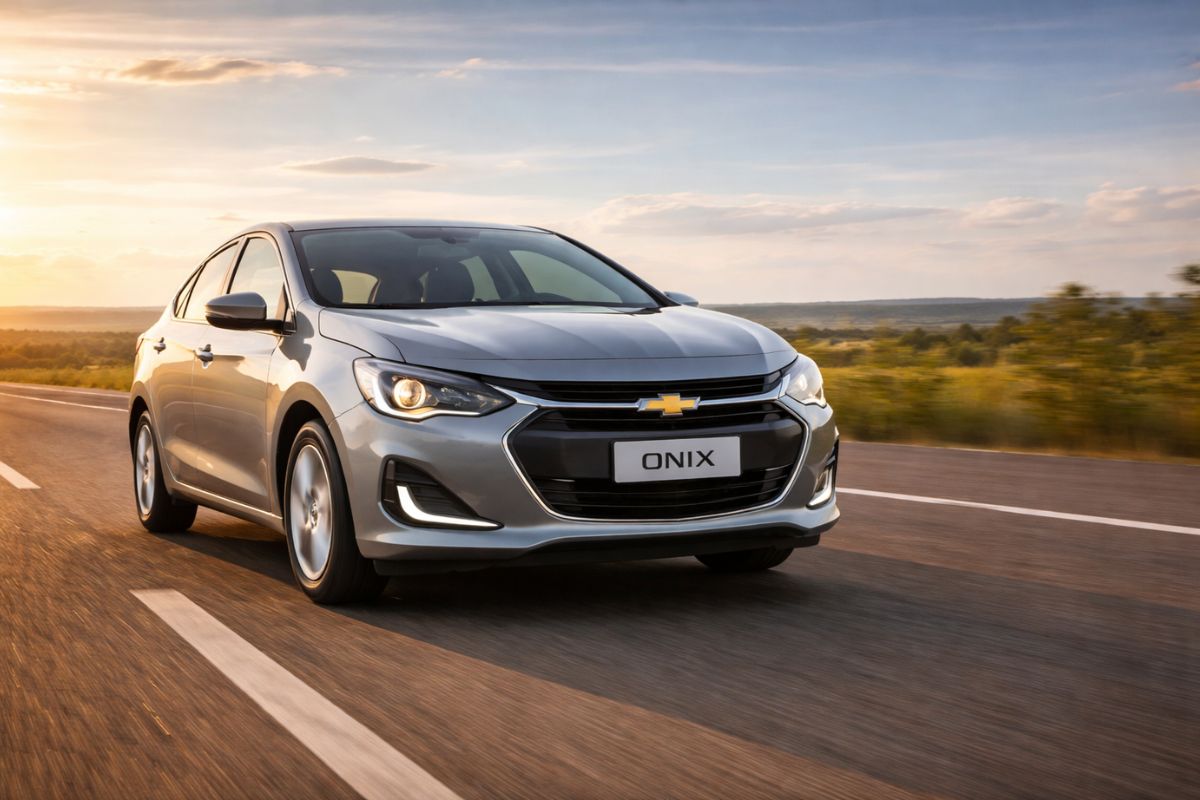
The Chevrolet Onix 1.0 turbo achieves 17.7 km per liter on the highway and ranks among the three most economical cars in Brazil in 2026, alongside two more expensive Toyota hybrids available at dealerships.
-
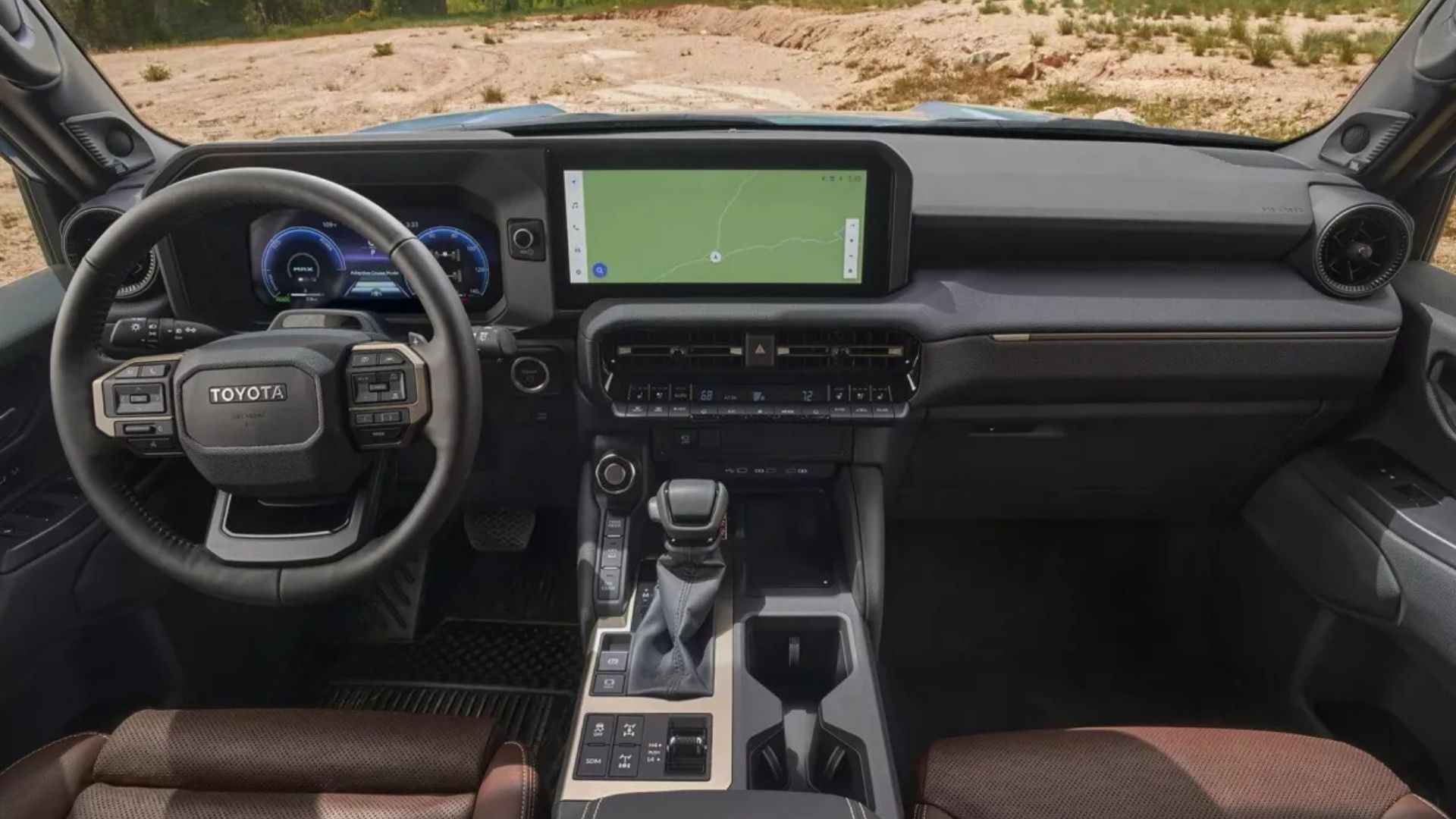
Little sister of the Hilux: Toyota launches Land Cruiser FJ with 4 radical versions, 2.7 engine with 166 hp and 4×4 traction with locking.
In addition to providing more safety, solid-state batteries have a higher density, both because they are more moldable and because the negative plate disappears as the electric car discharges. With no liquid or heavy metals, disposal at the end of the battery’s life, which is more extended in solid-state batteries, is also more sustainable.

A survey by Castrol pointed out that the transition to electric cars will happen when, on average, these vehicles cost an equal or lower price than US$ 36,000, offer an average range of 469 km, and can be charged in just half an hour.
Differences Between Regular Batteries and Solid-state Batteries
We already know that solid-state batteries are essential for all aspects for electric cars to become a reality. Now, all vehicle manufacturers are racing to tame their manufacturing and make it an economically viable component as quickly and effectively as possible.
In the new technology for electric models, lithium continues to be a protagonist, flowing between the poles of the cell. The difference is that the lithium used is metallic, non-toxic, and solid.
The material also acts as a negative plate, that is, the anode, and expands as the battery is charged. Thus, it takes up less space and allows for the use of compartments.
Toyota Creates Prototype Electric Car with Solid-state Battery

Last month, Toyota announced that it plans to present the first electric model with solid-state batteries later this year. The vehicle will feature a range of 500 km and ultra-fast charging, which can be done in a matter of minutes.
The arrival of this new vehicle could give Japan the opportunity to compete against China in the market, which is one of the largest producers of lithium-ion batteries. Additionally, the country could also become essential for the supply of the component.
The Japanese government is also involved in the automaker’s operations and has already invested approximately US$ 20 billion to encourage the transition to electric vehicles. A large portion of this amount has been directed towards achieving new technologies for the component.









Seja o primeiro a reagir!