






 Portuguese
  Spanish


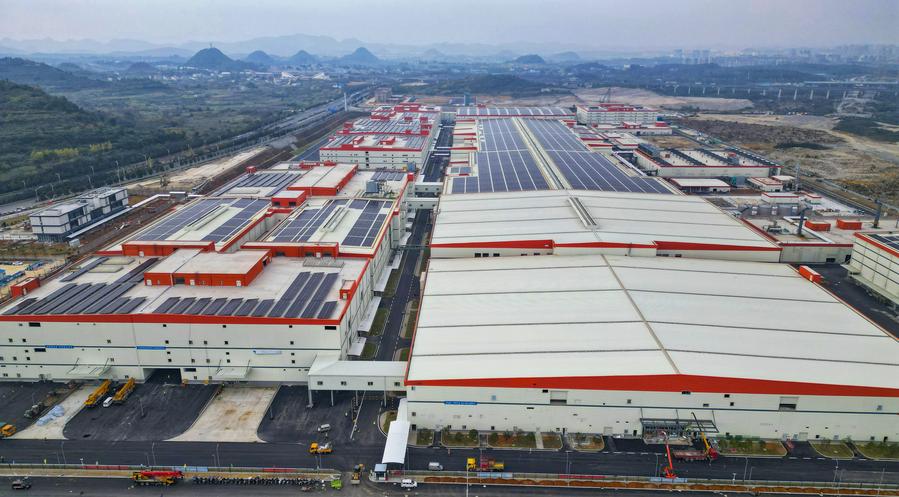
The Chinass Project Draws Attention by Exploring Gravity Energy Storage, Offering Sustainable Alternatives to Electric Batteries
The transition to renewable energy is growing, but storage remains a challenge, as solar and wind energy fluctuate with the weather. At the same time, the demand for electricity can spike suddenly, overloading power grids. A promising solution is gravity batteries.
This technology uses gravitational force to store and release energy. Projects around the world are testing different versions of this concept. The hope is that these batteries will offer a cleaner and more sustainable alternative to lithium-ion batteries.
The Need for Massive Energy Storage
Renewable sources like solar and wind can generate a lot of energy. However, production varies throughout the day. Electric vehicles and data centers further increase the demand for constant electricity. Without efficient storage solutions, ensuring reliable energy can be difficult.
-
Brazilian scientists are simultaneously advancing two research projects on clean hydrogen and driving solutions that could transform the energy matrix, enhance industrial competitiveness, and accelerate large-scale emission reduction targets.

-
Advancement in renewable energy: A R$ 150 million project launched by Petrobras and Finep aims to create state-of-the-art electrolyzers for green hydrogen, strengthening national research and preparing Brazil to compete in a billion-dollar energy market.
-
Illiterate or semi-literate grandmothers were trained to repair solar systems, open rural workshops, and light up homes that still depended on kerosene.
-
The world has bet on green hydrogen as the fuel of the future, but now faces the side effect: producing 1 kilogram requires about 9 liters of ultrapure water, and the largest projects on the planet are precisely in the driest regions of the Earth, where water is already scarce for people.



Lithium-ion batteries are widely used, but they present challenges. Lithium extraction has negative environmental and social impacts. Additionally, these batteries lose capacity over time, with complex recycling. Dependence on rare metals is also a concern, creating geopolitical vulnerabilities.
How Gravity Batteries Work
Gravity batteries operate based on potential energy. When a mass is raised, energy is stored. When that mass descends, the energy is converted into electricity. This principle has been used for years in pumped hydroelectric plants.
In these systems, water is elevated to an upper reservoir when energy is abundant. Then, the water is released to drive turbines when demand increases.
The difference with modern gravity batteries is that they use solid blocks instead of water. This allows for greater installation flexibility, as it does not depend on rivers or reservoirs. The efficiency of these systems can reach 80%, and their lifespan is significantly longer than that of chemical batteries.
The EVx Project in China
In China, the company Energy Vault built the EVx tower, one of the largest gravity storage projects. The structure stands over 120 meters tall. During excess power, 24-ton blocks are lifted. When energy is needed, the blocks descend and generate electricity.
The system has a power output of 25 MW and a total capacity of 100 MWh. The round-trip efficiency exceeds 80%, and it is estimated that the tower will operate for 35 years. The blocks are made from recycled waste material, reducing costs and environmental impacts.
China plans to expand this technology, with projects ranging from 100 MWh to 660 MWh. A 2 GWh facility in Inner Mongolia is in the planning stage. The total investment exceeds US$ 1 billion.
The Gravitricity Proposal in Scotland
Another innovative project is being developed by the Scottish company Gravitricity. Instead of towers, the solution uses abandoned mines. The idea is to suspend huge weights in underground shafts. Some mines are over 3 km deep, allowing for abundant energy storage.
The first test took place at the Port of Leith in Scotland. The company used a platform that lifted and lowered two 25-ton weights. The experiment showed that the concept works. Now, the goal is to scale the system for deeper shafts.
Reusing old mines reduces costs and creates economic opportunities for regions that previously depended on mining. This could be an attractive factor for communities seeking new sources of income.
Gravity Batteries: Challenges and Limitations
Despite being promising, gravity batteries have limitations. For small-scale storage, their efficiency is low. In one test, lifting a 2,000 kg mass in a house stored only the energy equivalent to 12 AA batteries. For home use, chemical solutions are still more viable.
Another challenge is the high upfront cost. Building towers or adapting mines requires significant investments. Additionally, mechanical components such as winches and cables wear over time. Regular maintenance is necessary to ensure efficient operation.
Physical space is also a limiting factor. Large towers may face resistance in urban areas. Underground shafts are an alternative but depend on the existence of suitable mines.
The Future of Energy Storage
Lithium-ion batteries are still widely used. Their rapid implementation and versatility make them a common choice. However, safety challenges, environmental impact, and geopolitical dependence raise questions about their long-term viability.
In the U.S., for example, the search for alternatives to lithium is growing. Trade tensions with China affect the import of this material. With increasing investments in energy and artificial intelligence, safe and reliable storage is essential.
The future of energy storage is likely to involve a combination of technologies. Gravity batteries, pumped hydro, lithium-ion, and other solutions can coexist. Each one meets different needs, depending on local infrastructure and demand.
Gravity batteries stand out for their durability and lower environmental impact. Projects like the EVx and Gravitricity demonstrate that the technology is advancing.
If initial challenges are overcome, this solution could play a vital role in building a more balanced and sustainable energy future.
With information from Interesting Engineering.





-

1 person reacted to this.