





 Portuguese
  English
  Spanish
  5 min of reading
  0 comments


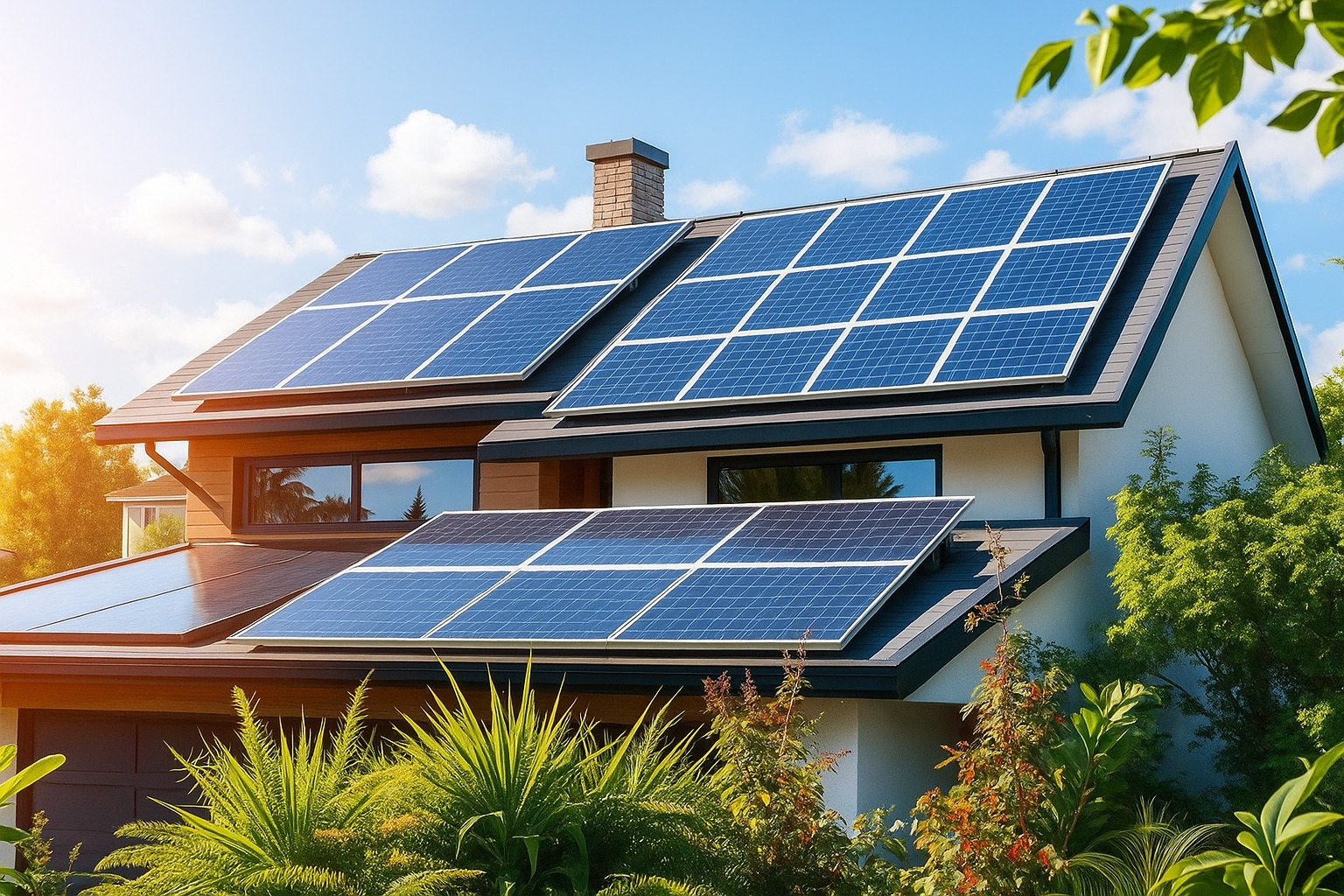
Discover How Home Energy Storage Can Transform Brazilian Homes, Increasing Autonomy, Savings, and Efficiency of the Electric System.
Currently, Brazil is at a decisive moment in its energy trajectory. Over the past few decades, the country has established itself as a leader in clean energy generation, especially solar. This transformation has placed the residential consumer as an active agent in the energy transition.
In fact, more than 3.8 million consumer units already have distributed generation (DG), with 3.1 million being residential, according to data from ANEEL.
Therefore, this growth not only shows the willingness of Brazilians to invest in solutions that promote savings and autonomy, but it also highlights challenges that need to be overcome to ensure the stability and efficiency of the electric system.
-
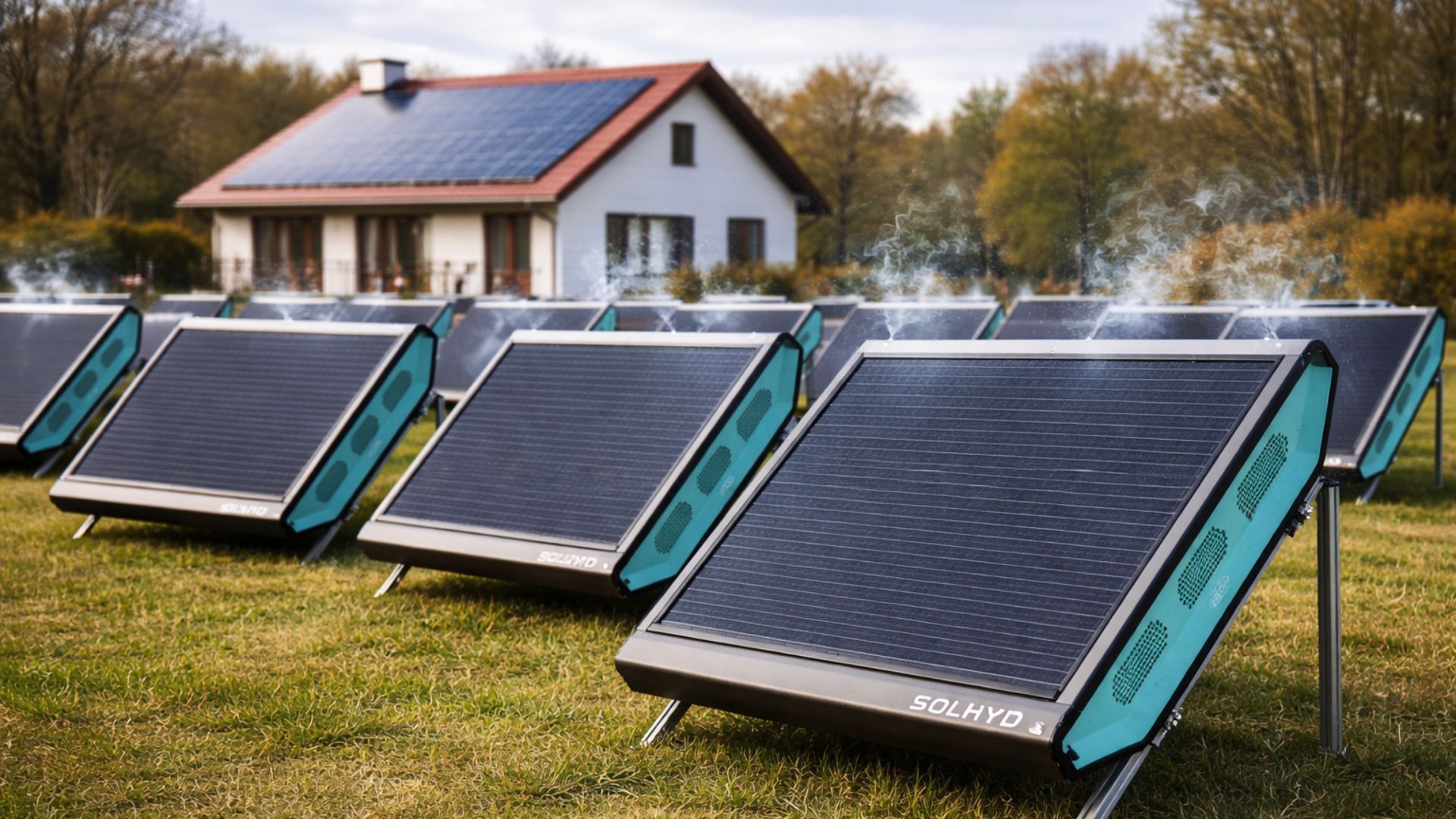
Green hydrogen at home: Belgium launches new technology that makes solar panels produce fuel from the moisture in the air, which could boost the energy transition.
-
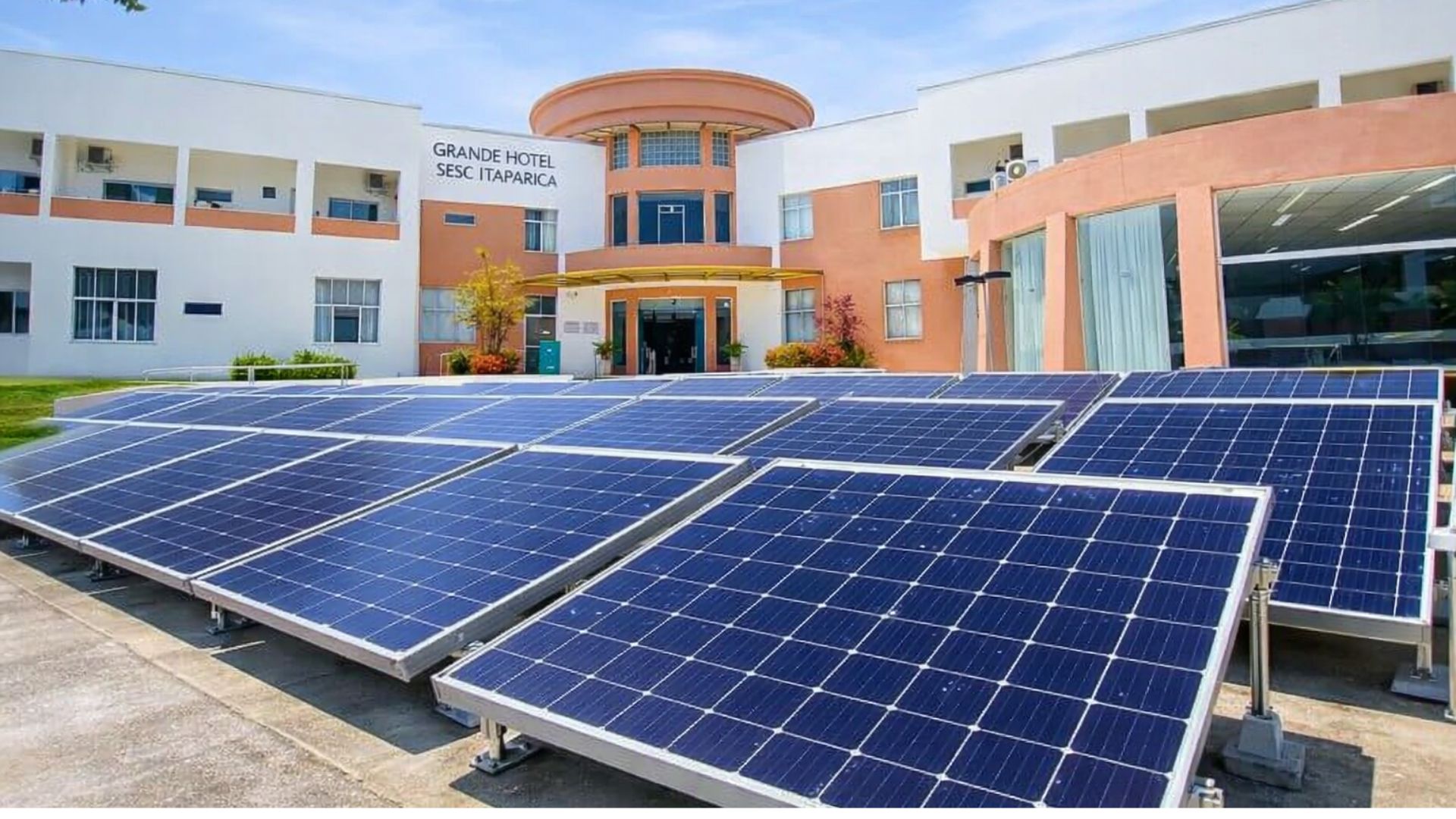
Sesc-BA bets on renewable energy with the support of EDP and drives the energy transition with a direct impact on cost reduction and the sustainability of its operations in Bahia.
-
Technology giant breaks global sustainability records: How Amazon’s leadership in renewable energy procurement transformed the global energy market in the past year.
-
Alert in the electric sector: Atlas Renewable Energy confirms billion-dollar investment and Brazil risks losing a share of the new investment in Latin America to neighboring countries.
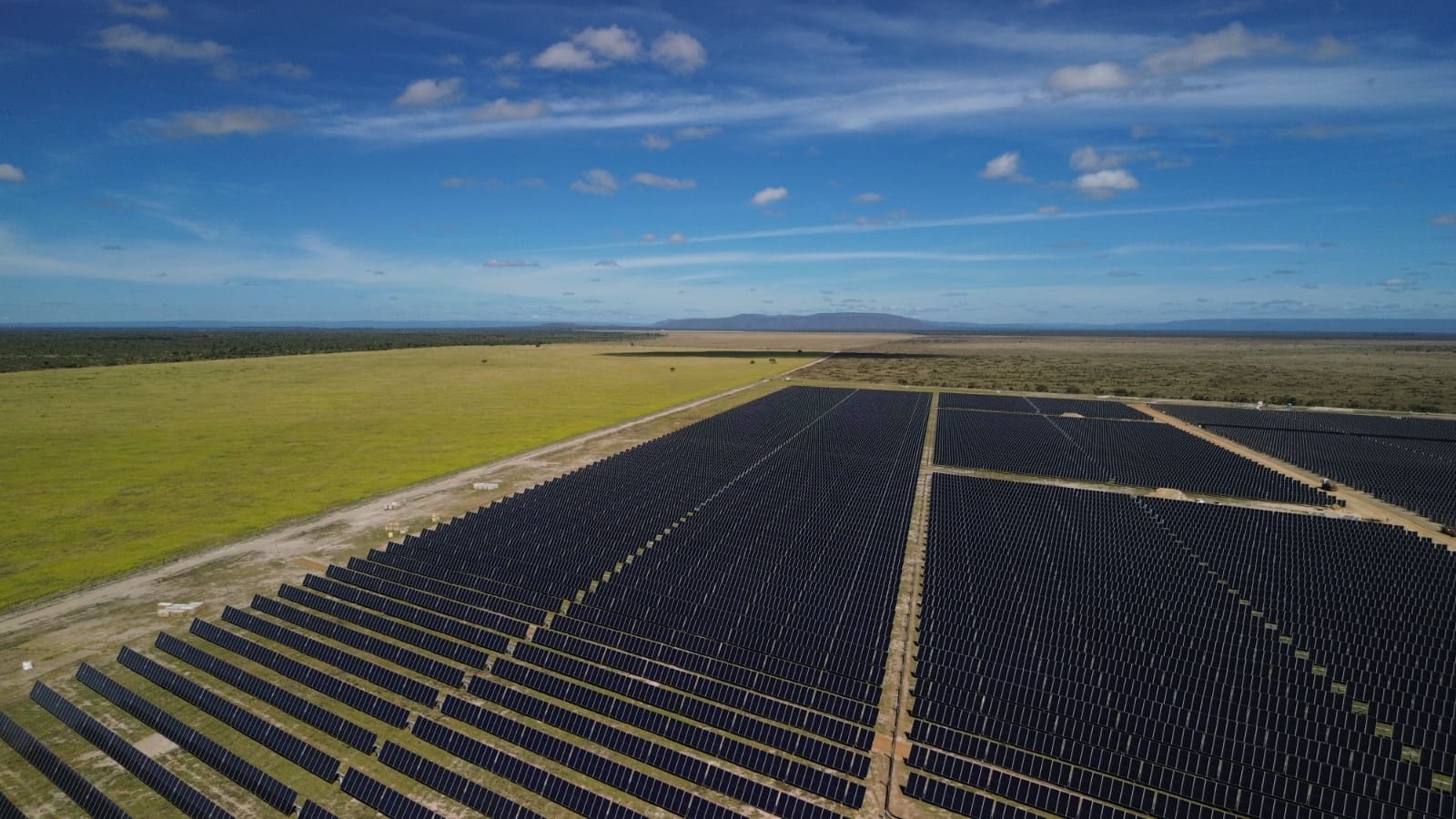

Furthermore, the history of energy in Brazil marks great milestones that shaped how the country produces and consumes electricity. From the construction of huge hydropower plants, such as Itaipu and Sobradinho, to the expansion of wind and solar sources, the national energy matrix has sought to balance availability, cost, and sustainability.
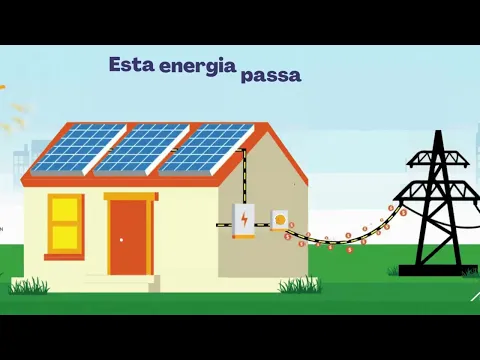
Consequently, the emergence of distributed generation represents a historic change in the role of the consumer. Previously just an energy recipient, the citizen now produces electricity. This generates economic and environmental benefits, but also demands new management and storage solutions. Therefore, home energy storage emerges as a central piece to consolidate this transformation.
The Challenge of Stability and the Importance of Batteries
The main challenge, therefore, is ensuring stability. Distributed generation systems, especially solar ones, produce energy at specific times, usually during the day. During this period, the demand is not always high. Without flexibility mechanisms, such as residential batteries, excess energy needs to be redistributed or, in many cases, discarded to maintain grid balance.
In this way, this situation puts pressure on distributors, compromises grid reliability, and limits the consumer’s potential for savings. Home energy storage addresses this issue by allowing excess electricity to be stored and used during peak demand periods. Thus, what was once waste becomes a strategic resource.
Additionally, less than 1% of units with distributed generation in Brazil have storage systems. This data highlights a strategic opportunity still underexplored. Thus, investing in home batteries increases the consumer’s autonomy and strengthens the electric system as a whole. This ensures greater resilience in situations of high demand or unexpected interruptions.
Therefore, storage enables new business models, such as offering ancillary services. In these cases, the stored energy can be shared or sold to balance the grid. In addition, it reduces overload during peak moments, decreasing the risk of blackouts. Consequently, it stabilizes supply for all connected consumers.
International Lessons: The Example of Australia
Indeed, international experience shows that w ell-structured public policies accelerate the adoption of residential batteries. For example, Australia implemented programs such as Cheaper Home Batteries, which allocates billions of Australian dollars in subsidies for the installation of storage systems ranging from 5 kWh to 100 kWh.
Moreover, state initiatives complement with additional incentives and interest-free loans, making the technology more accessible. As a result, the demand for home batteries has grown significantly, consolidating home energy storage as a central element in the country’s energy transition.
Consequently, in Brazil, similar experiences could generate significant impacts. The Brazilian consumer is already investing in solar energy. Therefore, storage represents the next logical step in this journey. Thus, policies that encourage the adoption of residential batteries could transform the current scenario.
Furthermore, the excess energy produced in homes could return to the grid during peak times, preventing cuts and promoting greater energy efficiency. Additionally, a more structured domestic battery market could create jobs, boost the clean technology industry, and strengthen the national green economy.
Technological Evolution and Socio-Environmental Impacts
Historically, the concept of energy storage has evolved alongside electrical technology itself. Initially, home batteries were simple accumulators of chemical energy, limited in capacity and durability. However, with advancements in technology, especially lithium-ion batteries, it has become possible to store large volumes of energy efficiently, safely, and durably.
Thus, this technological progress has made home energy storage economically viable, allowing ordinary consumers to actively participate in energy management. Moreover, new materials and intelligent monitoring systems enable the battery to not only store energy but also optimize usage according to the household’s consumption pattern, making the process smarter and more efficient.
In addition to the technical aspect, home energy storage generates positive socio-economic and environmental impacts. By reducing dependence on cuts or direct consumption from the grid, homes become more self-sufficient. This decreases the impact of blackouts and fluctuations in supply.
From an environmental perspective, using batteries to harness excess solar energy helps reduce greenhouse gas emissions, as it diminishes the need to activate fossil power plants during peak demand. Additionally, it helps reduce losses in energy transmission and distribution, optimizing resources and reinforcing the sustainability of the electrical matrix.
Innovation and Future Opportunities
Furthermore, the technological innovation that home storage can stimulate is significant. As more households adopt batteries, the demand for intelligent energy management solutions, monitoring software, and integration with automation systems increases.
This movement creates a virtuous cycle of innovation, attracting investments and fostering new industries related to the energy transition. Thus, home energy storage not only addresses current challenges but also acts as a catalyst for the country’s economic and technological development.
Indeed, Brazil has an extraordinary solar potential, distributed from north to south, and a growing population of consumers engaged in self-generated energy. This places the country in a favorable position to adopt policies that encourage home storage. Thus, it is possible to learn from international experiences and adapt them to the national reality.
Therefore, the consolidation of residential batteries could transform the electrical matrix, making it more decentralized, clean, and intelligent. It would no longer depend solely on large plants or emergency cuts. Additionally, large-scale adoption would create a robust internal market, stimulating research and development of new storage technologies and intelligent energy services.
The Time is Now
In summary, the time to invest in home energy storage is now. Brazil has available technology, motivated consumers, and favorable natural conditions. Thus, energy policies that recognize residential batteries as part of the solution, and not as a luxury, can change the sector’s landscape.
By implementing these policies, the country will strengthen the reliability and efficiency of the electric system. Moreover, it will consolidate its leadership in the global energy transition, promoting sustainability, savings, and autonomy for millions of Brazilians.









Seja o primeiro a reagir!