





 Portuguese
  English
  Spanish
  3 min of reading
  0 comments


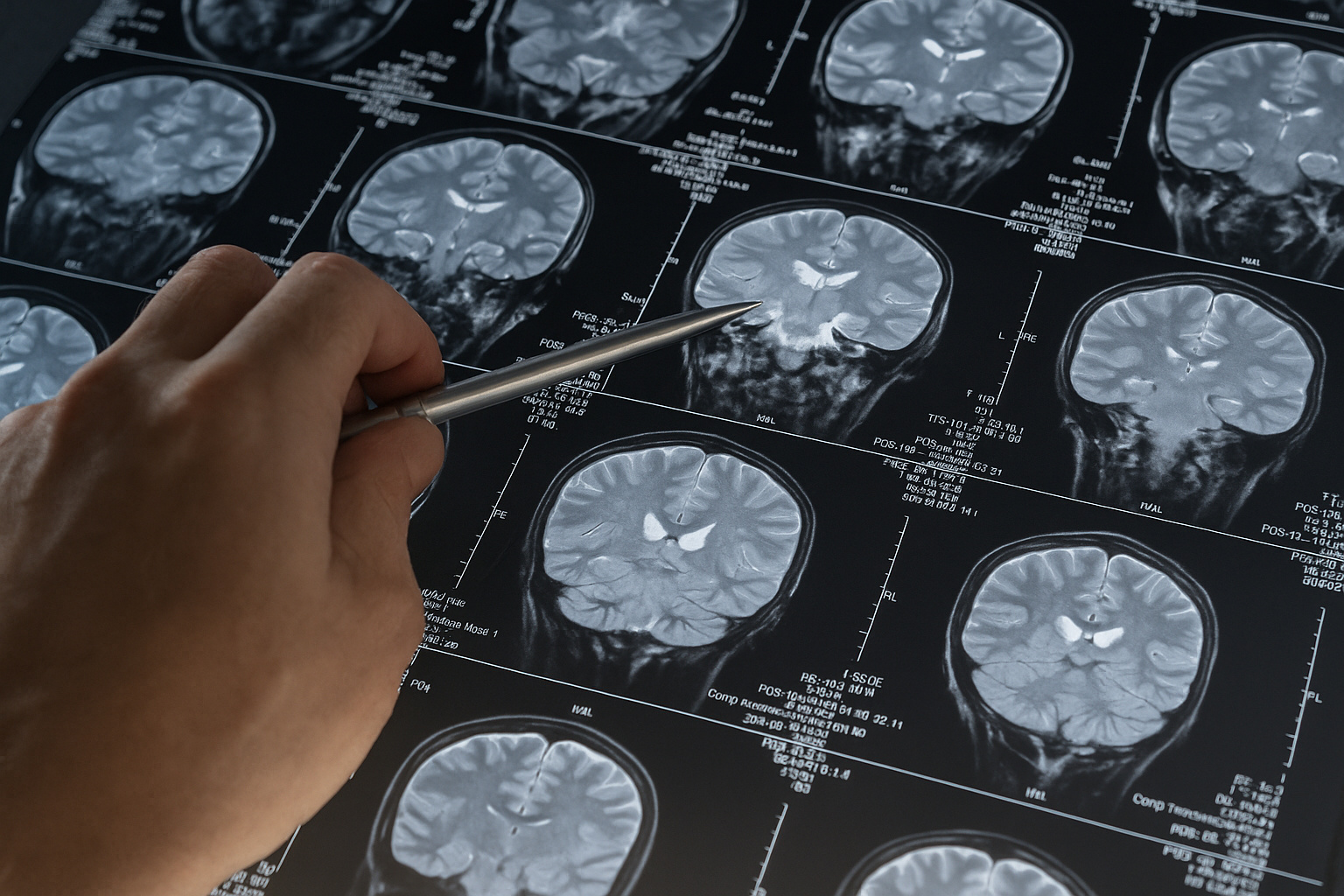
Researchers Identify That Traumatic Brain Injuries Can Wake Dormant Viruses in the Brain and Cause Damage Linked to Alzheimer’s Disease. Understand the Results.
Researchers from Tufts and Oxford universities revealed in January 2025 that severe traumatic brain injuries can reactivate dormant viruses in the human body.
The study, published in the journal Science Signaling, showed that the herpes simplex virus type 1 (HSV-1), present in a large part of the population, can “wake up” after repeated head injuries.
This reactivation causes brain damage associated with Alzheimer’s disease.
How Trauma Activates the Virus
Scientists used mini-brains created from stem cells to simulate human brain tissue.
During the tests, they observed that a physical impact, such as a concussion, can rupture brain tissue.
Consequently, this rupture reactivates HSV-1.
According to biomedical engineer Dana Cairns from Tufts University, the goal was to understand if “traumas could make the dormant virus become active.”
Surprisingly, the answer was positive.
Although the mini-brains do not fully represent the human brain, they helped to demonstrate how light and repeated blows provoke cellular reactions typical of neurodegeneration.
-
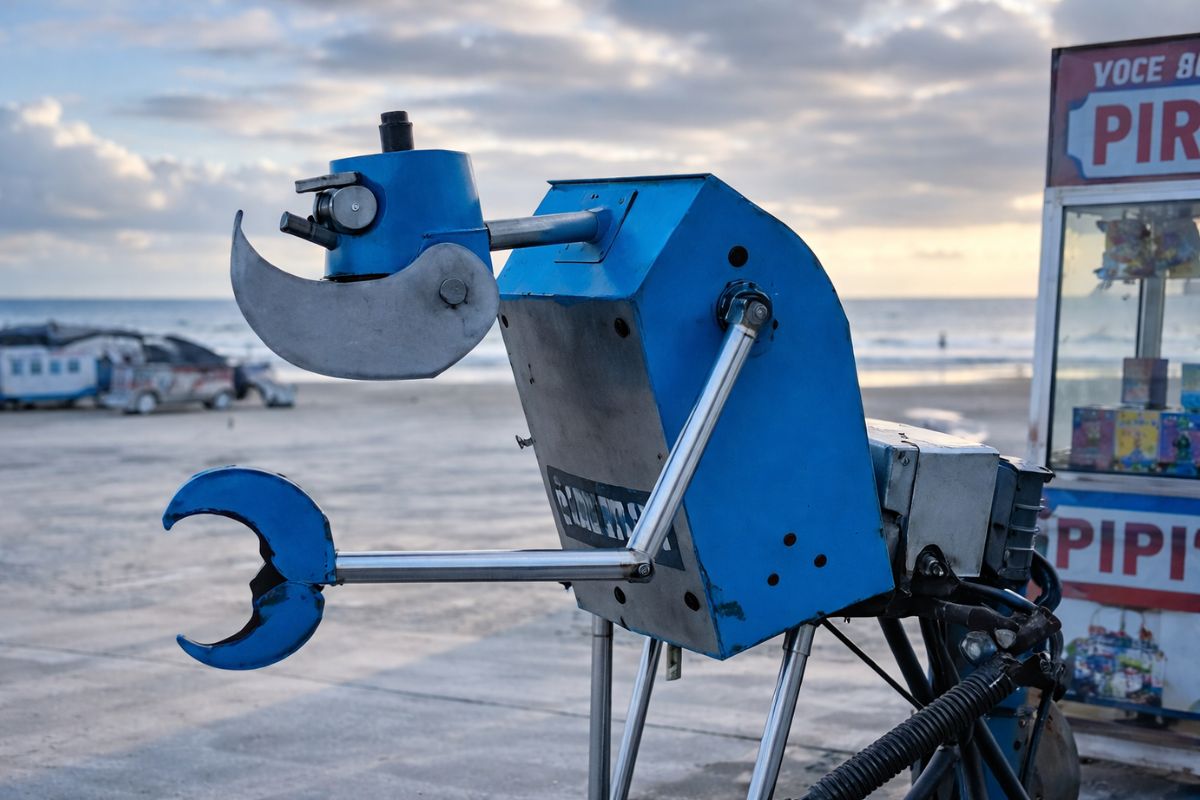
A street vendor from Praia Grande built a robot made of scrap from scooters and washing machines that pulls his popcorn cart on the beach, emits sounds, and interacts with customers, becoming an attraction on the coast of São Paulo.
-
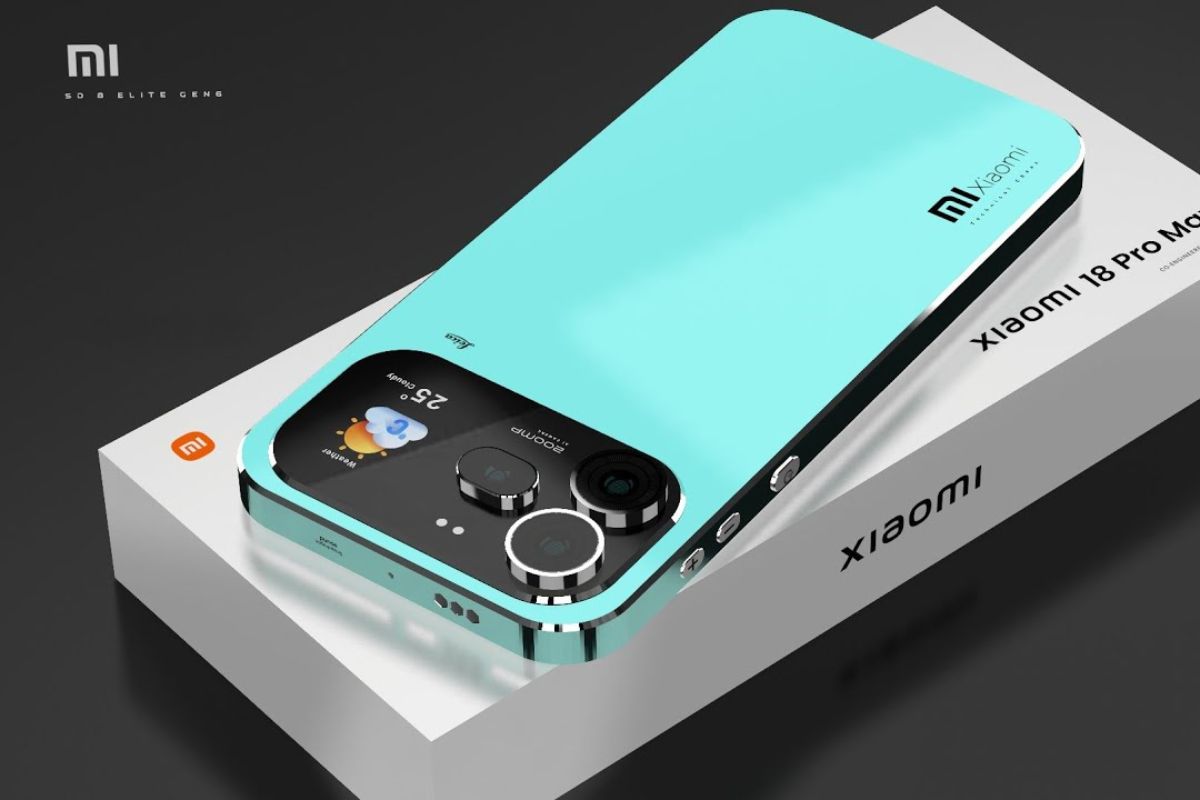
The specifications of the Xiaomi 18 Pro Max have been leaked, and the highlight is a dual 200 MP camera with a new 22-nanometer technology that promises to consume less energy and capture details in shadows and bright areas using LOFIC HDR.
-
If the trip to the Moon were a hoax, it would be necessary to keep the secret among 400,000 people for more than 50 years and to deceive even the Soviet Union, which was tracking the radio signals coming from the exact direction of the satellite during each Apollo mission.

-
Artemis 2 launches at 7:35 PM with four astronauts and ends a 50-year fast in lunar orbit: the SLS rocket departs from Florida, the mission lasts 10 days, circles the far side, and tests Orion in a free-return trajectory.


Observed Effects on the Brain
After a week of experiments, researchers observed protein tangles and inflammation in the cells.
These phenomena are typical of neurodegenerative diseases.
The results indicated that brain trauma creates an ideal environment for HSV-1 to multiply again.
Furthermore, recent studies also point out that traumatic brain injuries significantly increase the risk of dementia and Alzheimer’s.
This condition is very common among former athletes in contact sports, such as American football, rugby, and boxing.
These observations reinforce the importance of understanding how viruses interact with damaged nerve tissue.
The Link Between Viruses and Neurodegeneration
Although the complete mechanism is still not fully understood, scientists already know that latent viruses in the brain can be reactivated by injuries.
HSV-1, in particular, is one of the main suspects.
A study published in 2008 showed that 90% of the protein plaques found in the brains of people with Alzheimer’s contained DNA from this virus.
During the new experiments, the Tufts and Oxford team observed that after trauma, infected cells began to release less glutamate.
Glutamate is a neurotransmitter essential for brain communication.
The reduction of this compound indicates progressive neurodegeneration.
Researchers explained that “repeated trauma intensifies the reactivation of latent HSV-1.”
They also stated that this amplifies neuronal damage compared to a single impact.
Thus, the current hypothesis is that the herpes simplex virus type 1 contributes to the development of dementias.
Why the Virus Is So Common
According to the World Health Organization, about 64% of the world population carries HSV-1.
The varicella-zoster virus, responsible for chickenpox and shingles, is present in 95% of people.
Both can remain dormant for decades, lodged in the neurons of the brain.
They only reactivate under certain conditions, such as physical trauma or inflammation.
For researcher Ruth Itzhaki from Oxford University, “understanding the risk factors for dementia and Alzheimer’s is essential for developing early prevention and treatment strategies.”
This discovery reinforces the importance of monitoring brain trauma, especially in people with a history of viral infection.
Impact and Perspectives
Although it is still early to determine the extent of these findings, the results open the way for new medical approaches in combating dementia and Alzheimer’s.
Additionally, the data reinforce the necessity of preventing repeated blows to the head, especially in sports and high-risk professions.
The study conducted by Tufts and Oxford in 2025 adds to the evidence connecting physical trauma, brain inflammation, and viral reactivation.
Consequently, it helps explain why neurodegenerative diseases have increased in recent decades.
After all, if a simple bump can reactivate a silent virus and cause so much damage, how far does the human body hold secrets not yet revealed by science?






Seja o primeiro a reagir!