





 Portuguese
  English
  Spanish
 5 min of reading
  0 comments


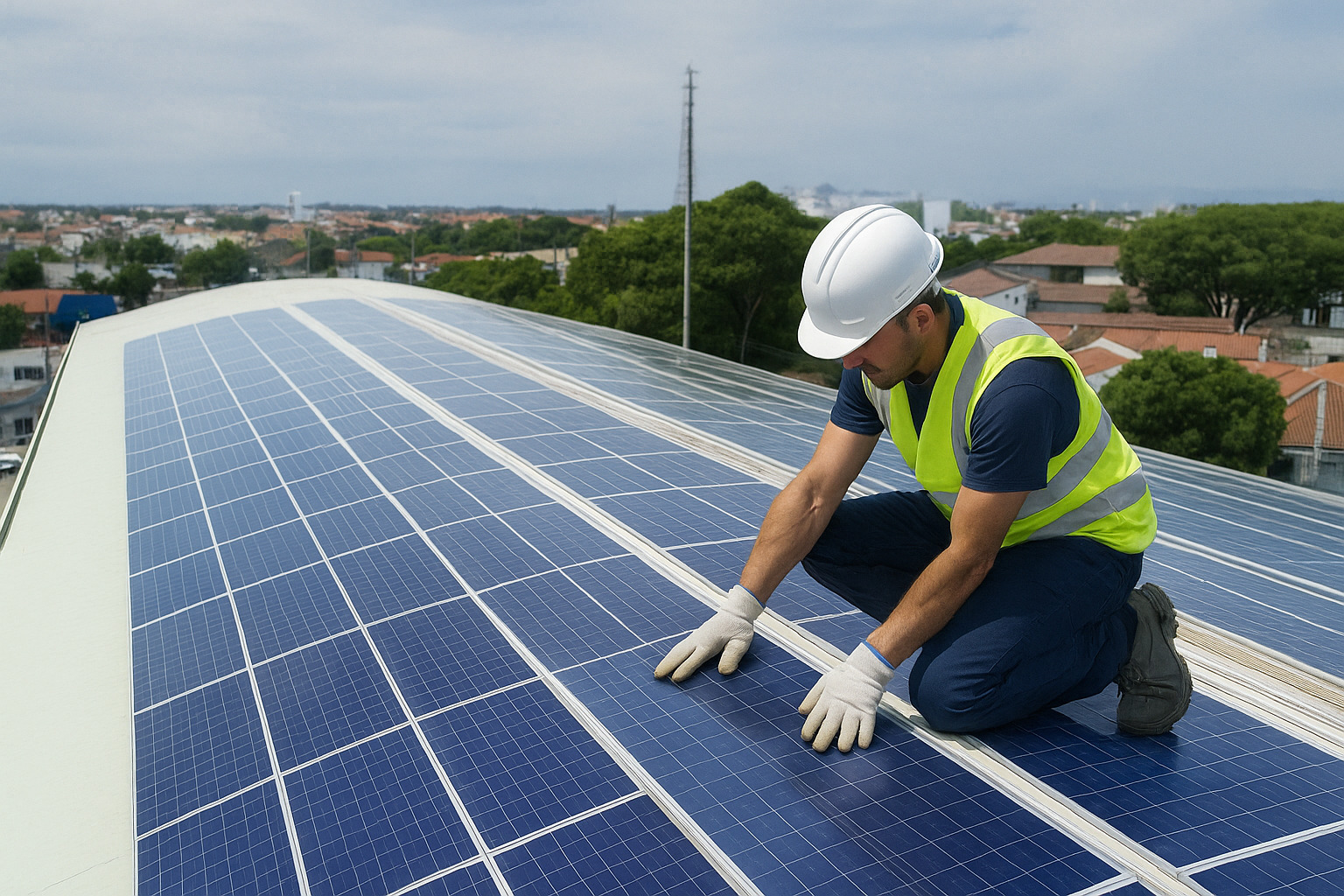
Belém Installs Solar Panels and Strengthens Sustainability in Schools and Health Units with Economy and Social Inclusion.
The city of Belém is experiencing an important transformation by investing in clean energy solutions. The installation of solar panels in public units reinforces the pursuit of sustainability, economy, and social inclusion. This initiative has the potential to reduce municipal expenses while simultaneously expanding access for vulnerable communities to quality services.
Moreover, the initiative connects to a broader context of Brazilian environmental policies, in which the federal government and states have sought to encourage the use of renewable energy sources. This means that Belém is actively participating in a national trend, aligning local actions with a movement of global reach.
Solar Energy as a Path to the Future
Belém installs solar panels in schools and health units as part of a strategic partnership with the UN Refugee Agency (UNHCR). The city hall estimates savings of R$ 1.1 million per year with the initiative, demonstrating the direct economic impact of adopting renewable energies.
-
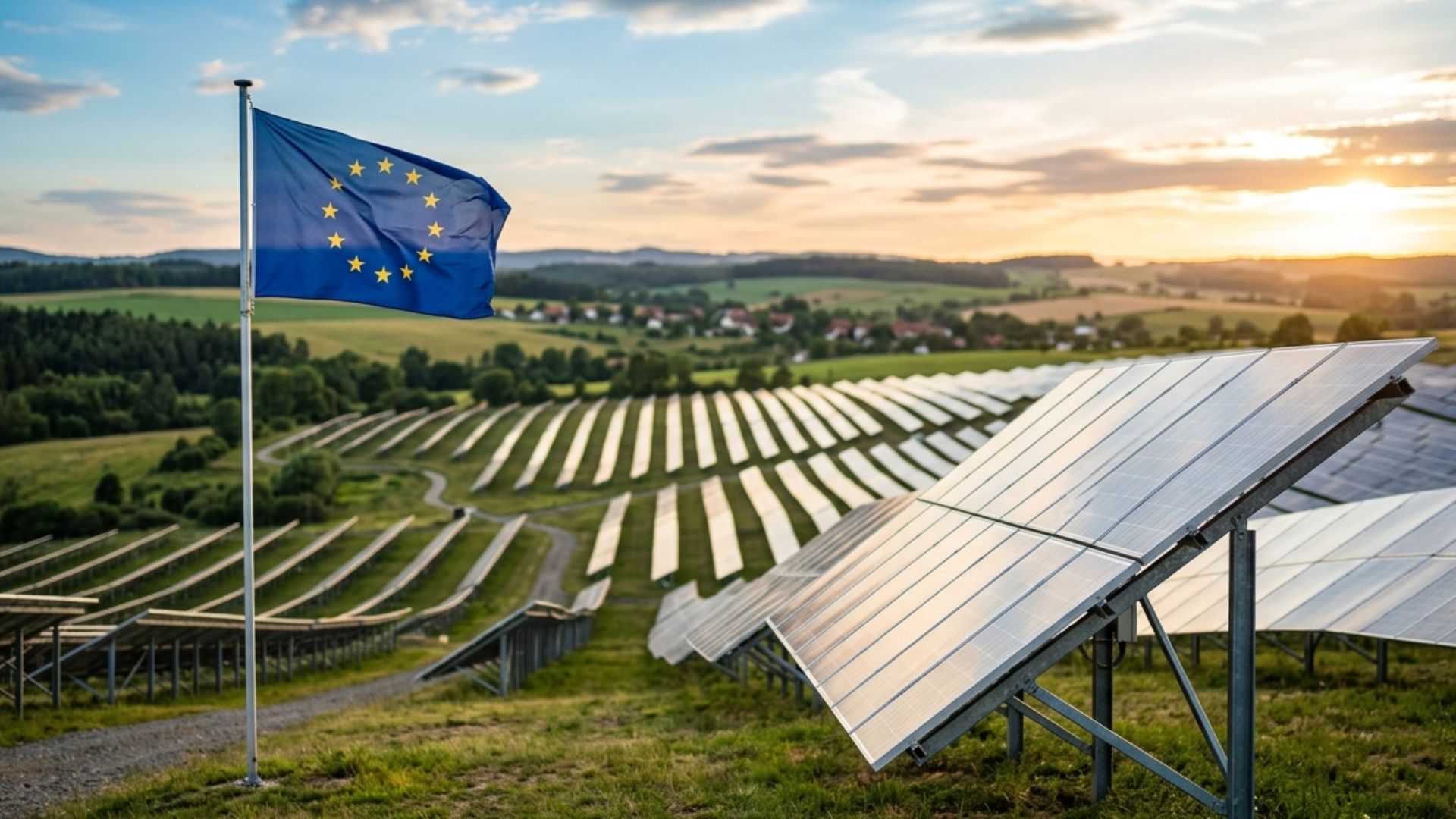
Europe records strong euro economy with solar energy in March and sparks curiosity about which country leads growth that redefines the energy market and reduces costs.
-
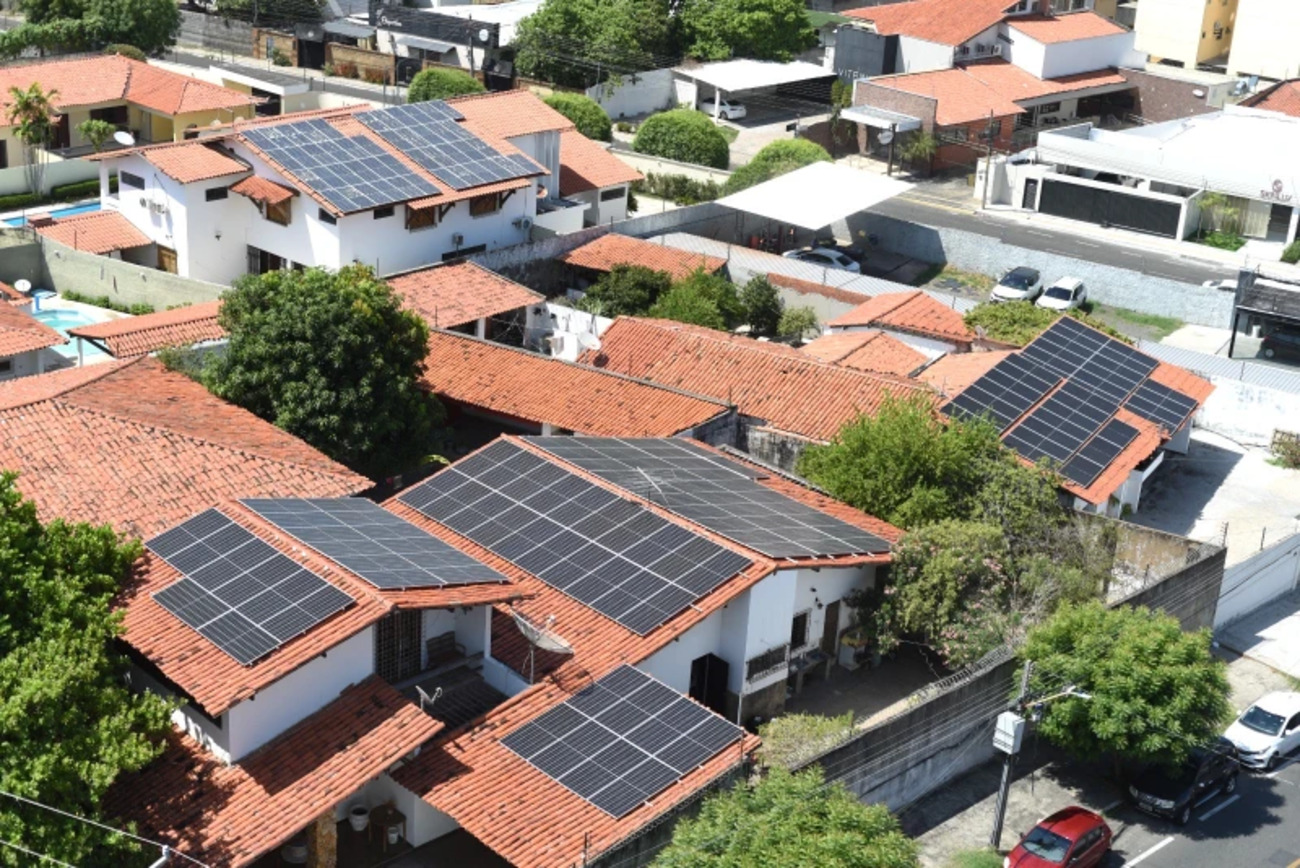
Piauí reaches a historic milestone in energy transition: State records nearly 160,000 households powered by solar energy and leads growth in the Northeast.
-
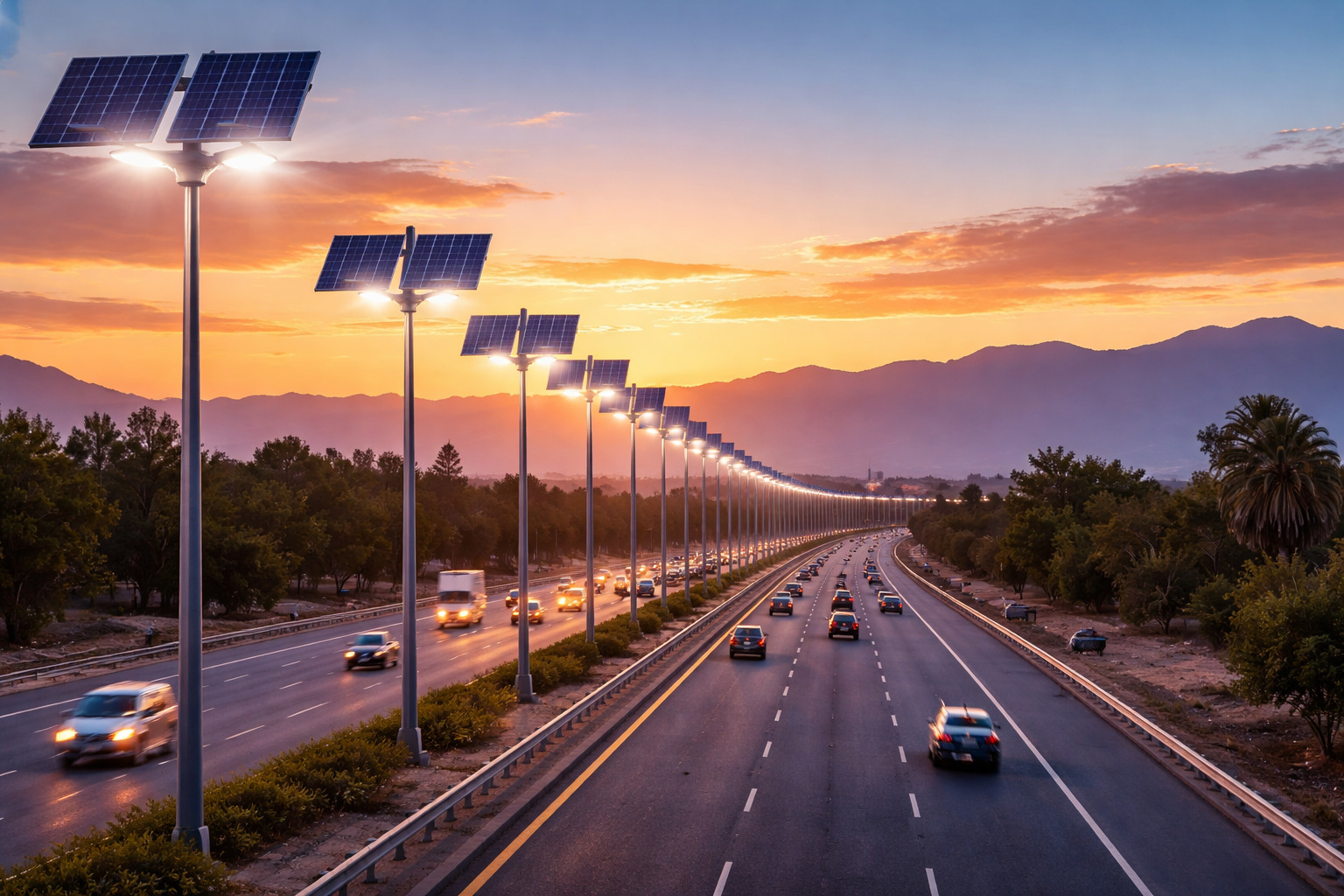
Argentina debuts its first 100% solar-powered highway and transforms an entire road into a showcase of clean energy.
-
Minas Gerais reaches a historic record and surpasses the power of Itaipu, but network costs generate debate: Understand why solar energy in MG impacts the electricity bill of those without panels.
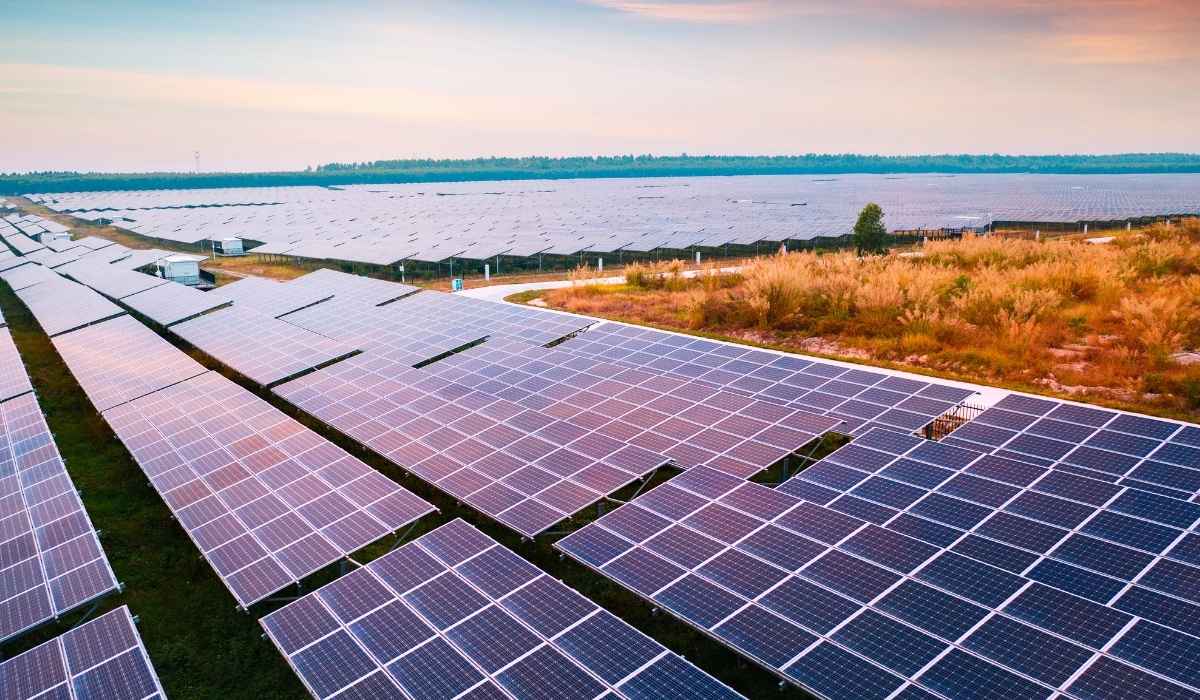

This project, in addition to reducing costs, strengthens the commitment to environmental preservation. Solar energy generation decreases reliance on the conventional power grid and contributes to the reduction of greenhouse gas emissions.
The agreement established guarantees not only supply but also the installation and maintenance of the solar panels at no cost to the city hall. This cooperation model exemplifies how the union between public agencies and international entities can accelerate the energy transition.
Furthermore, the partnership promotes learning and environmental awareness. Students at the benefiting schools will have direct contact with clean technologies, learning practically about sustainability and solar energy. This creates a continuous environmental education opportunity, which can inspire young people to become agents of transformation in their communities.
Selected Units and Social Impact
The selection of the four units awarded solar panels followed specific criteria. The Guamá Family Health Unit, chosen for its high number of consultations, represents the location with the highest electricity consumption among the options.
Meanwhile, the Pedro Demo and Helder Fialho schools, located in the Outeiro district, were selected for serving vulnerable communities, including Warao indigenous refugees. This group, coming from Venezuela, found a space for support and integration in Belém.
The initiative shows that the project is not limited to economy or environmental issues. It promotes social inclusion, expands access to basic services, and strengthens cultural integration.
Moreover, the presence of diverse communities in school spaces promotes the exchange of experiences and strengthening of community ties, generating social benefits that go far beyond electricity bills.
Warao Refugees and Integration in Belém
The Warao indigenous people arrived in Brazil seeking refuge and are now present in various regions. According to UNHCR, about 800 live in the metropolitan region of Belém. The city, therefore, has consolidated itself as a transit point and destination for this people, in addition to receiving individuals from various nationalities in similar situations.
Thus, the installation of solar panels in units that serve these communities goes beyond environmental sustainability. It directly contributes to the strengthening of reception policies, offering adequate structures and more efficient public services.
This aspect reveals how clean energy can connect to social justice and human rights. Belém stands as an example of a city that combines technological innovation with humanitarian responsibility.
Additionally, the initiative encourages professional training, as the maintenance of solar systems requires technical skills that can create job opportunities for local residents and refugees, promoting economic inclusion and financial autonomy.
Partnerships and Sustainable Future
The partnership formalized on September 11 established solid foundations for cooperation among the city hall, UNHCR, and energy sector companies. Among them is Longi, the Chinese manufacturer of the solar equipment used in the project.
This union guarantees not only savings for public funds but also the construction of inclusive public policies. The goal is to expand access to essential services, strengthen the reception of refugees, and encourage civic participation.
Moreover, UNHCR’s confirmed presence at the 2025 United Nations Climate Change Conference (COP30), which will take place in Belém, highlights the global importance of the initiative. The event will be an international showcase for the city’s efforts in sustainability and social inclusion.
This international visibility creates opportunities for exchange and learning with other cities worldwide, allowing Belém to share experiences and learn about innovative renewable energy practices.
Historical Context of Solar Energy
The use of solar energy in Brazil began to gain traction in the 2000s, with incentive programs for distributed generation and sustainability. However, progress was slow due to the high initial costs of technology.
Over time, equipment prices have fallen, and investments have increased. Today, the country ranks among the world leaders in solar energy, both in installed capacity and growth potential.
In this scenario, Belém’s decision to install solar panels reinforces a national and global trend. Solar energy has ceased to be a distant alternative and has established itself as a viable, accessible, and essential solution to face climate change.
Moreover, the initiative allows the city to accumulate practical experience in clean energy, creating a model that can be replicated in other municipalities in the Amazon and Brazil.
Social Inclusion and Climate Justice
By investing in solar panels, Belém is not only seeking financial savings. The city is pursuing a broader vision that includes climate justice and strengthening vulnerable communities.
The inclusion of refugees in energy discussions and solutions strengthens public services and generates concrete benefits for the entire population. Such initiatives promote more resilient societies, prepared to face social and environmental crises.
Additionally, by creating more dignified reception conditions, the municipality reaffirms its role as a reference in inclusive public policies. In this way, the energy transition goes hand in hand with social transformation.
The Example of Belém for Brazil
Belém demonstrates that renewable energy can go beyond rhetoric. With practical actions, the city unites sustainability, economy, and inclusion, becoming a model for other Brazilian municipalities.
The installation of solar panels in schools and health units represents just the beginning of a broader strategy. This initiative paves the way for other cities to adopt similar measures, multiplying environmental and social benefits.
With COP30 scheduled to take place in Belém, the municipality will have the opportunity to showcase its advancements to the world. Thus, it can inspire new practices in favor of a more sustainable and just planet.
Furthermore, the integration of environmental actions with training and education programs reinforces the idea of sustainable and socially responsible urban development.
Belém installs solar panels and transforms its local reality while projecting its image on the global stage. The partnership with UNHCR and the adoption of solar energy reveal that it is possible to combine economy, sustainability, and social inclusion in a single project.
This initiative not only reduces public costs but also promotes social justice and strengthens the commitment to future generations. Belém proves that investing in clean energy is investing in a fairer, more sustainable, and solidarity-driven future.








Seja o primeiro a reagir!