





 Portuguese
  English
  Spanish
  4 min of reading
  0 comments


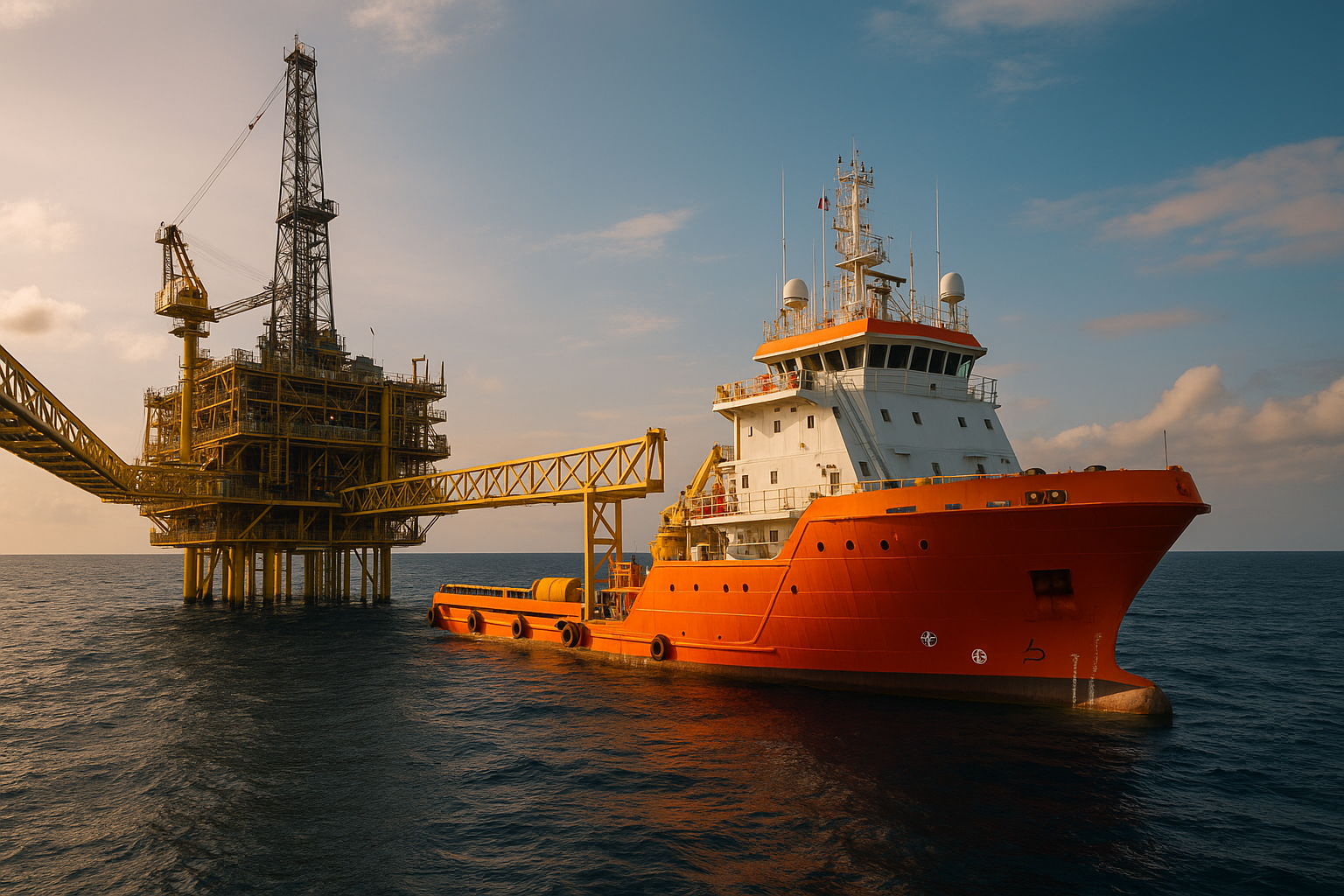
Discover the Benefits of the Shipping Industry and Understand Why This Sector Is Essential for Global Trade, Job Generation, Innovation, and Sustainable Economic Growth.
Since the dawn of humanity, the shipping industry has been a fundamental activity.
Historically, humans built vessels to navigate rivers and seas, motivated by the need for trade, exploration, and communication.
According to UNESCO (United Nations Educational, Scientific and Cultural Organization), the earliest records of vessels date back to around 4000 B.C., when Mesopotamian civilizations used boats for transport on the Tigris and Euphrates rivers.
-
Europe is trying to create an ammonia-powered marine engine without auxiliary fuel, which could unlock the race for giant emission-free ships. The technology aims to eliminate one of the biggest obstacles to clean maritime propulsion.

-
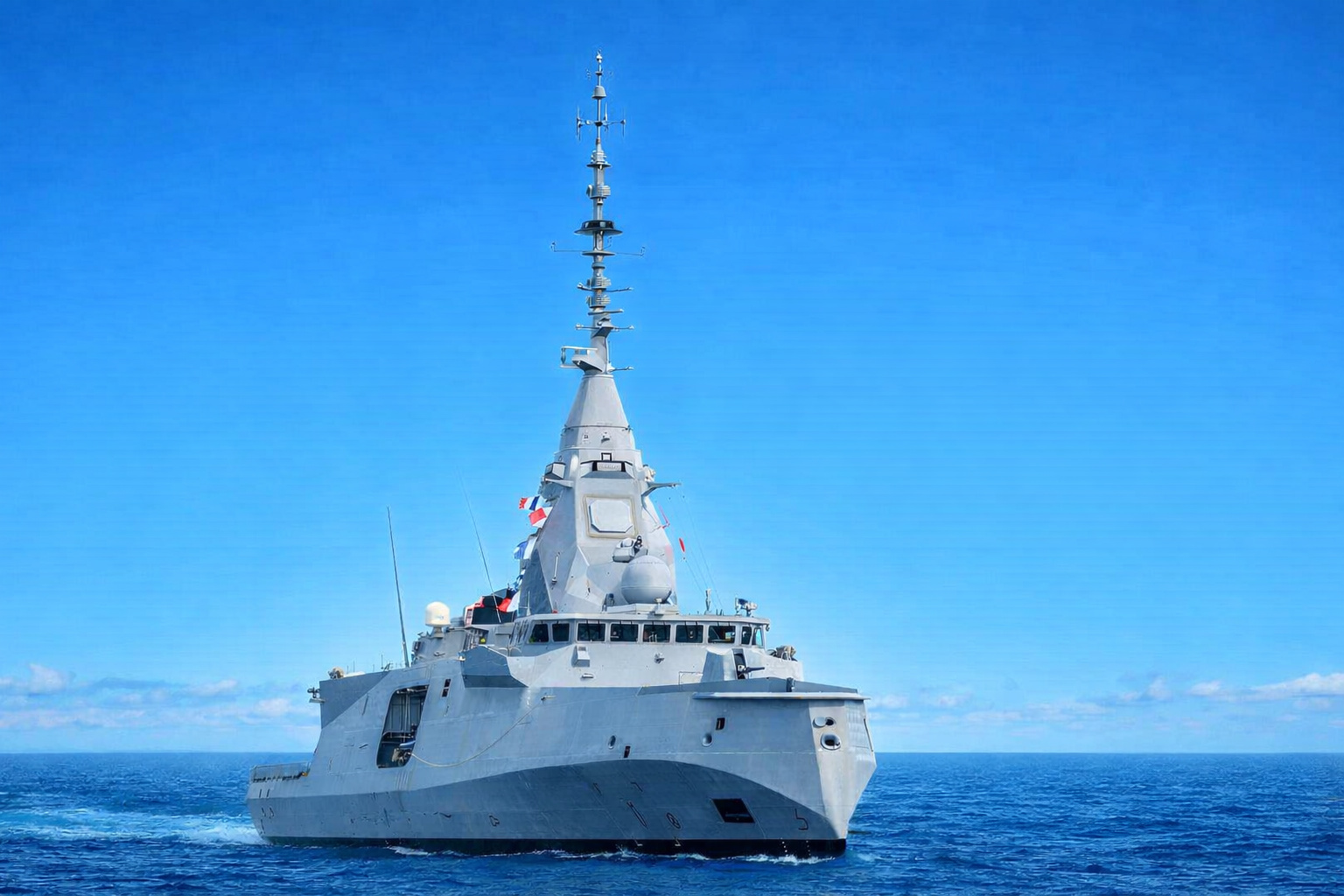
A 4,500-ton frigate with just over 100 crew members, state-of-the-art radar, and cruise missiles is being touted as the new standard of naval warfare in the 21st century.
-
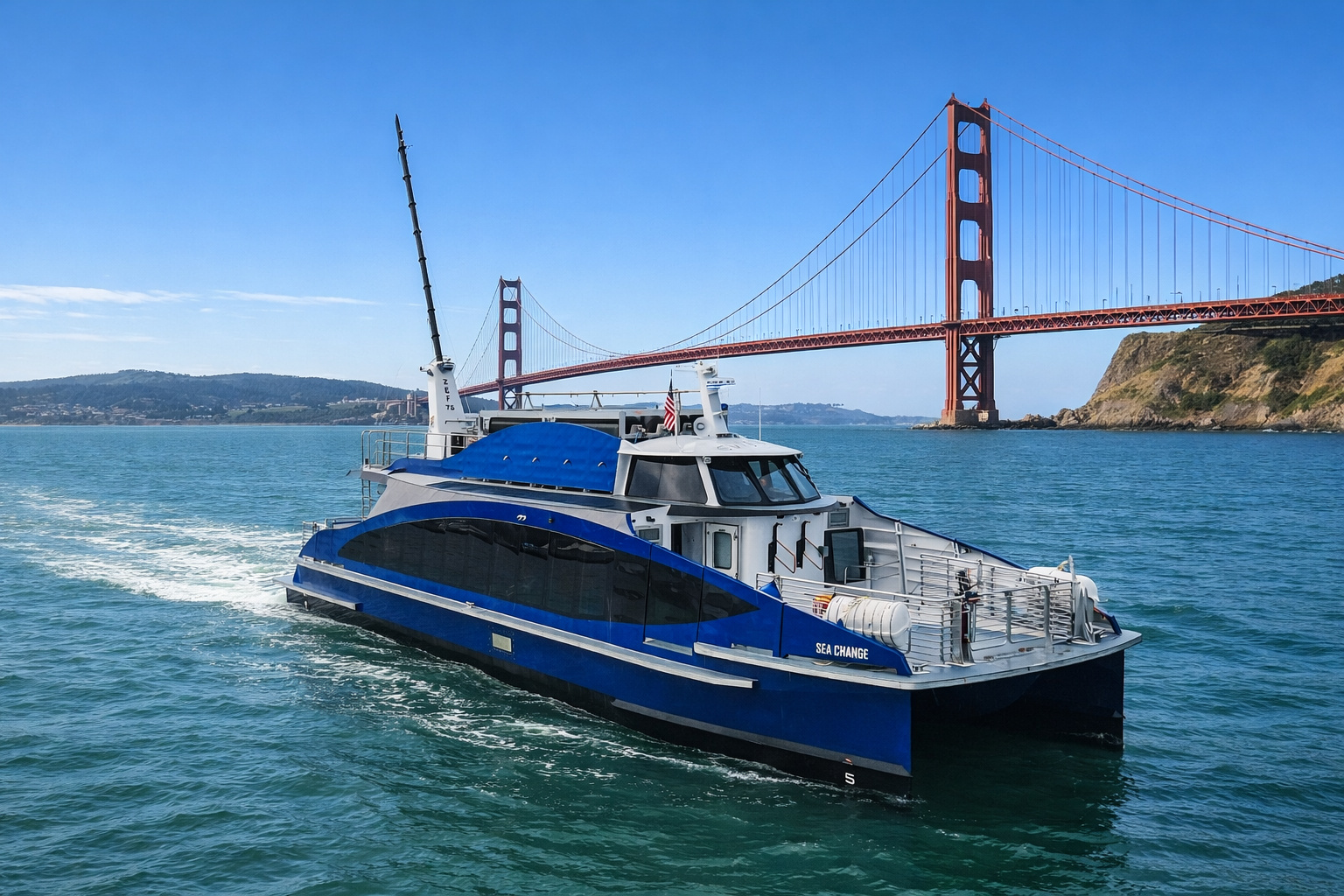
The first commercial hydrogen-powered ferry enters operation in the U.S., eliminates the use of diesel, uses fuel cells to generate clean energy on board, and transforms San Francisco Bay into a landmark of the new era of emission-free navigation.
-
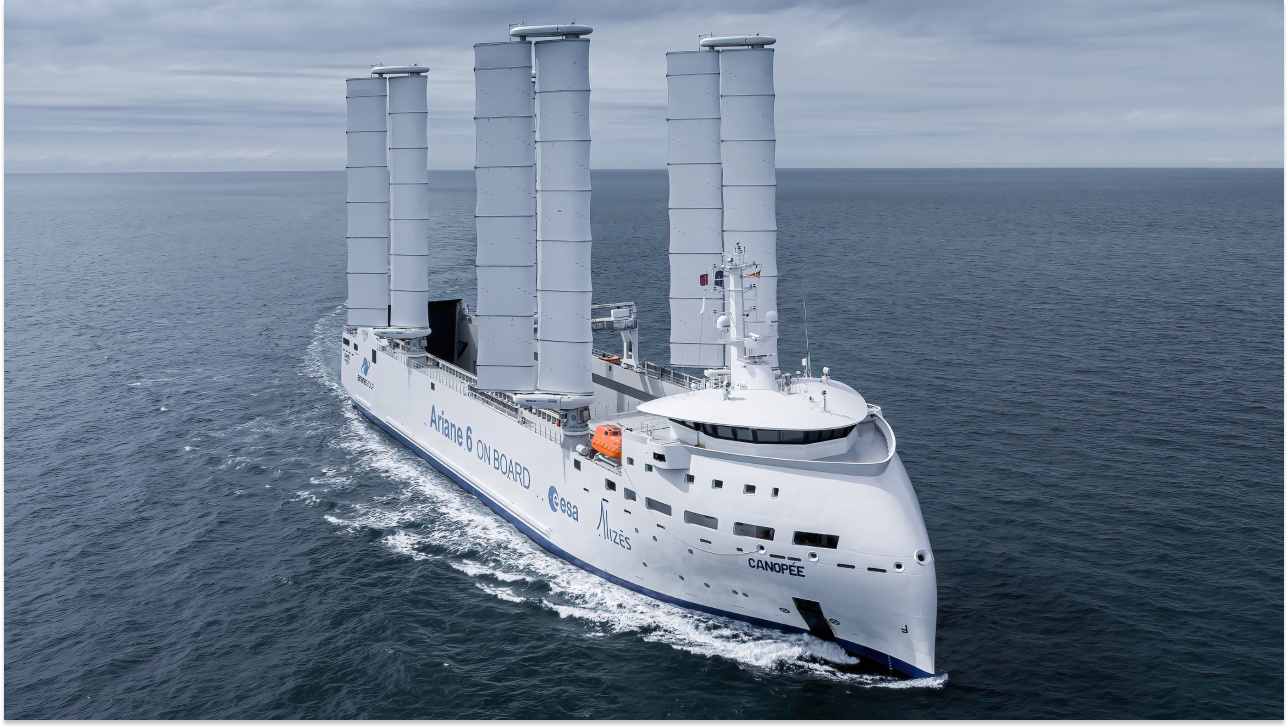
With a length of 121 meters and four rigid sails of 36 meters that automatically rotate to capture the wind, Canopée is the world’s first hybrid industrial cargo ship powered by wind, used to transport rockets and reduce fuel consumption by up to 30% on transoceanic routes.

Thus, over the centuries, this activity has evolved significantly, becoming vital for the economic, social, and technological development of many nations.
Therefore, understanding the benefits of the shipping industry helps to reveal its direct influence on progress and global integration.
In the beginning, vessels were made of wood and powered by oars or sails. However, with advancements in engineering, ships became larger and more resilient.
The International Association of Classification Societies (IACS) highlights that the Industrial Revolution, between the 18th and 19th centuries, marked a new era by introducing the steam engine and the emergence of metal ships.
Moreover, in the 20th century, the shipping industry incorporated technologies such as radar, sonar, and automated systems, making it highly innovative.
Nowadays, this industry encompasses the construction, operation, and maintenance of various types of vessels.
In fact, besides cargo and oil tankers, the sector includes offshore platforms, smaller vessels, ports, shipyards, and logistical systems.
Consequently, its impact extends to various sectors, such as foreign trade, tourism, defense, and industrial fishing.
Maritime Transport: The Foundation of Global Trade
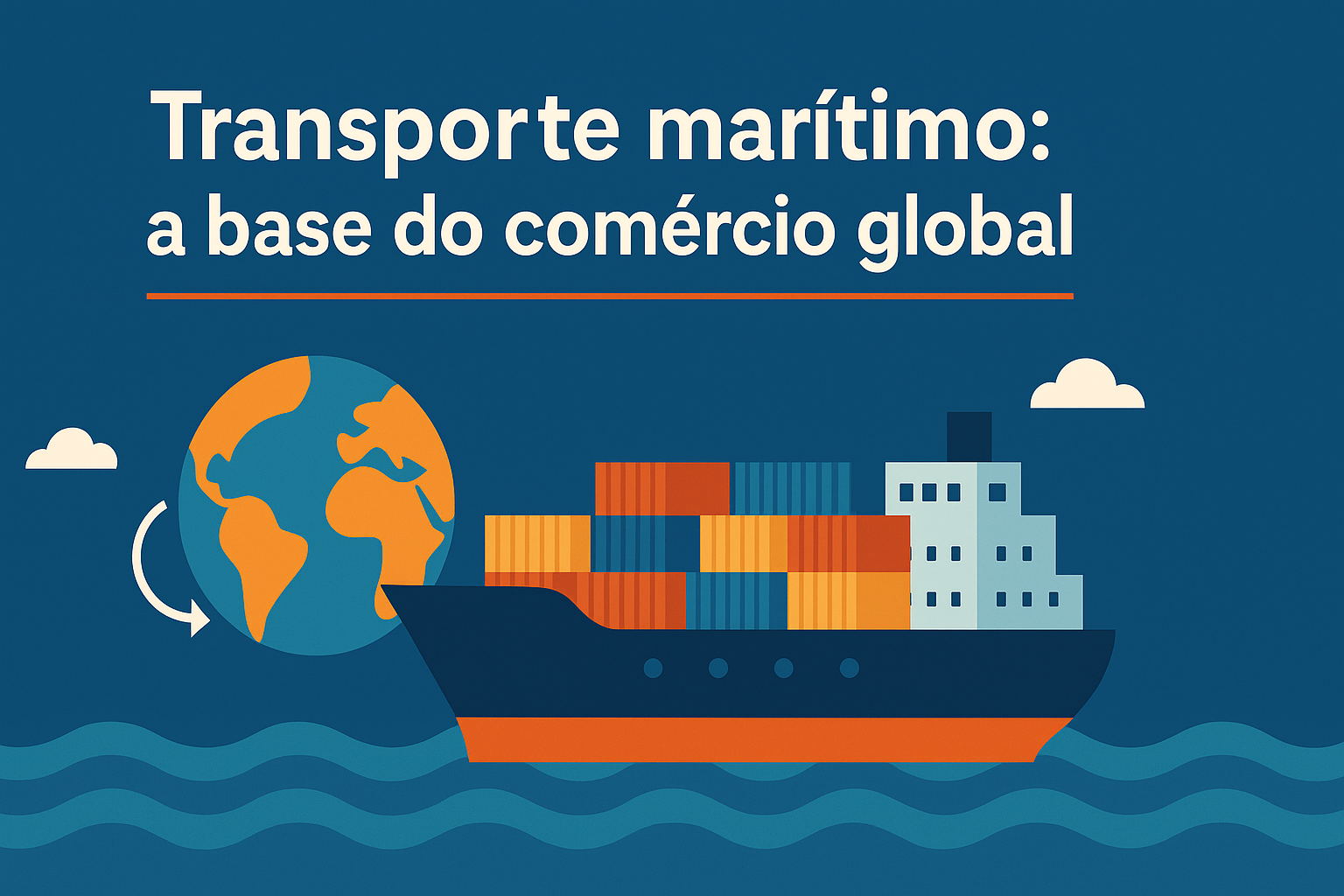
One of the greatest benefits of the shipping industry lies in the transport of goods.
According to the United Nations Conference on Trade and Development (UNCTAD), about 90% of global trade uses maritime routes, precisely due to the ability of ships to transport large volumes at a low cost.
Thus, this logistical model connects global markets, facilitating access for consumers and businesses to products from all continents.
Additionally, the shipping industry generates numerous jobs. Shipyards employ thousands of professionals, such as naval engineers, technicians, welders, and operators.
Equally important, the production chain mobilizes suppliers of parts, equipment, and services, which boosts the local and regional economy.
Therefore, investing in shipbuilding benefits not only those working directly in the sector but also society as a whole, providing income, training, and professional inclusion.
Another essential benefit is the stimulus for innovation. The construction of vessels requires cutting-edge technology, such as intelligent navigation systems, sustainable propulsion, and new materials.
Thus, universities and research centers actively participate in this development, contributing knowledge applicable to other sectors of the industry. Therefore, the naval sector drives the scientific and technological progress of the country.
Benefits of the Shipping Industry: Safety, Sovereignty, and Technological Innovation

Maintaining a private fleet strengthens national sovereignty. With it, the country ensures control over maritime routes and the protection of its territorial waters.
According to the Ministry of Defense of Brazil, the Navy operates not only in defense but also in humanitarian actions and support for natural disasters.
In this way, the shipping industry contributes to the oversight of coastal areas, combating illegal activities such as predatory fishing, trafficking, and piracy.
Although there are environmental challenges, the sector has sought sustainable alternatives. For example, shipyards and companies invest in alternative fuels, energy-efficient ships, and solutions to reduce pollutant emissions.
Thus, international standards such as those from the International Maritime Organization (IMO), which updated its regulations in 2020, guide these improvements, making navigation safer and more ecological.
Moreover, the shipping industry bridges geographically distant regions. In countries like Brazil, with many rivers and an extensive coastline, inland and coastal navigation helps to efficiently transport agricultural, industrial, and mineral production.
Therefore, this stimulates the growth of areas farther from major centers, expands access to markets, and strengthens regional development.
Economic Impacts and Challenges for the Future

A structured shipping industry positively contributes to the trade balance. Whenever a country builds its own ships or exports vessels, it reduces expenses related to foreign freights and attracts foreign investments.
Consequently, this movement values port regions, boosts industrial hubs, and promotes sustainable growth.
However, the sector needs effective public policies to maintain its strength. Funding, modernization of shipyards, professional training, and improvement of port infrastructure are essential measures.
Therefore, partnerships between government, private initiative, and universities can ensure continuous innovation and international competitiveness, according to the Brazilian Institute of Economics (IBRE/FGV).
Furthermore, the shipping industry does not act in isolation. It connects with areas such as energy, agribusiness, tourism, fishing, and foreign trade.
After all, each ship built mobilizes an extensive chain of activities, generating value and opportunities for the economy as a whole.
In summary, considering the benefits of the shipping industry, it is clear that this sector is essential in the modern world.
It promotes the efficient transport of goods, generates jobs, drives innovation, strengthens sovereignty, and contributes to sustainable development. Therefore, looking to the sea also means seeing possibilities, connections, and progress.









Seja o primeiro a reagir!