





 Portuguese
  English
  Spanish
  3 min of reading
  0 comments


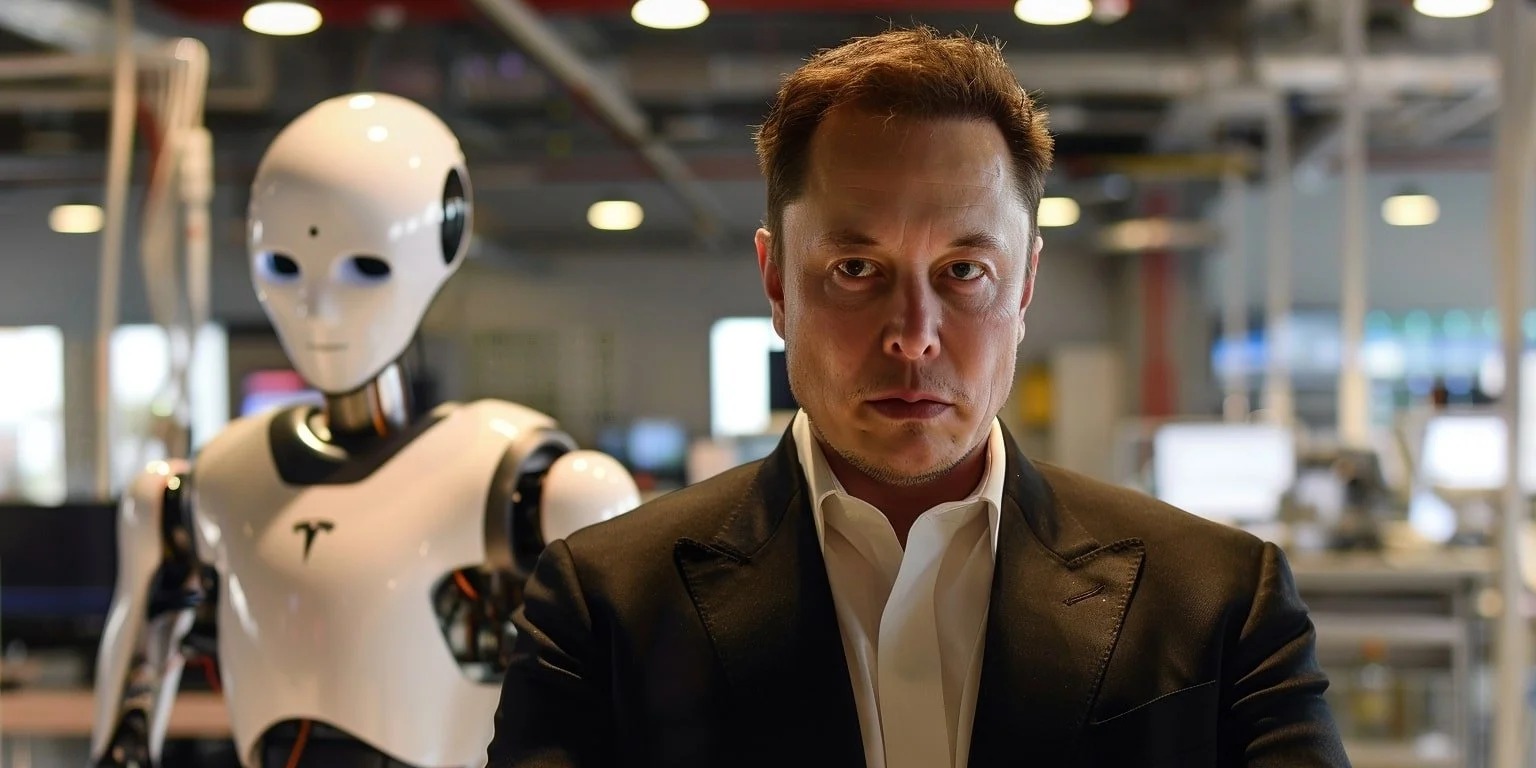
The Billionaire Elon Musk Is Back to Provocative Issues With a Prediction That Blends Technology, Science and Even Human Behavior.
Elon Musk has once again taken to X, formerly Twitter, to make another controversial prediction. This time, the billionaire claimed that “AI will obviously destroy the human limbic system,” the part of the brain responsible for emotions.
The statement was accompanied by an unexpected prediction.
Musk said he believes that, counterintuitively, this destruction could increase birth rates. “Mark my words. By the way, let’s program it that way,” he wrote.
-
Artificial intelligence is skyrocketing energy consumption, raising emissions from tech giants and pushing Google, Microsoft, and Meta closer to natural gas.

-
Mercor paid $1.5 million per day for doctors, lawyers, and former Goldman Sachs bankers to teach artificial intelligence to do their jobs, and in 17 months, it went from zero to $500 million in annual revenue while its own contractors accelerated the replacement of their own work.

-
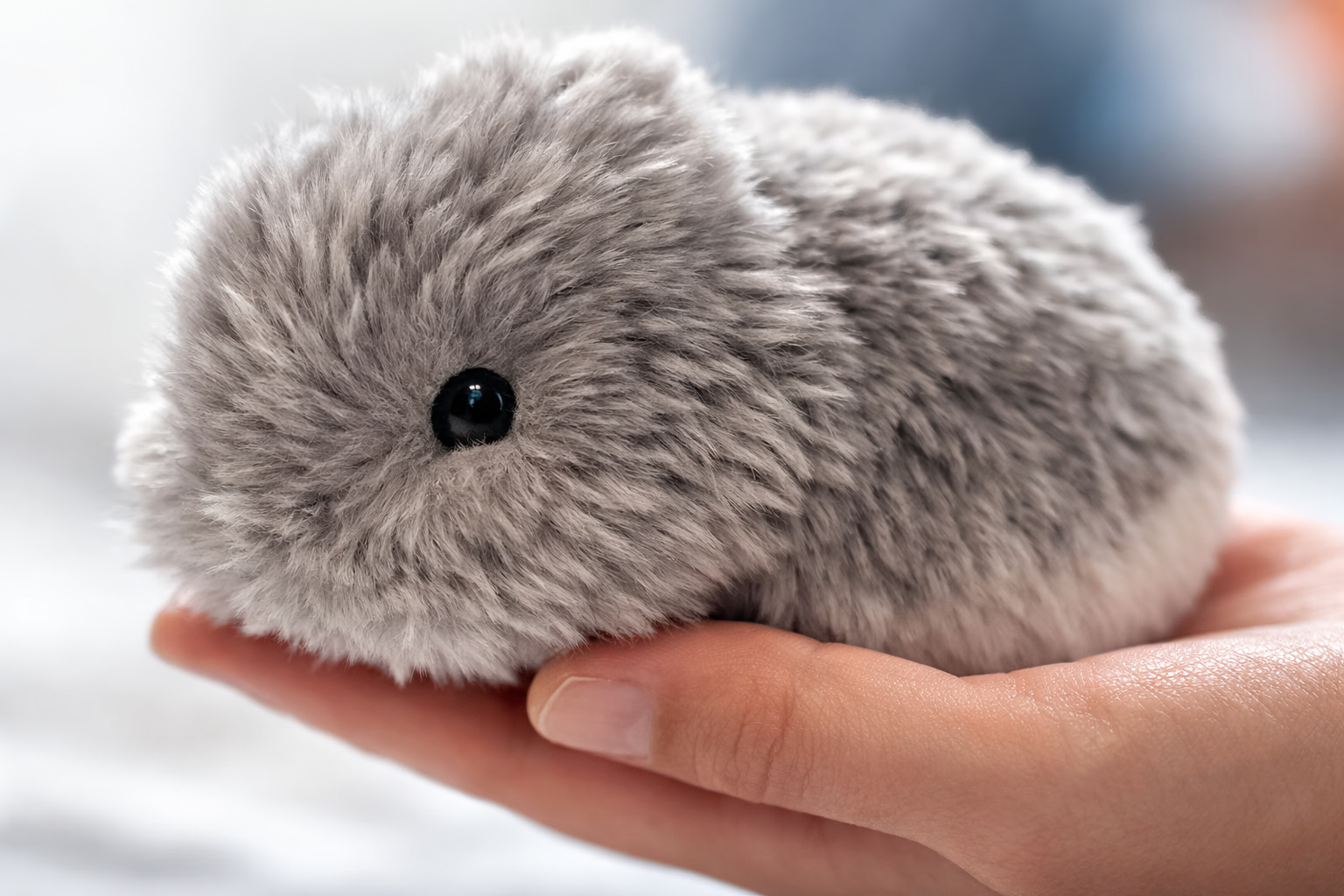
Casio Unveils Moflin, Robotic Pet With Artificial Intelligence Designed To Provide Emotional Comfort And Simulate A Permanent Affectionate Bond
-
Google Maps Revolutionizes GPS Navigation With Gemini Artificial Intelligence, Ask Maps Feature, and Advanced 3D Visualization for Route and Travel Planning


Controversial Statements
This is not the first time Elon Musk has drawn attention for bold predictions.
He has already stated that humanity will colonize Mars by 2029.
Now, with the new message, the billionaire mixes warning and promise. Apparently, he sees a contradiction: AI would destroy an essential part of the human brain and still stimulate the formation of new families.
However, the statement does not explain how this equation would work.
Language chatbots, such as Grok, developed by Musk’s xAI, have been gaining ground as companionship in times of loneliness and crises. However, this dependence does not suggest scenarios that naturally lead to more children.
Chatbots and Society
The popularization of chatbots shows another side of the issue. Adults and young people have formed emotional and even romantic relationships with artificial intelligences.
This behavior reflects the social isolation experienced by many people. Instead of uniting couples, the trend may further increase human distancing.
Furthermore, Grok itself does not clarify whether it was programmed to stimulate birth rates or merely reinforce individual bonds.
The practical result may be opposite to what Musk suggests, creating additional barriers for traditional relationships.
Economic Issue
The debate about birth rates goes beyond the technology realm. Economists pointed out in the 19th century that the growth of wealth leads to a decline in fertility rates.
In wealthier societies, having children becomes expensive because capitalist logic values profits over the distribution of basic goods and services, such as food and childcare.
Therefore, when the costs of raising children rise, the natural tendency is for families to have fewer kids. This paradox shows how economic prosperity does not go hand in hand with population growth.
Thus, Musk faces a dilemma: it is not possible to have both Grok as an emotional refuge and a substantial increase in birth rates.
Musk’s Behavior
The statements also draw attention to Musk’s own behavior. The businessman has become increasingly involved in controversies.
Since his closeness to American politics and the elections of Donald Trump, his posts on social media have become more erratic.
A recent example is the public interaction with a digital avatar named Ani, an adult-themed chatbot. Musk has even declared himself enchanted by the character, reinforcing the oddness surrounding his speech. Amid ironic and even confusing messages, he maintains a provocative tone.
It is unclear whether Musk’s idea will have any real impact on birth rates.
What seems evident is that the relationship between artificial intelligence, human emotions, and population growth is more complex than his quick phrases suggest.
So far, the only limbic system really at risk appears to be his own.







-

-

4 pessoas reagiram a isso.