





 Portuguese
  English
  Spanish
  6 min of reading
  0 comments


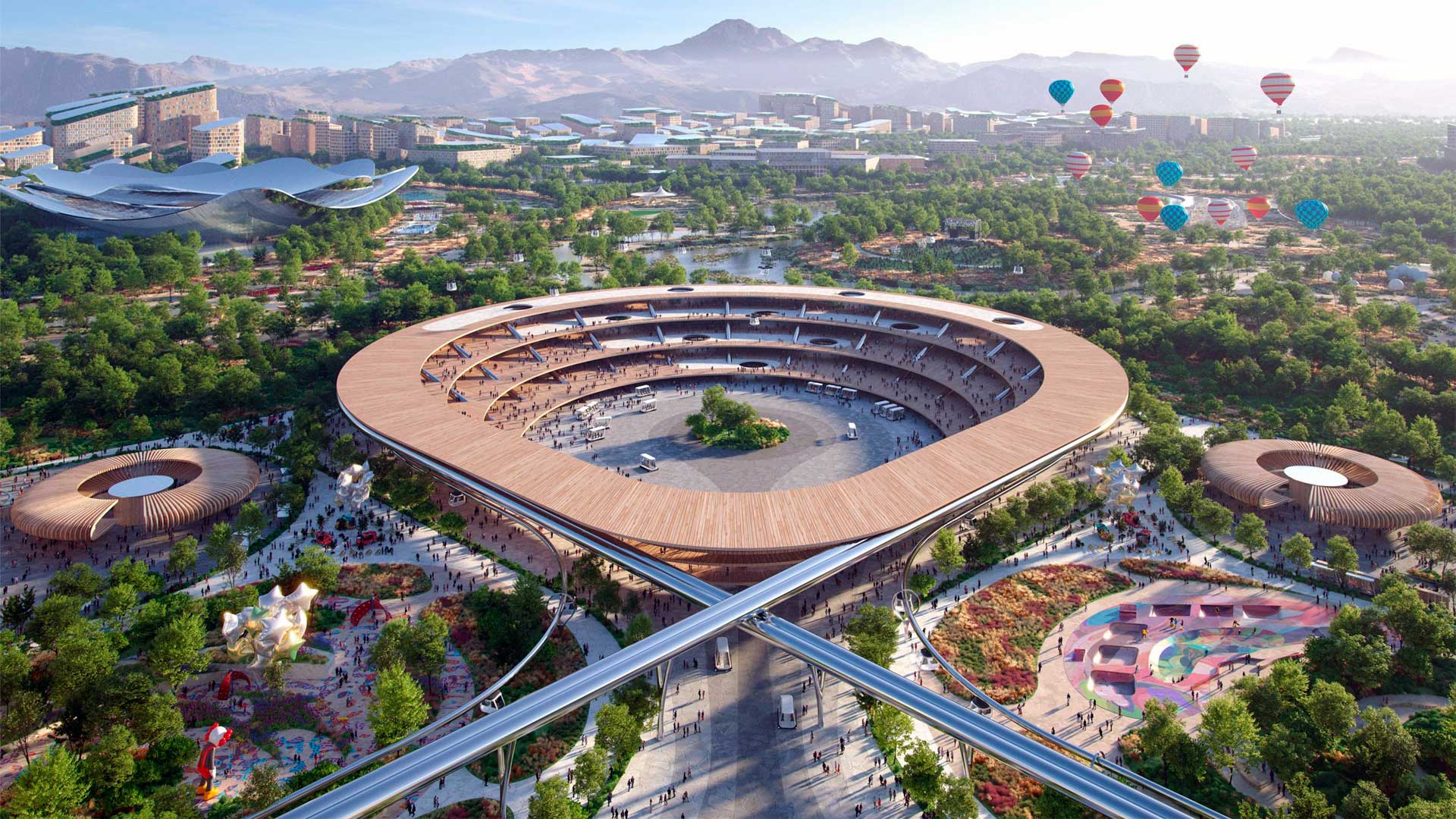
Telosa Is The Proposal For A Sustainable City For Up To 5 Million People, Still Without Defined Land And With An Estimated Cost Above US$ 400 Billion. The Plan Resurfaces With New Images And Raises Doubts About Viability, Water, And Governance.
Telosa has returned to the radar as one of the most ambitious proposals for sustainable urban planning yet revealed by a private project in the United States. Conceived by billionaire Marc Lore, the city was introduced as a model built from scratch that would combine environmental sustainability, robust public services, and a human-centered urban design.
The promise is great, and the number is too. The estimated cost to bring the idea to fruition reaches US$ 400 billion, with the aim of achieving 5 million inhabitants over decades, in a territory that would be chosen in a desert region or in areas of cheaper land.
Despite the rhetoric of climate urgency, the project itself still depends on the most basic step: defining where Telosa would be built and who would put enough money on the table. In architectural publications that revisited the topic in 2025, Telosa appears explicitly as a conceptual plan, with detailed renderings but no announcement of construction started.
-
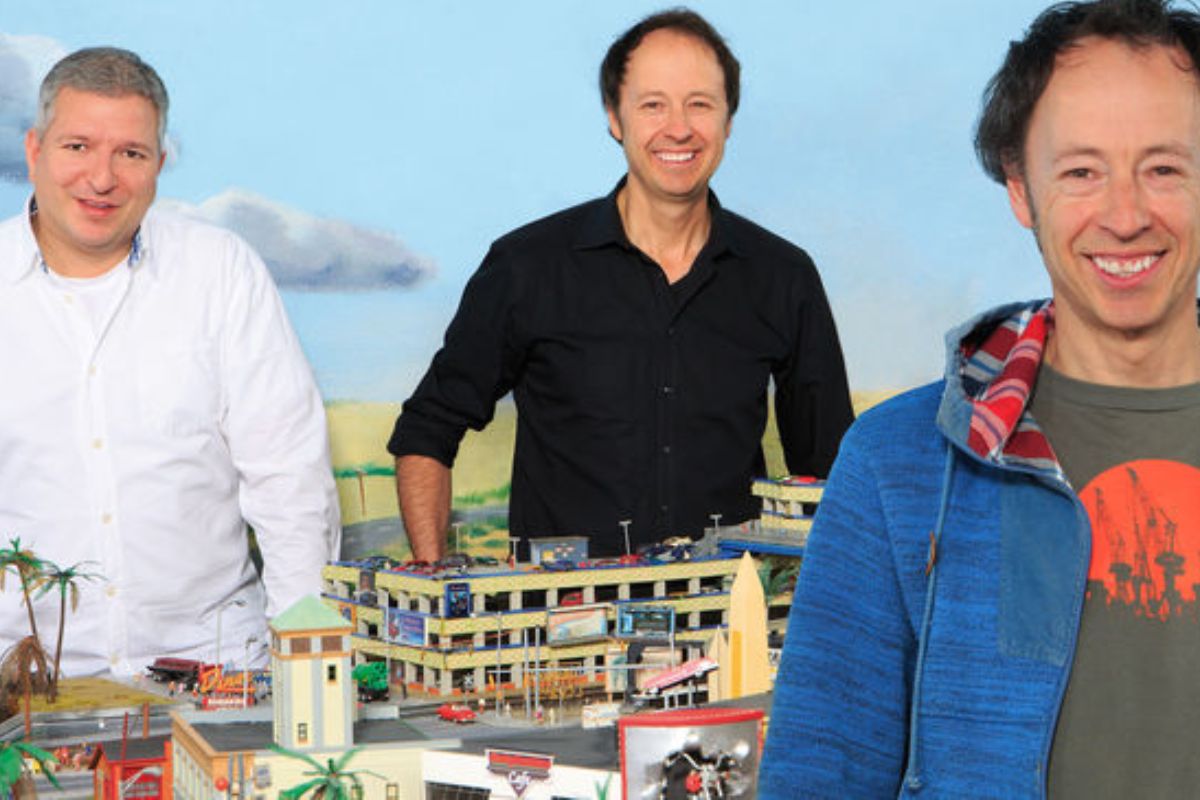
Three partners left the nightclub, convinced the bank, and decided to build the largest model railway in the world; Miniatur Wunderland became a success in Hamburg, with 12 sections and expansion planned until 2028.
-
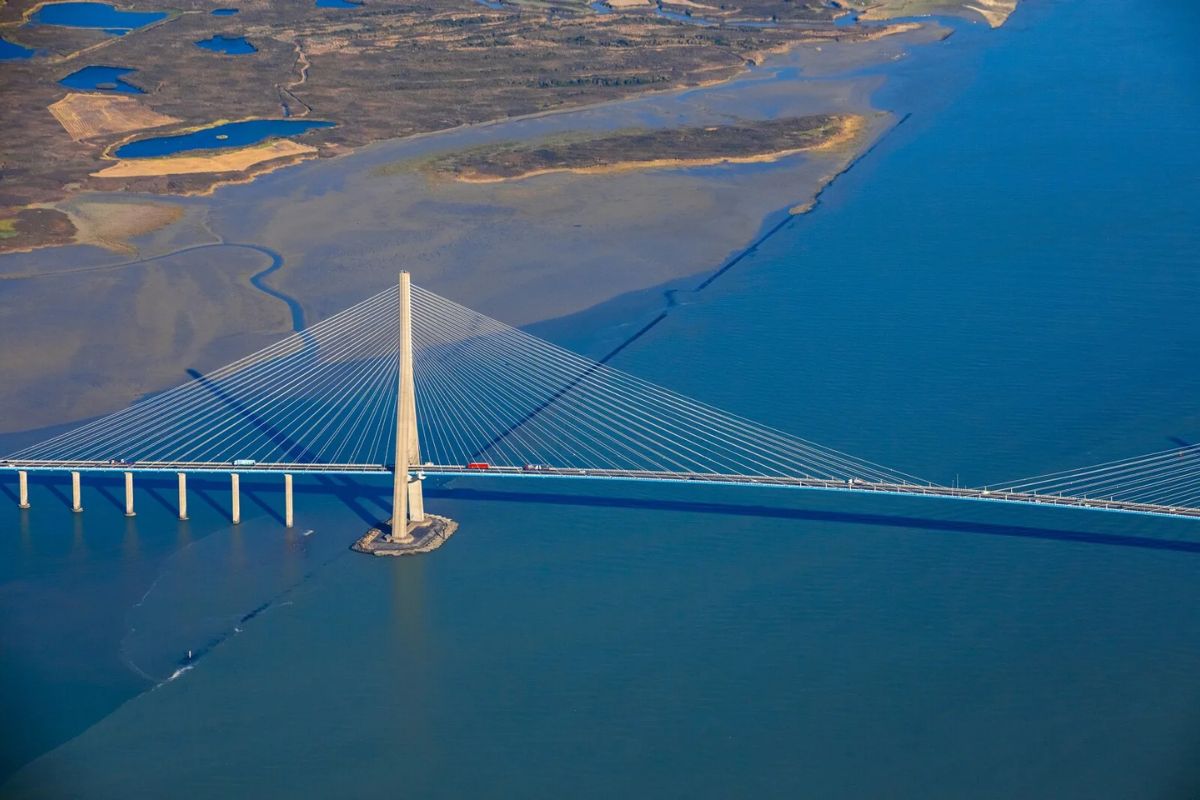
With a central span of 856 meters and pillars 214 meters high, the Pont de Normandie was the first cable-stayed bridge in the world to surpass the 800-meter mark and proved that direct steel cables could compete with suspension bridges over distances that no one thought possible.
-
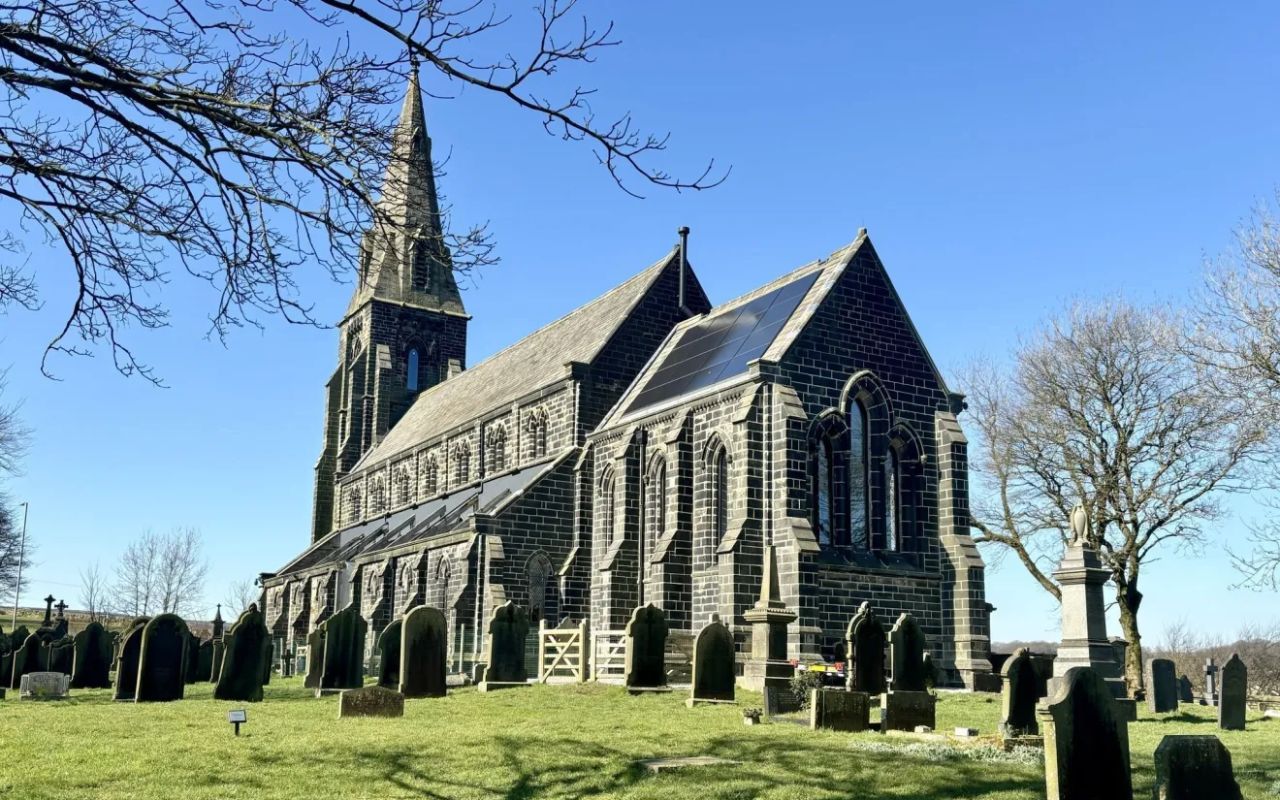
Couple invests around R$ 3.2 million to transform abandoned church from 1846 into a luxury mansion surrounded by over 300 tombs — property is now valued at R$ 11.6 million.
-
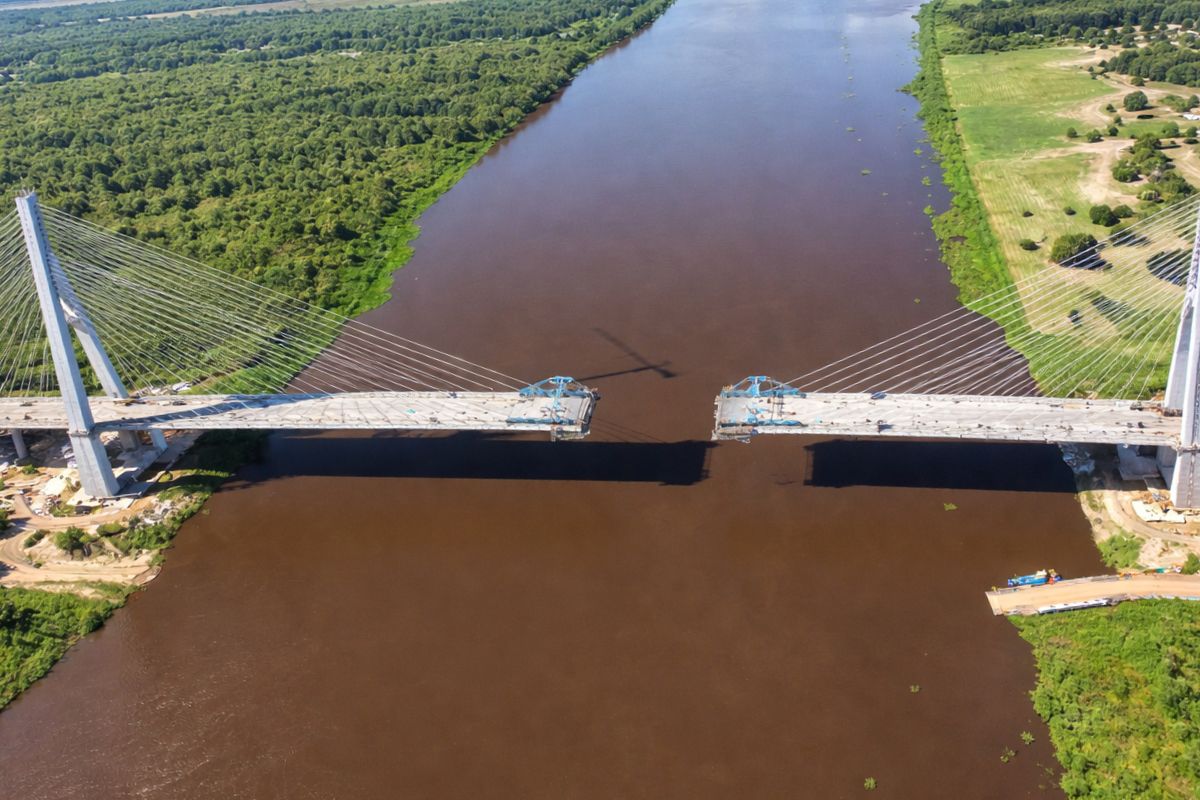
Only 37 meters remain for Brazil and Paraguay to “close” the bioceanic bridge on the Bioceanic Route: the project worth R$ 575 million is at 89% completion, uses 14,000 tons of steel, and aims to finish the connection by the end of April.
The discussion has gained traction because Telosa arises in the context of megaprojects that promise to “reinvent the city.” And here comes the controversy: does it make more sense to create a green megacity from scratch, or would it be more efficient to invest this effort in cities that already exist and concentrate on real problems?
What Is Telosa And Why Did The Proposal Make The News
Telosa was announced in 2021 as a “city of the future” project envisioned by Marc Lore, known for his background in e-commerce and having held significant executive positions in retail. At the time, media outlets in the US reported that he would leave corporate roles to focus, among other fronts, on the idea of building a city.
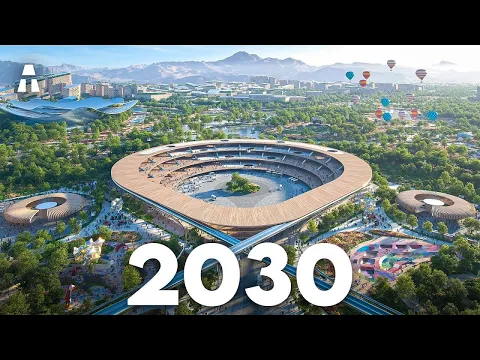

The master plan was developed with the Bjarke Ingels Group, BIG, which describes Telosa as a city vision capable of establishing a global standard for urban living. The proposal includes a total area of about 150,000 acres, with growth in phases over decades.
A central point of the narrative is that Telosa would not be “just another city,” but rather a prototype of sustainable urbanism. The promise involves renewable energy, eco-friendly architecture, low-emission mobility, and a design based on the concept of a 15-minute city, where work, school, and services are close to residences.
Where Telosa Could Be Built And Why It Matters For The Project
Since the announcement, the location has been an open question. Reports and analyses from the period mentioned western American states and the Appalachian region as possibilities, precisely because they offer extensive and relatively inexpensive areas for a plan of this size.
The uncertainty about the land is not a mere bureaucratic detail; it alters the entire viability calculation. In a proposal for the desert, the inevitable question is how to ensure water, infrastructure, and thermal comfort without increasing the environmental footprint, as large-scale construction often requires a huge volume of materials, energy, and logistics.
Additionally, choosing an area means entering negotiations with state governments, local communities, environmental agencies, and, depending on the case, adhering to specific land-use regulations. This is one of the reasons critics often classify planned megacities as projects that may remain in “presentation mode” for years.
What The City Would Look Like Inside According To The Renderings And Master Plan
At the heart of the urban design, BIG highlights the Equitism Tower, a wooden skyscraper conceived as a symbolic and functional landmark. The tower is presented with elements such as elevated water storage, cultivation areas with aeroponic agriculture, and a roof generating solar energy.
The design also prioritizes public spaces and integrated green areas, with parks and native vegetation distributed throughout the urban fabric. The logic is that open space should not be considered “leftover,” but part of the system of environmental comfort, mobility, and coexistence.
For mobility, the plan emphasizes that fossil fuel vehicles would be prohibited within urban limits. Instead, movement would be based on walking, bicycles, scooters, and autonomous electric vehicles, with public transport options designed to reduce emissions and dependence on cars.
The master plan also relies on a concept of climate resilience, with measures aimed at reducing heat islands and increasing soil permeability. In practice, the proposal attempts to address the most obvious critique of a city in the desert: how to be “green” in an environment that is naturally hostile to large urban densities.
How Much It Would Cost And Why Financing Is The Biggest Bottleneck
The numbers released since 2021 place Telosa in a rare category. The first phase, designed to accommodate around 50,000 residents in approximately 1,500 acres, was estimated at US$ 25 billion, with a target date for residents arriving around 2030.
The full plan would exceed US$ 400 billion over decades, with a trajectory aimed at reaching millions of inhabitants by mid-century. This type of timeline is important because it spreads some of the investment over time, but also increases the risk, as it depends on political, economic, and regulatory stability for many years.
Regarding funding sources, reports and analyses cite a mix of private investors, philanthropy, incentives, and federal and state public funds, as well as economic development subsidies. The problem is that, so far, there is no public indication of a consolidated financial structure compatible with the scope of the plan.
In practice, Telosa needs to resolve a dilemma common to urban megaprojects: renderings attract attention, but contracts, permits, infrastructure, and financing are often the funnel that separates the “concept” from the “construction site.”
Why Telosa Divides Opinions And What Could Decide The Future Of The Plan
The most recurrent criticism is that creating a city from scratch may be less sustainable than retrofitting and decarbonizing existing cities. The argument is that monumental-scale construction has a significant environmental impact, and that urgent urban problems are already concentrated where people currently live.
There is also the political debate. Telosa promises transparent governance and citizen participation, but critics question how that would work when the initial impetus, vision, and part of the coordinating power come from a private group with enormous financial capacity and influence.
Comparisons with other projects help to understand the scenario. Toyota, for instance, has moved forward with Woven City in Japan on a much smaller scale, with an initial phase completed and official timelines for occupancy and technology testing released, showing that “laboratory cities” can materialize when scope and financing are more controlled.
In the case of Telosa, the outcome is likely to depend on three very objective factors: announcement of the land, local political agreement, and a verifiable financing plan. Without this, the city may continue to exist mainly as a symbol, an idea, and a narrative dispute about what, in fact, constitutes a sustainable city.
Is Telosa a transformative vision or green marketing with a billionaire utopia facade? Do you think such projects accelerate solutions or distract from real cities? Leave a comment with your opinion and tell us what convinces or bothers you the most about this proposal.




-

-

-

-

-

-

24 pessoas reagiram a isso.