





 Portuguese
  English
  Spanish
  4 min of reading
  0 comments


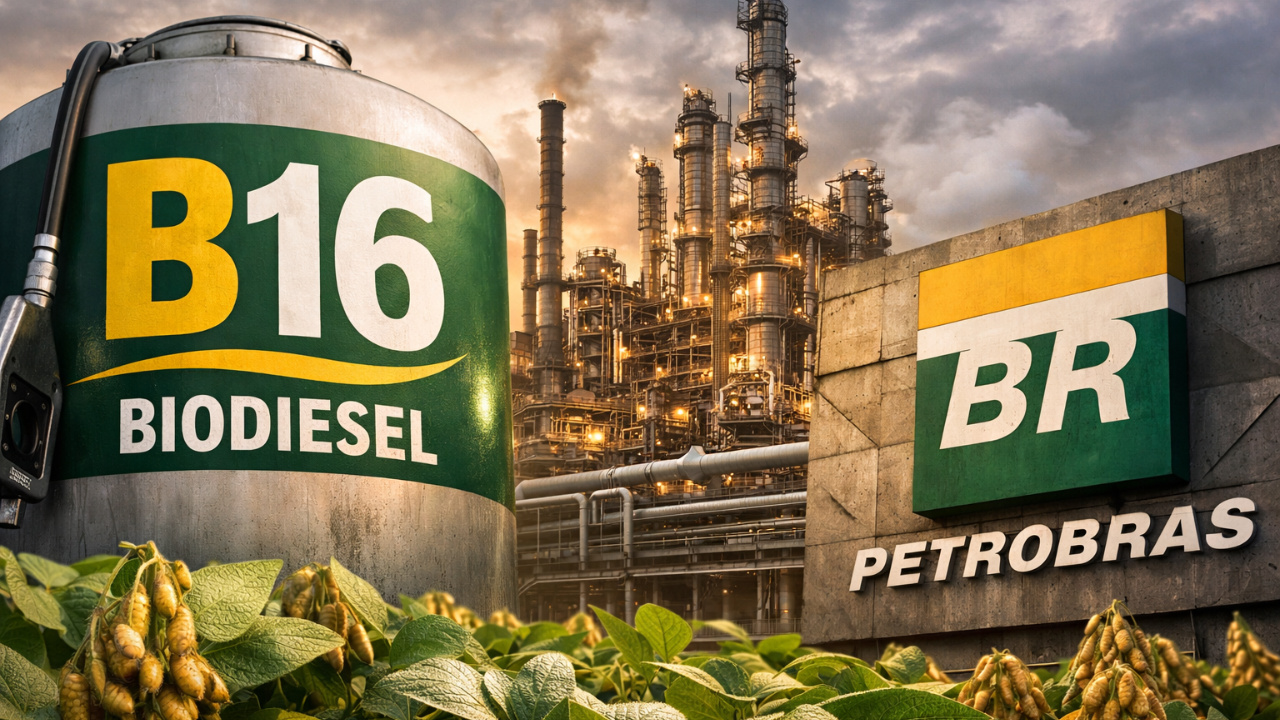
Biodiesel Pressures Government for Blend B16; Front Points to Petrobras’ Influence on Energy Policy and Renewable Diesel.
The increase of the mandatory biodiesel blend to diesel has returned to the center of national debate following political pressure on the federal government.
The chairman of the Parliamentary Front for Biodiesel, Congressman Alceu Moreira (MDB-RS), stated this Thursday (12) in São Paulo that there are internal obstacles to adopting Blend B16 as of March, as the legislation provides.
According to him, members of the government are acting to protect Petrobras’ commercial interests. The topic gained momentum during a sector event and reignited discussions about energy policy, legal security, and the expansion of renewable diesel in Brazil.
-
Brazil accelerates hydrogen and biofuel projects to consolidate the fuel of the future and reduce dependence on oil by 2026.
-
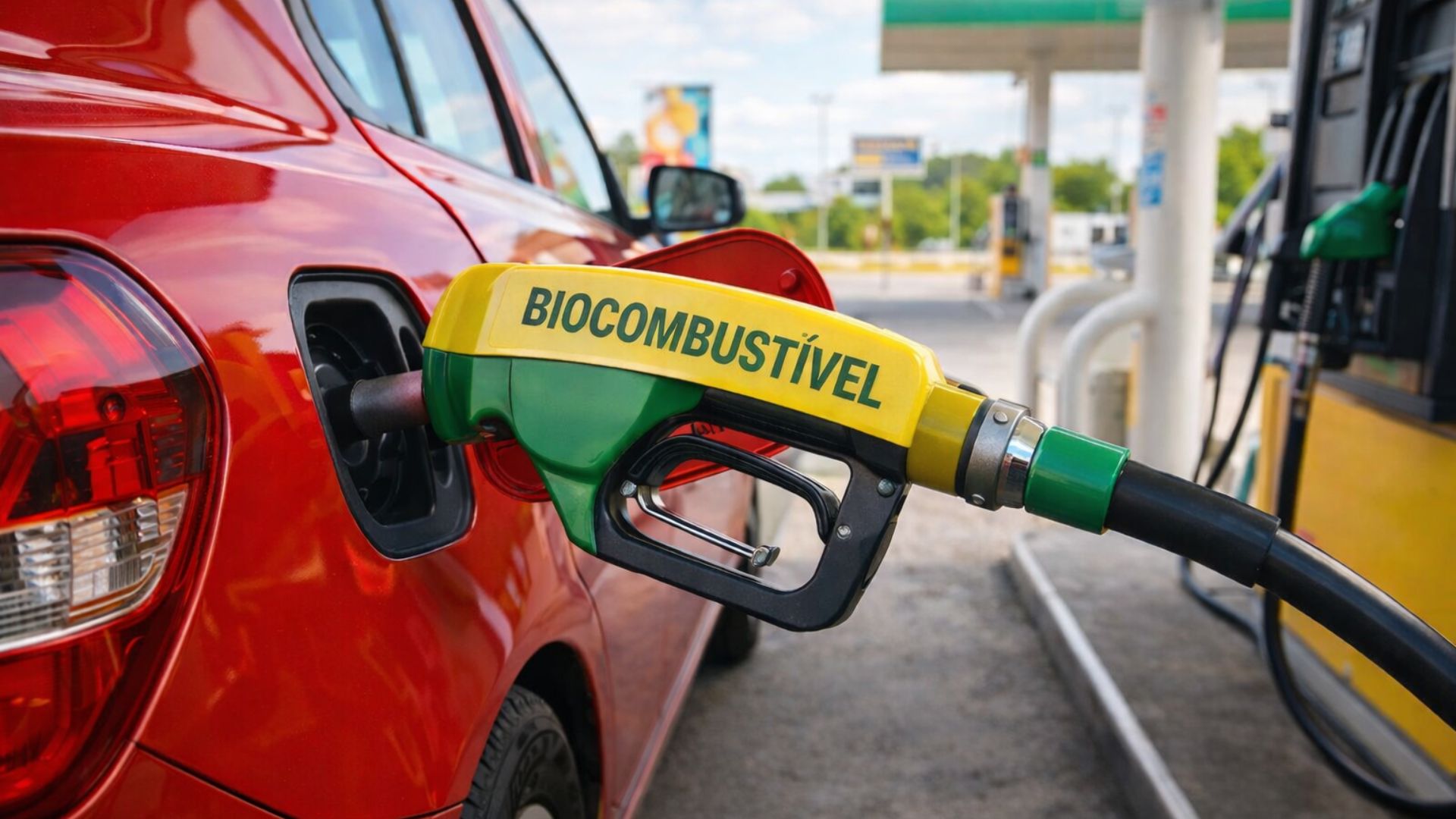
CNPE strengthens policy and prevents imported biodiesel from being mixed with diesel, aiming to strengthen the Brazilian industry and protect jobs by reducing external dependence amid tensions in the global market.
-
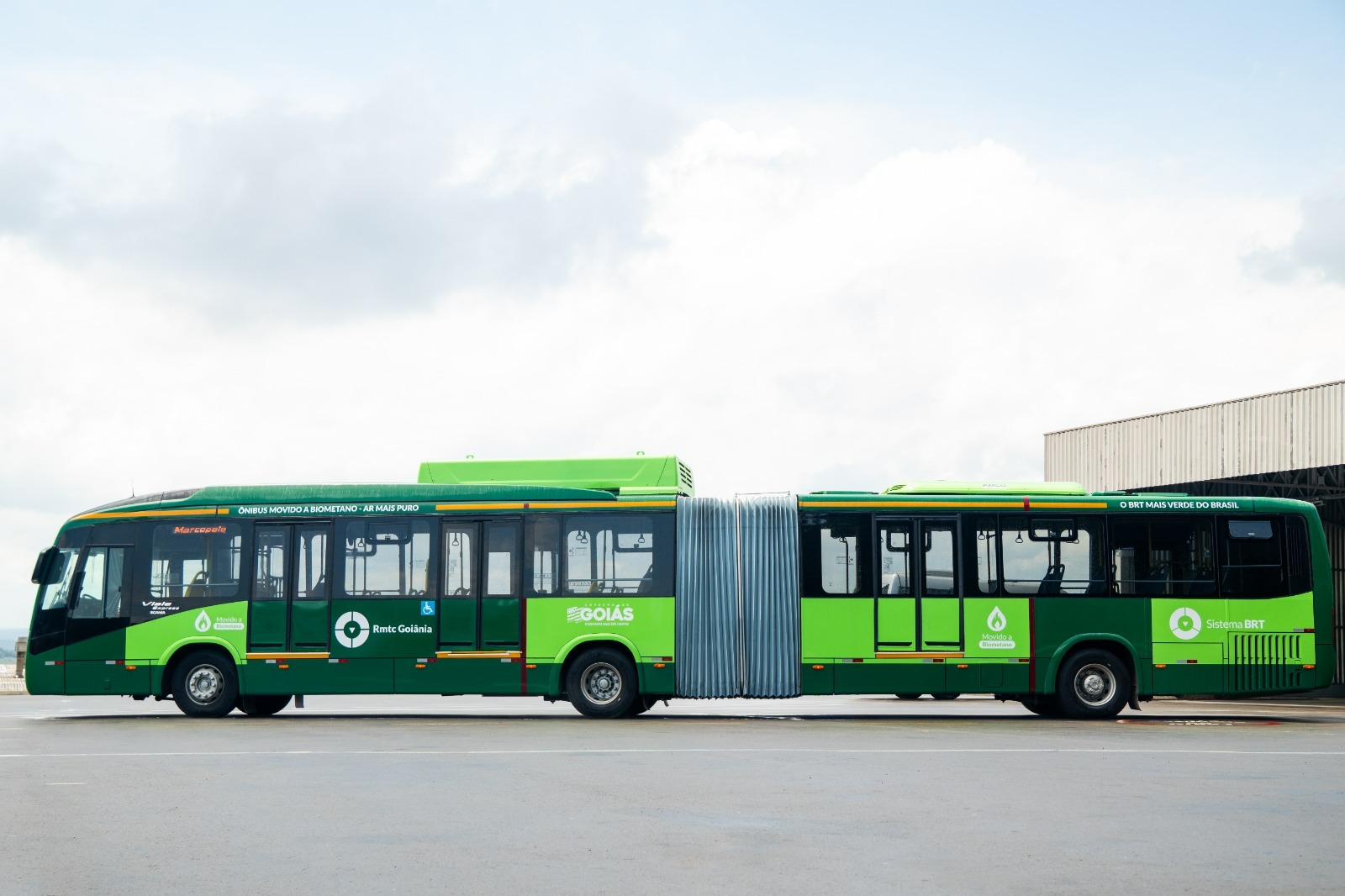
Revolution in public transport: Goiânia puts into circulation the first articulated buses powered by biomethane in Brazil and promises to drastically reduce pollution on the Anhanguera Corridor.
-
From the field to the pipelines: Mato Grosso do Sul accelerates the energy transition and consolidates a new axis in renewable energy with the arrival of a giant biogas plant.

According to the legal schedule, the percentage of biodiesel should rise from 15% to 16% — an advance known as Blend B16.
However, the decision has not yet been formalized, causing concern in the production chain.
Government Claims Need for Studies to Increase Biodiesel
While the sector pushes for immediate implementation, the Ministry of Mines and Energy has already signaled caution.
A representative from the ministry previously stated that new technical studies would be needed before the change.
The justification, however, is contested by the Parliamentary Front. For Moreira, there is no technical risk preventing the expansion of the blend.
“Blend B16 can perfectly come into effect as per the law in March, with no risk. There is nothing that happens in a vehicle using B15 that will happen differently in one using B16,” he told Reuters.
Thus, the issue involves not only technical aspects but also guidelines of energy policy and market interests.
Petrobras’ Interests Come to the Forefront of Discussion
One of the most sensitive points raised by the Biodiesel Front involves Petrobras’ role in the debate.
According to Moreira, there would be resistance within the Civil House to approve Blend B16.
In his view, the reason would be economic: with more biodiesel in the composition, the state-owned company would sell less fossil diesel.
Additionally, the congressman mentioned the advancement of so-called coprocessed diesel — fuel produced with a small renewable fraction in refineries — which is not included in the mandatory blend.
“There are people in the Civil House who interfere in the process by making misguided suggestions because they have a business relationship with Petrobras.”
When approached, the Civil House and Petrobras did not comment on the statements.
The Ministry of Mines and Energy also did not detail the status of the decision.
Decision Depends on CNPE
The sector is now waiting for the topic to be addressed in the National Council for Energy Policy (CNPE).
The collegiate is responsible for defining strategic guidelines for the fuel sector.
According to Moreira, institutional dialogue remains active.
“Dialogue with the government is ongoing because this is a state issue, not a left or right issue; that’s why we created the Future Fuel Law, to provide legal certainty.”
Therefore, the implementation of Blend B16 depends on a political decision aligned with the national energy strategy.
Soybean Crop Strengthens Argument for Biodiesel
Another point highlighted by the Parliamentary Front concerns the supply of raw materials.
Brazil is experiencing a record soybean harvest, the main input for biodiesel.
In the congressman’s view, this eliminates fears of inflationary pressure on fuels.
The argument counters previous concerns from the government, which cited a possible price increase as a factor for delaying the measure.
Thus, the agricultural scenario reinforces the defense of renewable diesel as an economically viable alternative.
Economic and Energy Impacts of Blend B16
The expansion of the blend would also have significant structural effects.
According to the congressman, Brazil currently imports about 30% of the diesel it consumes.
With a greater share of biodiesel, this external dependence could decrease.
Additionally, there would be a direct stimulus to the national industry.
Today, the sector operates with approximately 50% idle capacity.
In other words, there is existing infrastructure ready to produce more without the need for immediate new investments.
Therefore, Blend B16 is seen as a tool for energy policy, industrial development, and transition to cleaner fuels.
Biodiesel Gains Strategic Weight in Energy Transition
The debate goes beyond the blend itself. It reflects the role of biodiesel in the Brazilian energy matrix.
As a renewable fuel, the product reduces emissions and strengthens agricultural chains.
At the same time, it expands energy diversification and reduces external vulnerabilities.
In this context, the definition about Blend B16 becomes crucial for the pace of the national energy transition — balancing the interests of Petrobras, agribusiness, and the biofuels industry.
Find out more at: Biodiesel Front Pressures Government on Blend Increase and Points Out Petrobras’ Interests









Seja o primeiro a reagir!