





 Portuguese
  English
  Spanish
  3 min of reading


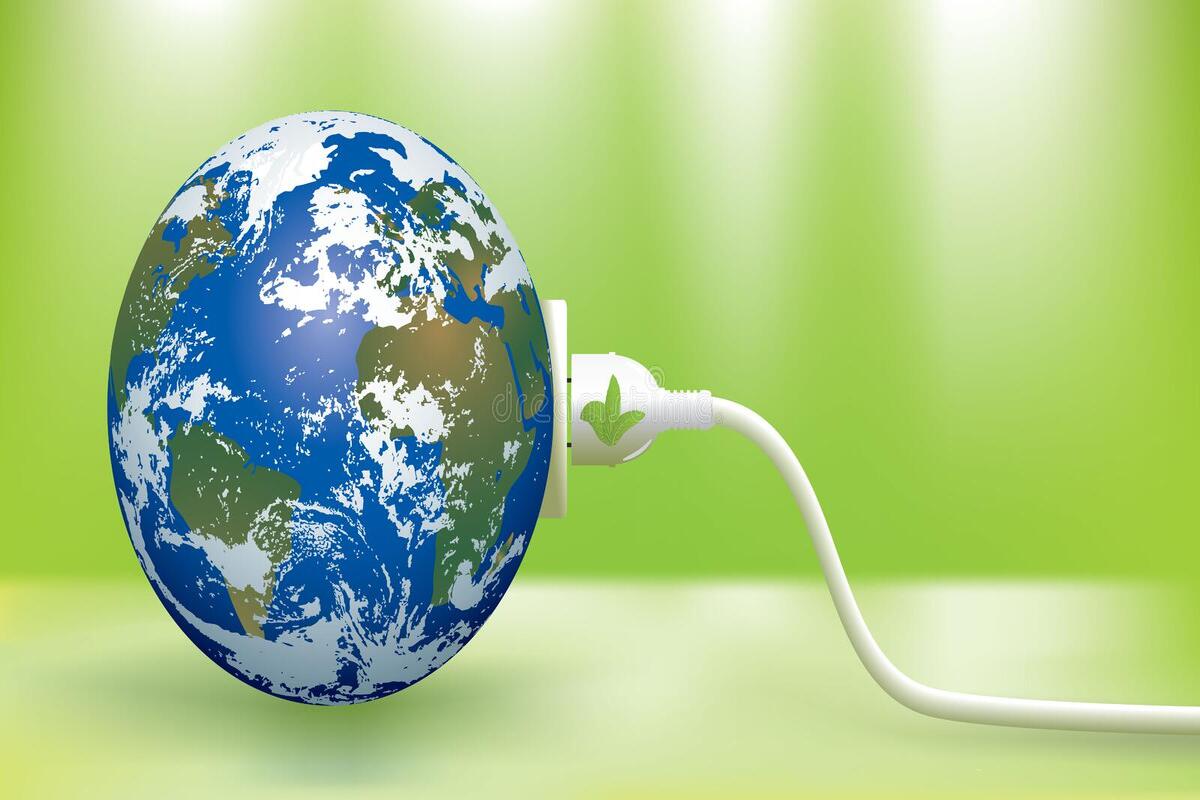
According to reports released by Unica – Brazilian Sugarcane Industry Association, the production of bioelectricity for the national power grid reached 25.5 thousand GWh in 2022, representing 4.3% of the total energy generation.
All information about the report “Bioelectricity in Numbers” – with 2022 as the base year – is now available at the Sugarcane and Bioenergy Observatory and shows how this type of energy has been growing in the country.
Learn More About Bioelectricity
Excluding the bioelectricity produced for industrial self-consumption, the 2022 energy matrix is composed of various biomass sources, including sugarcane by-products, biogas, black liquor, wood waste, among others. This biomass generation secured third place in the ranking, with a growth of 0.5% compared to 2021. Impressively, it surpassed gas thermal plants, whose production provided 22,826 GWh to the grid in 2022.
According to Unica’s bioelectricity superintendent, Zilmar Souza, the 25,500 GWh supplied by bioelectricity to the grid in 2022 represent 26% of the energy generation of the Itaipu plant or 48% of the electricity generation of the Belo Monte Complex in 2022.
-
Renewable energy advances over protected areas in Brazil, and a survey by the Energy Transition Observatory reveals silent impacts that challenge environmental conservation and pressure sensitive traditional territories.

-
Rio Grande do Sul accelerates energy transition: State invests in renewable technologies and consolidates decarbonization strategies and pathways to attract billions in new industrial investments.

-
With 160,000 m² of collectors, an area larger than 20 football fields, Silkeborg, in Denmark, hosts a solar thermal plant that heats 19,500 homes and could become the largest solar heating plant in the world.

-
A study reveals the expansion of renewable energy procurement in Brazil and shows how companies are taking advantage of opportunities to reduce expenses, ensure energy efficiency, and strengthen strategic environmental commitments.


“It is essential to witness that biomass sources generate energy for the grid in a non-intermittent manner, especially after the sugarcane harvest in the central-south region of the country. Thus, it coincides with the months of May/November, a period when the electric sector in Brazil is at the peak of drought and facing critical moments,” commented Souza. In 2022, 82% of the electricity generated from biomass in the grid is supplied precisely between May and November.
Segment Will Account for Over 70% of Supply by 2022
Last year, the sugar-energy sector supplied 18,400 GWh of electricity to the grid. Despite an 8.9% decrease in electricity generation compared to 2021, sugarcane bioelectricity provided 72% of total production, followed by black liquor with 20% and biogas with 4%.
The 18,400 GWh is equivalent to 26% of the electricity generated by the Itaipu Plant, 50% of the electricity generation of the Belo Monte Complex, or 81% of all gas thermal generation in 2022, according to research data. CO2 emissions are estimated at around 4 million tons, a level that can only be achieved by planting 27 million native trees over 20 years,” concludes Souza.
In the last 15 years (2008-2022), the gathered bioelectricity from sugar energy connected to the grid was 238,105 GWh. This generation is enough energy to power the world for 4 days; 31 days for the European Union; 16 days for China; 22 days for the United States; 281 days for the United Kingdom; over four years for Portugal; two years for Argentina and nearly six months for Brazil or one year in the Southeast.
Therefore, this is a market that still needs a lot of incentive, but with great growth potential, both here in Brazil and in other countries around the world, where the use of sustainable energies is increasingly being integrated into people’s daily lives, contributing positively to the environment.
How Is It Produced and Generates Bioelectricity and Biogas?







Seja o primeiro a reagir!