





 Portuguese
  English
  Spanish
  4 min of reading
  0 comments


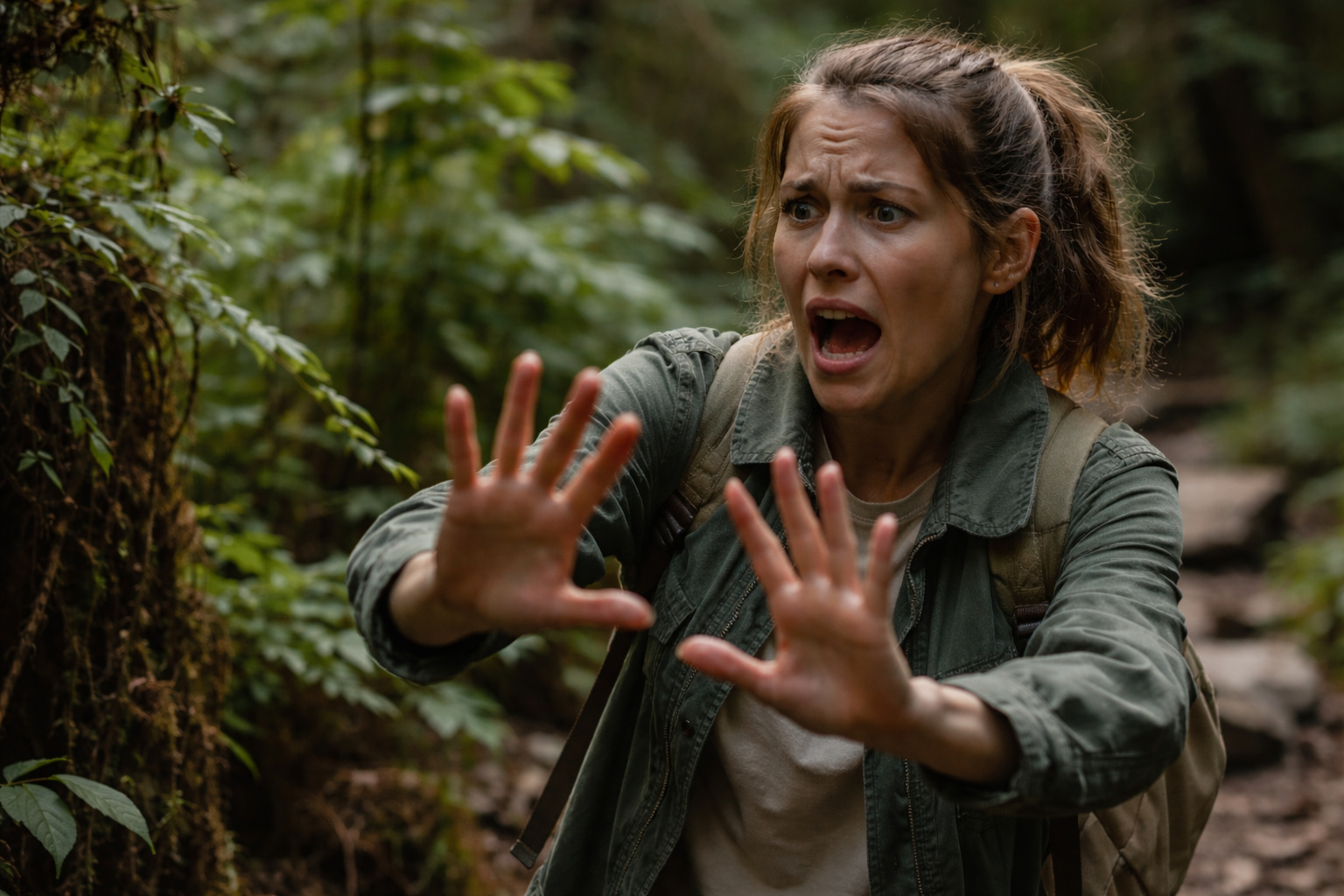
Dislike for the Natural World Grows, Gains Scientific Attention, and Exposes How Experiences, Urban Context, and Cultural Factors Shape People’s Relationship with Nature
A psychological and behavioral phenomenon has been garnering increasing attention from researchers in recent decades.
Biofobia, characterized by aversion, fear, or repulsion to contact with nature, began to be analyzed more systematically from the 2000s, although its conceptual foundations are older.
This behavior ranges from discomfort in the presence of plants and insects to intense rejection of entire natural environments.
Thus, the topic has ceased to be merely a behavioral curiosity and has become part of debates on mental health, urbanization, and environmental conservation.
Origin of the Concept and Scientific Consolidation of the Term
The term biofobia arises as a direct counterpoint to biophilia, a concept popularized in the 1980s by biologist Edward O. Wilson.
While biophilia describes the innate human tendency to connect positively with nature, biofobia represents the opposite movement.
With the advancement of research, especially between 2000 and 2020, studies began mapping negative emotional reactions to animals, plants, and natural landscapes.
By 2024, academic reviews had already accounted for nearly two hundred studies dedicated to the topic, demonstrating a consistent growth in scientific interest.
Factors Explaining the Development of Biofobia
Biofobia does not arise from a single cause.
Research indicates that environmental, social, and individual factors act in combination.
First, the intense urbanization, observed especially from the second half of the 20th century, reduced daily contact with natural environments.
As a consequence, many people grew up without direct experiences with forests, rivers, or wildlife.
Additionally, the media often associates nature with danger, highlighting animal attacks or environmental risks.
This type of narrative reinforces negative perceptions and amplifies fear.
-
Spain surprises the world by erecting 62 artificial dunes, mixing sand with natural remains of posidonia, and causing the structure to lose only 1.4% of its volume in 1 year.

-
With 16 Bulava missiles, improvements in acoustic stealth, and a design focused on silent patrols, Russia’s nuclear submarine was born to ensure Moscow’s invisible retaliation and has become one of the pillars of its maritime strength.

-
‘Populous’ city in Rio among the worst in Brazil in national ranking and exposes silent development crisis.
-
Couple buys house in the South Zone of São Paulo, opens a hidden door in the garage, and finds a secret wine cellar with dozens of old wines forgotten since the 1970s.


Individual Aspects Also Influence Aversion
In addition to the social context, personal characteristics play a relevant role.
A lack of knowledge about natural species tends to generate insecurity and rejection.
Similarly, negative experiences in childhood, such as bites or scares, can reinforce lasting emotional responses.
Researchers also point out that individuals with greater emotional sensitivity or health concerns demonstrate a higher propensity for biofobia.
Thus, the phenomenon builds over time through the repetition of negative stimuli and the absence of positive experiences.
Direct Impacts on Health and Well-Being
Biofobia produces effects that go beyond mere discomfort.
By avoiding natural environments, individuals miss out on the well-documented benefits of nature.
Studies solidified since the 1990s demonstrate that contact with green areas contributes to stress reduction, mood enhancement, and strengthening psychological well-being.
When this contact is avoided, these advantages cease to be incorporated into daily life.
Consequently, distancing can exacerbate anxiety and reinforce isolation behaviors.
Social and Environmental Reflections of Distancing from Nature
The impact of biofobia also reaches the collective field.
People with a strong aversion tend to support more aggressive measures against perceived threatening animals.
This behavior influences debates on environmental management and conservation.
Since the 2010s, researchers have observed that rejection of nature can reduce engagement in preservation policies.
Thus, the phenomenon has direct implications for how societies deal with ecosystems and biodiversity.
Paths Studied to Reduce Biofobia
In this context, specialists have begun to discuss coping strategies.
Gradual and controlled exposure to nature emerges as one of the most studied approaches.
Ongoing environmental education, based on information and familiarization, also appears as a central tool.
Since the 2000s, educational programs have shown that knowledge reduces fear.
Moreover, repeated positive experiences help to rebuild the emotional relationship with the natural environment.
Biofobia in a Context of Growing Urbanization
With the expansion of cities and the reduction of green areas, researchers warn of a potential worsening of the problem.
Less contact generates more estrangement.
More estrangement generates more rejection.
This cycle tends to reinforce itself over generations, according to studies published in the last decade.
Therefore, understanding biofobia has become essential for public policies, urban planning, and health promotion.
As you observe this silent advance of aversion to nature, do you believe that society should prioritize environmental education and reconnection with natural environments or accept that distancing will be a permanent characteristic of modern life?








Seja o primeiro a reagir!