





 English
  Francês
  Alemão
  Italiano
  Japonês
  Norueguês
  Portuguese
  Spanish
  2 min of reading


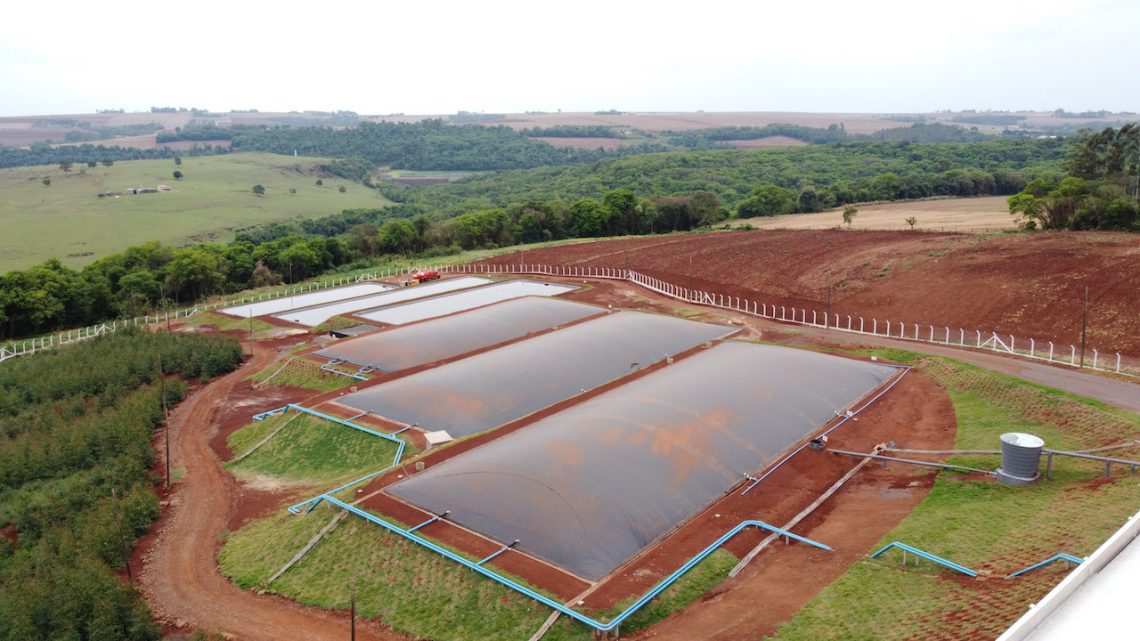
Biogas Plants Are An Alternative Energy Source And Do Not Generate As Many Socio-Environmental Impacts As Natural Gas
The use of biogas produced as a byproduct of landfills is an important link between sanitation projects and the energy sector. According to data from Siga – Energy Generation Information System, from ANEEL, there are currently 21 biogas energy generation projects from MSW – municipal solid waste, in eight states, representing 174 MW of authorized electrical energy.
See Other News of The Day:
- Multinational Automobile Manufacturer Honda Hires Candidates Without Experience at Its Factories for Trainee Positions
- 100,000 Scholarships; At The End of The Course, Students Can Secure A Job Position at Major Companies in Brazil
- Offshore Recruitment and Selection in Macaé to Work at Petrobras Platforms, Today (04)
- Oil Giant Halliburton Recruits for Job Positions in Macaé and Rio de Janeiro, Today February 4
Ways To Use Biogas As An Energy Source:
There are three ways to use biogas as an energy source: the first is through direct combustion, the second is gasification, and the third is through the reproduction of natural processes. In natural processes, the action of microorganisms in an anaerobic environment will cause organic matter to decompose and thus emit biogas.
Efficient And Sustainable Projects:
A landfill project can include a solution to use biogas to generate electricity. In this case, it is possible to foresee the electrical energy generated by the same landfill operator (provided that properly authorized by ANEEL) and the sale of biogas to another energy generator. Among these two options, the commercialization of the generated energy or biogas may bring greater financial sustainability to the final waste treatment project.
-
With 160,000 m² of collectors, an area larger than 20 football fields, Silkeborg, in Denmark, hosts a solar thermal plant that heats 19,500 homes and could become the largest solar heating plant in the world.

-
A study reveals the expansion of renewable energy procurement in Brazil and shows how companies are taking advantage of opportunities to reduce expenses, ensure energy efficiency, and strengthen strategic environmental commitments.

-
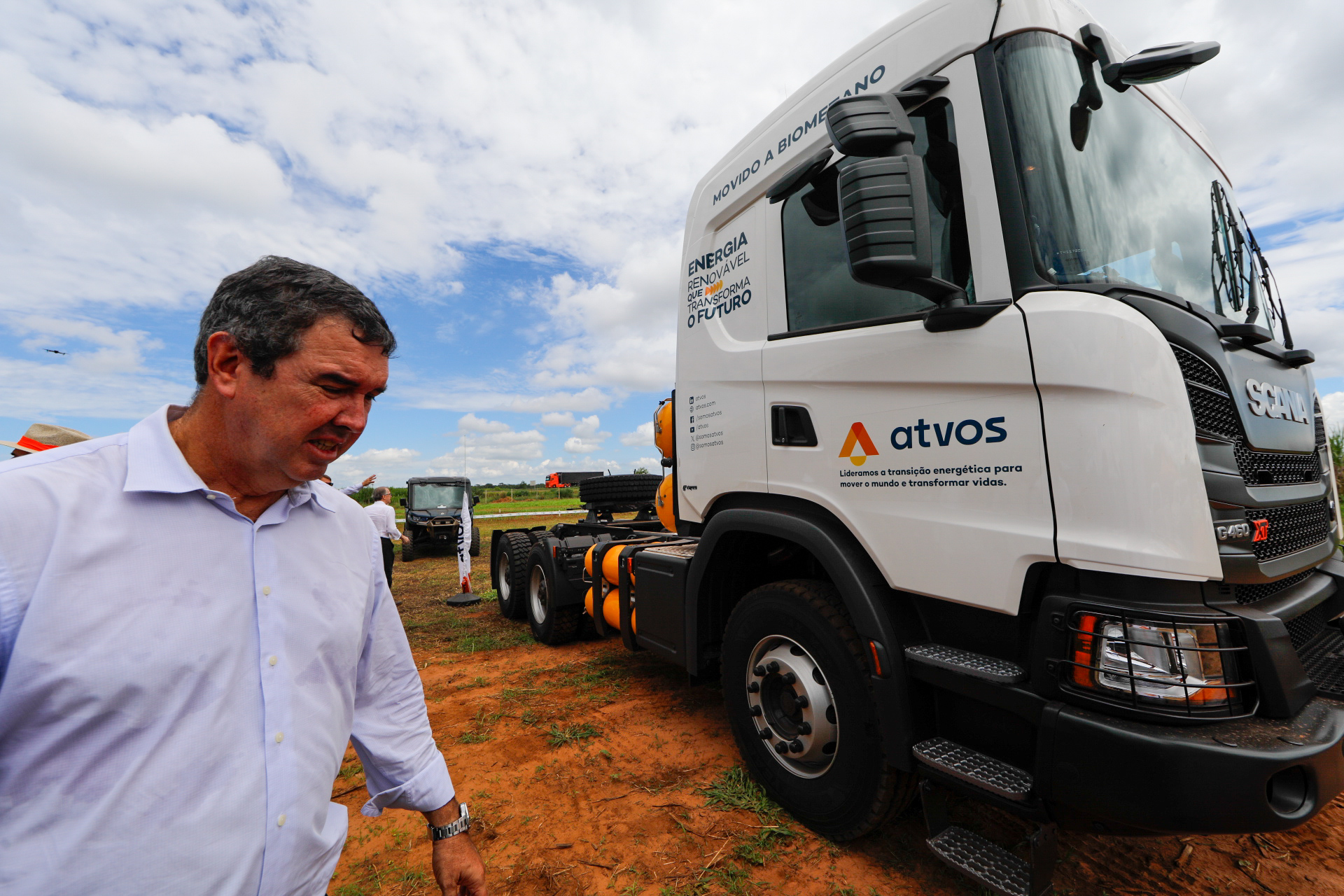
Mato Grosso do Sul excels in the sugar-energy sector: the state reaches a milestone of 22 operating mills and accelerates the production of clean energy in MS with a focus on sustainability.
-
National energy dilemma: Brazilians support clean energy but reject increases in tariff costs to finance the sustainable transition.

In the second possibility, biogas can be considered for energy production, mainly coming from landfills whose activities are about to be closed. One method is to transfer the maintenance rights of the landfill to a private agent, who has the right to use the generated biogas for direct generation or to sell it to a licensed agent who uses the material for generation.
Challenges Of Using Biogas:
The potential for energy generation with biogas in landfills faces obstacles such as operational difficulties, the cost of connecting the plants to the grid, and the costs associated with purchasing and maintaining equipment, mostly imported, and thus tied to the dollar, fluctuations in biogas generation, and unpredictability of energy prices.







Seja o primeiro a reagir!