





 Portuguese
  English
  Spanish
  3 min of reading
  47 comments


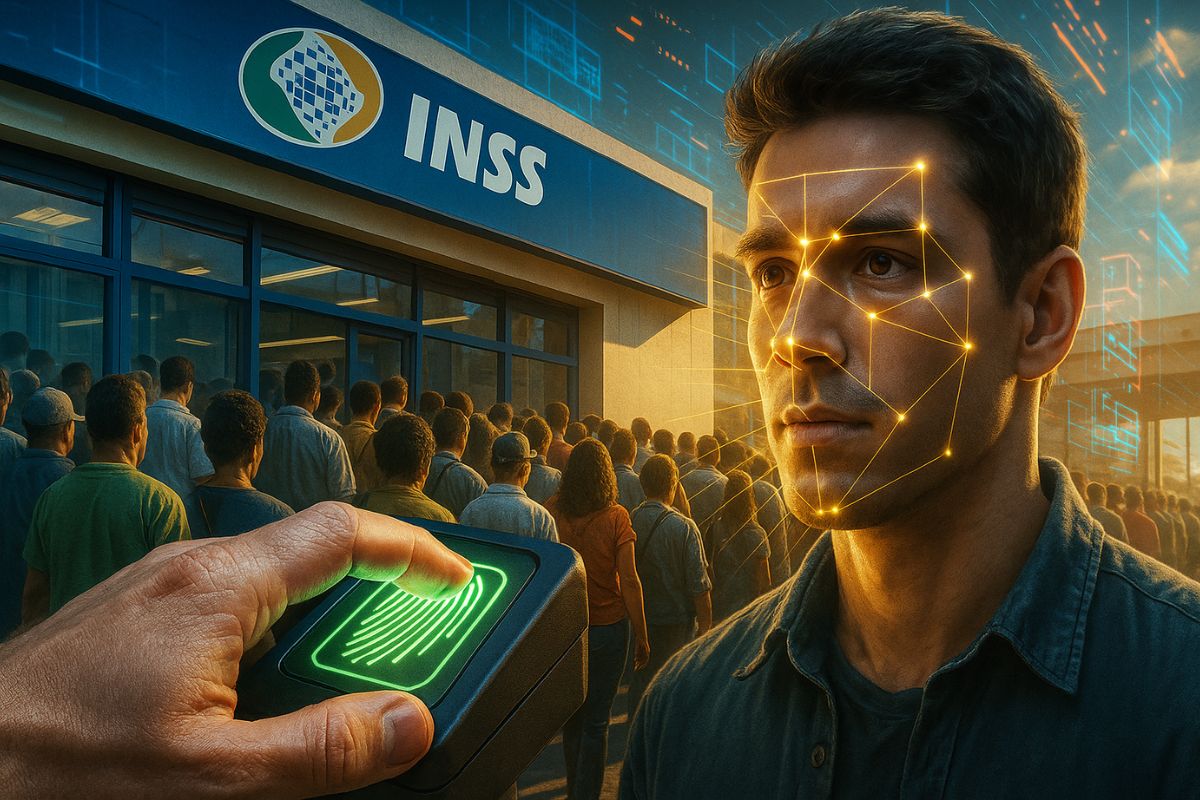


Millions Of Beneficiaries Will Have To Undergo Biometrics Soon. The Government Has Determined That Millions Of Beneficiaries Of Social Programs Must Complete Biometric Registration To Continue Receiving Payments.
The federal government announced that millions of beneficiaries of Bolsa Família, the Continuous Cash Benefit (BPC), and other social programs will need to undergo biometric registration in the coming months. The measure is provided for in Decree No. 12,561/2025 and will come into effect 120 days after publication in the Official Gazette of the Union.
According to the Ministry of Management and Innovation in Public Services, the process will be carried out gradually. First, new enrollees will undergo biometrics. Then, current beneficiaries will be summoned, with prior notice, to register fingerprints and facial recognition.
What Changes For Millions Of Beneficiaries
The collection of biometric data will be mandatory to ensure the continuity of social payments. The aim is to reduce fraud and ensure that resources reach those who truly need them.
-
Elderly individuals aged 65 or older who have never contributed to the INSS can receive R$ 1,621 per month in 2026 without having paid any contributions in their lifetime: learn how the benefit works that already supports nearly 7 million Brazilians.

-
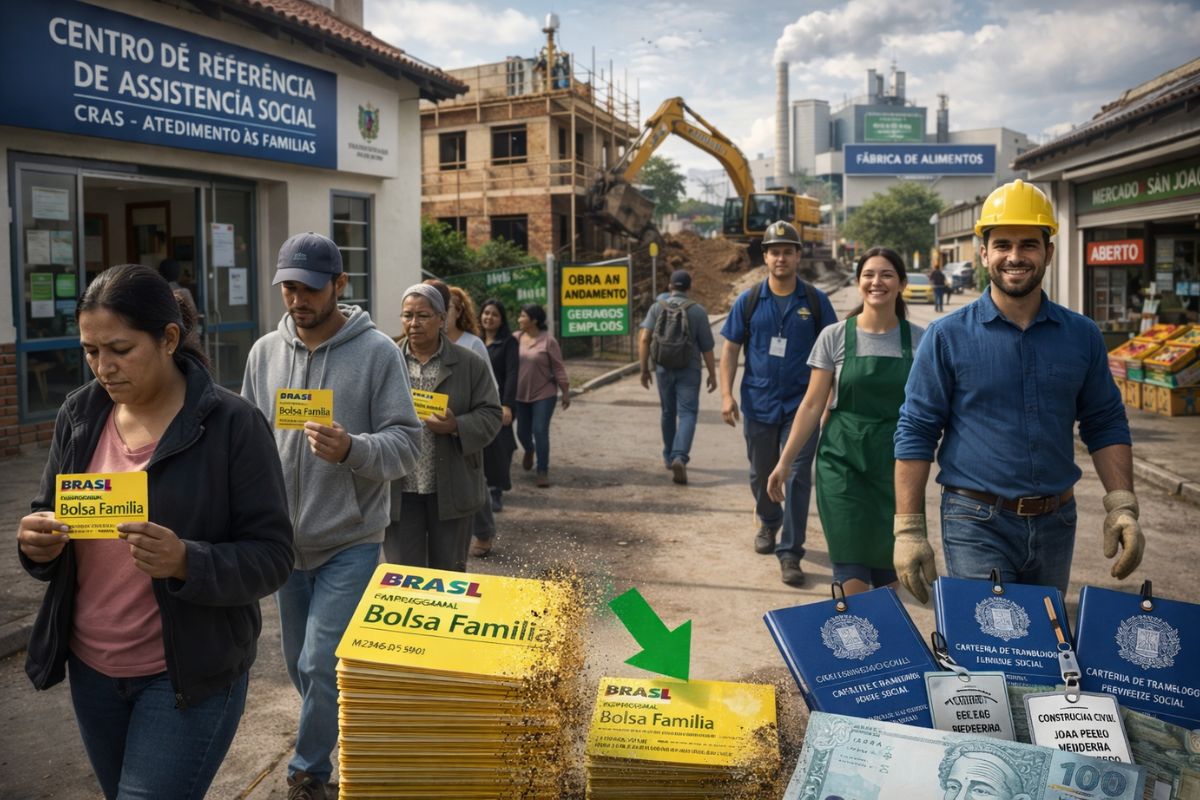
The gaucho city reduced the number of Bolsa Família beneficiaries by almost 40% in just a year and a half with active outreach that connects each registered person directly to job vacancies in Bento Gonçalves in Rio Grande do Sul.
-
The bluest city in Brazil has just gained a new floating bridge for the free crossing between the island and the mainland, connecting residents and visitors to the historic center of São Francisco do Sul every day of the week.

-
In a silent race, Shopee signs a mega contract in Guarulhos and accelerates the e-commerce war with faster deliveries, pressured shipping, and a new threat to rivals in Brazil.


Biometrics can be done at INSS agencies and accredited posts. In addition, the government emphasizes that no one should seek assistance on their own without an official summons, as all beneficiaries will receive prior notice.
Why The Government Adopted Biometrics
According to the Ministry of Social Development, biometrics provides more security to social programs. With the digitization of the Unified Registration (CadÚnico) and the use of the General Data Protection Law (LGPD), the government hopes to reduce fraud and modernize public management.
This resource is already used in banks, private companies, and even public services in other countries. In Brazil, biometrics will help integrate information and enhance trust in social payments.
How Biometric Collection Will Be Conducted
During the procedure, fingerprints and facial images of the beneficiary will be collected. The data will be cross-referenced with other official databases, such as the Federal Revenue and financial institutions, to ensure consistency and prevent fraud.
The elderly and people with disabilities who encounter difficulties will receive special support and guaranteed alternatives. This measure aims at inclusion and accessibility throughout the process.
Expected Impacts
The expectation is that biometrics will directly benefit millions of beneficiaries, reducing scams and increasing the efficiency of social program management. The government believes that the measure will bring more transparency, equity in resource distribution, and trust from the population.
Additionally, updating the CadÚnico every two years will be mandatory, making monitoring more efficient and preventing undue blockages.
Implementation Challenges
Despite the advances, the government acknowledges the challenges. Bringing biometrics to remote areas, ensuring digital access, and preventing technical failures are critical points. Educational campaigns and training of teams that will serve the population are planned for this.
Another point of attention is digital security. Messages or calls asking for data outside official channels should be seen as attempts at fraud. The government warns that official summons will always be made through institutional means.
The requirement for biometrics for millions of beneficiaries is an important step towards modernizing social programs in Brazil. The measure promises to reduce fraud, increase payment security, and further integrate public services.
Do you think that biometrics will actually protect social programs or could it bring more difficulties for beneficiaries? Leave your opinion in the comments — we want to hear your real experience.








Isso não vai ajudar na fraude ..conheço uma pessoa que ta usando endereço antigo pra receber o beneficio. Sendo que mora de aluguel em uma casa bem melhor e o governo nao descobre e isso ja faz anos
Irá trazer dificuldade para grande parte dos beneficiários, pois muitos idosos são acamados e ou possuem mobilidade reduzida.
É o caso de minha mãe, que é portadora de alzheimer, e já é acamada devido o estado muito avançado da doença.
Foi ótimo adotar a biometria para diminuir as fraudes e golpes.
As fraldes e golpes estão acontecendo na mesa do presidente Lula, e nos gabinetes dos deputados, senadores e juízes do STF