





 English
  Francês
  Alemão
  Italiano
  Japonês
  Norueguês
  Portuguese
  Spanish
  4 min of reading



Brazilian Company Will Pay Bonuses to Bitcoin Miners Who Use Renewable Energy Sources, Such as Hydropower, Solar, Wind, Biomass, Geothermal, Ocean, and Hydrogen
Hathor Labs, a Brazilian startup responsible for the Hathor Networks blockchain, will reward those who mine bitcoin using clean energy. Called “Hathor Green,” the program monthly bonuses miners who prove the use of renewable energy sources to extract bitcoin and the native HTR token of the network.
Read Also
- Company Opens Job Vacancies for High School, Technical, and Higher Education in São Paulo for Those Seeking a Chance in the Formal Job Market
- Graphene, the Powerful Flexible Material 200 Times Stronger than Steel and Thinner than a Human Hair, is Abundant in Brazil and Will Make the Country a Leader in the Global Technological Revolution
- GRUPO GR Calls for 2538 Job Vacancies for General Service Assistants, Watchmen, Porters, Firefighters, Analysts, and Much More in SP, RJ, BA, PE, MG, CE, AM and More Brazilian Regions
- 500 Job Vacancies for Offshore Maintenance Opened on the Afternoon of this Day (06/22) by Ocyan, Set to Start Working in July on Petrobras Contracts in the Merluza and Mexilhão Fields
Applications are open until July 8 and are part of the launch of an initiative by Hathor in the environmental, social, and governance areas, called Hathor Green. Individual miners or bitcoin professionals can participate.
“Providing extra incentives to bitcoin miners who use clean energy is one of the best ways to encourage others to follow them,” said Guto Martino, head of Marketing at Hathor Labs, in a statement.
-
Renewable energy advances over protected areas in Brazil, and a survey by the Energy Transition Observatory reveals silent impacts that challenge environmental conservation and pressure sensitive traditional territories.

-
Rio Grande do Sul accelerates energy transition: State invests in renewable technologies and consolidates decarbonization strategies and pathways to attract billions in new industrial investments.

-
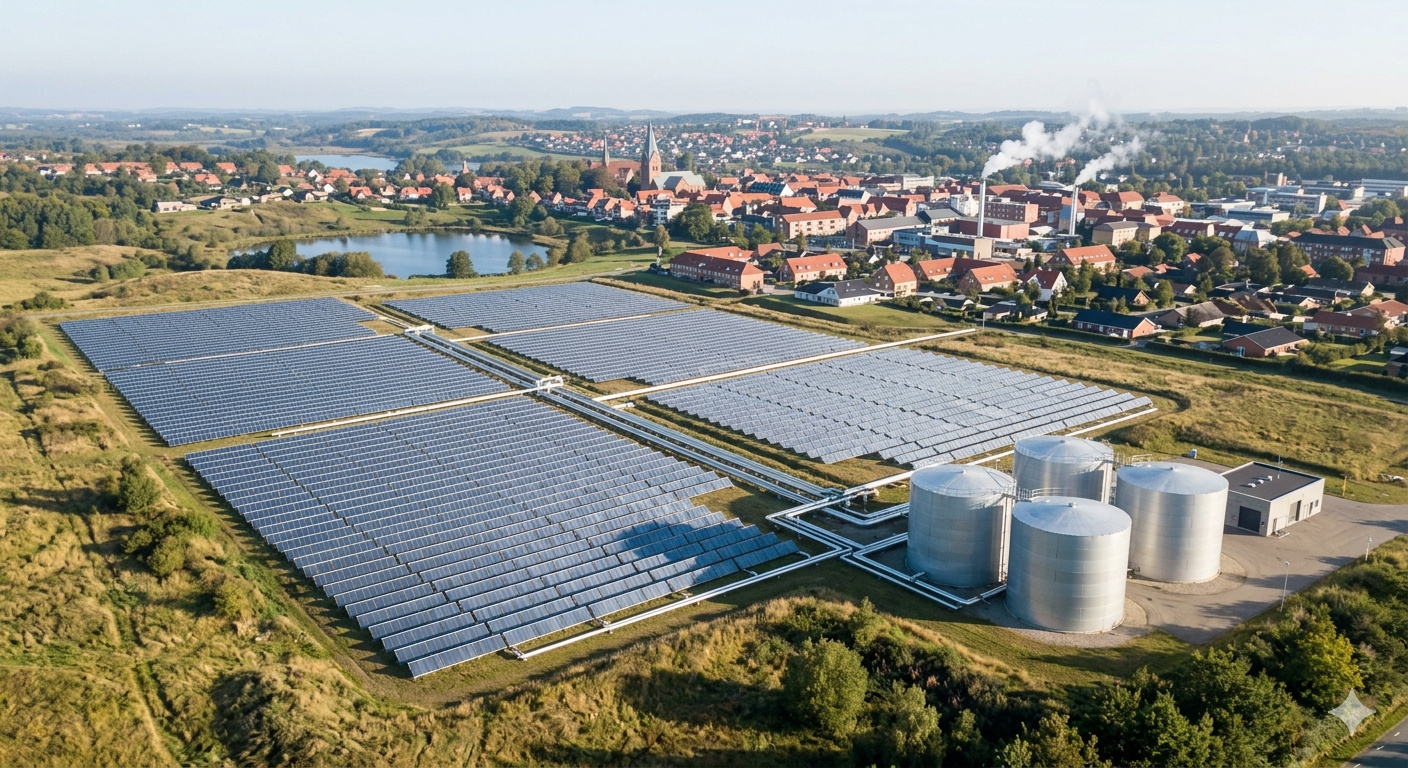
With 160,000 m² of collectors, an area larger than 20 football fields, Silkeborg, in Denmark, hosts a solar thermal plant that heats 19,500 homes and could become the largest solar heating plant in the world.
-
A study reveals the expansion of renewable energy procurement in Brazil and shows how companies are taking advantage of opportunities to reduce expenses, ensure energy efficiency, and strengthen strategic environmental commitments.


The initiative is important considering the annual electricity consumption of the Bitcoin network. According to studies from the University of Cambridge, the activity consumes about 145 TWh, accounting for 0.65% of the total energy consumption in the world. It is estimated that more than 2/3 of bitcoin miners are located in China, 7% in the United States, and 7% in Russia.
Hathor Network Operates Within the Bitcoin Network
The Hathor blockchain operates with a hybrid consensus mechanism created by engineer Marcelo Brogliato, the current CTO of the startup, during his master’s degree. Thus, the network operates within the bitcoin system, inserting tiny amounts of data from the blocks. In this way, the HTR and Hathor Network services generate virtually no environmental impact, yet participate in a model that does.
According to Guto Martino, spokesperson and marketing director for Hathor Labs, “providing extra incentives to bitcoin miners who use clean energy is one of the best ways to encourage others to follow them.” Finally, the director states: “although we are not generating any direct environmental impact, we are participating in a system that effectively does. That’s where the idea for Hathor Green came from.”
This way, the Brazilian-origin company aims to encourage bitcoin mining without carbon footprints.
Hathor Green Encourages Clean Mining
“Miners who use clean energy can enroll in the program. For this, they send us all the documentation; there will be a diligence process, but those who can prove this will receive a bonus in HTR at the end of the month, based on the hash rate of our network,” said the spokesperson.
Martino explained that the HTR can be traded on some exchanges and is the currency used in Hathor Network’s blockchain services, which even allows the creation of new tokens. According to data from CoinMarketCap, the bitcoin cryptocurrency was valued at about US$ 0.45 at the time of this publication.
Bonuses in Mining
In the next quarter, the company will announce a new phase of the program, with measures for those who use fossil fuel energy and intend to offset the CO2 emissions from bitcoin mining activity.
The Hathor Network uses a hybrid consensus mechanism created by engineer Marcelo Brogliato, CTO of the startup, during his PhD. In it, the new transactions made on the network receive confirmations both directly from previous transfers (DAG) and from bitcoin blocks mined using the Proof-of-Work method.
The company highlights examples of renewable sources: hydropower (energy from water in rivers), solar (energy from the sun), wind (energy from the wind), biomass (energy from organic matter), geothermal (energy from the Earth’s interior), ocean (energy from tides and waves), and hydrogen (chemical energy from the hydrogen molecule).







Seja o primeiro a reagir!