





 Portuguese
  English
  Spanish
  2 min of reading
  2 comments


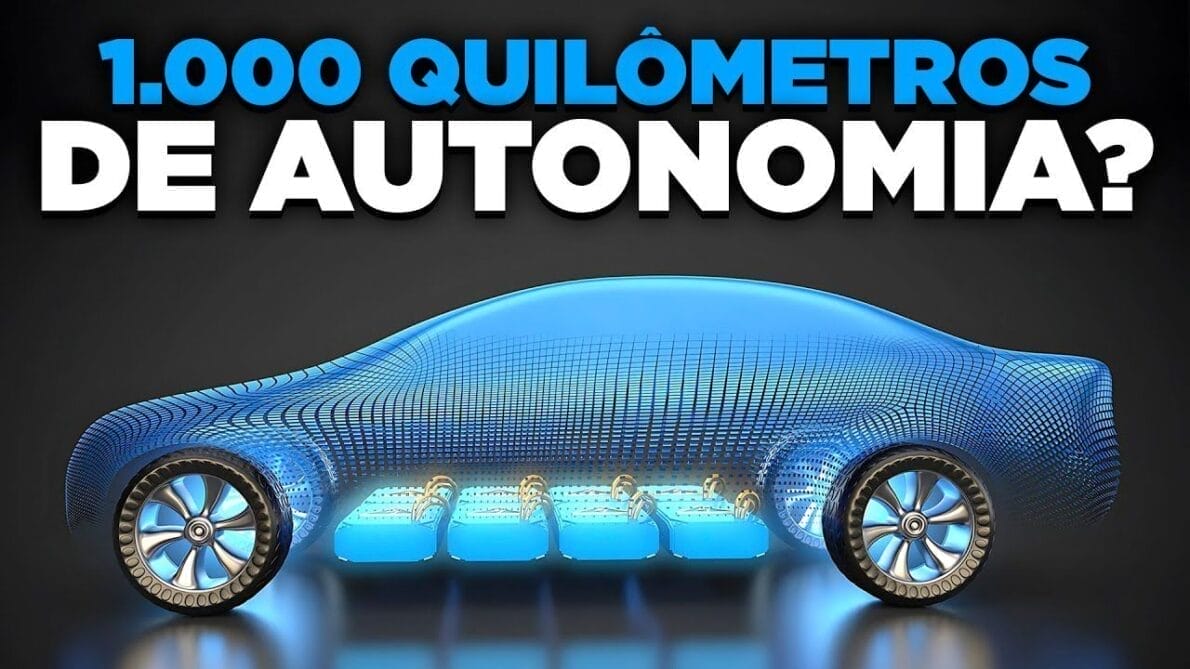


The Chinese Tech Giant and Global Leader in Electric Vehicles, BYD, Announced the Second Generation of the Blade Battery, V2. This New Technology Promises to Be a Major Advancement in Terms of Range, Performance, and Cost.
The revelation was made by BYD’s CEO, Wang Chanfu, during a financial results meeting. The new battery, called Blade V2, is expected to be launched in August 2024. BYD, founded in 1995, initially manufactured rechargeable batteries for cell phones.
Since then, the company has become a leader in the automotive, electronics, renewable energy, and rail sectors. Among its most notable innovations is the Blade battery, first introduced in March 2020. These batteries are made from lithium iron phosphate (LFP), which eliminates the need for nickel, cobalt, and manganese, common materials in other lithium-ion batteries.
LFP Batteries Have Lower Energy Density Than NMC Batteries (Nickel-Manganese-Cobalt), but Offer Several Advantages


They are cheaper, have a longer life cycle (up to 5,000 charge and discharge cycles), and a greater charging capacity. The structure of the Blade battery cells consists of long blades aligned crosswise, optimizing space by more than 50% compared to conventional batteries.
-
Costing R$ 16,000, the new Yamaha features a 125 cc hybrid engine with electric assistance, delivers 8.3 hp, includes ABS, optimized fuel consumption, Y-Connect connectivity, 25 liters of storage space, and a surprising 4-year warranty in the urban segment.

-
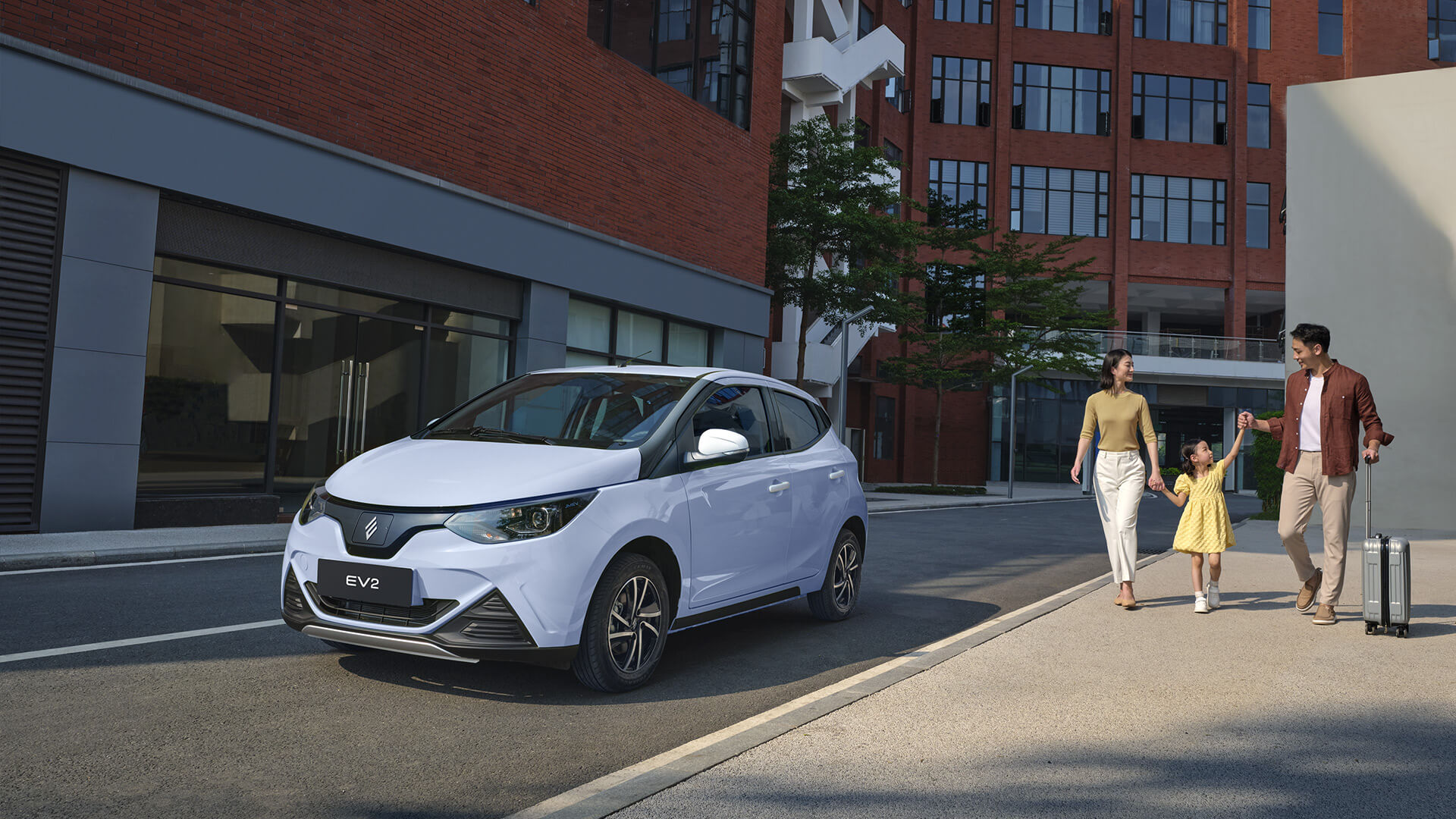
Goodbye expensive popular car: electric vehicle for less than R$ 70,000 starts being sold in Brazil with a range of 200 km and targets those looking to escape gasoline.
-
OMODA & JAECOO grows in Europe in 2026 with an integrated strategy of sales, innovation, local production, and technological advancement in the United Kingdom, Italy, and Spain.
-
OMODA & JAECOO expands after-sales service in Brazil with competitive maintenance, a 7-year warranty, and high availability of parts for technological SUVs.

The Blade battery cells have wide surfaces that release and generate heat more slowly, aiding in heat dissipation. The flat rectangular shape improves cooling and performance in pre-heating. Additionally, the Blade battery does not release oxygen during thermal runaway, unlike NMC batteries, making it less susceptible to fires.
BYD Has Already Subjected the Blade V2 Battery to Rigorous Endurance Testing
In a nail penetration test, the battery did not emit smoke or catch fire, reaching a temperature of 30 to 60 °C. In comparison, an NMC battery under the same conditions exceeded 500 °C and caught fire instantly.
With the new generation of batteries, BYD’s electric vehicles could achieve a range of up to 1,000 km on a single charge. The energy density will be raised from 140 Wh/kg to 190 Wh/kg, a significant leap that will allow for this increased range.
Currently, BYD’s Electric Vehicles Sold in Brazil Have a Range of Between 350 and 400 km
The new Blade battery will allow for a more spacious car interior, as it will take up less space. Moreover, smaller and lighter batteries mean less material used and lower production costs, which could make electric vehicles more affordable for consumers. The launch of the Blade V2 is expected in August 2024, marking a significant advancement for BYD and the electric vehicle market.









Não entendi; dencidade energética 140, a nova geração 190 ( V2), significa um aumeto de automia de quase 36%, exemplo: atual 400km, nova 444km de automia. Ainde vc encontrou 1000km ? ( 100% a 125%)
Toda inovação tem percalços em seu começo, desejo de coração um futuro promissor para os carros elétricos