





 Portuguese
  English
  Spanish
  6 min of reading
  1 comment


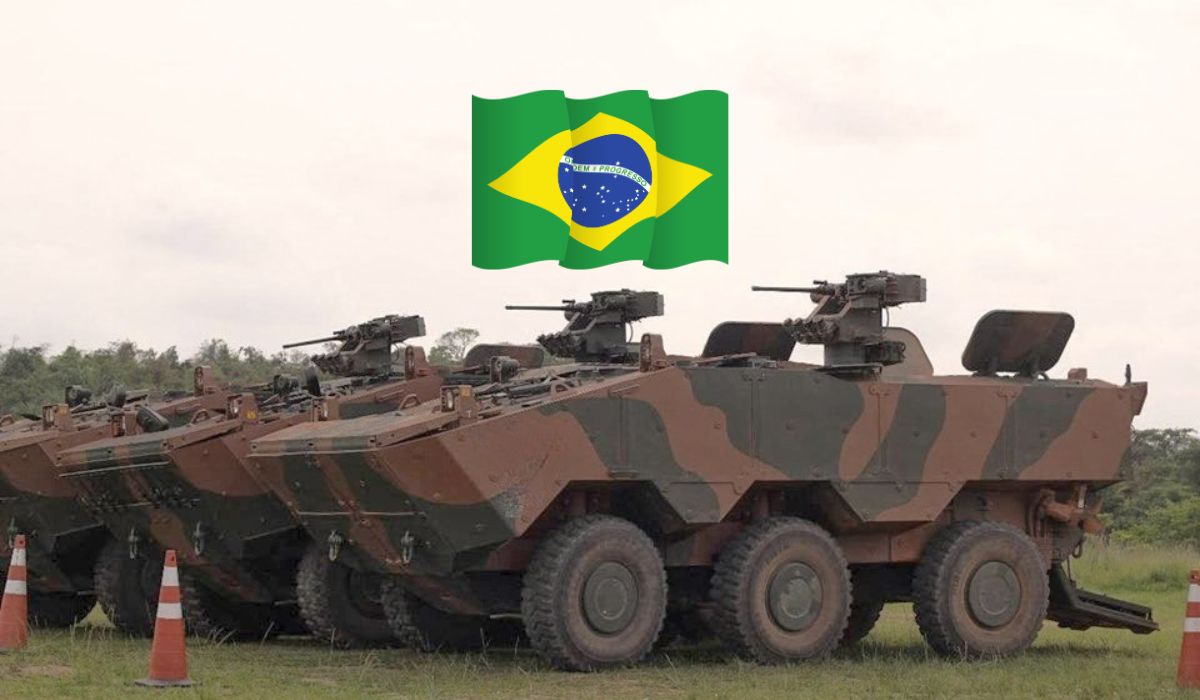


The VBTP-MR Guarani Gained Space in Mechanized Infantry by Gathering Road Mobility, Amphibious Capability, and Focus on Mine Protection. The National Platform Also Integrates Remote Weapons and Aiming to Standardize Different Operational Versions Used by the Army.
The Brazilian Army Consolidated in Recent Years the Adoption of the VBTP-MR Guarani, a Wheeled Armored Vehicle Designed for Troop Transport with Road Mobility, Performance on Rough Terrain, and Amphibious Capability.
In Public Materials About the Program, the Vehicle Appears with a Weight in the Range of 18 Tons in Operational Configuration, Which May Vary According to Equipment and Armor Kits Installed.
The Proposal of the Guarani is to Gradually Replace Older Vehicles and Standardize the Mechanized Infantry Base on a National Platform, Produced in Industrial Partnership with Iveco Defence Vehicles.
-
Germany proposes silent propellers to solve a centuries-old problem: the damage caused in the ocean by ship noise.
-
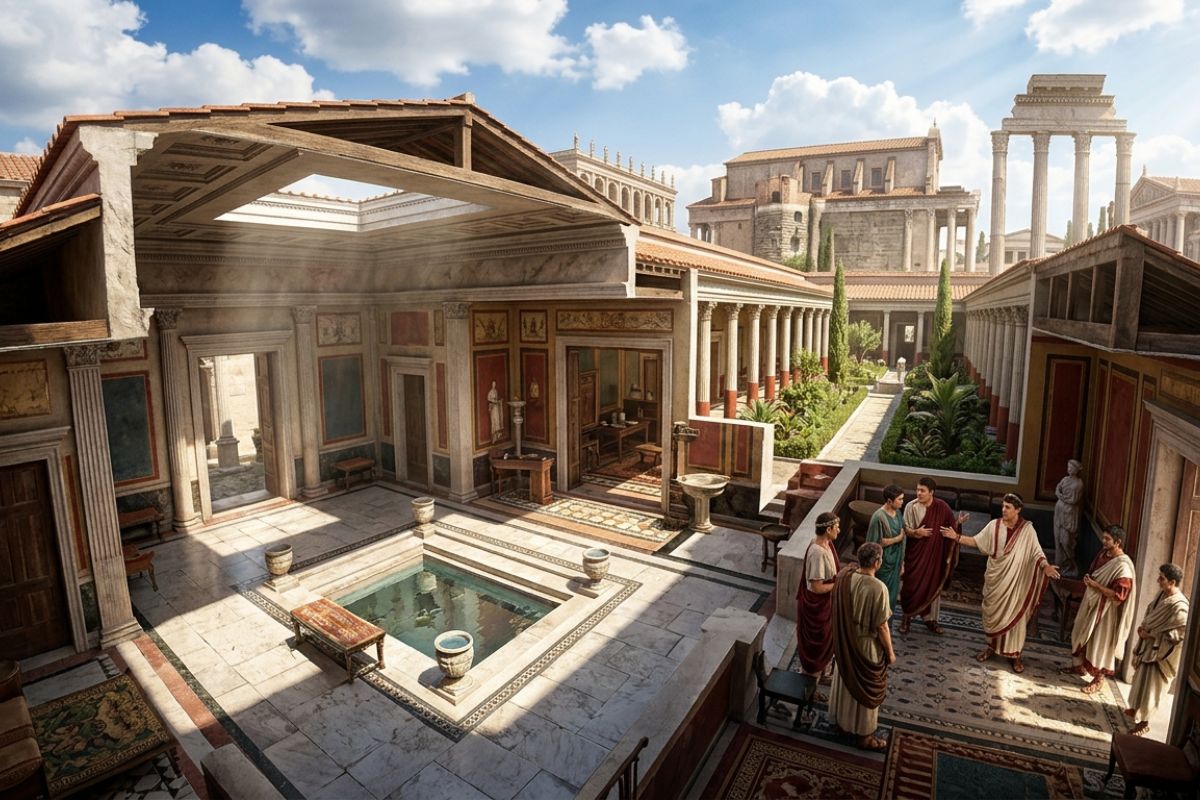
What the Public House of Julius Caesar was like inside in the Roman Forum: layout, atrium with compluvium and impluvium, tablinium and peristyle, and the scandal of the Bona Dea, revealed in an AI recreation.
-
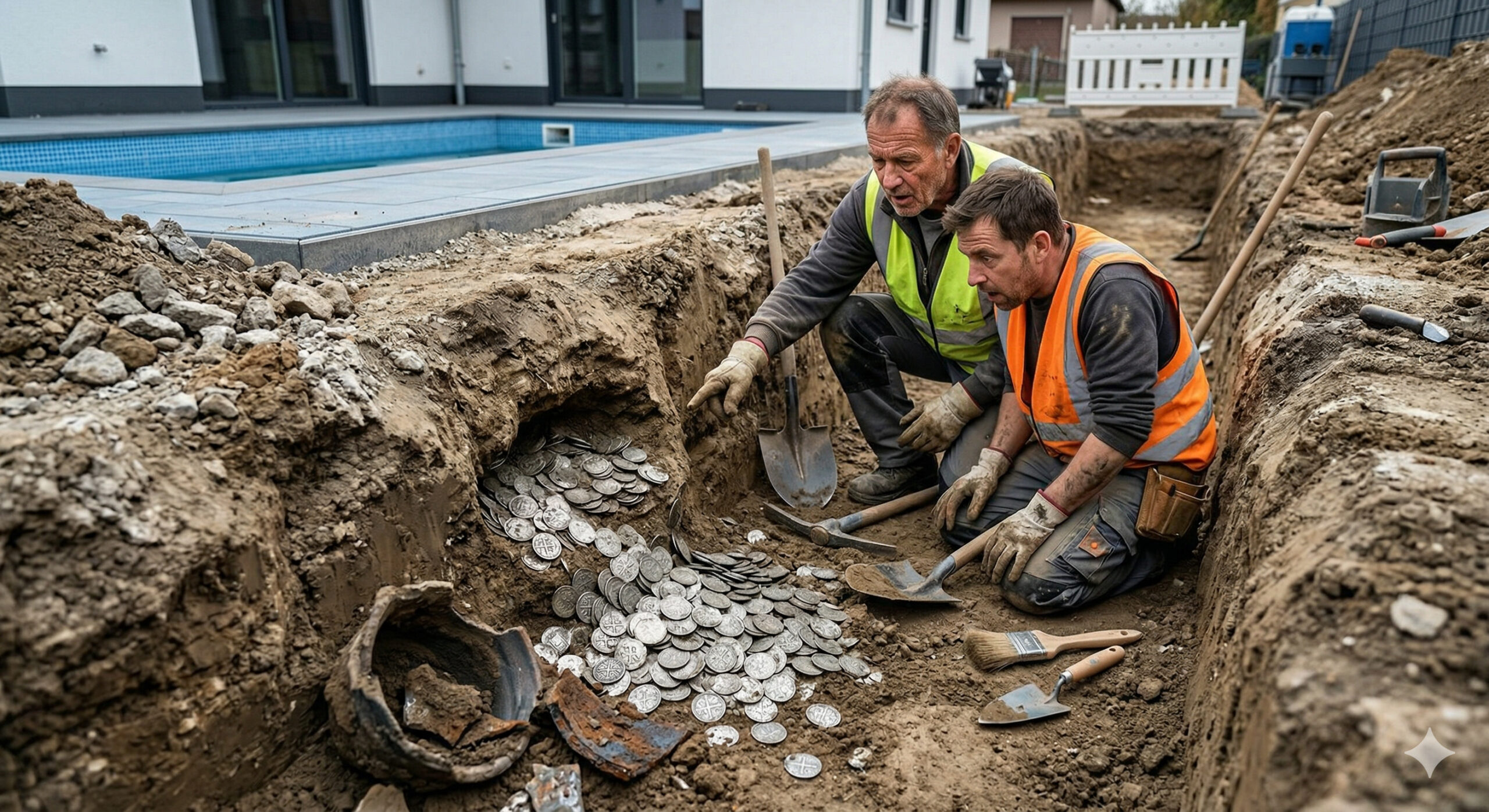
While digging a trench next to a pool in Germany, workers found more than 1,500 silver coins from 1320 in the rubble, revealing a treasure buried for over 700 years.
-
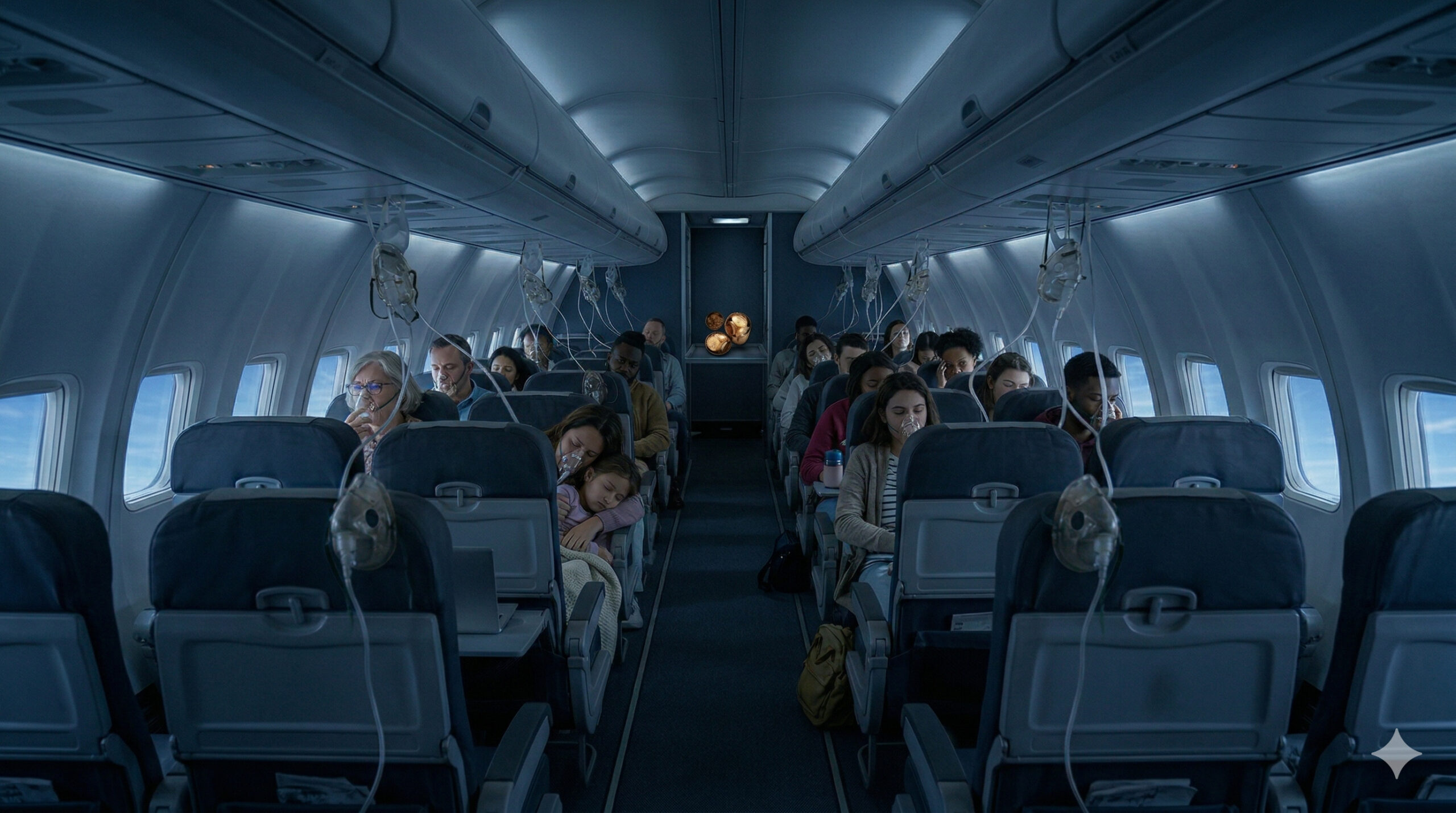
Flight Helios 522, the “ghost” flight with 121 people: the commercial aircraft flew for more than 2 hours on autopilot after a pressurization failure left pilots and passengers unconscious and only stopped when it ran out of fuel.

The Design Prioritizes the Survival of the Troops and the Maintenance of Maneuvering Rhythm, Including River Crossings and Flooded Areas Without Depending, Necessarily, on Bridges or Support Boats.
Mobility of the Guarani on the Road and 6×6 Traction
From a Mechanical Perspective, Reference Technical Descriptions Indicate that the Guarani Operates with 6×6 Traction and an FPT Cursor 9 Engine, with a Cited Power of 383 hp.
The Maximum Speed on Highways is Reported to be Around 110 km/h, a Figure Presented in Technical Sheets and Publications About the Model.
In Unpaved Terrain, the Platform was Designed to Maintain Its Mobility on Common Surfaces in the Country, Such as Sand, Mud, and Dirt Tracks.
Open Sources Also Describe that the Project Sought to Utilize Components with an Already Established Maintenance Chain in the Automotive Sector, as a Means to Reduce Logistical Complexity.
The Amphibious Feature Is Considered Part of the Concept from Its Origin.

Public Records About the Vehicle Describe Two Rear Propellers for Water Propulsion, Driven by a Specific System of the Vehicle Itself.
In These Descriptions, the Speed in Water Usually Appears in the Range of 9 to 10 km/h, Depending on Navigational Conditions.
Mine Protection and V-Shaped Hull of the VBTP-MR Guarani
In the Protection Package, the Guarani is Often Presented as an Armored Vehicle Focused on Threats Such as Mines and Improvised Explosives.
Documents and Technical Descriptions Associate This Protection with the V-Shaped Hull, a Solution Adopted to Reduce the Direct Impact of an Explosion Under the Vehicle by Diverting Part of the Shockwave to the Sides.
Technical Materials and Public References About the Program Cite Mine Resistance in the Equivalent Range of Up to 6 kg of Explosive, in Parameters Associated with the Mine Protection of the Vehicle Category.
As in Projects of this Type, Performance Depends on Employment Scenarios and the Detonation Point, and References Typically Present These Values Within Testing Criteria and Specification.
Internal Solutions to Reduce Damage to the Troops Also Appear in System Descriptions.
Among Them Are Seats with Fixation and Energy Absorption to Decrease the Transfer of Impact to the Body in Explosions Under the Floor.
Other Layers, Such as Internal Coating for Shrapnel Retention, Are Cited in Materials About Armored Vehicles with This Profile, Always as Part of a Set Designed to Increase the Survival Chances of the Troops.
At the Same Time, the Vehicle Adopts the Idea of Modular Armor, Mentioned in Reference Sources as a Possibility of Adapting the Level of Protection According to the Operational Environment.
REMAX Station and Remotely Controlled Weapons
The Vehicle Was Designed to Transport Troops and, at the Same Time, Operate with Weapons Without Exposing the Shooter.
In This Context, the REMAX Station is Highlighted in Manufacturer Materials and Specialized Publications as a Remotely Controlled, Stabilized Weapon System Operated by a Soldier Protected Inside the Armored Vehicle.
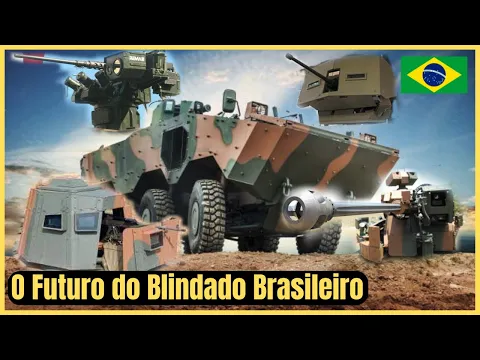

According to Sector Descriptions, the REMAX Was Developed from the Requirements of the Army, in Partnership with the Army Technological Center and with Participation from the National Industry.
These Same Descriptions Indicate Compatibility with 7.62 mm and 12.7 mm (.50) Machine Guns, as Well as Features Aimed at Observation and Firing Under Low Visibility Conditions, Depending on the Installed Configuration.
In Practice, the Adoption of Remote Weapons is Presented by Technical Sources as an Operational Gain Because It Reduces the Operator’s Exposure, Especially in Environments Where the Threat May Include Rifle Fire, Shrapnel, and Opportunity Attacks.
Stabilization is Also Cited as a Resource to Maintain the Aim with the Vehicle in Motion, Within the Limits of the System.
Troop Capacity and Use of the Guarani in Operations
The Transport Capacity of the Guarani is Described in Public References as 11 Soldiers, Considering the Driver, Weapon Operator, and Members of the Transported Group.
This Occupancy Seeks to Maintain Space for Individual Equipment and Facilitate Disembarkation, with Doors and Hatches Provided in the Design.
The Employment Profile Associated with the Vehicle Includes Patrol, Escort, and Movements in Border Areas, Along with Participation in Exercises and Support Operations in Different Regions.
In Promotional Texts and Sector Reports, the Armored Vehicle Appears as Suitable for Missions Where Mobility and Protection Need to Go Hand in Hand, Including Scenarios with Poor Roads and Natural Obstacles Such as Rivers.
The Term “Mobile Fortress,” Used in the Title and Common in Promotional Content, Often Works as a Metaphor for the Set of Characteristics of the Project, Such as Mine Protection, 6×6 Traction, Amphibiousness, and Operation of Weapons from Inside.
In Journalistic Language, This Expression is Treated as a Nickname or Recurring Description, Not as a Formal Technical Classification.
Production of the Guarani, Deliveries, and Program Goals
The Guarani has Become, in Practice, the Main Personnel Transport Armored Vehicle on Wheels in Service in the Army in Its Category, According to Public Records of the Program and the Volume of Units Already Incorporated.
Specialized Publications and Open References Indicate that the Total Delivered Exceeds Hundreds of Vehicles, a Number that Helps Explain Why the Model Came to be Described as the Base of Mechanized Infantry.

Long-Term Numbers Vary Depending on the Source and Time Frame, and Appear in Public Records as Projections and Goals Associated with Contracts and Planning.
There are References that Cite Levels Above 1,500 Units in Multi-Year Horizons, Along with Mentions of Higher Volumes in Historical Projections of the Program.
In Institutional Communication Regarding the Delivery of Unit 300, the Ministry of Defense Recorded the Continuity of the Project and Highlighted that the Guarani Family Includes Versions Beyond Troop Transport.
In the Same Note, General Edson Henrique Ramires, Then Presented as the Project Manager by the Army, Stated: “We are Taking This One Designed for Troop Transport and We Have Others, Which are Command and Control Versions, Communication, Mortar Carrier, and Various Others that Complete the Brigade System, Operational Module Adopted by the Army, Capable of Fighting with Its Own Means.”
This Citation Reinforces a Central Point of the Program: the Intention to Use the Same Base for Different Functions, Which Tends to Reduce Training and Maintenance Costs and Simplify Parts Logistics and Support.
At the Same Time, the Expansion of these Versions Depends on Budget, Purchase Schedule, and Modernization Priorities Defined for Each Cycle.




Até hoje não entendo porque na enchente de minas gerais que morreram centenas de pessoas o lula não mandou ou deu a ordem para o exército e a Marina usarem esses brindados . Ou falta de inteligência ou foi neguiligencia dele e dos generais das duas forças . E aí da falam em defender o país e em soberania . Uma piada isso sim .