





 Portuguese
  English
  Spanish
  3 min of reading
  0 comments


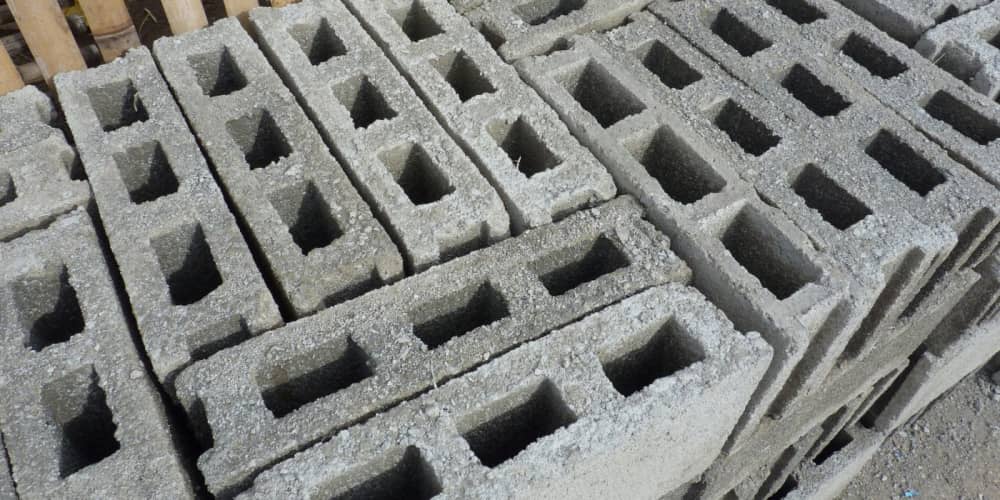
Discover How to Make Concrete Blocks at Home with This Detailed Tutorial, Ensuring Efficiency, Savings, and Quality in the Production Process.
Producing concrete blocks can be an affordable and practical alternative for those seeking savings and customization in construction projects. With the right materials and techniques, you can create durable blocks, whether for personal use or for commercialization. This guide provides a detailed step-by-step process for making high-quality concrete blocks.
Ideal Composition of Concrete Blocks
The foundation for producing quality blocks lies in the correct mixture of materials. The most common composition includes:
- 1 part cement
- 2.5 parts medium sand
- 3.5 parts gravel
- Water: Add gradually until you form a moldable and homogeneous mixture.
Ensure that all materials are of good origin. The cement should be within the expiration date, the sand needs to be clean and free of impurities, and the gravel should not contain organic residues. These precautions ensure the durability and strength of the blocks.
-
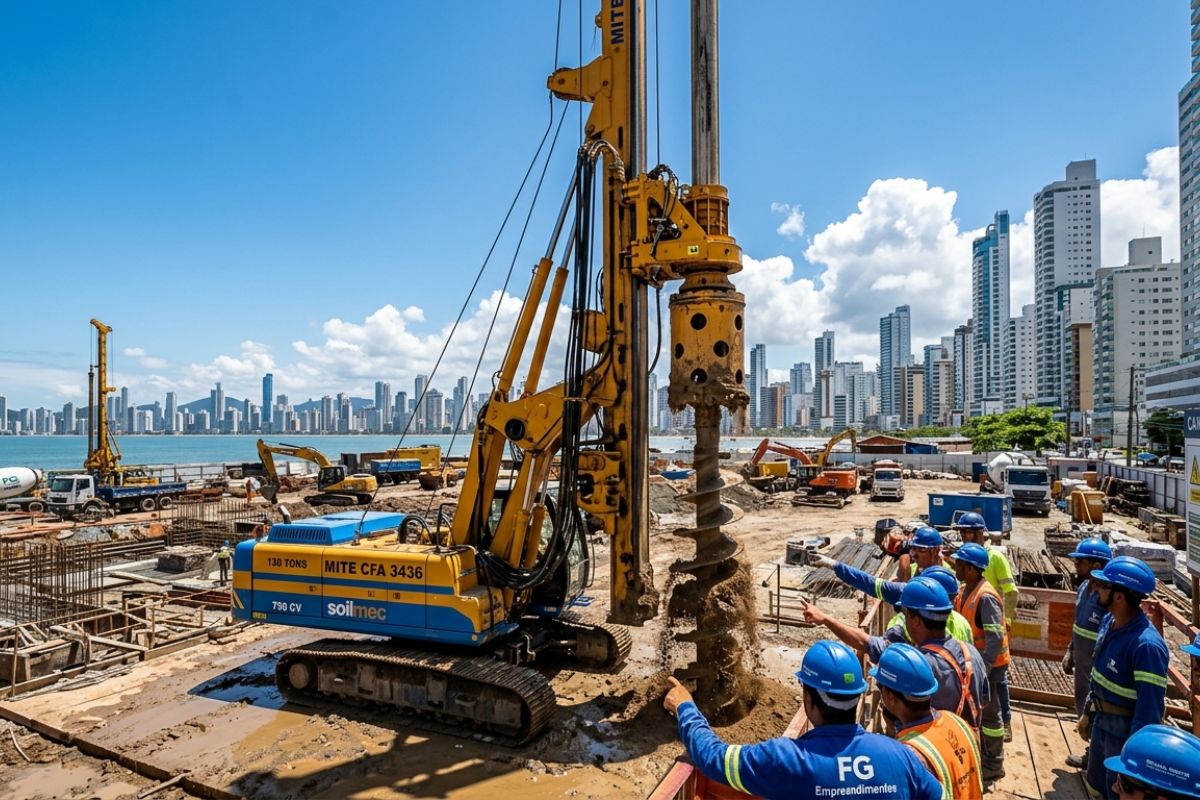
Italian giant of 130 tons arrives at the Senna Tower construction site and accelerates foundations: Mite CFA 3436 drills up to 50 m, 750 hp engine, investment of R$ 20 million, unique in Latin America.
-
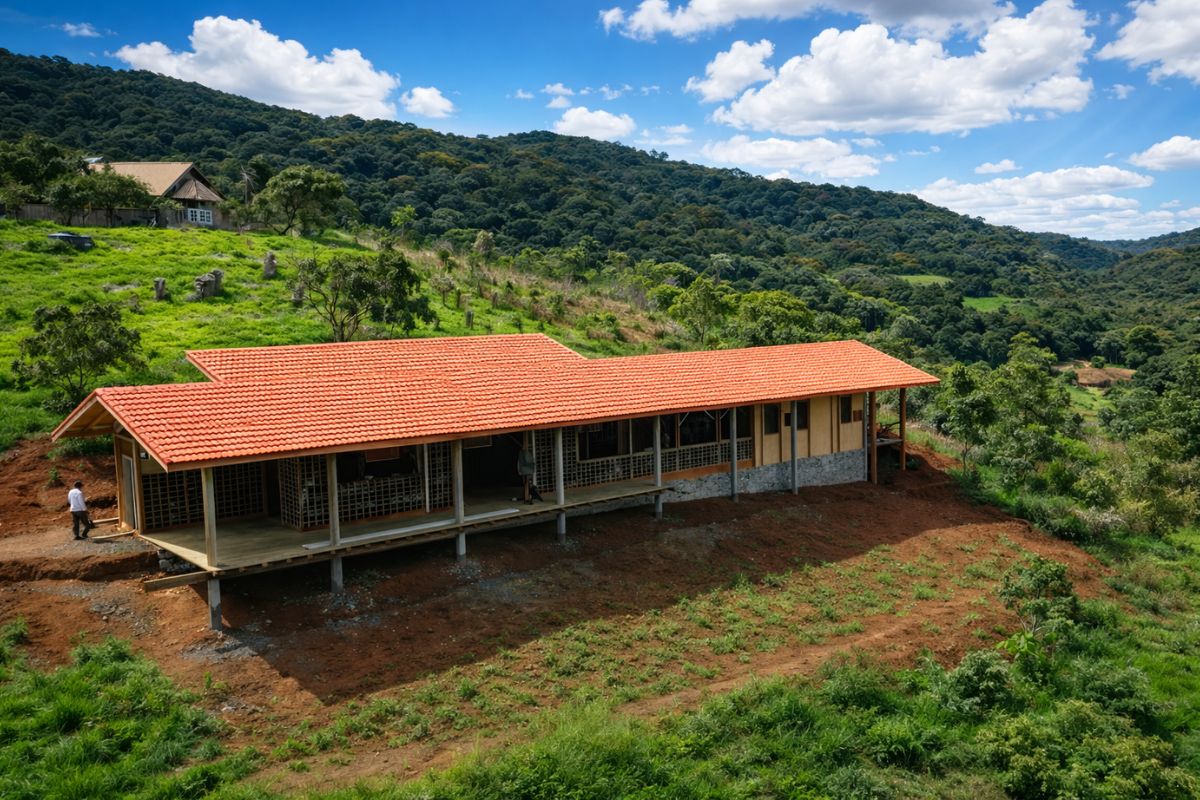
The adobe house in Monteiro Lobato takes shape with bamboo and clay from the land, a stone foundation, and a roof for the wind; cracks are normal, and finishing with lime turns it into a “common house.”
-
Four friends with over 30 years of friendship built a “mini village” by the banks of a river in Texas to grow old together, with houses of just 32 m² and a shared common space. The Bestie Row project has become a model of alternative living that is starting to spread around the world.

-
The ancient Japanese capital, planned over 1,200 years ago, still withstands earthquakes with colossal wooden temples and palaces, built without concrete or modern steel, by masters who created engineering capable of enduring centuries.


Necessary Equipment for the Production of Concrete Blocks
The manufacturing process requires basic tools and, in some cases, specific equipment. You will need:
- Concrete mixer or container to mix the materials;
- Molds for blocks, which can be made of wood, metal, or PVC;
- Bucket for measuring the materials;
- Spatula or trowel for finishing;
- Well-ventilated space for drying.
If you plan to produce on a larger scale, investing in a manual or automatic block-making machine can increase productivity.
Preparing the Concrete Mixture
The preparation of the mixture is a crucial step for the success of the project. Here’s how to proceed:
- Mix the dry ingredients: Place the cement, sand, and gravel in the concrete mixer or container and mix until uniform.
- Add water gradually: The ideal consistency is damp but not liquid. Avoid excess water to maintain strength.
- Mix until homogeneous: The final result should have a uniform color and a moldable texture.
Molding the Blocks
With the mixture ready, it’s time to fill the molds. Follow these steps:
- Fill the molds with the mixture, compacting well to avoid air pockets.
- Use a spatula to level the surface.
- If using a machine, strictly follow the manufacturer’s instructions.
Proper compaction is essential to avoid cracks and deformations in the blocks.
Curing: The Secret to Strength
Proper curing is what gives the blocks strength. The process should be conducted with care:
- Leave the blocks in the molds for 24 hours in a covered and ventilated area.
- After demolding, keep them moist for at least 7 days. This can be done by regularly misting with water or covering the blocks with wet tarps.
- Avoid direct sunlight during the initial curing period.
These precautions prevent cracks and ensure the blocks can support heavy loads.
Proper Storage
After curing, the blocks should be stored in an organized manner in a dry location. Ensure they are completely dry before using or selling them. Stack them carefully to avoid damage.
Practical Tips for Better Results
- Conduct initial tests: Adjust the material proportions as needed to achieve the desired quality.
- Use PPE: Protect yourself during the process with gloves, a mask, and safety glasses.
- Follow technical standards: If you plan to sell the blocks, comply with ABNT standards to ensure conformity and safety.
Producing concrete blocks is a way to customize projects, save money, and even start a business. With dedication and attention to detail, it is possible to create durable and high-quality pieces, contributing to more durable and well-executed constructions.






Seja o primeiro a reagir!