





 Portuguese
  English
  Spanish
  2 min of reading
  9 comments


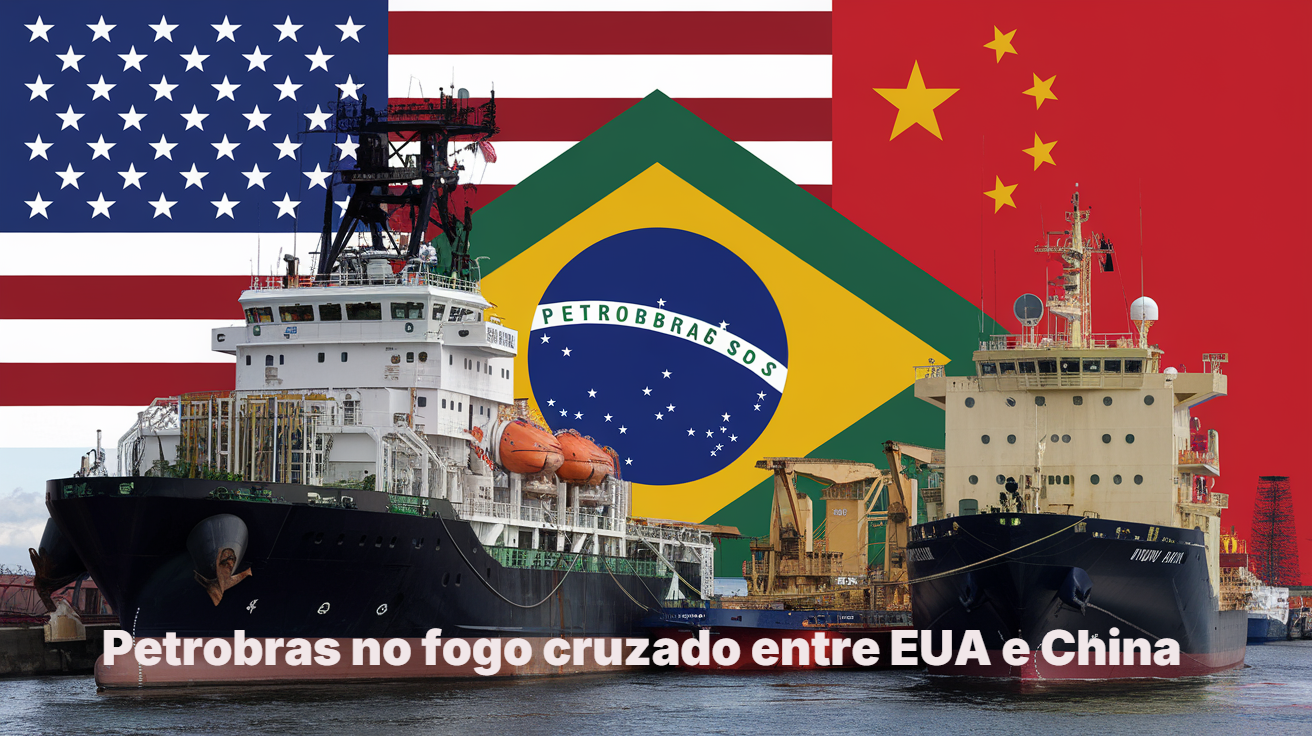


With Petrobras Listed on the New York Stock Exchange, American Sanctions Against Chinese Shipyards May Directly Impact the State-Owned Company, Making It Harder to Hire Vessels and Increasing Operational Costs in the Pre-Salt. Without a Domestic Shipbuilding Industry, Will Brazil Be at the Mercy of External Decisions?
The U.S. decision to blacklist the shipbuilding industry of large Chinese shipyards may seem like a distant problem, but the truth is that it can directly affect Brazil and Petrobras. After all, the state-owned company has shares traded on the New York Stock Exchange and, therefore, needs to comply with American sanctions.
But the question remains: how can Brazil maintain its sovereignty in the naval sector without depending on Washington’s decisions? These are pertinent questions raised by TradeWinds, a specialized portal.
323 Million Oil Platform Strands on Beach After Storm and Video Shocks Offshore World in Tunisia
ARTICLE CONTINUES BELOWSee also
Europe is trying to create an ammonia-powered marine engine without auxiliary fuel, which could unlock the race for giant emission-free ships. The technology aims to eliminate one of the biggest obstacles to clean maritime propulsion.

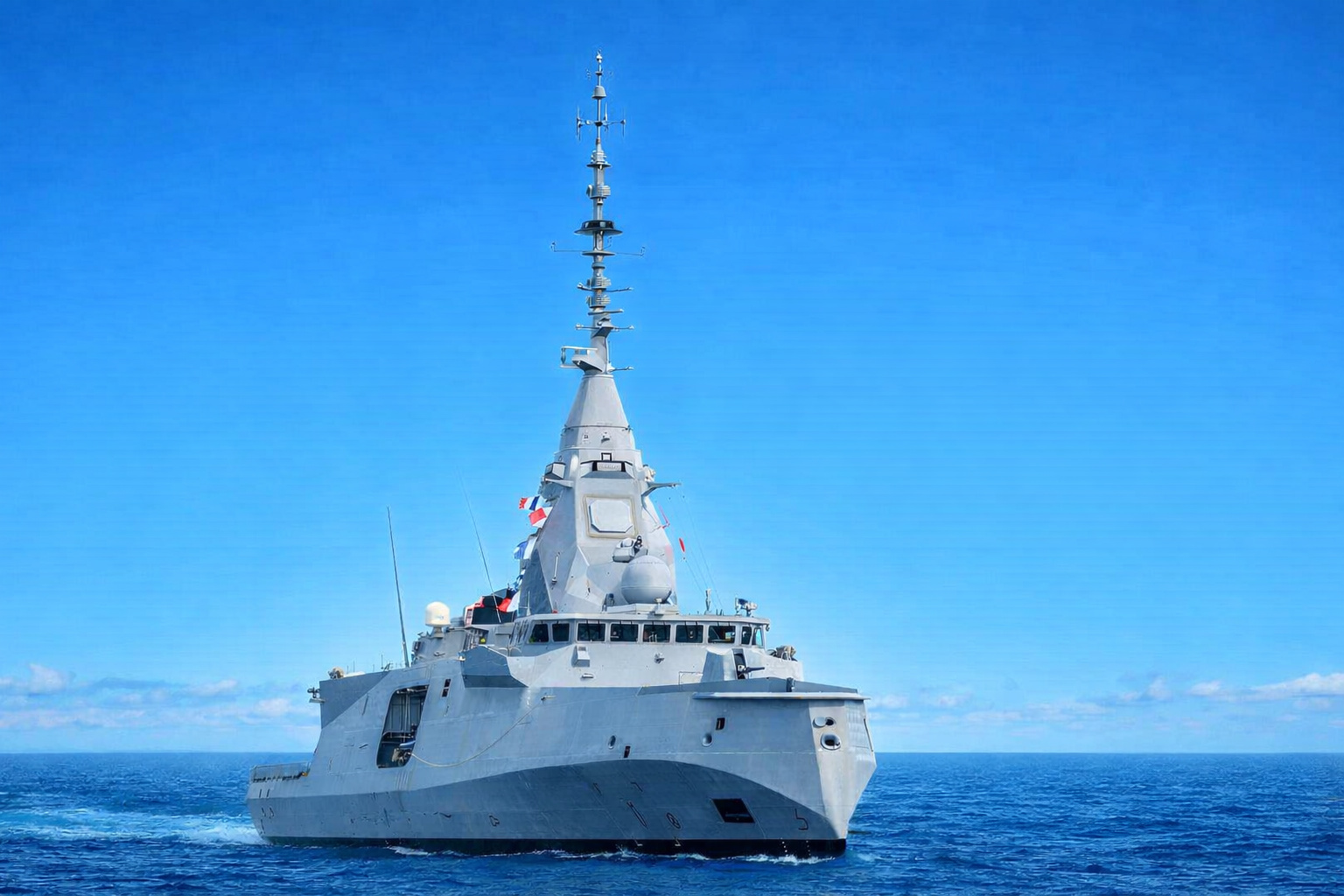
A 4,500-ton frigate with just over 100 crew members, state-of-the-art radar, and cruise missiles is being touted as the new standard of naval warfare in the 21st century.
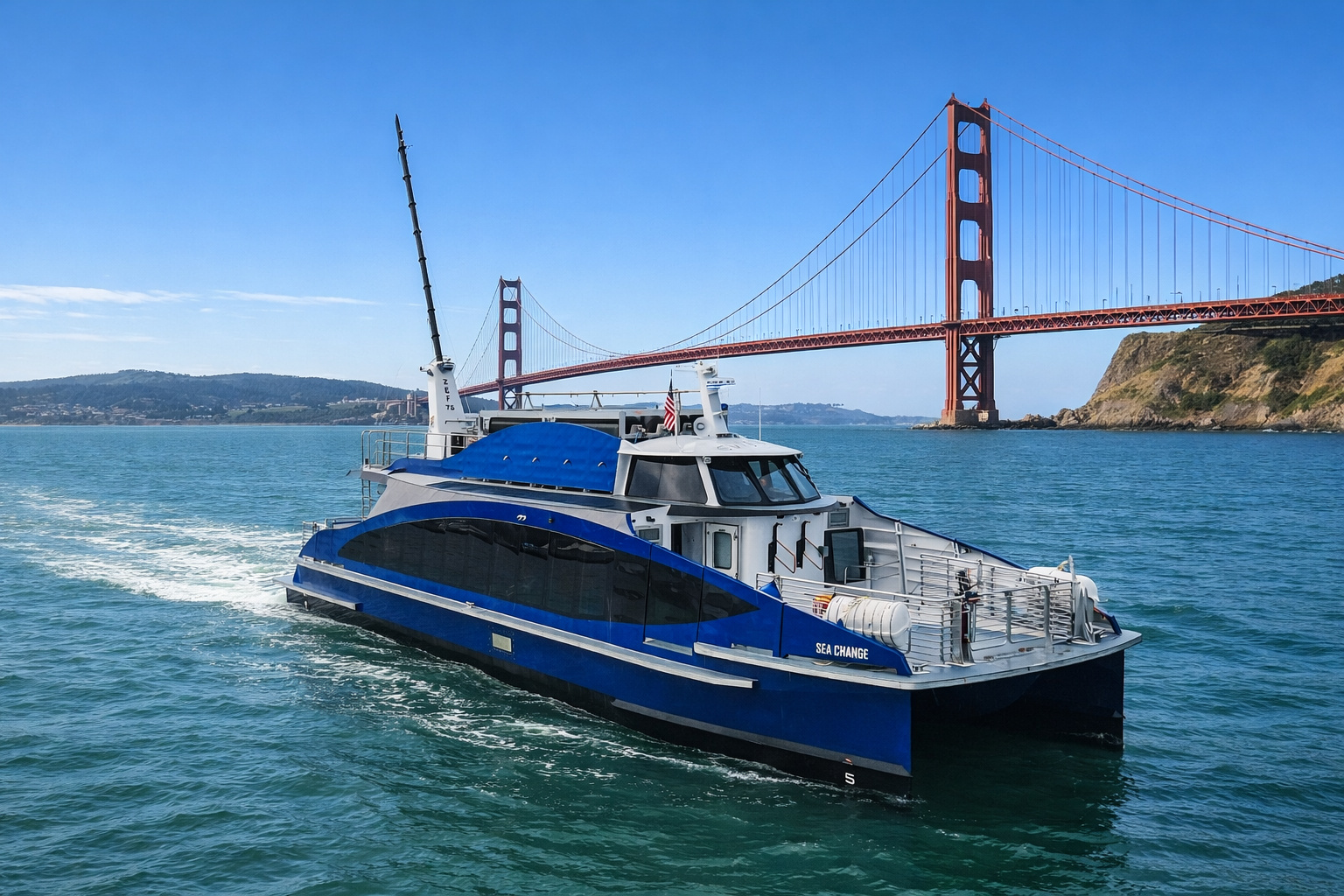
The first commercial hydrogen-powered ferry enters operation in the U.S., eliminates the use of diesel, uses fuel cells to generate clean energy on board, and transforms San Francisco Bay into a landmark of the new era of emission-free navigation.
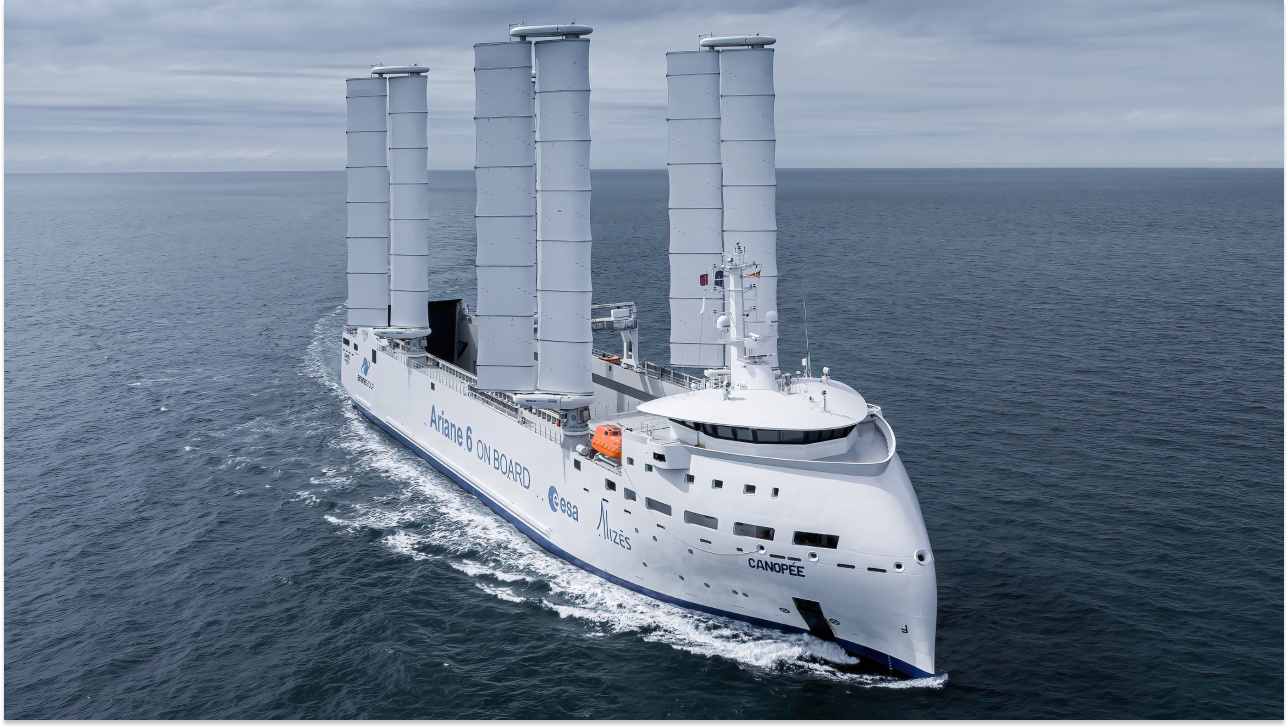
With a length of 121 meters and four rigid sails of 36 meters that automatically rotate to capture the wind, Canopée is the world’s first hybrid industrial cargo ship powered by wind, used to transport rockets and reduce fuel consumption by up to 30% on transoceanic routes.
Brazilian Shipbuilding Industry: Abandonment or Salvation?
Petrobras is one of the largest operators of offshore oil platforms in the world, which means direct dependence on the shipbuilding industry. Without ships, platforms, and support boats, there is simply no way to produce oil in the pre-salt.

In recent years, the Brazilian shipbuilding industry has been practically dismantled, justified by inefficiency and high costs. Meanwhile, China and South Korea have dominated the construction of ships and platforms worldwide. Now, with the tension between the U.S. and China, Brazil may be left with no options and completely vulnerable.
Is Brazil at the Mercy of U.S. Decisions?
If the U.S. tightens sanctions against Chinese shipyards further, Petrobras may have difficulty hiring new vessels. Additionally, the cost of platforms and ships may rise dramatically, as the few available South Korean and Japanese shipyards would become overloaded.
In other words, Brazil may be forced to pay more to operate its fleet, while competitors like China and even Russia continue without restrictions. Wouldn’t this put the country at a disadvantage in the global market?
Does Brazil Need Its Own Shipbuilding Industry?
Many argue that Brazil should restart its shipyards to ensure independence and not be at the mercy of external decisions. Others claim that protectionism increases costs and creates inefficiency.
But with the U.S. tightening the noose against China, Brazil risks having no choice but to rebuild its shipbuilding industry.
So, is it worth waiting until the problem explodes, or has the time already come to act? ⚠️









Como sempre entra o fator custo Brasil onde as regras sufocam a economia do país. Os impostos extorsivos e o custo de mão-de-obra ineficiente encarem o produto final. Junta isso e temos uma indústria sucateada que não gera renda, emprego e também vai deixar de gerar os impostos.
Simples: se a Petrobrás não puder contratar navios chineses para transportar óleo **** para os USA, vai faltar óleo lá e os preços vão subir. Parem de aplaudir o presidente dos USA: Musk ou Trump?
Acho que devemos fazer um pé de meia, contratar algumas unidades do estrangeiro. E iniciar a construção de outras unidades aqui mesmo.
Ou iniciar a reforma das que já temos.