





 Portuguese
  English
  Spanish
 4 min of reading
  0 comments


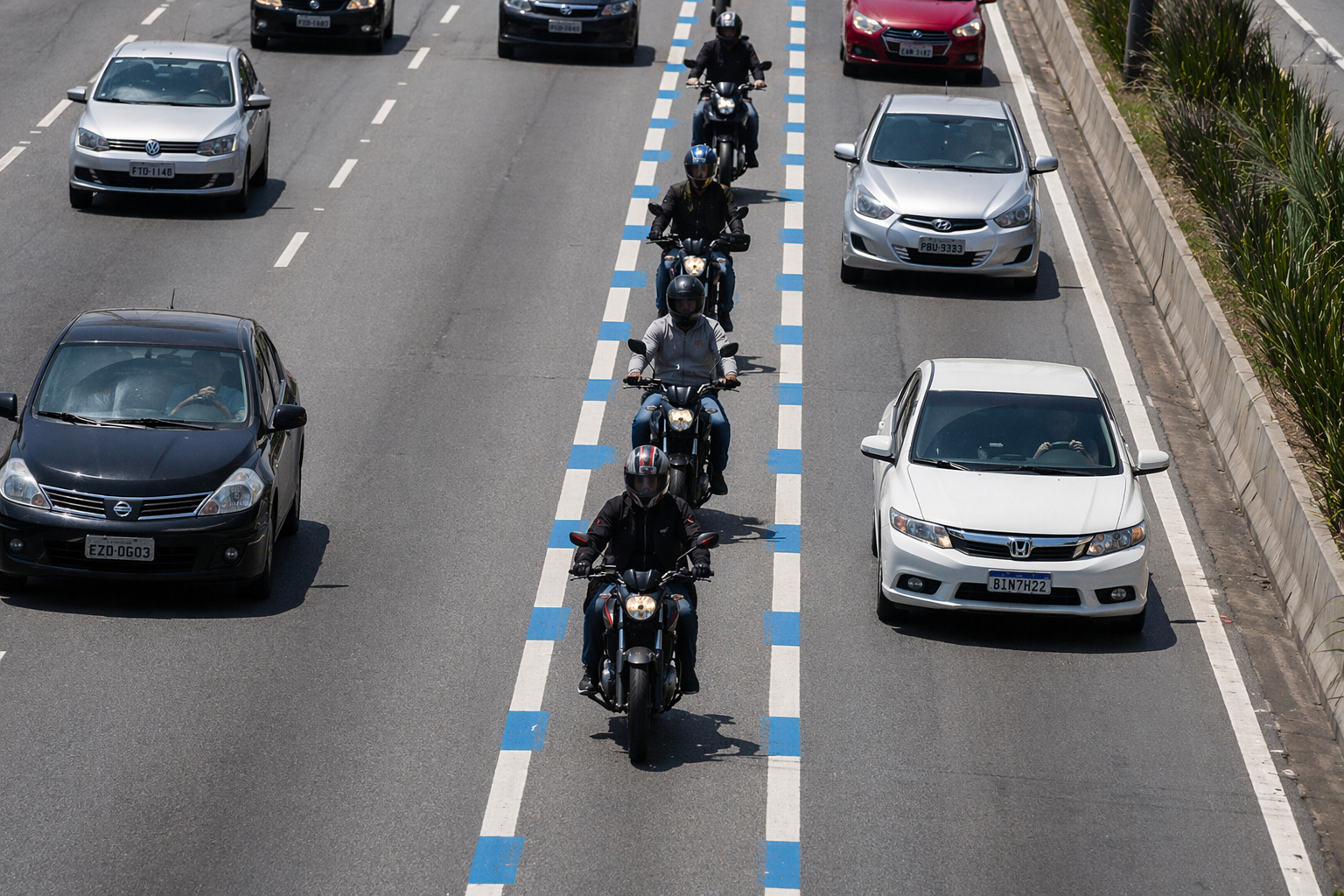
The regulatory impasse redefines the future of the exclusive lane for motorcyclists and evaluates its real impacts on urban traffic
A relevant administrative decision was recently recorded, generating repercussions among public managers and users of the road system.
The Blue Lane for motorcycles, implemented on an experimental basis in 2022 by the City Hall of São Paulo, had its authorization ended in March 2026, which interrupted its expansion.
Since January 2025, the management of Mayor Ricardo Nunes (MDB) has been awaiting authorization from the National Traffic Department to expand the project and renew its validity.
This scenario demonstrates that, although the initiative was highlighted in 2024, its continuity depends on a technical analysis by the federal government.
Technical review defines the continuity of the project
The evaluation of the project will be carried out by the National Traffic Department, linked to the Ministry of Transport, which reinforces the technical nature of the decision.
The City Hall of São Paulo must submit, by the end of April 2026, a Consolidated Report with detailed data on the operation of the Blue Lane.
This report includes indicators such as the number of accidents, deaths of motorcyclists, and the evolution of these data over the experimental period.
Based on this information, Senatran will assess the efficiency of the measure, with no defined deadline for a response.
Meanwhile, the signage remains active on the roads where it has already been implemented, keeping the project in provisional operation.
If the results are deemed insufficient, the removal of the lane may be determined, directly impacting urban mobility.
-
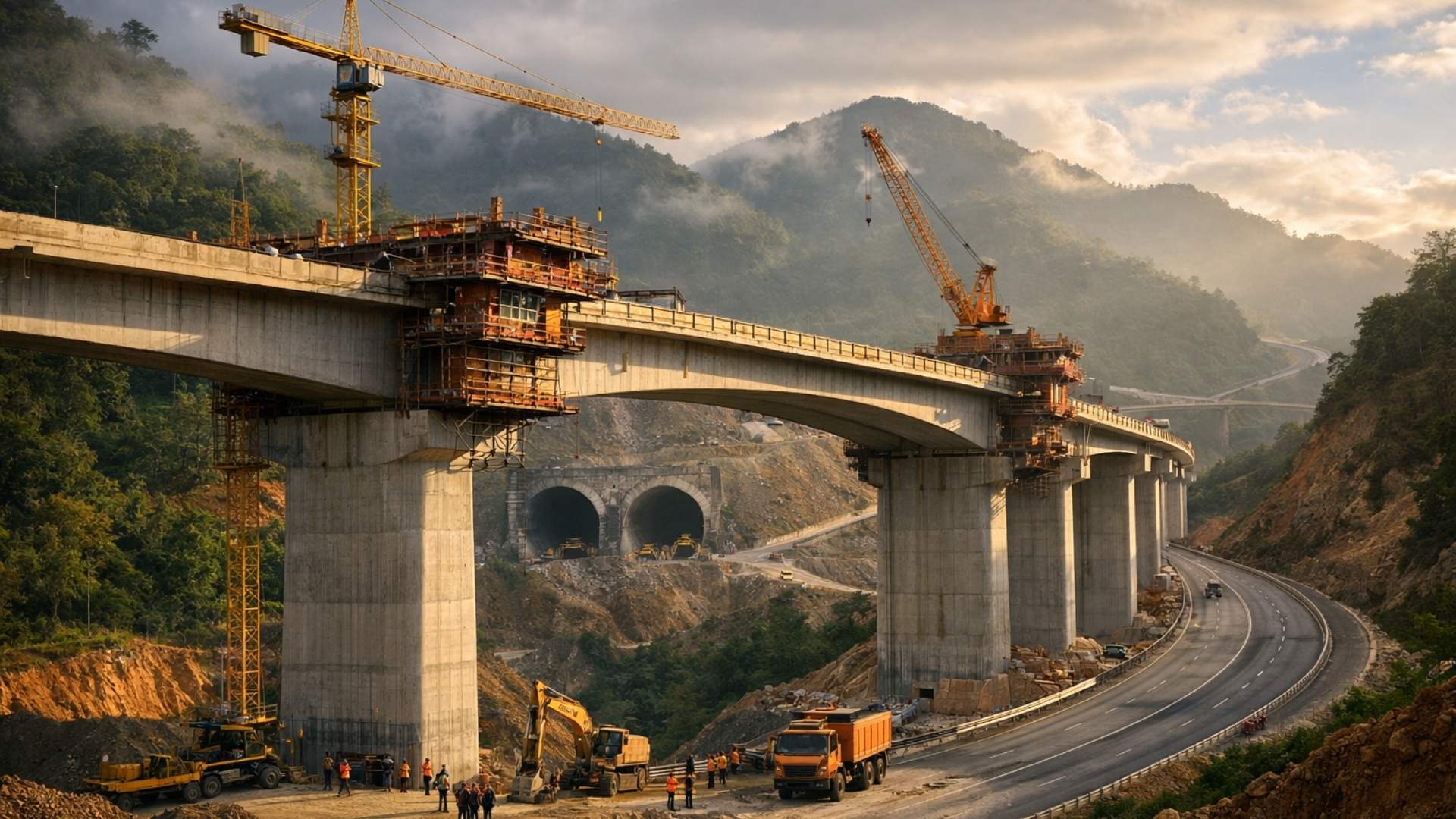
The government puts R$ 8.6 billion on the table to change the highway (BR) with 50 overpasses, 28 bridges, 4 tunnels, and 40 km of bike lanes in 180 km of historic duplication.
-
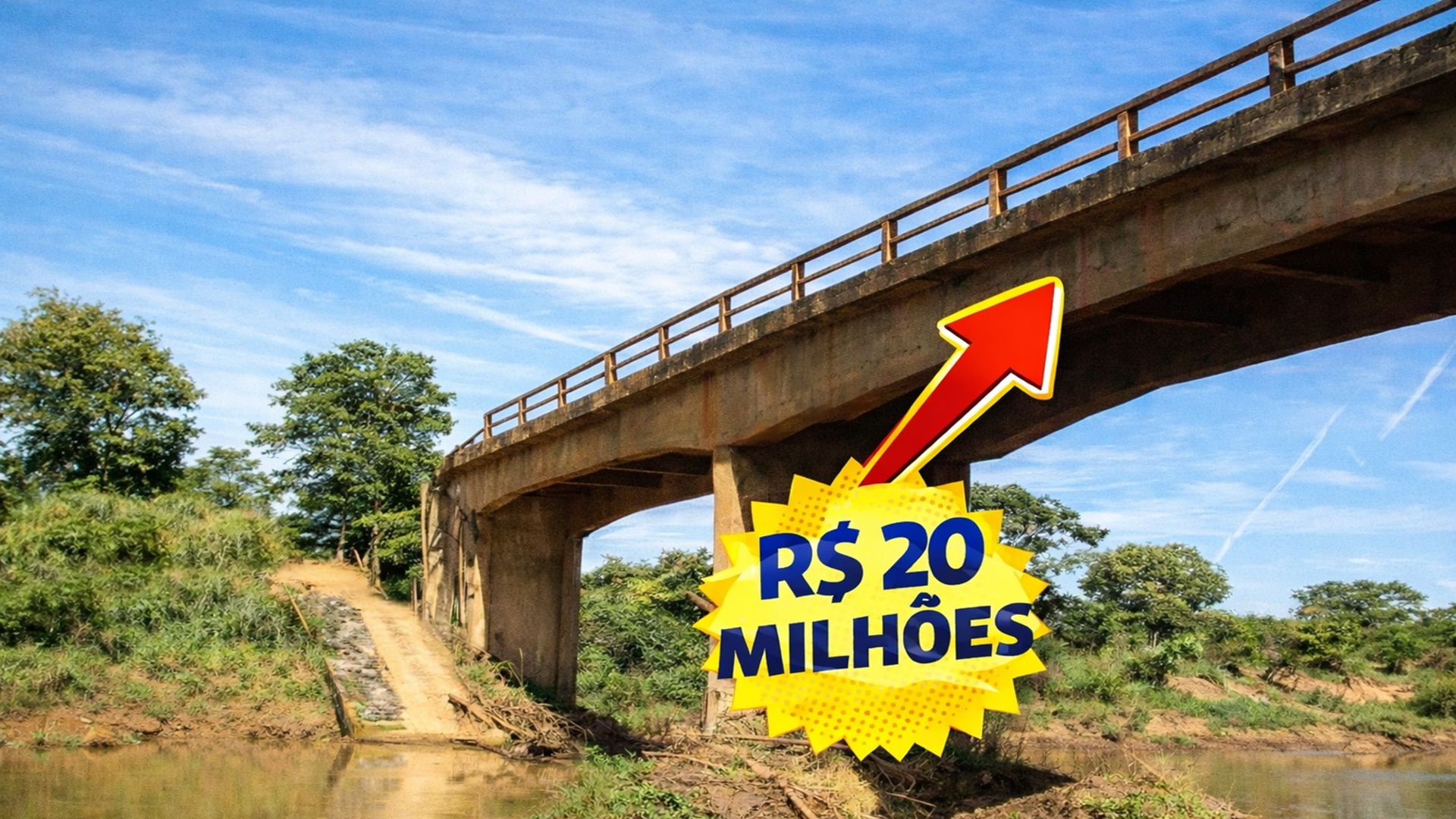
BRL 20.1 Million Bridge Project Kicks Off: 200-Meter Construction to Improve Access in Three Cities in Minas Gerais
-
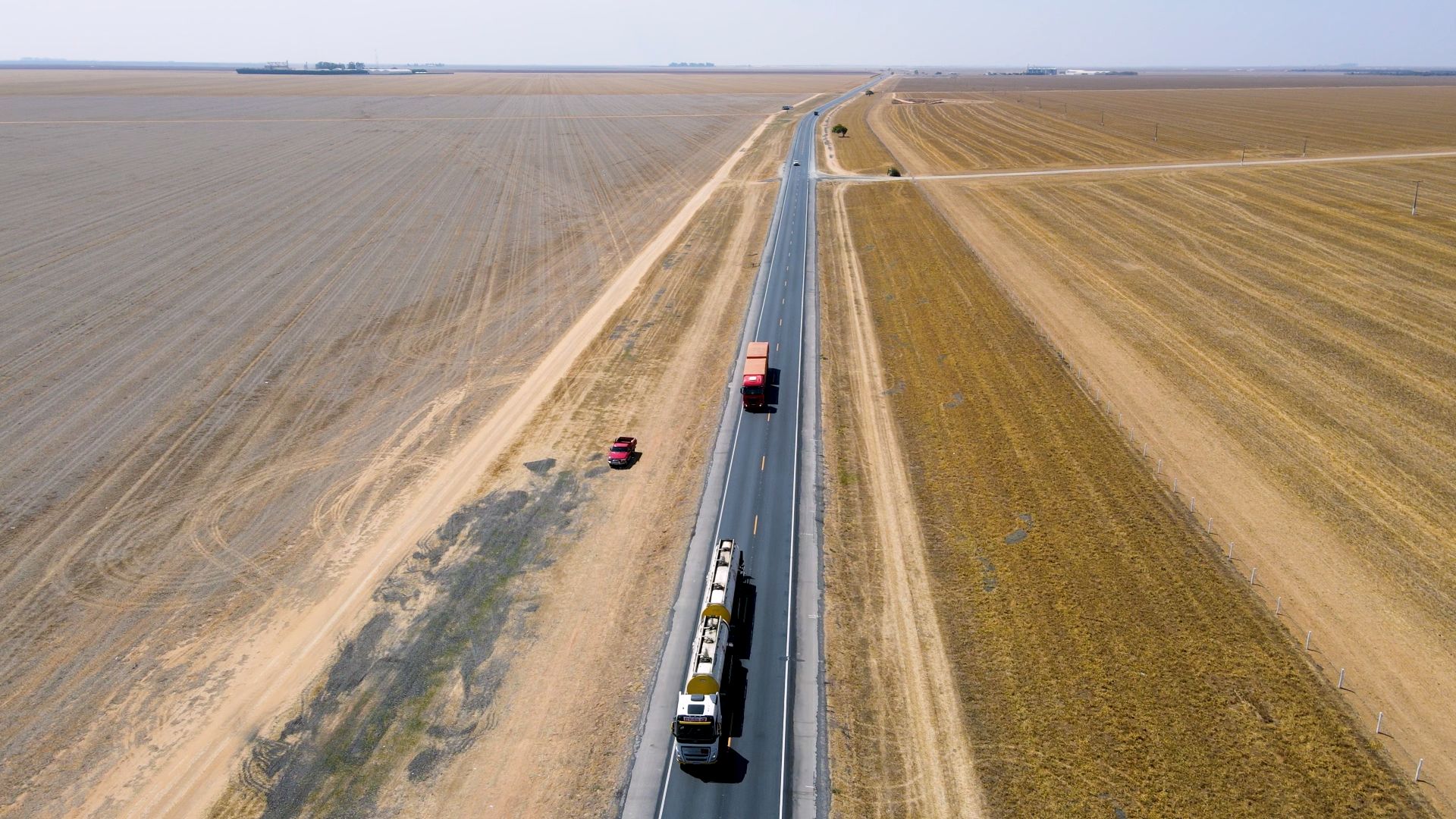
‘Endless Road’ In Brazil Is One of The Largest In The World: 145 Km Stretch On An Important Highway (BR) Crosses The West Of Bahia And Had 135.9 Km Revitalized With R$ 35.3 Million
-
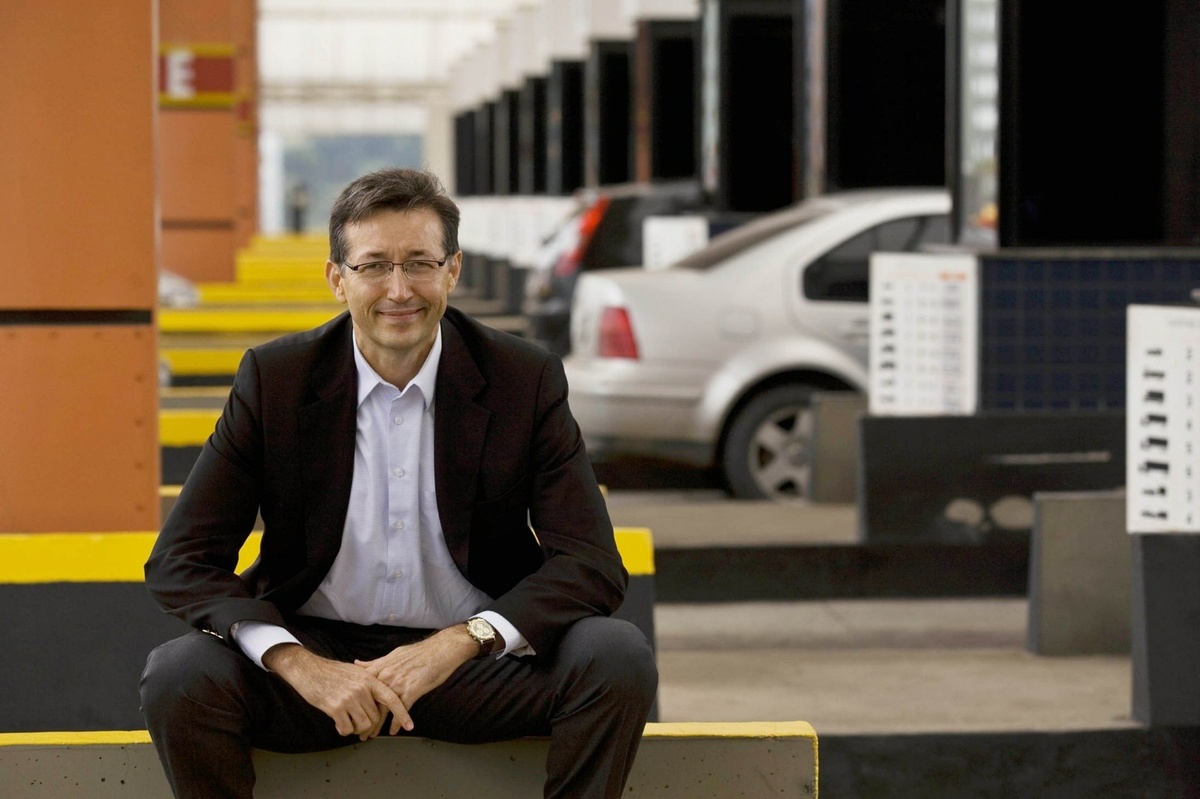
Engineer From ITA Who Worked at Embraer Leads Free Flow Expansion With National Artificial Intelligence and Technology for Toll Without Barriers in Brazil
Political debate intensifies pressure on decision
The topic also gained political dimension after statements made on April 8, 2026, by Mayor Ricardo Nunes.
During an event with delivery riders, the mayor questioned the delay in authorization to expand about 80 kilometers of the Blue Lane.
Allies like Ricardo Teixeira, president of the City Council, also criticized the lack of response from the federal government.
These manifestations indicate that the impasse involves not only technical criteria but also institutional factors.
The last expansion of the project occurred in July 2025, on Jacu-Pêssego Avenue, in the eastern zone of the capital.
Currently, São Paulo has 233 kilometers of Blue Lane, although there is potential to reach 340 kilometers.
This contrast highlights that the expansion is limited by the lack of federal authorization.
Technical studies indicate divergent results
Recent studies by the Traffic Engineering Company indicated results that diverge from the claims of the city hall.
According to CET, no consistent reduction in deaths was proven, and there are indications of an increase in the average speed of motorcyclists.
The municipal management, on the other hand, claims that there was a 47% reduction in deaths between 2023 and 2024 on the roads with the lane.
This difference in interpretation arises from the methodology used in data analysis.
The comparison presented by the city hall considers only motorcyclists and does not include the impact on pedestrians.
On roads with the Blue Lane, deaths from runovers more than tripled, which broadens the debate about the effects of the measure.
This data reinforces the need for a comprehensive assessment of road safety.
Another study, conducted by researchers from the University of São Paulo, the Federal University of Ceará, and the Cordial Institute, presented new indicators.
According to the researchers, the risk of fatal accidents at intersections can increase by up to 120% with the presence of the exclusive lane.
Additionally, the average speed on the analyzed roads rose from 58.3 km/h to 72.2 km/h.
This increase was associated with the perceived greater sense of safety by drivers.
Technical criteria guide Senatran’s decision
The National Traffic Department informed that the authorization depends on the full compliance with established technical criteria.
Among the factors analyzed are the occurrence of accidents, the number of deaths of motorcyclists, and the evolution of these data over time.
Qualitative information is also considered to evaluate the effectiveness of the measure and any necessary adjustments.
This process demonstrates that the decision will be based on consolidated data and careful analysis.
While the evaluation is not concluded, the project remains in operation on the existing roads.
The absence of a deadline for the decision maintains uncertainty about the future of the Blue Lane in São Paulo.
In light of this scenario, the question remains about the continuation or removal of the lane on the city’s main avenues.






Seja o primeiro a reagir!