





 Portuguese
  English
  Spanish
  3 min of reading
  0 comments


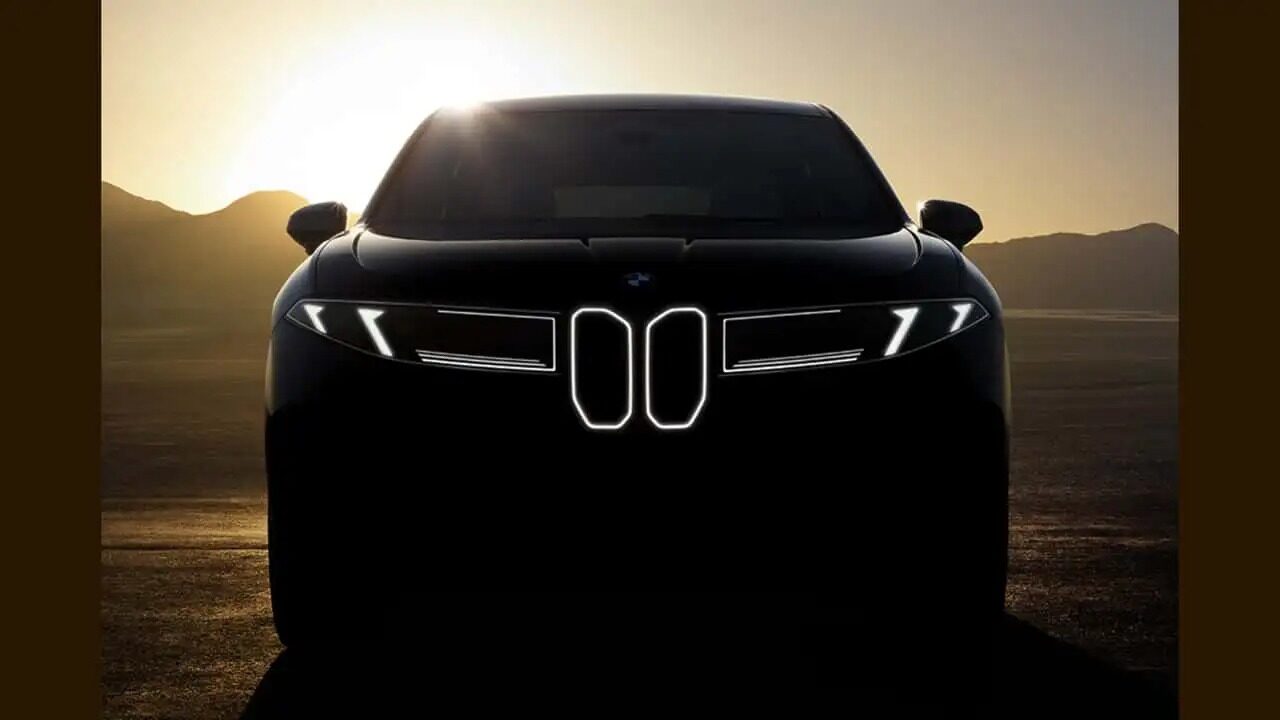
BMW Bets On The iX3 And The Neue Klasse Platform, With Super Brains And 800 Km Range, To Compete In The Global Market
Still far from leadership in the global electric vehicles market, BMW is trying to change this scenario. Starting Friday, September 5, at the Munich Motor Show, the German automaker presents its technological bet: the Neue Klasse platform. The investment has reached €10 billion over four years of development.
The first fruit of this work is the iX3 SUV. It inaugurates a line of 40 models planned for the next two years.
All will be controlled by software and equipped with so-called “super brains,” electronic central units that replace hardware as an essential resource.
-
Six diseases that seem common but can prevent the renewal of the driver’s license for the elderly throughout Brazil and surprise experienced drivers — could any of them affect you without showing clear signs?

-
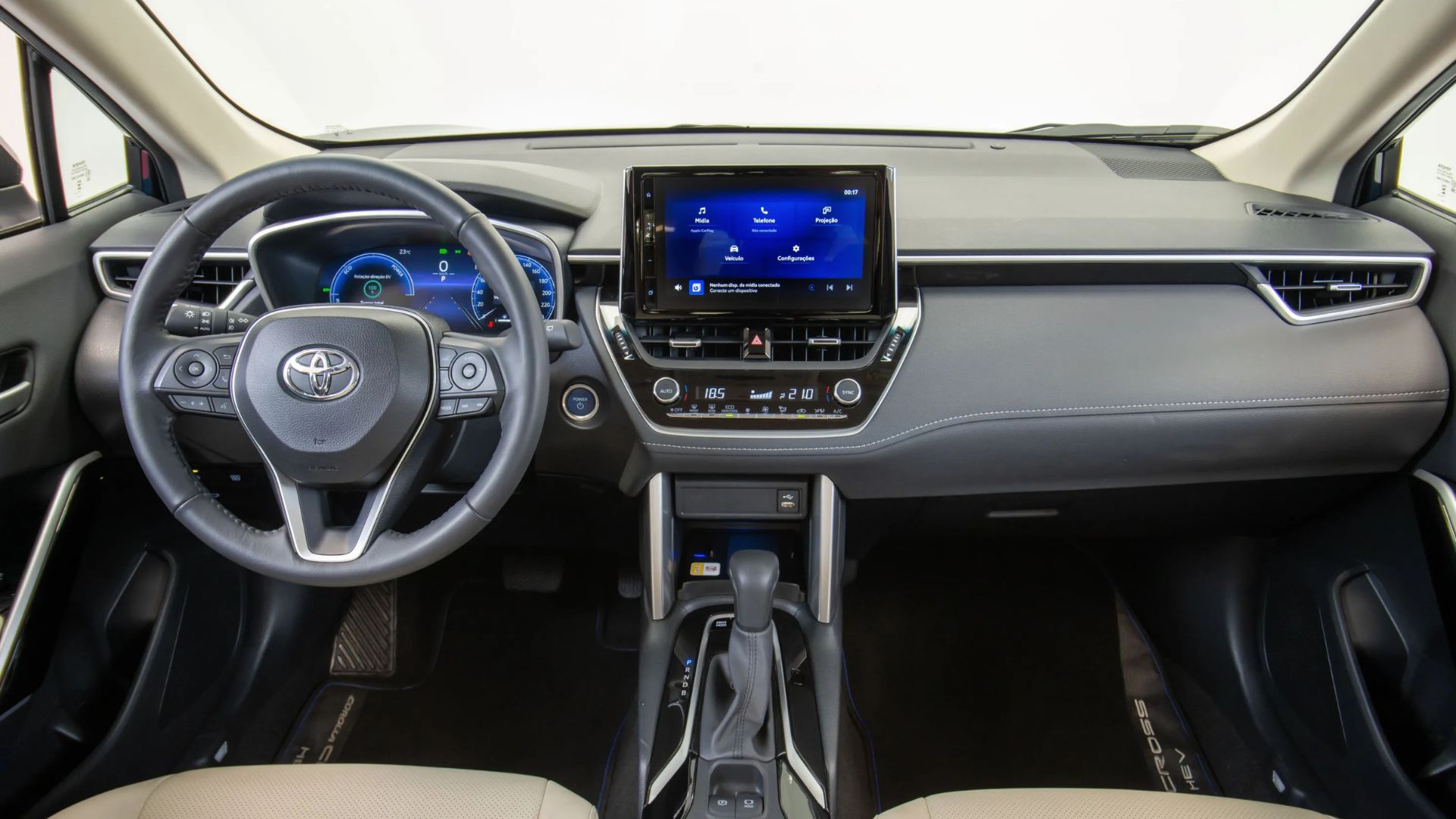
With 122 hp, fuel consumption of up to 17.7 km/l, and a trunk capacity of 440 liters, this hybrid SUV impresses even though it costs up to R$ 47,000 more than the Yaris — meet the Toyota Corolla Cross.
-
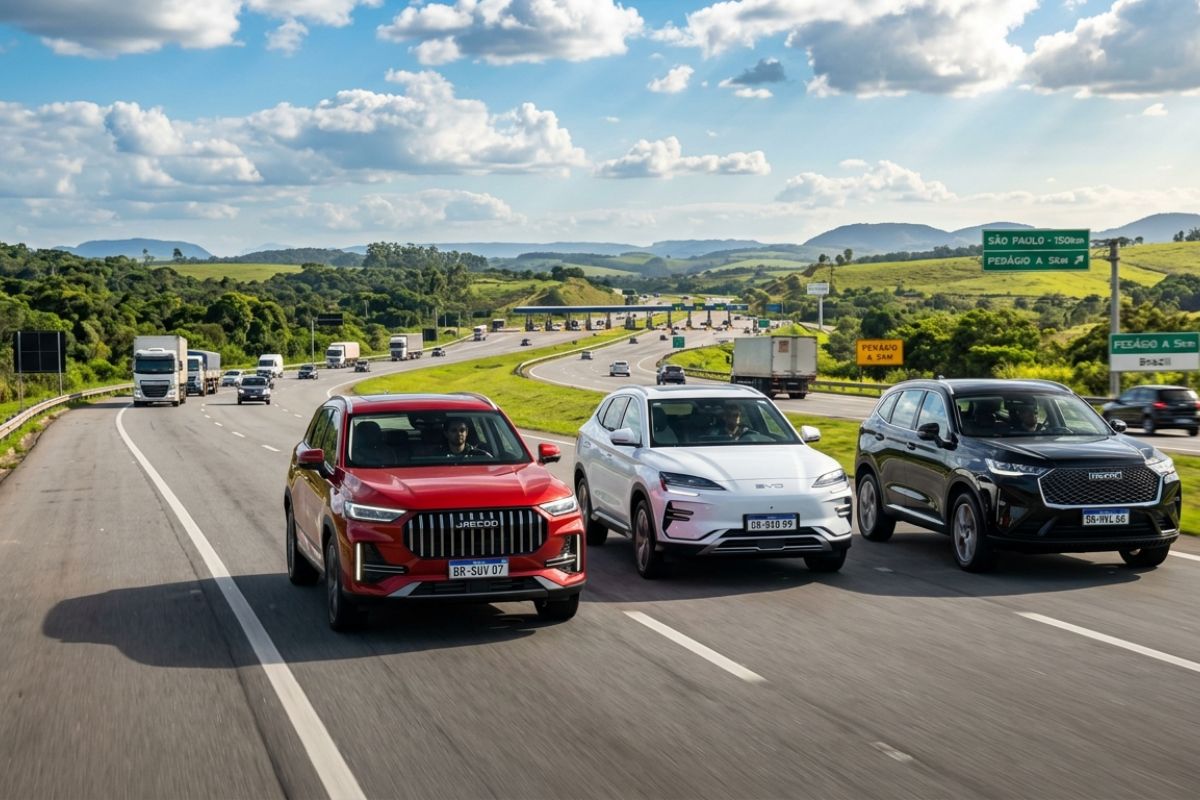
600 km with three Chinese plug-in SUVs, same mode and air conditioning on: Jaecoo 7, BYD Song Plus, and Haval H6 hit the road, and the pump reveals who was truly the most economical.
-
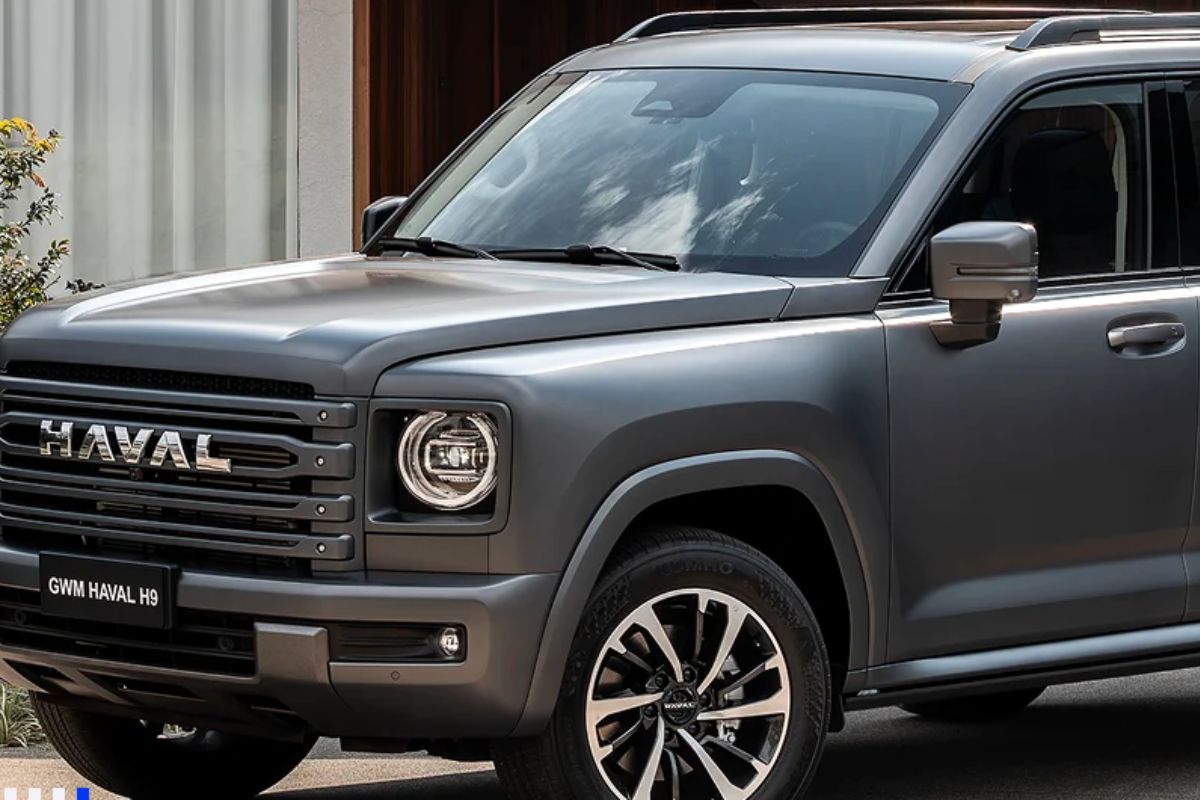
With a price almost R$ 100 thousand lower, the Haval H9 surpasses the SW4 for the first time in March, but Toyota still leads in the accumulated total for 2026; the Chinese SUV bets on technology and premium finishing to compete at the top.

Super Brains And Computing Power
BMW claims that the new platform increases the computing power of current cars by more than 20 times.
This centralization also reduces the complexity of electronics and paves the way for more connected vehicles. Additionally, the Neue Klasse will serve as a basis for internal combustion and hybrid models.
“With the Neue Klasse, we are making significant advances in all relevant technological fields,” said CEO Oliver Zipse. “The new BMW iX3 will be the benchmark in our sector.”
Range And Charging
The project brings ambitious numbers. The planned fleet could travel up to 800 kilometers on a single charge. Fast charging is expected to allow for more than 350 kilometers in just 10 minutes.
Another highlight is the integration among the four super brains, which enhances internal communication efficiency, infotainment displays, and automated driving functions.
This shift marks the beginning of a new trend. With central computers, automakers will be able to update vehicle performance after sale and offer additional services, creating new revenue streams.
Scientific Leap
Frank Weber, a member of the Board of Management of BMW AG, reinforces the innovation discourse. According to him, super brains represent the next scientific leap in automated driving.
“They are high-performance computers that work together intelligently in what, until now, has been processed separately,” he stated.
Weber also highlighted the precision. “They integrate the entire powertrain and driving dynamics with up to ten times more efficiency,” he added.
He also mentioned the sixth generation of BMW eDrive technology. In addition to improved units, the new feature includes round lithium-ion battery cells, with a volumetric energy density 20% higher than the prismatic ones used before.
Market And Competition
BMW has shown caution in the pace of transition to electric vehicles. The multi-energy strategy contrasts with the aggressive advancement of Chinese automakers, such as BYD, that dominate the sector.
Even so, the German company has registered growth in the segment. Battery electric vehicles accounted for 18% of global deliveries in the first half.
The new focus clearly shows that BMW wants to compete for space. Although still behind Tesla, BYD, Geely, and SAIC, the brand has surpassed 1.5 million 100% electric vehicles sold worldwide. By 2025, its market share in the global electric vehicle market ranges between 2.5% and 3%.
Financial Performance
Despite the innovations, the financial scenario was not favorable in the first half of 2025. Global revenue fell to €67.6 billion, an 8% decline compared to 2024.
In the second quarter, revenue stood at €33.9 billion, an 8.2% drop compared to the same period last year.
The decline was attributed to weaker demand in China and the negative effects of exchange rate fluctuations. On the other hand, sales figures show progress.
The BMW Group, which includes Mini and Rolls-Royce, sold 109,516 electric vehicles in the first quarter, a 32.4% increase compared to the previous year.
BMW: Looking To The Future
Therefore, even in the face of revenue declines, BMW clearly signals its bet on the electric future. The iX3 and the Neue Klasse platform show that the company intends to accelerate and compete for space in an increasingly competitive market.
Moreover, innovations in range, charging, and computing power position the automaker prominently in the global technological race.
With information from NEO Feed.








-

Uma pessoa reagiu a isso.