Portuguese
  Spanish


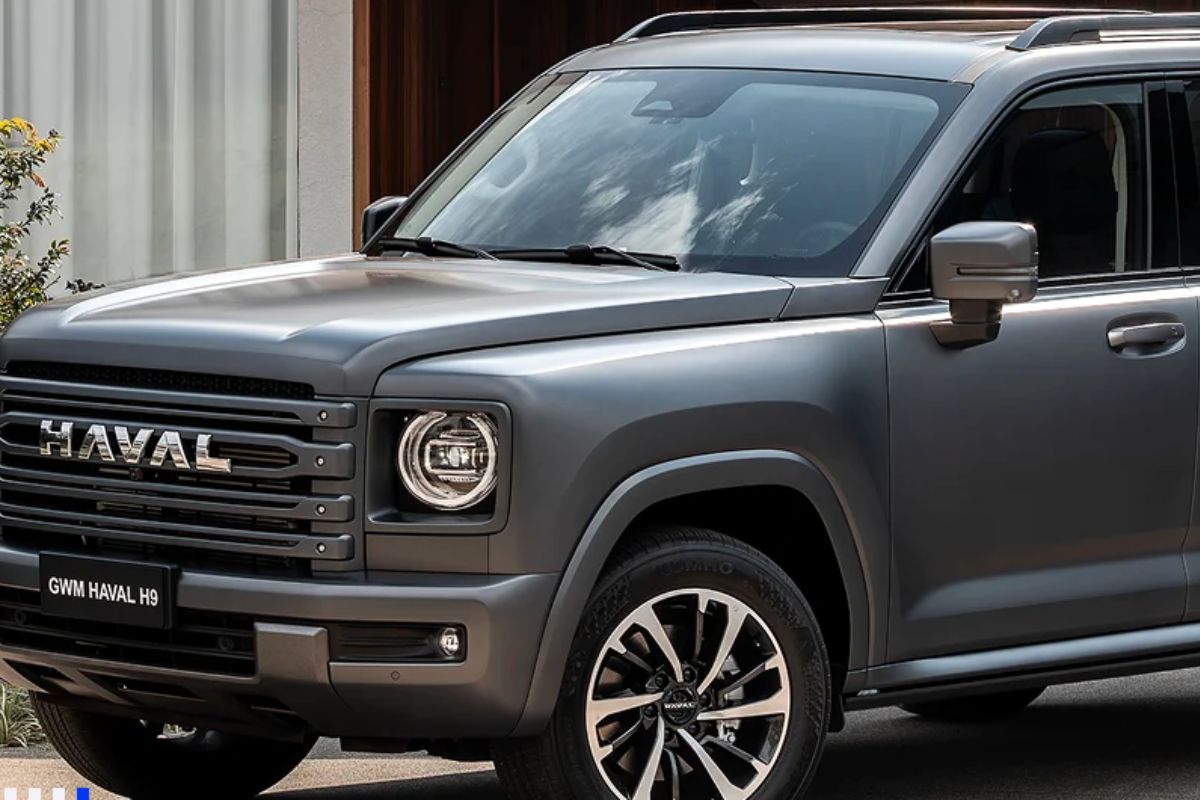

GWM SUV makes 1,170 registrations in March against 1,118 of the SW4; in the quarter, Toyota totals 3,383 units and the H9 reaches 2,724, with the Chinese betting on technology and premium finish.
The GWM Haval H9 SUV surpassed the Toyota SW4 SUV for the first time in a monthly registration snapshot. In March, the model from the Chinese brand registered 1,170 cars registered, while the SW4 closed the month with 1,118.
Even with this turnaround in the month, the Toyota seven-seater SUV still appears ahead when looking at the accumulated total for 2026. In the first quarter, the SW4 totals 3,383 units, against 2,724 sales of the Haval H9, showing that the competition has tightened, but the year’s leadership remains with the Japanese model.
What does it mean for the H9 to surpass the SW4 in March
The numbers from March are noteworthy because they place, for the first time, a Chinese SUV ahead of the main direct competitor in this monthly comparison. The difference is small, but the symbolism is great: the Haval H9 managed to win the monthly competition in a segment traditionally strong for Toyota.
-
British Factory Transitions from Mechanical Parts to Producing 420,000 Electric Power Units Annually, Supplying 70% of Ford’s Electric Cars Sold in Europe

-
Toyota Shifts from Hybrid Cars to Electric Air Taxis with Joby’s 6-Rotor Aircraft, Capable of 322 km/h, Aiming for Mass Production to Electrify Urban Skies

-
Ferrari Unveils Limited Edition 12Cilindri Manuale: 6.5-Liter V12, 830 HP, 0-100 km/h in 2.9 Seconds, Top Speed Over 340 km/h, Only 1,499 Units Available

-
Discover the 2021 Fiat Cronos 1.3: Affordable Maintenance, Reliable Mechanics, and Fuel Efficiency of Up to 15.6 km/l


Registration is the indicator that reflects the vehicles effectively registered, so it is usually monitored as a market thermometer. When one SUV surpasses another in this snapshot, the data indicates that the product, price, and value perception strategy is working during that period.
In the accumulated total for 2026, why does the SW4 still lead
The quarterly result shows a different reading from the “March score.” In the period, the SW4 SUV accumulates 3,383 units, while the Haval H9 SUV has 2,724 sales. This means that, even losing the month, the SW4 maintained a relevant advantage throughout the quarter.
In practice, March shows an advance for the H9, but the accumulated total reinforces that the SW4 still maintains consistent volume and remains a reference in the segment, especially for being a well-known SUV among the public with a consolidated sales base.
Price and positioning: the pressure from the Haval H9 SUV
One of the strongest points of the H9 is the price. The Haval H9 SUV costs R$ 329 thousand, while the Toyota SW4 SUV has a price of R$ 424,590, almost R$ 100 thousand more in the seven-seater configuration as well.
This difference weighs because the buyer looking for a SUV of this size typically compares the complete package: capacity for family, robustness, comfort, and equipment. When the price gap approaches R$ 100 thousand, the decision tends to become more rational and less automatic, especially if the cheaper model delivers competitive content.
Engine and performance: where the SW4 SUV has an advantage

In terms of power and torque, the SW4 is superior. The Toyota SW4 SUV delivers 204 hp of power and 50.9 kgfm of torque. Meanwhile, the Haval H9 SUV offers 184 hp and 48.9 kgfm of torque.
This does not mean that the H9 is “weak,” but it indicates that the SW4 preserves an important argument for those who prioritize performance.
In a segment of diesel SUVs with seven seats, power and torque directly influence the perception of strength for overtaking and acceleration, as well as the ability to maintain pace with a loaded vehicle.
Technology and finish: the premium bet of the Haval H9 SUV
If the SW4 responds with more power, GWM tries to balance the scales with the cabin. The Haval H9 SUV positions itself with more technologies and premium finish, reinforcing the idea of perceived value based on what the driver and passengers see and use in their daily lives.
The instrument panel has 10.25 inches, and the central screen reaches 14.6 inches. Additionally, the pairing is done wirelessly, a point that usually weighs for those who want practicality and quick integration with their smartphone. In other words, the H9 tries to win the SUV competition in internal content and onboard experience.
What the competition between the two SUVs shows about the market
With a cheaper SUV winning a month of registrations, the scenario suggests that buyers are more sensitive to the cost-benefit relationship and the equipment package, especially when the model delivers a clear proposal of technology and finish.
At the same time, the accumulated total for the quarter shows that Toyota still has strength in the segment. The H9 gains traction with price and cabin, while the SW4 maintains leadership with volume and performance, creating a competition that is likely to become more interesting throughout the year.
In your opinion, which SUV weighs more in the choice today: the price and technology of the Haval H9 or the tradition and performance of the Toyota SW4?