





 Portuguese
  English
  Spanish
  3 min of reading


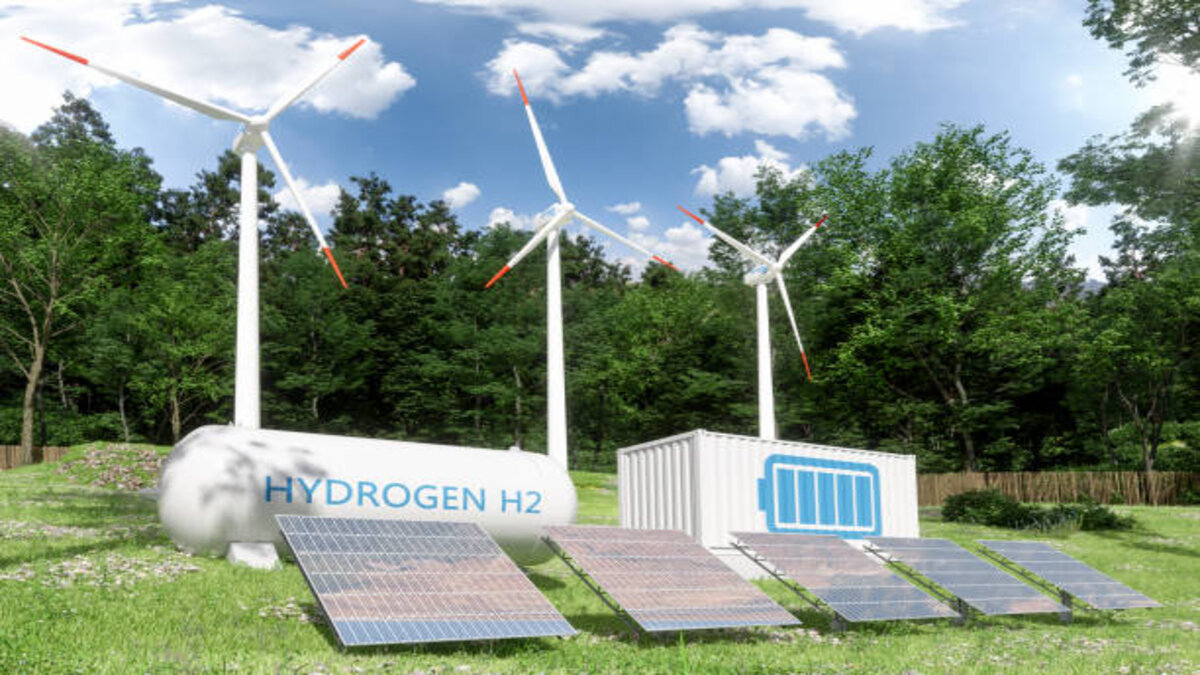
The Green Hydrogen Production Support Program Developed by BNDES Will Be Responsible for Ensuring the Necessary Financing Through Credit Lines for the Construction and Development of Projects for Generating This Resource in the Country.
Last Friday, (07/01), the National Bank for Economic and Social Development (BNDES) announced its newest financing program aimed at the energy and fuels sector in Brazil. Thus, there will be an investment of R$ 300 million in credits for the development of projects that aim to boost the green hydrogen market in the country as a way to energize this sector and expand the resource’s exploration in the national territory.
Green Hydrogen Production Projects May Receive Credit Lines for Construction Financing Through Program Created by BNDES
Targeting the growth of national investments in the green hydrogen segment with the arrival of foreign companies, BNDES announced a new financing program aimed at this sector. Thus, companies and entrepreneurs will be able to request credit lines with the bank for the development of production projects for the resource, with the investment focused on purchasing equipment, building factories, and other stages of the process.
To this end, BNDES will utilize resources from the well-known Climate Fund, responsible for supporting the renewable energy segment in the national territory. The financing for each project may include a total of R$ 300 million in credits offered by BNDES to the company.
-
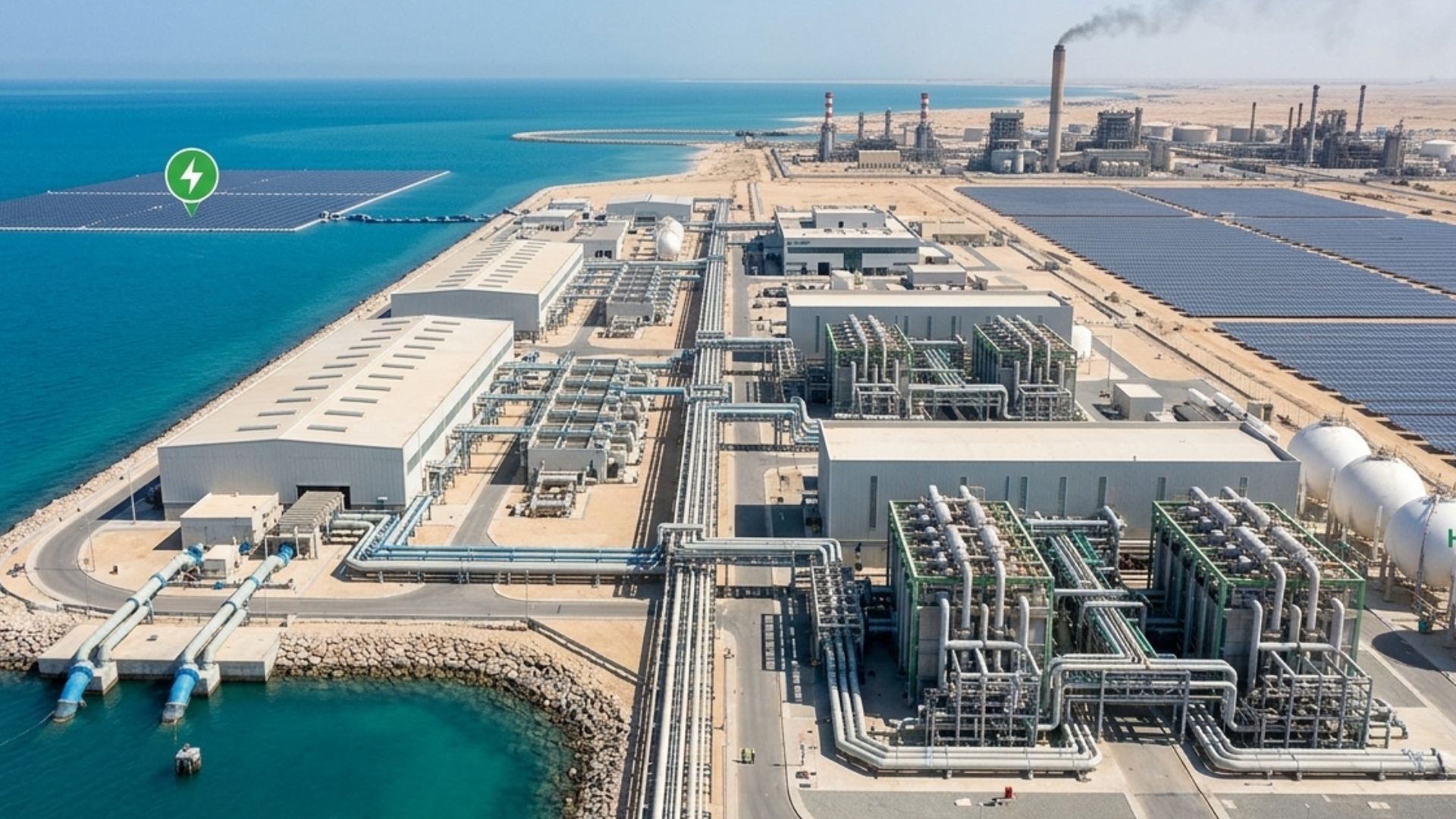
The world has bet on green hydrogen as the fuel of the future, but now faces the side effect: producing 1 kilogram requires about 9 liters of ultrapure water, and the largest projects on the planet are precisely in the driest regions of the Earth, where water is already scarce for people.

-
Africa has about 500,000 cell towers and most still burn diesel to operate, while companies rush to cover antennas with solar energy and avoid signal blackouts.

-
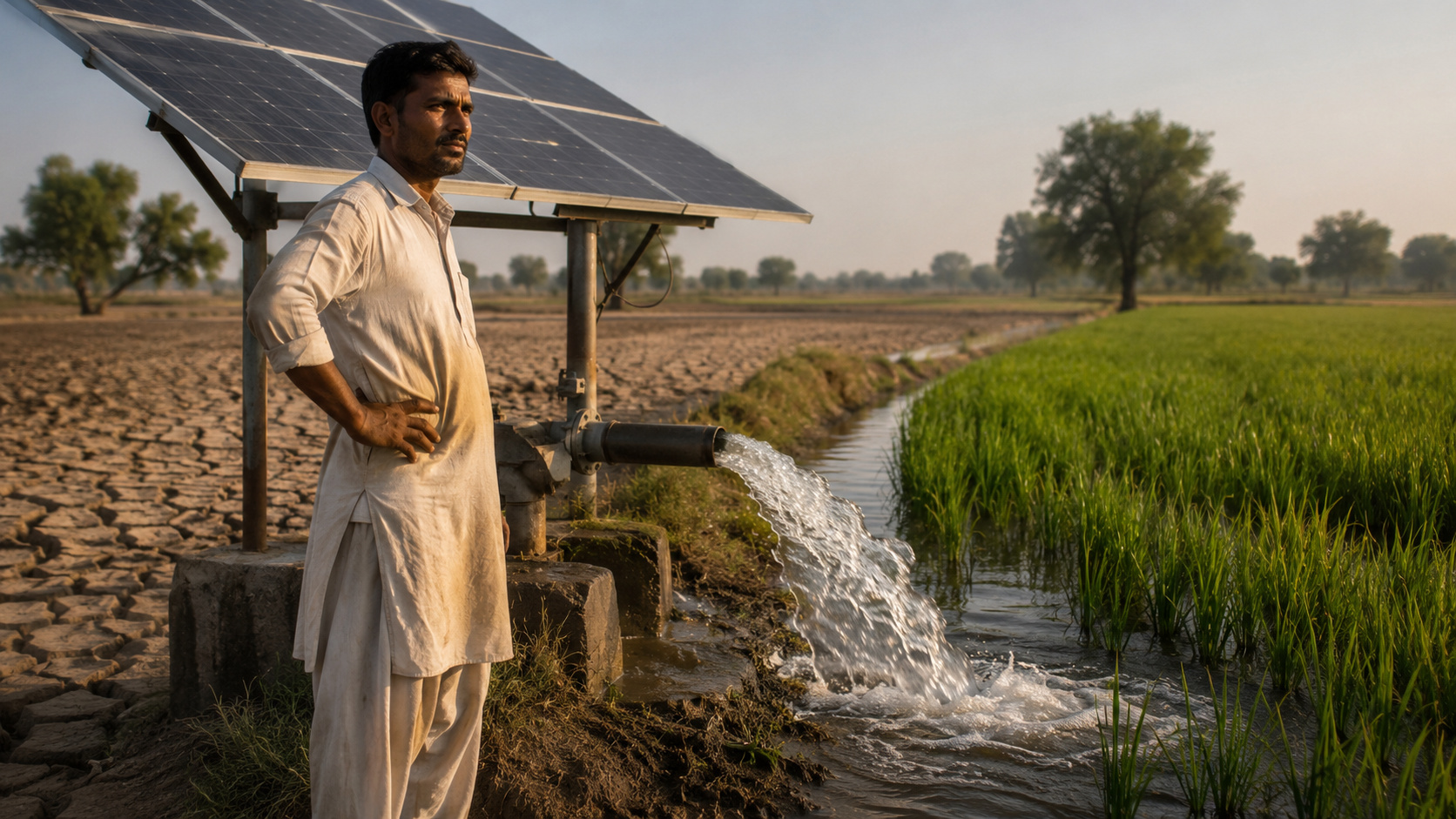
Farmers swapped diesel for solar panels in Pakistan, powered irrigation pumps almost cost-free, expanded rice fields, and now groundwater has become a red alert in the countryside.
-
Migrant workers left the world’s largest renewable energy park in India after extreme heat, 12-hour shifts, delayed wages, and poor accommodations at a site that still promises to supply 18 million homes.


In this way, the bank intends to expand its financing lines to also support large-scale green hydrogen production projects for export. The resource has been increasingly used in the renewable segment, and Brazil has strong potential to harness hydrogen generation.
Thus, the Director of Credit Concession for Infrastructure at BNDES, Solange Vieira, commented that this program will provide the green hydrogen market with a new growth perspective in Brazil, with the expansion in the development of projects in the segment.
Additionally, she highlighted: “We are already working to enable new solutions, including support for low-carbon hydrogen export plants and studying the possibility of financing cost in foreign currency to enable the establishment of large plants in the country capable of exporting the fuel.”
In Addition to the BNDES Project Financing Program, Brazil’s Green Hydrogen Market Continues to Attract New Investments from the Federal Government
As the energy transition becomes an increasingly urgent and relevant issue on the national agenda, the search for investments in the sector of renewable energies is on the rise in the country. Thus, it would be no different with green hydrogen, being the wager for the sector and gaining strong attention from the Brazilian government in recent months, not only with the BNDES financing program but also with other initiatives to stimulate the development of projects in the country.
Among them is the program launched by the Ministry of Science, Technology, and Innovations (MCTI) during June of this year, which opened a public call for R$ 50 million to encourage research in sustainable fuels such as biojet fuel, green hydrogen, and biomethane in the country. The resources will be invested through the National Fund for Scientific and Technological Development (FNDCT), and MCTI has kept the process open for companies of all sizes, ensuring more possibilities in the sustainable fuels market.
Thus, projects may receive between R$ 1 million and R$ 7.5 million for the initial development of the resource production venture in the country. In this way, the Federal Government continues to seek to harness the country’s strong potential in the renewable sector by stimulating the segment.







Be the first to react!